
Facts About The Return of Doctor X
A look at “The Return of Doctor X” and the legacy of the mad scientist in classic science fiction, plus a featured Radiographic Alien Head T-shirt for fans of bold and mysterious designs.

This Week in Science Fiction Classics
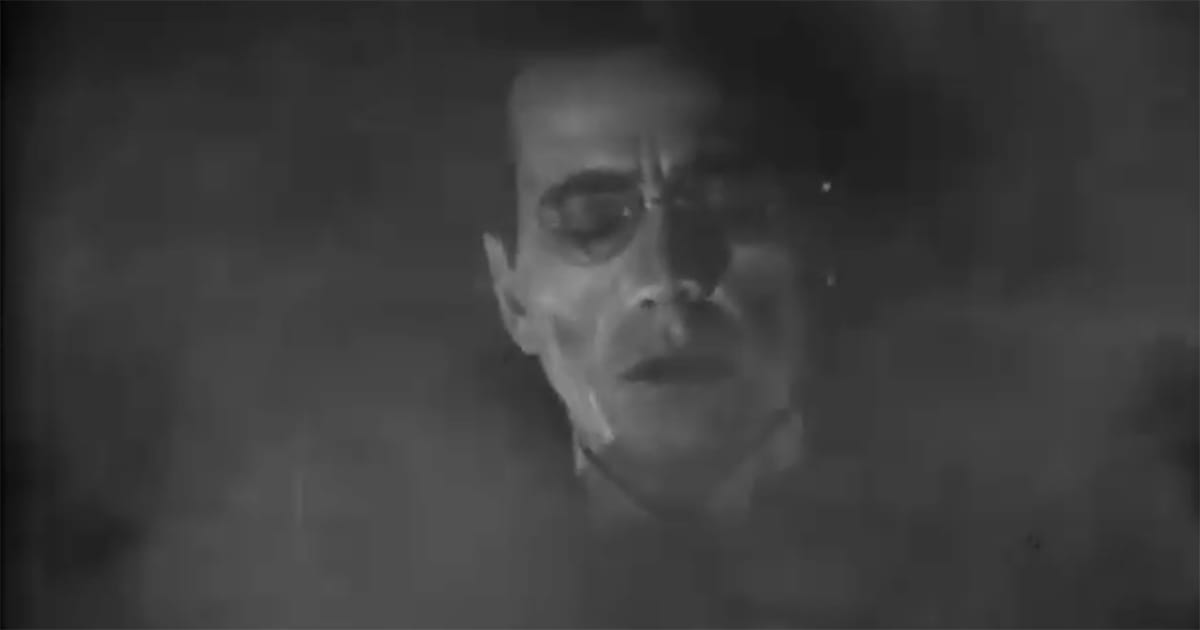
On December 2, 1939, American audiences met one of the strangest figures in early science fiction cinema. "The Return of Doctor X" arrived in theaters with a young Humphrey Bogart in the role of Dr. Francis Xavier, a scientist who had been murdered and then revived through synthetic blood. His return was not a miracle. It was a warning about what happens when man treats life like a puzzle to be solved rather than a gift to be respected.
The film followed a reporter and a young doctor as they uncovered a series of killings tied to unusual blood transfusions. Their search led them to Xavier, a pale, hollow-eyed figure sustained by artificial blood and driven to harvest more. This blend of laboratory mystery and moral danger gave the movie a tone that set it apart from the monster pictures of the decade.
While "The Return of Doctor X" was modest in scope, it captured a growing unease with modern science at the dawn of the 1940s. The world stood on the edge of rapid technological change, and the film suggested that progress without principle can bring a man back from the grave—but cannot restore the humanity he has lost.
Sponsored by: Radiographic Alien Head | રેડિયોગ્રાફિક એલિયન હેડ T-shirt

The Radiographic Alien Head T-shirt offers a bold design for fans who enjoy the stranger side of science fiction. The red alien face gives the shirt a sharp, mysterious look that stands out without feeling loud.
The fabric is soft and comfortable, which makes it a good choice for long weekends or late-night movie marathons. It is sturdy, well made, and fits the style of readers who enjoy classic themes with a modern edge.
The Cold Touch of the Mad Scientist
Humphrey Bogart's turn as Dr. Francis Xavier in "The Return of Doctor X" remains one of the most unusual performances of his early career. He appears on screen with waxy skin and a hollow stare that looks more mechanical than human.
His movements are stiff and careful, as if the spark of life had been replaced by something colder. This visual design establishes the theme that drives the entire story. A man can be revived through science yet lose the substance that makes life meaningful.
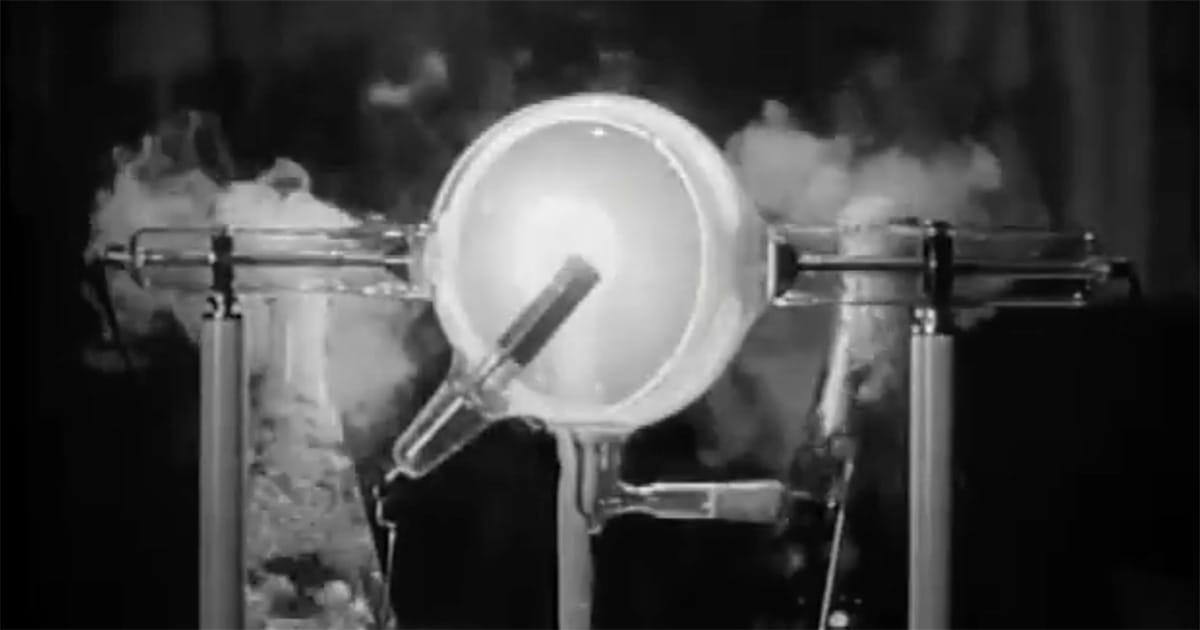
Xavier's resurrection depends on synthetic blood. The process gives him motion and voice, but it offers nothing to guide his judgment. He exists in a space between life and death where intellect works without conscience.
The result is a man who studies life the way a watchmaker studies gears. He takes what he needs from the world with no sense of responsibility. His presence reflects a fear that grew in American culture long before the atomic age. The fear that knowledge can outrun the wisdom required to use it.
Shadows in the Laboratory
The idea of the mad scientist did not begin with Dr. Xavier. It had been taking shape since the earliest years of cinema. Rotwang in "Metropolis" set the pattern with firelit laboratories and wild ambition. Later films like "The Invisible Ray" kept the image alive by showing brilliant men sliding slowly into disaster.
Audiences of the 1930s recognized these figures. They lived in a time of invention and upheaval. New machines changed daily life with remarkable speed. Medicine discovered powerful techniques that promised to lengthen life and cure diseases once thought hopeless.
These advances stirred excitement but also suspicion. People wondered what might happen if the same energy that drove progress fell into the hands of someone without restraint.
The mad scientist became the natural figure for that question. He carried authority without humility. He believed that the mysteries of creation could be solved through force of will alone. In this way, the scientist replaced the monster as the symbol of fear.

Dr. Xavier and the Age of Experimental Confidence
When "The Return of Doctor X" arrived in 1939, the world stood on the edge of tremendous change. Medical research pushed forward with confidence.
Blood transfusions became safer. Hospitals adopted new equipment that worked with a precision unknown a generation earlier. People believed that the future of medicine would unfold with astonishing speed.
Xavier's synthetic blood reflects that mood. It is a fictional cousin to real experiments of the time. It suggests a future where chemistry and machinery can repair the body without limits.
The film uses that promise to tell a darker story. It asks what happens when a scientist treats life as a puzzle rather than a calling. Xavier takes blood from unwilling victims because he sees them as resources. He thinks in terms of procedures, not principles.
Bogart's performance reinforces this idea. He speaks calmly and without emotion. His pale face gives the sense of a man drained not only of blood but of humanity. In his eyes, the viewer sees the danger of gifts placed in the wrong hands. His revival becomes a warning rather than a miracle.
A Figure Without Restraint
Xavier does not rage or rant. He follows the logic of his work with steady focus. His flaw is not passion. It is the absence of moral grounding. Classic science fiction returned to this idea over and over. A scientist who loses his moral bearings becomes a threat, no matter how skilled he might be.
Stories of this kind reflect a truth that runs deeper than any single film. Human life carries a meaning that no experiment can measure. When a character like Xavier ignores that truth, the story bends toward tragedy. His victims lose more than blood. They lose dignity. They lose the right to be treated as creations made with purpose and value.
Classic films used this pattern to teach a simple lesson. Knowledge brings power. Power demands restraint. Without that restraint, the scientist becomes the problem he claims to solve.
The Moral Line
Viewers in the late 1930s understood that idea. The world seemed full of men who believed that skill alone could shape the future. Headlines carried news of breakthroughs in physics, medicine, and engineering. Each new discovery offered hope mixed with caution. People asked whether progress might move faster than character.

"The Return of Doctor X" shows what that imbalance looks like. Xavier masters a remarkable technique. He learns to create life where none remains. Yet he does not understand the responsibility that follows such power. His failure is not scientific. It is moral. The film reminds the viewer that the boundary between life and death is not a frontier to conquer. It is a place where humility matters most.
The mad scientist became a popular figure because he dramatized that boundary. He made visible the danger of relying on intellect alone. He revealed the cold path that awaits a man who pursues knowledge without virtue.
The Legacy of the Mad Scientist
The figure of the mad scientist did not fade after Dr. Xavier. It gained force in the films of the 1950s and through the long years of the Cold War. New stories showed machines that replaced workers, rays that altered the mind, and experiments that split the atom. Behind each invention stood a man who believed he could solve every problem through technique.
These stories endure because they touch something central to the human experience. They warn that progress must serve a higher purpose. They suggest that the mysteries of life require reverence as well as study. When a scientist fails to respect that balance, the result is always the same. Ruin follows achievement.
Dr. Francis Xavier stands in that tradition. His pale features and quiet voice remind the viewer that an empty heart can sit behind the sharpest mind. He shows the danger of confusing information with insight. He also shows why classic science fiction still matters. It speaks to readers who value discipline over impulse and wisdom over ambition.
The lesson remains clear. A man can live by artificial means, but without character, he remains lifeless. The cold touch of the mad scientist warns that progress without principle leads only to darkness.
"The Return of Doctor X" Trivia
- Humphrey Bogart often said he regretted playing Dr. Francis Xavier, yet the role later became a favorite among fans who enjoy seeing major stars in early science fiction.
- Xavier's ghostly appearance came from a mix of white greasepaint and controlled lighting that drained warmth from Bogart's face and gave him a cold, mechanical look.
- The movie was promoted as a sequel to "Doctor X," but the connection existed only in the title, which the studio reused to draw attention during a crowded release season.