
"Firefly" and the Frontier Among the Stars
"Firefly" combined the American Western with space opera, creating a frontier among the stars where freedom, survival, and independence shaped one of science fiction's most memorable worlds.

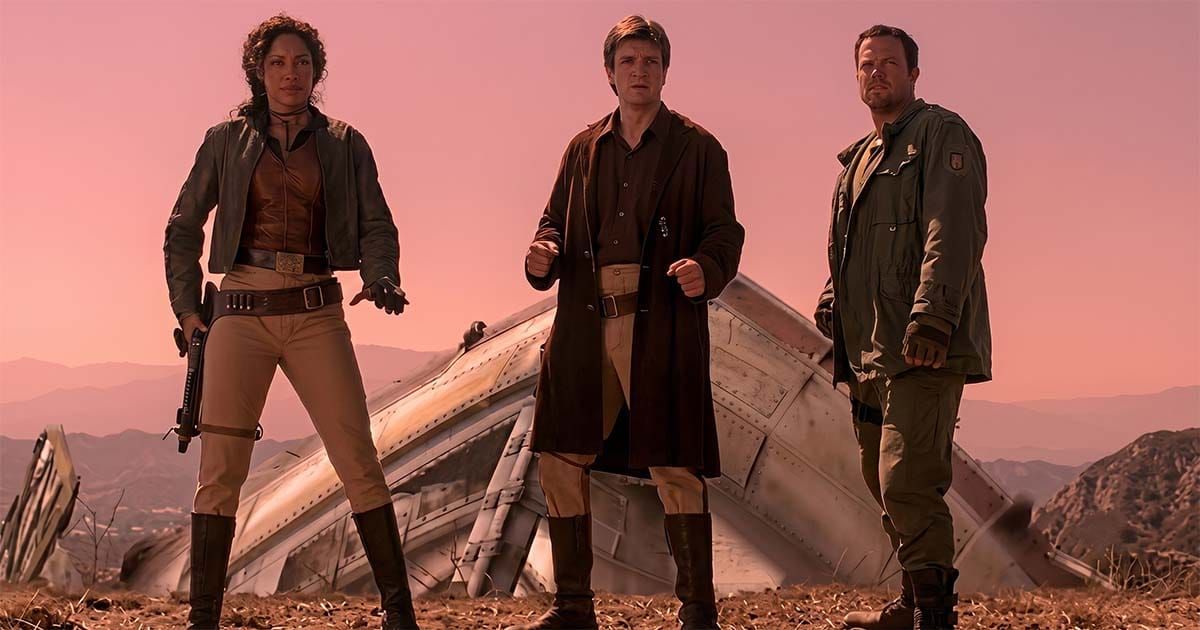
How "Firefly" Turned the Old West Into the Future
The best science fiction stories often begin with a simple question. In the case of "Firefly," that question seems almost too simple. What if the American frontier never disappeared? What if it simply moved into space?
That idea helped make "Firefly" one of the most distinctive science fiction television series of the modern era. Although the show lasted only a single season, its influence continues to grow. Audiences responded to its unusual blend of space opera adventure and Western storytelling, a combination that gave the series a personality unlike anything else on television.
A New Frontier
At first glance, Westerns and science fiction appear to have little in common. One genre looks to the past, while the other looks to the future. One features horses, dusty towns, and six-shooters, while the other features spacecraft, advanced technology, and distant worlds.
The connection becomes clearer when viewed through the idea of the frontier. Both genres focus on people living beyond the reach of established civilization. Both explore the challenges of survival, self-government, and personal responsibility in places where institutions remain weak or distant.
"Firefly" embraces this connection completely. The frontier is no longer a stretch of wilderness beyond the Mississippi River. Instead, it consists of remote planets scattered across a vast star system. The geography changes, but the underlying experience remains remarkably familiar.
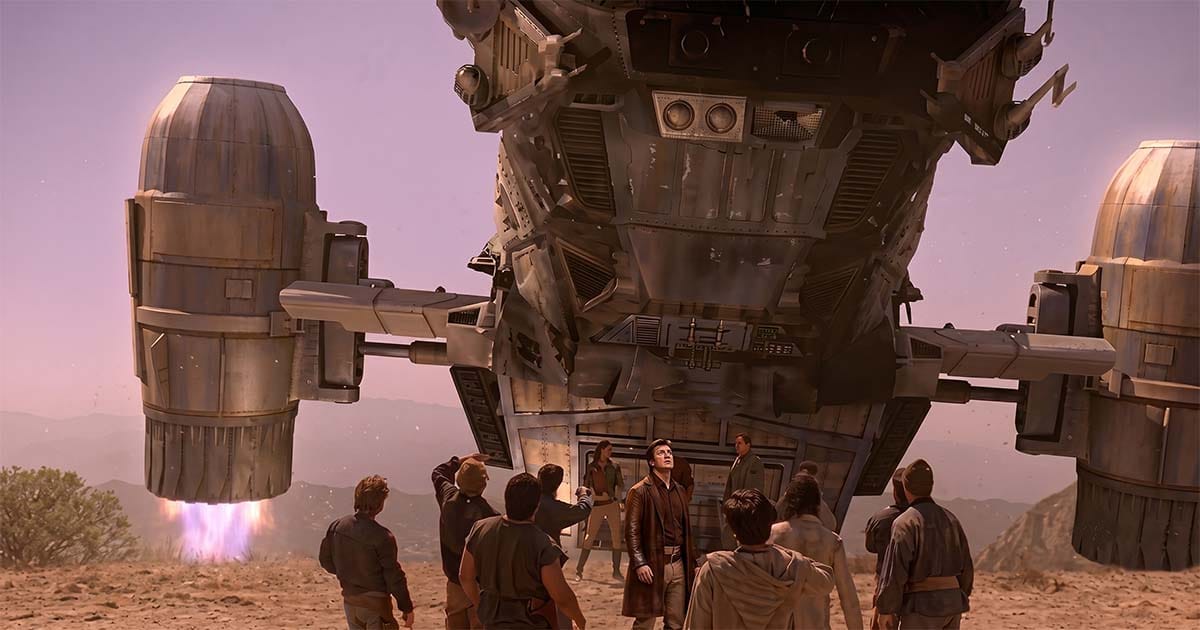
A Future That Feels Real
Many science fiction stories present the future as a place of extraordinary comfort and efficiency. Technology solves problems, resources appear abundant, and daily life becomes increasingly convenient.
The world of "Firefly" takes a different approach. The cargo ship Serenity frequently breaks down. Fuel costs money. Repairs consume valuable time. Many settlements struggle with poverty, isolation, and limited opportunities. The future may contain remarkable technology, but ordinary people still face ordinary hardships.
That choice gives the series a sense of authenticity. The setting feels lived in rather than manufactured. Viewers encounter a future that resembles real history, where progress arrives unevenly and prosperity reaches some communities long before others.
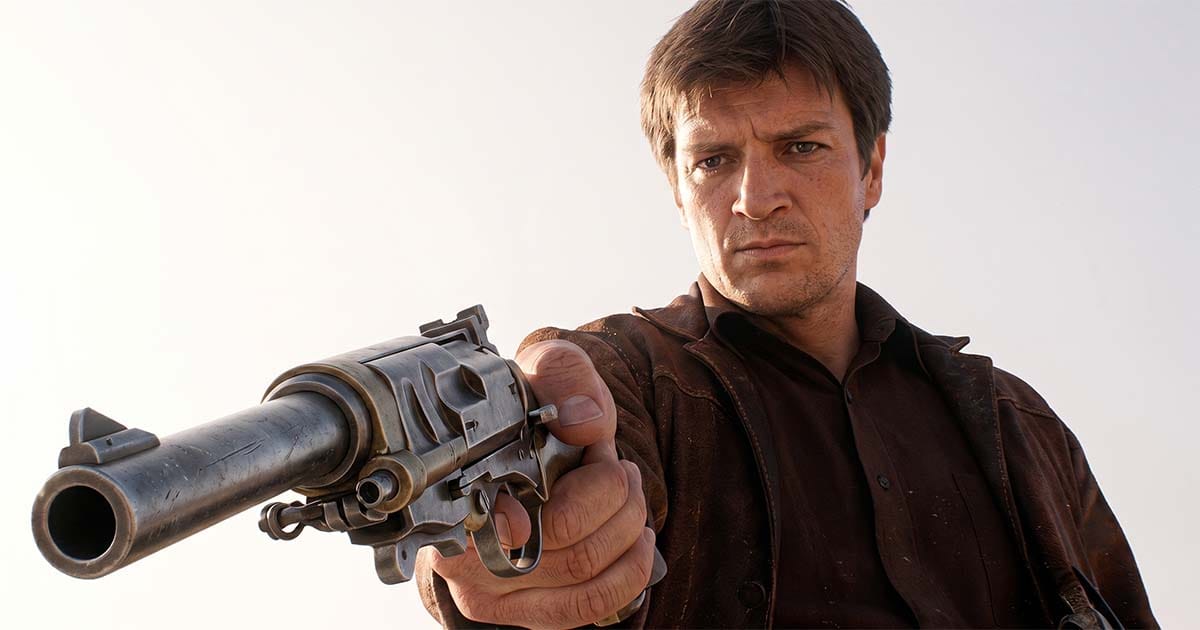
Captain Mal and the Western Hero
No character reflects the show's Western influences more clearly than Captain Malcolm Reynolds. Unlike many science fiction protagonists, he is neither a celebrated explorer nor a representative of a powerful institution. He operates on the margins of society, earning a living through determination, ingenuity, and occasional luck.
Mal shares many characteristics with classic Western heroes. He values independence, distrusts distant authority, and feels a strong sense of responsibility toward the people under his protection. His spaceship may replace a horse, but his role within the story remains deeply connected to frontier traditions.
The supporting cast reinforces this atmosphere. Pilots, mechanics, hired guns, and settlers all contribute to a world that feels closer to a Western town than a futuristic metropolis. The result is a setting where advanced technology exists alongside older ways of life.
Freedom on the Edge of Civilization
The most important link between "Firefly" and the Western genre goes beyond costumes and scenery. It lies in the themes that drive the narrative.
Throughout the series, tension exists between individual freedom and centralized authority. The Alliance government brings stability and order to many worlds, yet it also represents a growing concentration of power. The outer planets enjoy greater independence, but they often pay a price in security and prosperity.
This conflict mirrors questions that have appeared in Western stories for generations. How much authority should government possess? What responsibilities accompany freedom? How should communities balance order with independence? "Firefly" explores these issues through science fiction while remaining firmly connected to frontier storytelling.
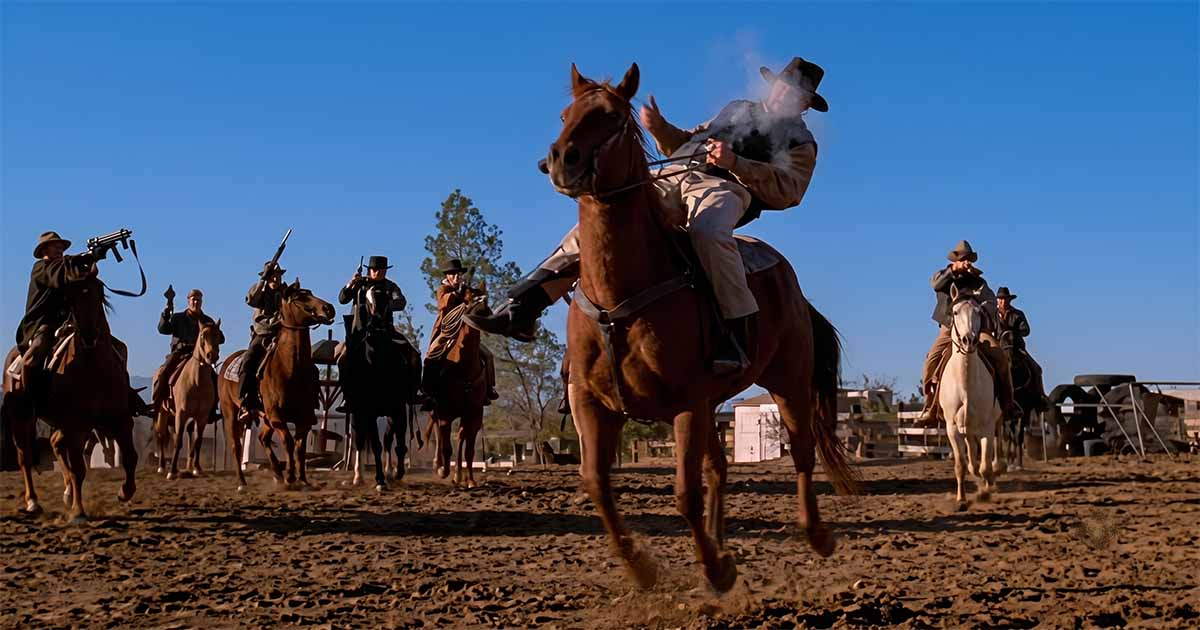
Why the Blend Endures
Many television series combine elements from different genres. Few achieve the seamless integration found in "Firefly." The show succeeds because Westerns and science fiction share common foundations. Both genres examine frontiers, explore the unknown, and place ordinary people in extraordinary circumstances.
More than twenty years after its debut, "Firefly" continues to attract new viewers because its themes remain timeless. Technology may change. The frontier may move from the prairie to the stars. Human nature, however, remains much the same.
That insight gives the series its lasting appeal. By combining the spirit of the American West with the vast possibilities of space travel, "Firefly" created a future that feels both imaginative and familiar. Few science fiction series have blended two traditions so effectively, and few have left such a memorable mark on the genre.