
Flash Gordon and the Birth of Space Adventure Cinema
Flash Gordon blasts off to Mars in the 1938 serial that thrilled Saturday matinee audiences. Discover how this pulp adventure helped shape the style and excitement of modern space epics.

This Week in Classic Science Fiction
On March 21, 1938, moviegoers watched a rocket blast toward the Red Planet when "Flash Gordon's Trip to Mars" premiered in theaters. The film was not a single feature, but a 15-chapter serial produced by Universal Pictures and shown in weekly installments.
In the late 1930s, these cliffhanger adventures were a staple of Saturday matinees. Audiences returned week after week to see how the hero escaped impossible danger.
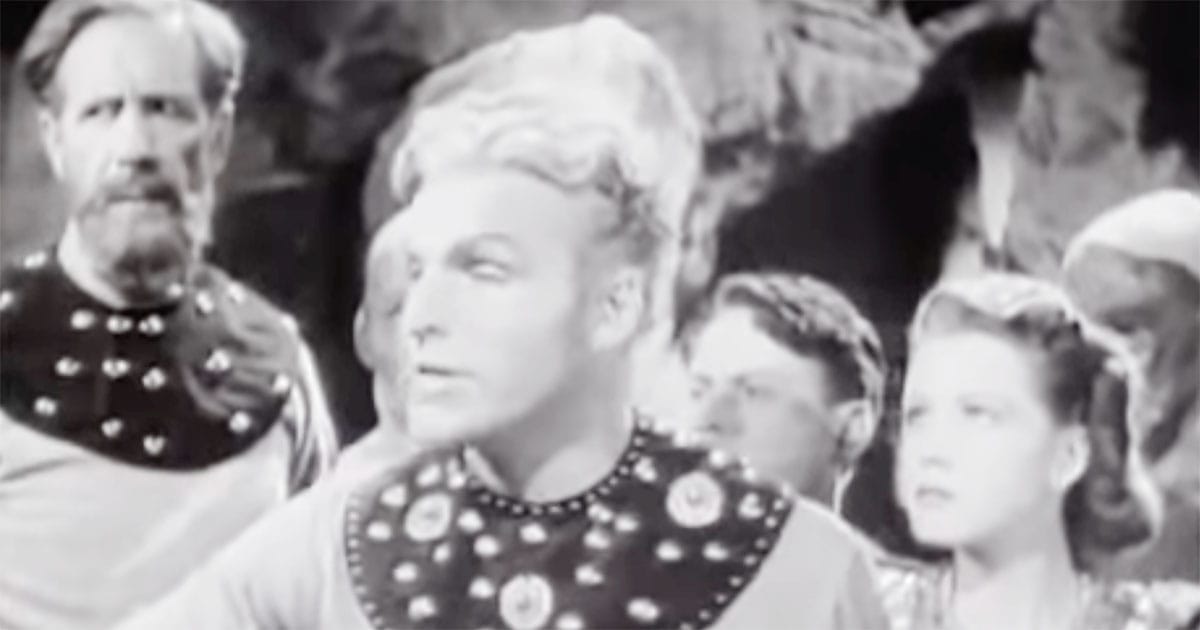
The serial starred Buster Crabbe as Flash Gordon, with Jean Rogers as Dale Arden and Frank Shannon as the brilliant Dr. Zarkov. This installment begins with a terrifying threat from space.
A mysterious weapon called the Purple Death strikes Earth from Mars, destroying cities and spreading panic. Zarkov traces the attack to the Martian kingdom of Queen Azura, and the trio launches a daring expedition to stop her.
On Mars, they encounter strange cities, enslaved "Clay People," and the looming return of Flash's greatest enemy, Ming the Merciless. The story mixes ray guns, rocket ships, and exotic alien worlds with the fast-paced heroics that defined pulp adventure.
Serials like this helped shape the visual language of science fiction cinema. Decades later, filmmakers like George Lucas would draw inspiration from the same cliffhanger thrills that once brought Flash Gordon racing across the stars.
Sponsored by: Green Lady Alien & Pet | గ్రీన్ లేడీ ఏలియన్ T-shirt

A touch of science fiction style for everyday life. The “Green Lady Alien & Pet” T-shirt features an elegant extraterrestrial figure and her mysterious companion in a striking retro design. Printed on a soft, lightweight cotton shirt, it brings a little interstellar flair to any wardrobe.
"Before Star Wars The Age of the Saturday Matinee Serial"
In the 1930s, a trip to the theater rarely meant watching only one film. A typical program included newsreels, cartoons, and short adventure chapters before the main feature. Audiences received several kinds of entertainment for the price of a single ticket.
These short adventure chapters were known as movie serials. Each week, a new installment continued the story from the previous episode. Viewers returned regularly to see how the hero survived the latest danger.
The format created a special bond between audiences and the theater. Moviegoers followed their favorite heroes for weeks at a time. The story grew chapter by chapter as the danger increased.
Science fiction soon joined this tradition. In 1938, theaters began showing "Flash Gordon's Trip to Mars," a thrilling adventure about a rocket voyage to stop a deadly threat from the Red Planet.
The Saturday Matinee Tradition
Movie serials played a special role in the culture of the neighborhood theater. Many young fans attended Saturday matinees where the newest chapter of an ongoing story awaited them. The excitement built from week to week as the story unfolded.
Each installment usually ran about twenty minutes. The chapter ended just as the hero faced an impossible situation. The following week revealed the surprising escape.
This structure created anticipation that lasted for months. Viewers discussed the latest chapter and wondered how the hero could possibly survive. The theater became a gathering place for shared excitement.
The serial format also encouraged imagination. The audience knew that danger waited in every chapter. That expectation helped make each new episode feel like an event.
A Rocket Trip to Mars
"Flash Gordon's Trip to Mars" continued the adventures of the popular comic strip hero created by Alex Raymond. Olympic swimmer Buster Crabbe returned as Flash Gordon, the brave explorer who never hesitated when danger appeared. Jean Rogers played Dale Arden, and Frank Shannon appeared as the determined scientist Dr. Zarkov.
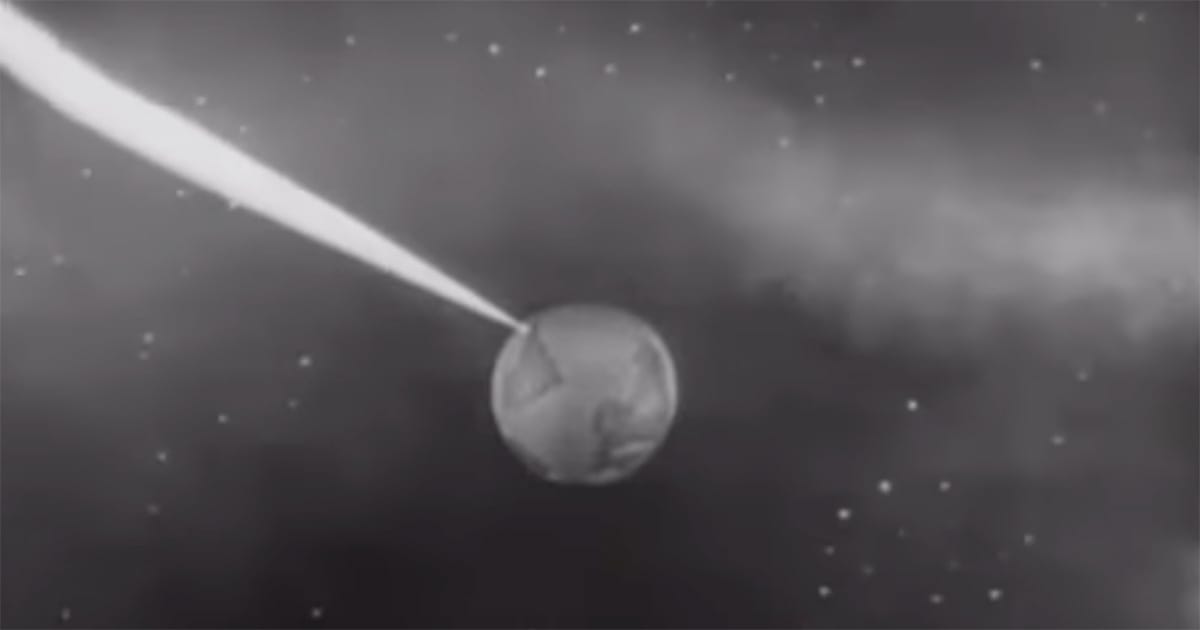
The story begins when a strange weapon strikes Earth from Mars. The destructive beam becomes known as the Purple Death. Cities fall into chaos as scientists struggle to understand the attack.
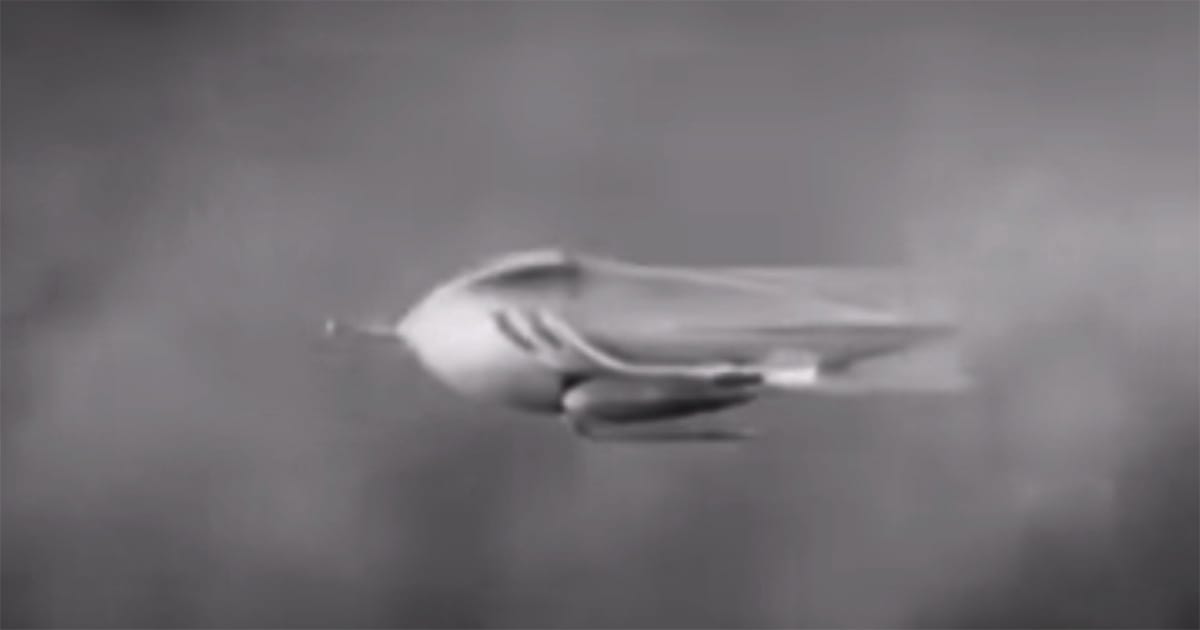
Dr. Zarkov traces the weapon to a mysterious civilization on Mars. He builds a rocket ship and launches an expedition with Flash and Dale. Their journey takes them across space to a world filled with strange dangers.
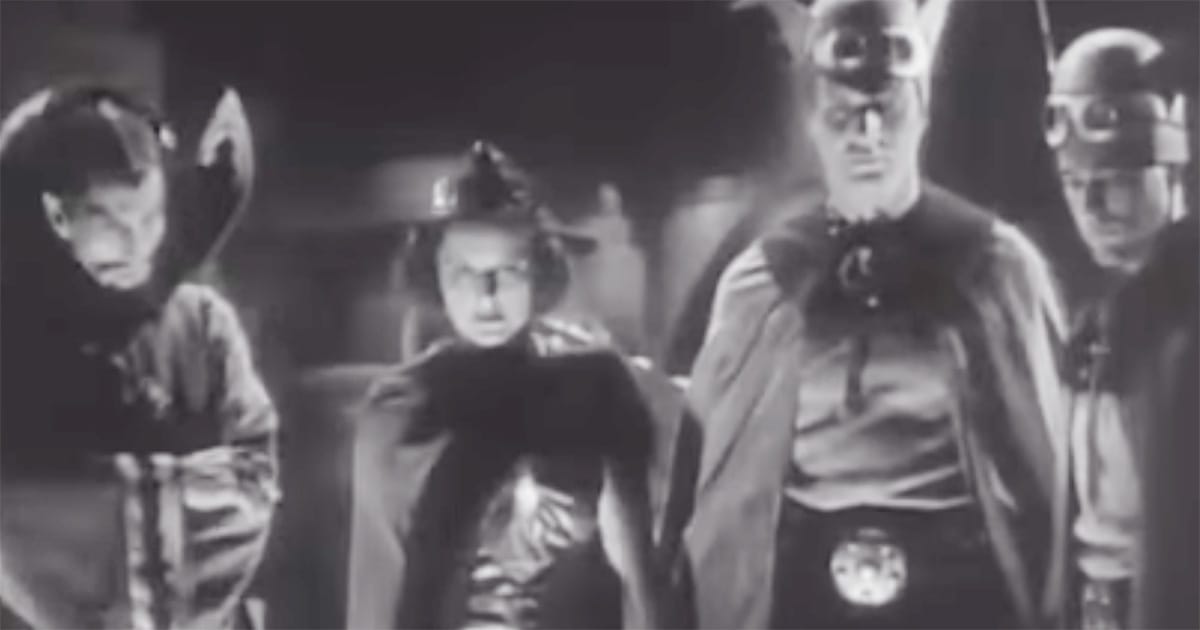
Once they arrive on Mars, they discover an unusual kingdom ruled by Queen Azura. The ruler commands silent servants known as the Clay People. Flash and his companions soon realize that stopping the Martian threat will require courage and persistence.
Cliffhangers That Kept Audiences Guessing
Suspense formed the backbone of every movie serial. Each chapter ended with the hero in what appeared to be certain death. The next episode then revealed how the hero escaped the situation.
These cliffhangers placed Flash in many dangerous moments. Rockets exploded, rooms filled with deadly gas, and ancient temples collapsed without warning. Each chapter pushed the danger a little further.
The audience understood that the hero would survive. The real question involved the method of escape. That puzzle kept viewers thinking about the story until the next chapter arrived.
This style of storytelling became one of the great traditions of adventure fiction. Cliffhangers appeared in novels, radio dramas, and television shows for decades afterward. The simple device proved remarkably powerful.
Imagining Worlds Beyond Earth
Mars offered the perfect setting for a science fiction adventure. The planet stood close enough to Earth to seem reachable. At the same time, it remained mysterious and largely unknown.
The serial used this mystery to create a strange alien society. Queen Azura ruled over her kingdom with strict authority. Her Clay People moved silently through the Martian city.
Later chapters also brought back Flash's old enemy, Ming the Merciless. The presence of this familiar villain added new tension to the story. Flash and his companions found themselves trapped between rival powers.
Even with simple sets and modest effects, the serial created memorable imagery. Rocket ships soared across the sky and strange machines filled the Martian palace. These images helped define how audiences imagined life beyond Earth.
The Road to Modern Space Adventure
The influence of these early serials continued long after the 1930s. Many young viewers who loved them later became writers and filmmakers. The excitement of those Saturday matinees remained in their memories.
George Lucas often spoke about the adventure serials he watched as a child. Their style helped inspire the storytelling approach behind "Star Wars." The connection becomes clear when the two forms of entertainment appear side by side.
Both rely on fast pacing and bold heroes. Both place the hero in constant danger while moving from one location to another. The spirit of adventure connects them across the decades.
The success of modern space adventure owes much to these early experiments. Flash Gordon helped introduce audiences to the thrill of traveling beyond Earth. Long before modern space sagas filled theaters, a fearless hero was already racing from one cliffhanger to the next.
"Flash Gordon’s Trip to Mars" Trivia
- The serial introduced Queen Azura. The Martian ruler and her enslaved Clay People became some of the most memorable elements of the Flash Gordon screen adventures.
- Ming the Merciless returns mid-story. Charles Middleton reprises the role of Flash Gordon's greatest enemy, bringing the villain back into the conflict on Mars.
- It was the second Flash Gordon serial. Universal produced it between "Flash Gordon" (1936) and "Flash Gordon Conquers the Universe" (1940).