
How Star Wars Sound Designer Ben Burtt Created R2-D2's Iconic Voice
Fans explore whether R2-D2’s beeps form a hidden language. Sound design, pattern recognition, and storytelling combine to give the iconic droid a voice audiences seem to understand instinctively.

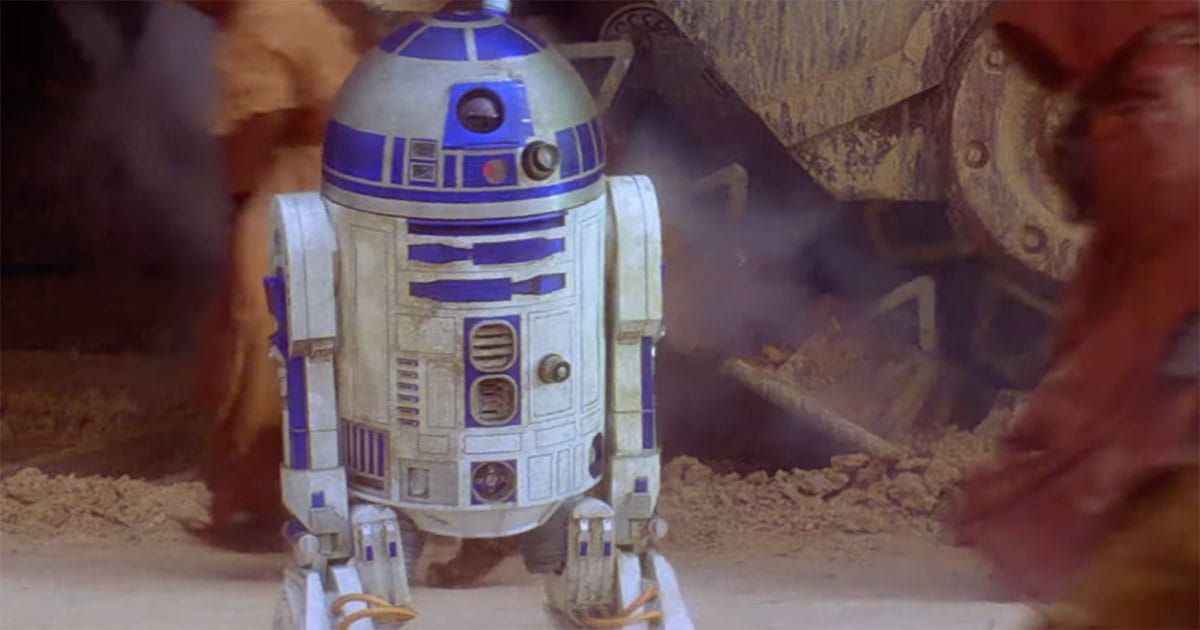
"The Secret Life of Beeps"
The Illusion of Machine Speech
There is a moment in "Star Wars" when R2-D2 lets out a sharp, indignant burst of sound, and the meaning lands with surprising clarity. No subtitles appear, yet the audience understands his complaint. That simple exchange has fueled a persistent idea. Some believe the droid's language carries a hidden source.
This theory suggests that R2-D2's beeps and whistles follow consistent patterns. According to its supporters, certain sounds repeat in similar situations, forming a kind of coded speech. It remains speculation, but it continues to attract attention because it aligns with what viewers already experience. The droid feels intelligible.
A Designer with an Ear for Meaning
The roots of that impression lead back to Ben Burtt, the sound designer behind "Star Wars." Burtt approached the task with unusual care. He avoided treating R2-D2 like a simple machine and instead gave him a voice with emotional texture.
Burtt blended electronic tones with altered human vocalizations, often using his own voice as raw material. This choice introduced subtle cues that resemble human speech patterns. Rising tones suggest curiosity, while abrupt bursts suggest alarm or irritation.
These consistencies give the illusion of structure. They encourage the listener to hear intention where there may only be design.
R2-D2 Hums in this one.
Pattern Seeking in the Audience
Fans who study R2-D2's sounds often claim to detect recurring "phrases." They point to moments across the films where similar sounds appear in related contexts. From this perspective, the droid communicates in a compressed system that characters within the story understand instinctively.
This interpretation reflects a familiar human tendency. The mind searches for patterns and assigns meaning to repetition. When a signal appears consistent, the brain begins to treat it as language.
In spite of the lack of any official translation, the effect feels convincing. The audience becomes a participant in the act of interpretation.
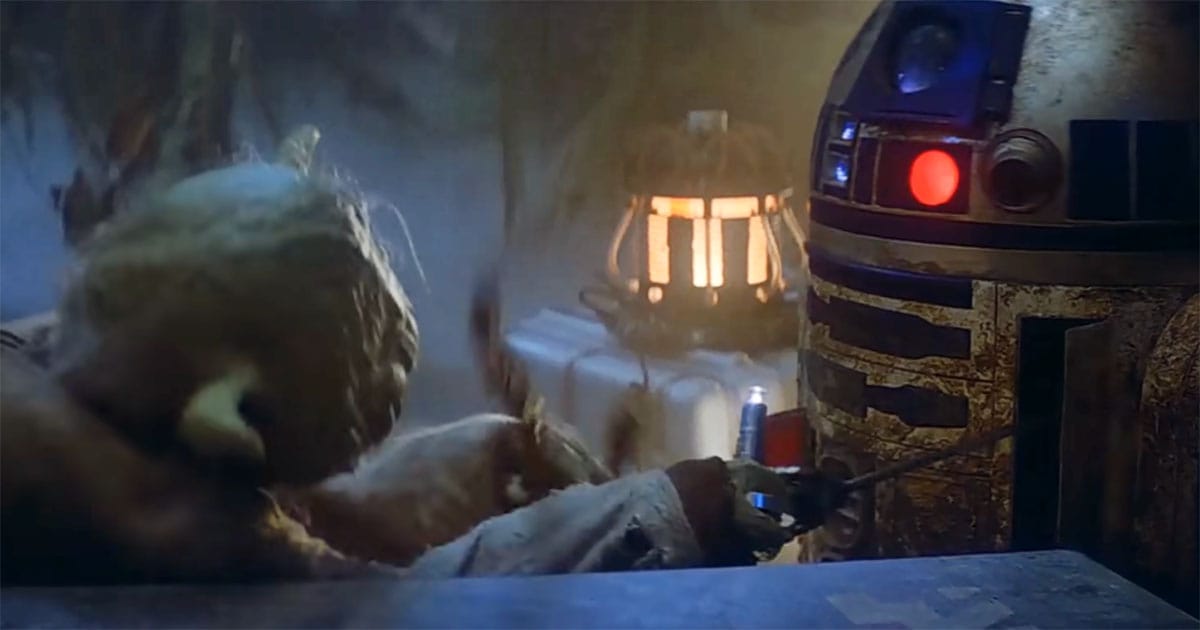
The Science Fiction Tradition
R2-D2 belongs to a long line of expressive machines in science fiction. These characters often blur the line between tool and companion. They speak in ways that are not fully human, yet not entirely alien.
Unlike the structured vocabulary of Klingon, R2-D2's communication operates on the basis of suggestion rather than grammar. It relies on tone, rhythm, and context. This makes it more accessible, even if it is less precise.
The result is a form of storytelling that invites engagement. The viewer does not decode a fixed system. He collaborates with the film to create meaning.
A Mystery Worth Keeping
The idea of a hidden source endures because it preserves a sense of discovery. If every sound were mapped to a specific word, the character might lose part of his charm. Ambiguity allows imagination to fill the gaps.
Burtt's design leaves room for interpretation without sacrificing clarity. R2-D2 communicates effectively while remaining just out of reach. That balance gives him a lasting presence in the genre.
In the end, the theory may say less about the droid and more about the audience. People hear language because they are ready to listen for it. That quiet partnership between creator and viewer helps explain why R2-D2 still speaks so clearly today.