
How The Six Million Dollar Man Grounded Science Fiction
How The Six Million Dollar Man made science fiction feel practical by grounding futuristic technology in everyday America, disciplined authority, and a working man hero audiences trusted.

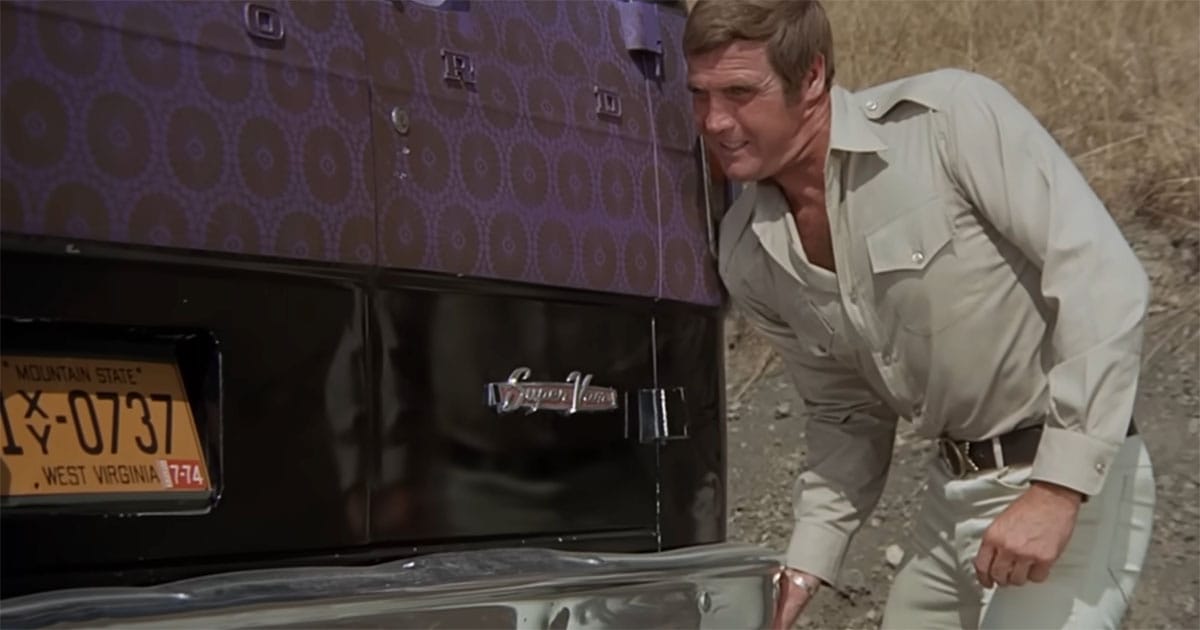
This Week in Classic Science Fiction
On January 18, 1974, The Six Million Dollar Man began its weekly run on American television. Earlier TV movies had tested the idea, but this is the moment when the show becomes a habit rather than a novelty. Viewers now follow Steve Austin not as a one-time experiment, but as a continuing presence in their living rooms.
The timing matters. Mid-1970s America is deeply interested in technology that feels practical rather than distant, and this series delivers exactly that. Rockets and starships give way to laboratories, crash sites, and government offices that look familiar. The future arrives quietly, bolted onto a test pilot instead of launched into orbit.
The show also establishes a new visual language for television science fiction. Slow motion turns superhuman action into something readable and almost instructional. The effect makes strength, speed, and perception feel earned rather than magical, which helps sell the illusion week after week.
By committing to a regular broadcast schedule, the series proves that science fiction can thrive without abandoning realism. January 18, 1974, marks the moment when speculative ideas about the human body and modern authority shift from special-event television into the steady rhythm of American life.
Sponsored by: Red Alien Moon Battle | Science Fiction T-shirt

Some science fiction ideas work best when they are left unexplained. The Red Alien Moon Battle t-shirt captures that tradition with bold imagery that feels pulled from a classic paperback cover. It is comfortable, striking, and designed for readers who appreciate science fiction that lets the picture do the storytelling.
Why The Six Million Dollar Man Made the Future Feel Practical
When "The Six Million Dollar Man" moved into its weekly broadcast slot in January 1974, it offered a kind of science fiction that felt unusually grounded.
At a time when much of the genre looks outward toward distant planets and abstract futures, this series turns inward. The future arrives through surgery, machinery, and disciplined authority rather than spectacle. That decision shapes how audiences understand its world and why it lasts.
The show does not ask viewers to imagine a radically altered society. Instead, it presents a future that looks almost identical to the present, with a few extraordinary modifications layered on top. This restraint makes the premise easier to accept. Science fiction becomes something that could plausibly exist just beyond the horizon of contemporary life.

A Future That Looks Like America
Most episodes take place in settings that look familiar to American audiences. Airfields, deserts, laboratories, and modest towns dominate the screen. These locations are recognizable and ordinary. They anchor the story in a world that already feels real.
This choice reduces the sense of distance that often separates viewers from speculative ideas. The audience does not need lengthy explanations to understand the environment. The world behaves according to known rules. Science fiction operates as an extension of everyday experience rather than a departure from it.
The familiar settings also soften anxiety about change. Technology appears within known spaces instead of replacing them. Progress looks incremental rather than disruptive. The future does not erase the present but builds quietly upon it.
Technology Treated Like Engineering
The bionic enhancements are portrayed as machines with limits. They must be tested, adjusted, and repaired. Malfunctions occur, and performance varies depending on conditions. This emphasis places the technology firmly in the realm of engineering.

Cost reinforces this approach. The title itself highlights expense as a defining feature. The price tag implies oversight and constraint. Power is valuable precisely because it is limited and monitored.
This framing separates the series from fantasy-driven heroism. Abilities are not gifts or accidents. They are constructed, maintained, and regulated. Viewers are invited to believe in the technology because it behaves like technology they already understand.
The show also stresses dependence on specialists. Doctors, technicians, and administrators remain essential. Advancement does not eliminate human expertise. Instead, it increases the need for coordination and responsibility.
An Enhanced Working Man
Steve Austin remains a working professional after his reconstruction. He reports for duty, receives assignments, and follows orders. His abilities change, but his role within society does not. That continuity reassures viewers that progress does not erase identity.
The series presents enhancement as a tool rather than a transformation of character. Austin's values, discipline, and temperament remain intact. Technology improves performance without redefining purpose. The man remains recognizable even as his capabilities expand.
This portrayal aligns with a practical vision of the future. Advancement enhances existing roles rather than creating new kinds of beings. The future builds on what already works. Human nature remains steady even as tools improve.

Order, Authority, and the Manageable Future
Institutional authority frames nearly every mission. Government offices and administrators provide structure and legitimacy. Science is depicted as organized and supervised. Progress unfolds within established boundaries.
This emphasis reflects a broader desire for order during a period of rapid technological change. Audiences see reassurance in systems that manage advancement responsibly. The future feels controlled rather than chaotic.
Visual storytelling supports this sense of order. Slow-motion sequences allow enhanced actions to be seen clearly. Strength and speed are displayed as processes rather than mysteries. Power becomes something observable and understandable.
The technique also invites repeated viewing. Audiences learn how enhancement works through familiarity. The extraordinary becomes routine. Science fiction settles into weekly life instead of remaining a special event.
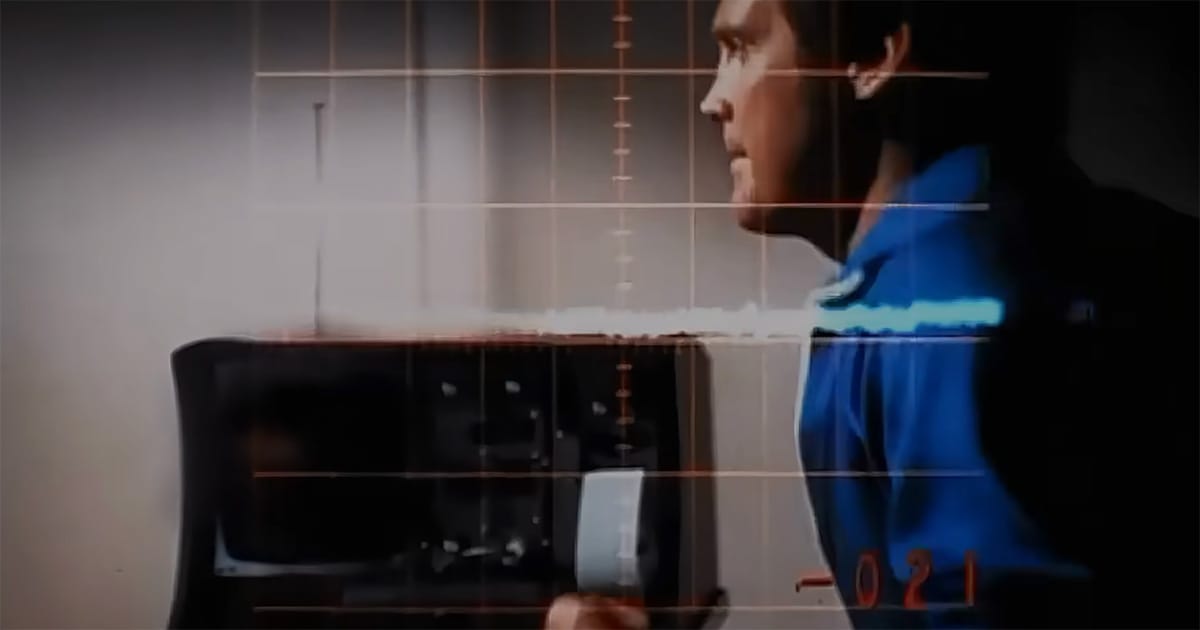
By January 18, 1974, this vision becomes part of the television landscape. The series stops being an experiment and becomes a fixture. Its ideas gain credibility through repetition. What once seemed speculative begins to feel normal.
The show's lasting appeal lies in its restraint. It neither fears technology nor glorifies it. Progress is presented as useful, costly, and supervised. The future arrives quietly and responsibly.
That balance explains why the series endures. Viewers can imagine themselves living alongside its technology. Science fiction becomes less about escape and more about anticipation. Tomorrow feels practical, familiar, and close at hand.
The Six Million Dollar Man Trivia
- The Six Million Dollar Man began as three television movies in 1973 before becoming a weekly series in January 1974.
- The show's slow-motion action sequences help viewers understand bionic strength and speed rather than simply accept them.
- The six million dollar price tag reinforces the idea that advanced power is expensive, limited, and supervised.