
Jedi Council vs Jedi Order Explained in “Star Wars” Lore
Learn the difference between the Jedi Council and the Jedi Order in Star Wars, how each functions, who holds power, and why their structure shapes the rise and fall of the Jedi.

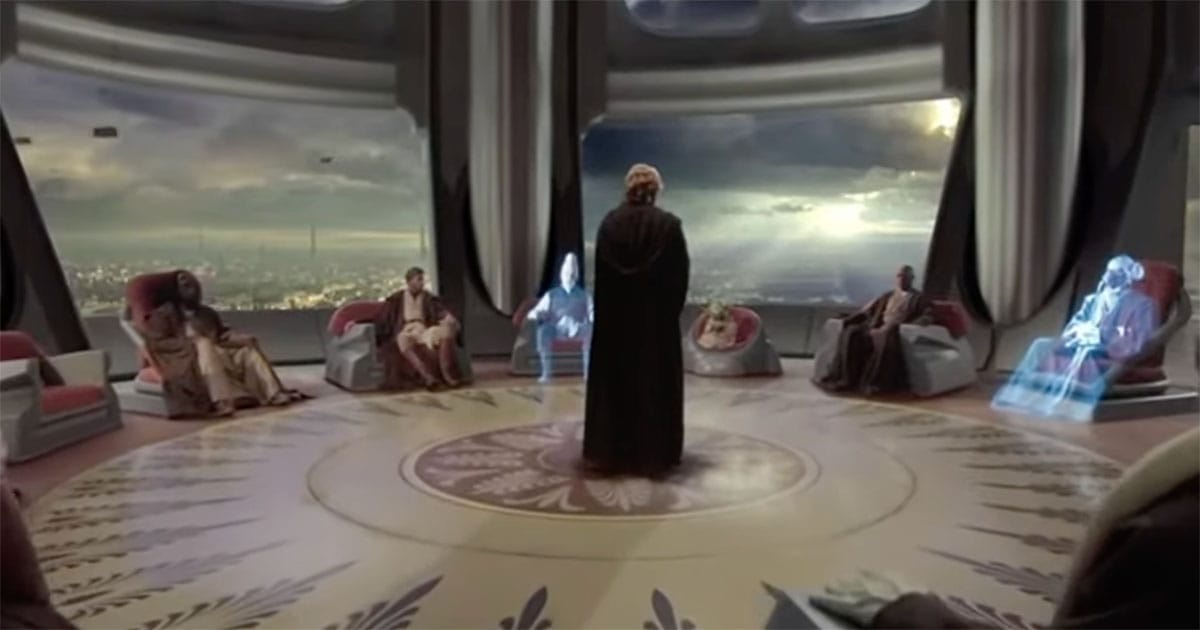
In "Star Wars," the Jedi are often treated as a single authority. The films and series, however, present two distinct layers within Jedi society. These layers shape how the Jedi operate, make decisions, and ultimately fail.
The difference between the Jedi Council and the Jedi Order is structural rather than philosophical. One represents the whole institution, while the other represents its leadership.
The Jedi Order as an Institution
The Jedi Order refers to the entire Jedi tradition. It includes every Jedi across all ranks, eras, and assignments.
The Order also includes its teachings, customs, training methods, and physical centers, such as temples and archives. These elements give the Jedi continuity across centuries.
At its core, the Jedi Order functions as a moral discipline. Its purpose is to shape individuals who can wield the Force responsibly in service of peace.
Life Within the Order
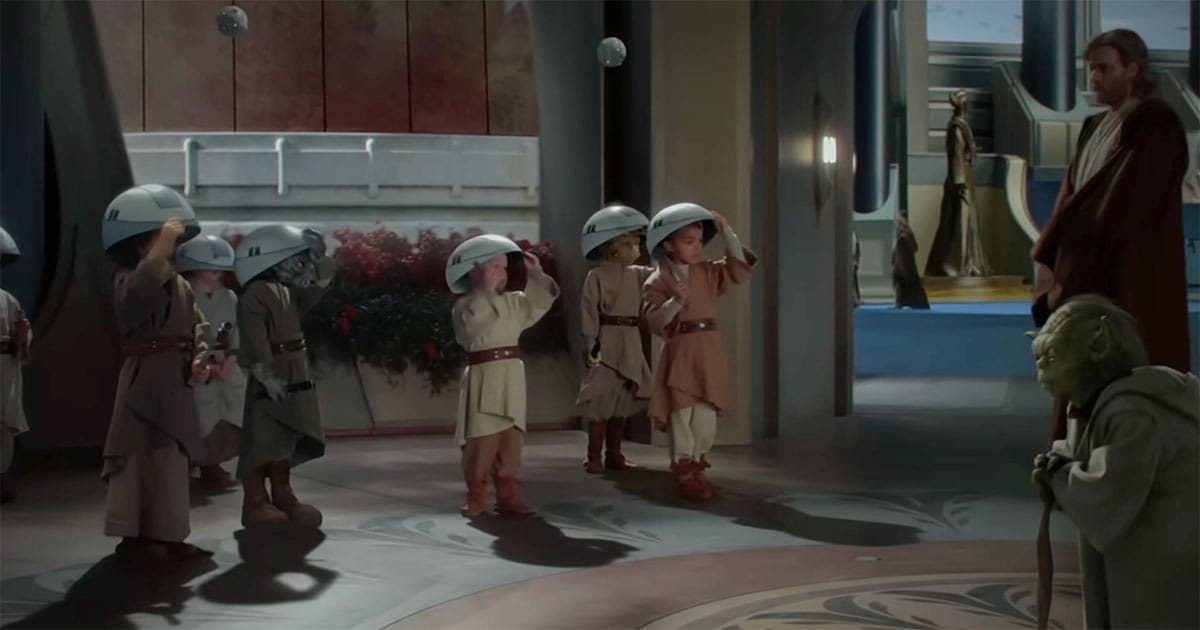
Most Jedi live far from the centers of power. They serve on distant worlds as mediators, investigators, scholars, and guardians.
Daily life within the Order emphasizes restraint, obedience, and emotional control. Personal ambition remains subordinate to the needs of the institution.
The Order resembles a monastic brotherhood blended with a knightly tradition. Its strength comes from shared belief rather than centralized command.

The Jedi Council Defined
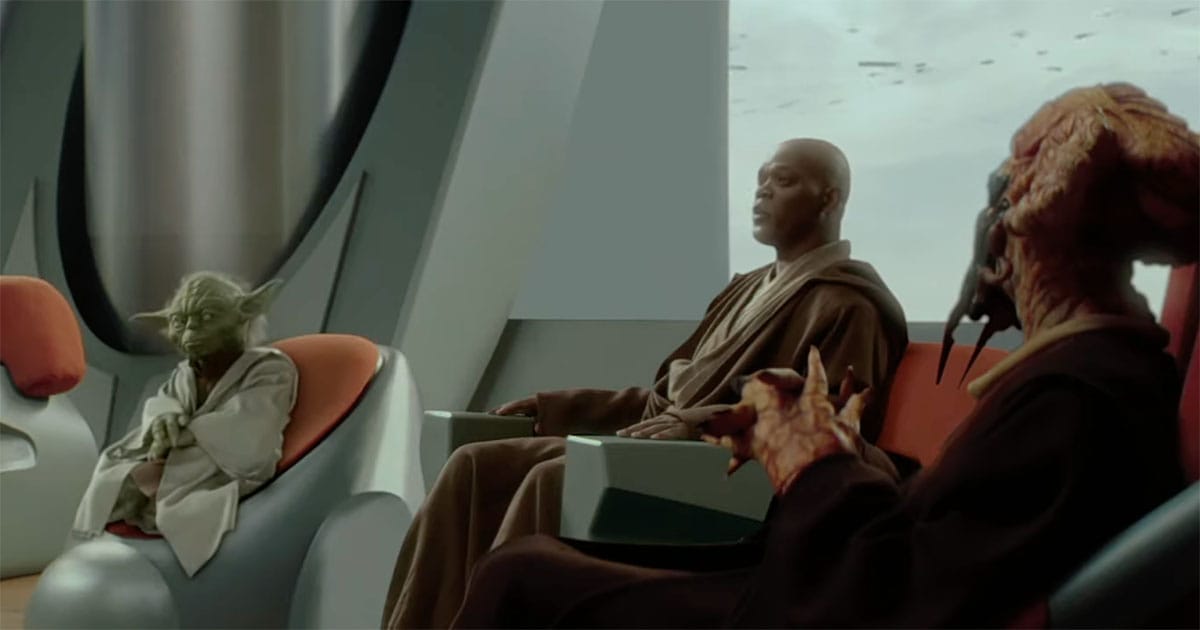
The Jedi Council serves as the ruling authority of the Jedi Order. It consists of a small number of senior Jedi Masters.
Council members are chosen for experience, judgment, and mastery of the Force. Their role centers on governance rather than field service.
The Council sets policy and interprets Jedi doctrine. It also oversees training standards, promotions, and disciplinary actions.
Authority and Responsibility
The Council speaks for the Jedi Order in its dealings with the Galactic Republic. This position gives it political influence as well as moral responsibility.
While powerful, the Council does not represent the daily experiences of most Jedi. Its authority flows downward through hierarchy and tradition.
This separation creates Order and stability. It also limits feedback from the wider membership.
Physical and Cultural Distance
The Jedi Council operates primarily from the Jedi Temple on Coruscant. This location places leadership at the heart of the Republic.
Most Jedi, by contrast, work far from Coruscant. Their realities often differ sharply from the concerns of the Council.
Over time, this distance grows more pronounced. Leadership becomes insulated from the consequences of its decisions.
Structural Differences
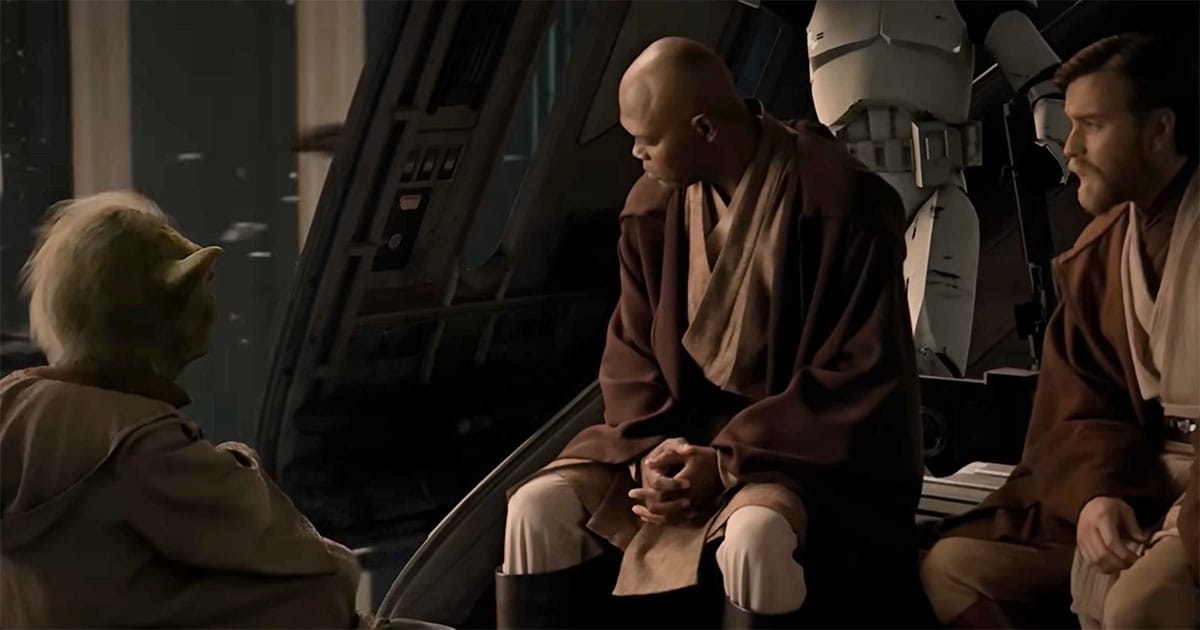
The Jedi Order is expansive in size and scope. It functions as a culture, a belief system, and a living tradition.
The Jedi Council is narrow by design. It exists to manage, regulate, and preserve that tradition.
One embodies continuity and faith. The other embodies authority and control.
Narrative Role in "Star Wars"
This division allows "Star Wars" to explore a classic science fiction theme. Institutions can lose clarity when leadership grows detached.
The Jedi Order retains noble ideals even as its leadership becomes cautious and procedural. The Council prioritizes stability in a time that demands insight.
The fall of the Jedi emerges from this imbalance. Power remains, but wisdom erodes.
Historical Context Within the Saga
During the final years of the Republic, the Council became closely aligned with political authority. This alignment compromises its independence.
The wider Order follows the Council out of loyalty and discipline. Questioning leadership becomes rare.
This dynamic leaves the Jedi vulnerable to manipulation. Their structure works against them when flexibility matters most.
Summary
The Jedi Order includes all Jedi and the traditions that define them. The Jedi Council governs that Order through concentrated leadership.
All Council members belong to the Order, but almost no Jedi serve on the Council. This imbalance shapes the institution's destiny.
In classic science fiction fashion, "Star Wars" presents the Jedi as a warning. Even noble orders depend on wise and grounded leadership to endure.