
Laughing at the Cosmos in "The Hitchhiker’s Guide to the Galaxy"
A sharp review of "The Hitchhiker’s Guide to the Galaxy" exploring its humor, satire, and lasting impact on science fiction, and why Douglas Adams’ comic vision still matters today.

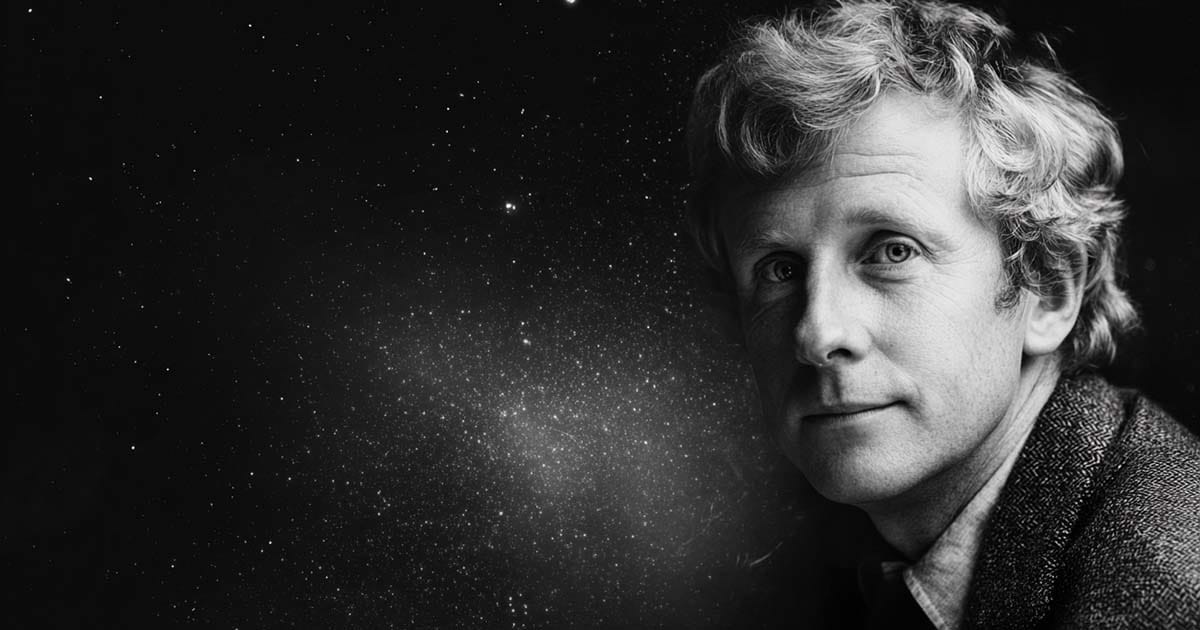
A Comic Shock to the System
When "The Hitchhiker's Guide to the Galaxy" appeared in 1979, it entered a science fiction field largely defined by gravity and grandeur. The decade had delivered massive cinematic spectacle and sober literary speculation. Space was treated with reverence. Technology was presented as destiny. Douglas Adams approached that landscape with a grin.
The novel grew out of a BBC radio series first broadcast in 1978. Its migration from audio comedy to printed page proved unusually seamless. Adams preserved the timing, reversals, and dry understatement that radio demands, yet he expanded the canvas to interstellar scale. The result was not a novelty adaptation, but a fully realized work of comic science fiction.
At the time, much of the genre leaned toward the epic and the monumental. Writers explored artificial intelligence, galactic empires, and cosmic transcendence with straight faces and high stakes. Adams did not reject those big ideas. He simply filtered them through absurdity.
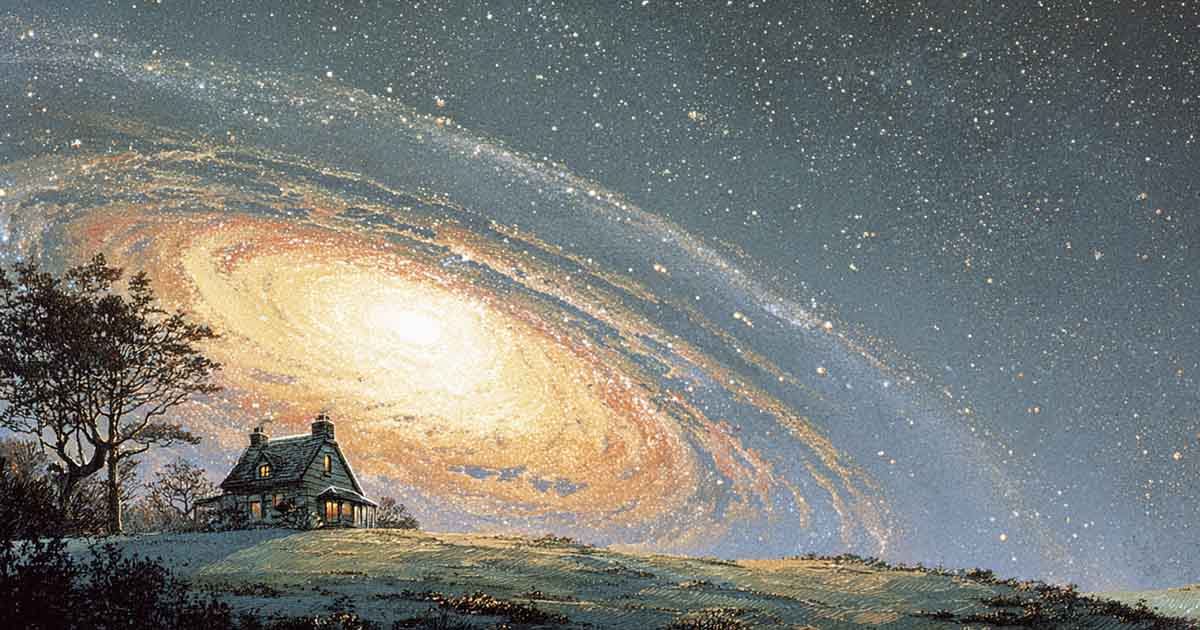
Planets are destroyed in paperwork mix-ups. Galactic leaders behave like reckless schoolboys. Supercomputers deliver answers that raise more confusion than clarity. In lesser hands, this approach might have reduced science fiction to parody. Instead, Adams demonstrated that comedy could expand the genre rather than diminish it.
Readers responded quickly. The book became a bestseller within months, finding an audience well beyond radio fans.
Word of mouth carried it across the Atlantic, where American readers embraced its wit and philosophical mischief. In spite of its playful tone, it asked questions about knowledge, power, and human significance that serious fiction had wrestled with for decades.
"The Hitchhiker’s Guide to the Galaxy" challenged prevailing expectations without abandoning intellectual ambition. It proved that a novel could mock the cosmos and still take it seriously. That balance explains why the book endures long after many solemn space epics have faded from view.
The Everyman in an Unreasonable Universe
At the center of "The Hitchhiker’s Guide to the Galaxy" stands Arthur Dent, an unremarkable Englishman with modest expectations. He is not a scientist, soldier, or visionary.
He wants his home intact, his routines undisturbed, and a proper cup of tea. Adams builds the novel's emotional footing on this ordinary foundation.
Arthur's small concerns collide almost immediately with events of staggering scale. Interstellar travel, alien civilizations, and cosmic revelations intrude upon a man who struggles simply to keep his balance. The humor grows from that imbalance. The universe expands, but Arthur's perspective remains stubbornly human.

The supporting cast operates less as psychological case studies and more as sharpened archetypes. Each companion embodies a trait carried to comic extreme.
Confidence becomes recklessness, intelligence becomes despair, and political authority becomes farce. These figures orbit Arthur like exaggerated reflections of modern society.
Adams does not construct the novel around a traditional heroic arc. The narrative unfolds in episodes that feel loosely connected, driven more by circumstance than destiny. Events occur with startling unpredictability. Resolution rarely arrives in tidy form.
This structural looseness is not carelessness. It mirrors the worldview the book presents. Life does not follow a clean blueprint, and neither does Arthur's journey.
By resisting rigid plotting, Adams reinforces the sense that existence is improvisational. Characters react rather than command. The result is a story that feels less like a march toward triumph and more like a series of encounters in an unpredictable universe.
Satire with Teeth
Beneath the humor of "The Hitchhiker’s Guide to the Galaxy" lies a pointed satire of modern systems. Adams turns bureaucracy into a cosmic principle.
Decisions that reshape entire worlds emerge from routine procedure rather than malice. The joke lands because it feels familiar.
The novel questions confidence in large institutions. Authority figures speak in official language while ignoring individual consequence. Systems operate efficiently, yet wisdom is nowhere to be seen. Adams suggests that scale often magnifies absurdity rather than solving it.
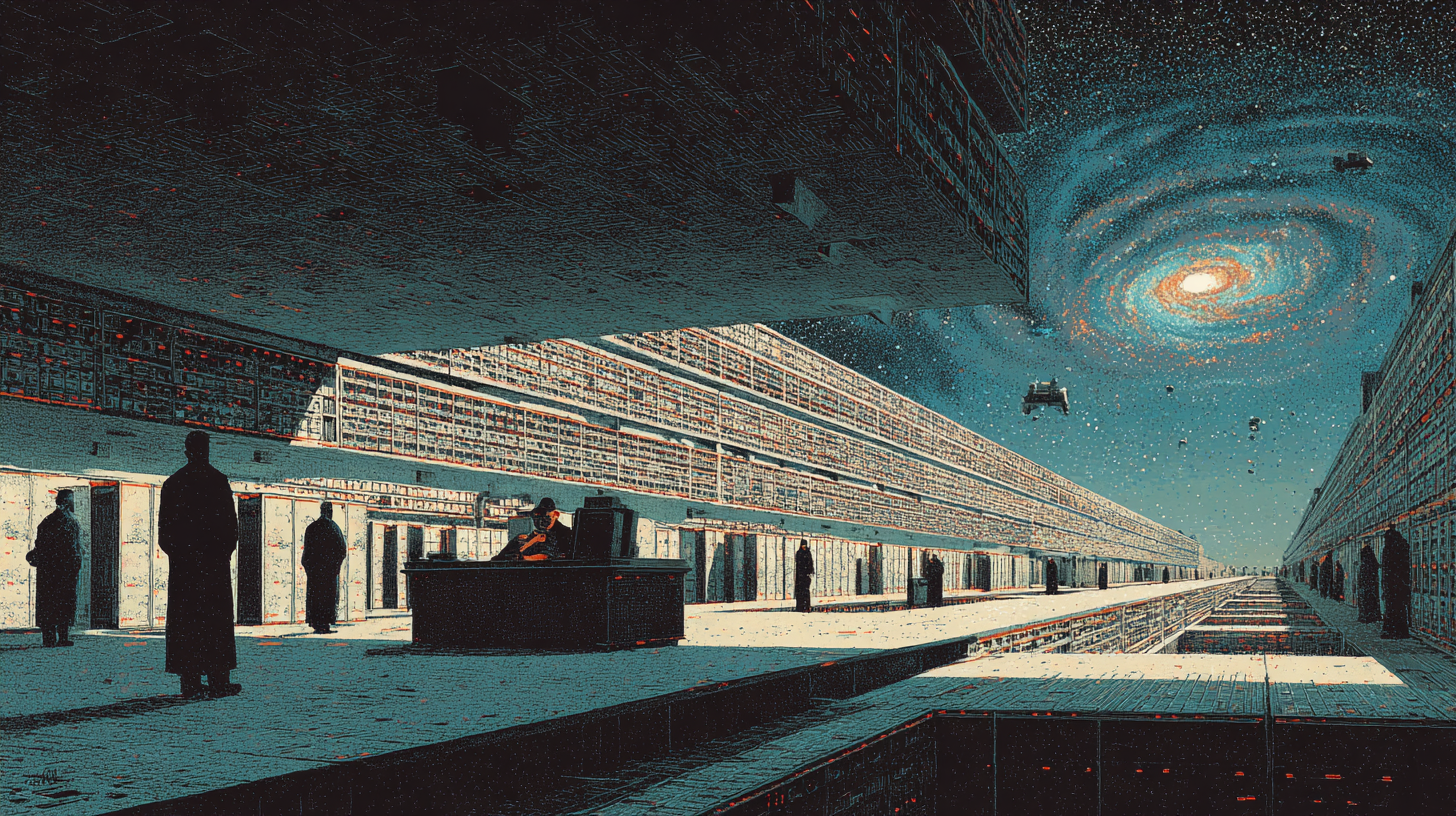
Technology receives similar scrutiny. Machines in the novel perform extraordinary calculations and manage vast operations. Yet their outputs rarely provide clarity. Information increases, but understanding does not.
The book's most famous intellectual puzzle revolves around the search for ultimate meaning.
Adams treats this pursuit with dry restraint rather than grand revelation. The desire for a final, tidy explanation is exposed as both noble and misguided. The reader senses that the problem may lie less in the answer than in the question itself.
This approach does not descend into cynicism. Adams does not argue that life lacks meaning. He argues that human beings often seek it in the wrong places.
Absurdity becomes a tool for humility. When characters confront events beyond their control, they must abandon pride and adapt. In that adjustment lies the novel's quiet moral thread. Man remains small in the universe, yet he retains his capacity for curiosity and resilience.
The comedy sharpens these ideas rather than softening them. Laughter lowers defenses and invites reflection. Adams uses wit to examine human overconfidence, misplaced trust in systems, and the persistent longing for certainty.
In spite of its playful surface, the novel presents a serious meditation on knowledge and limitation. It respects science while warning against intellectual arrogance. That balance gives the satire its bite and ensures the book resonates long after the jokes are told.
Style, Craft, and Comic Engineering
Douglas Adams writes with clarity and control. His sentences are direct, rarely ornate, and carefully timed. The humor emerges from precision rather than excess. Each line builds toward a turn that feels both surprising and inevitable.
The novel's roots in radio shape its rhythm. Scenes move briskly. Dialogue carries much of the momentum. Exposition arrives in compact bursts that never linger too long.
One of the book's most distinctive devices is the inclusion of excerpts from the fictional reference work that gives the story its title. These brief entries interrupt the narrative at strategic moments.
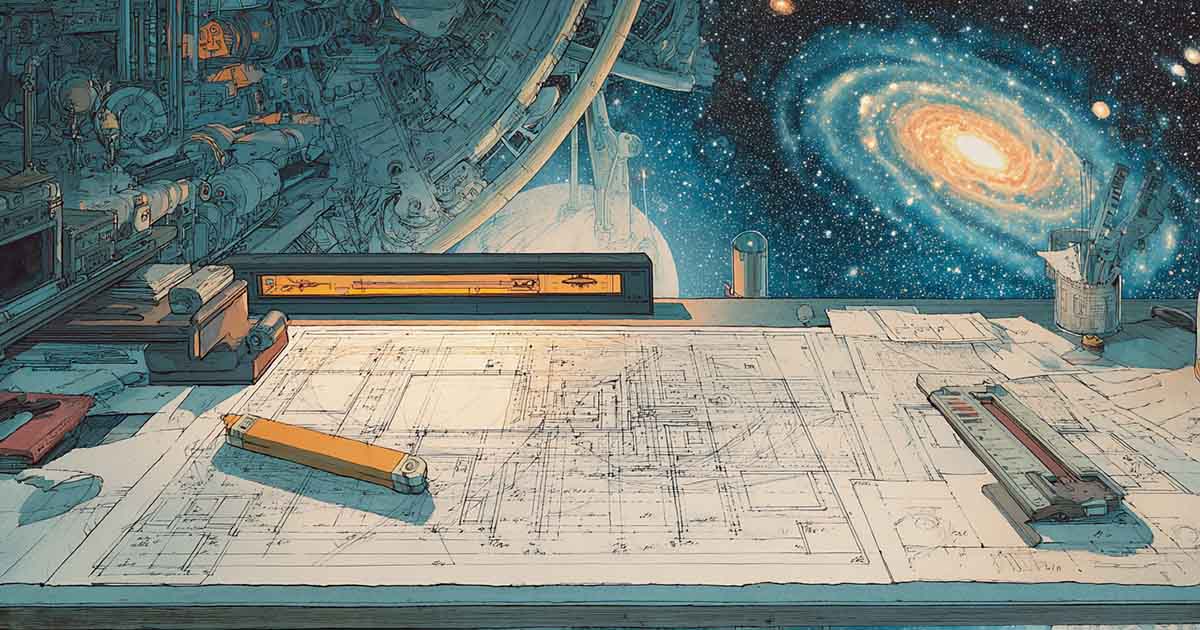
They widen the scope of the universe while sharpening the joke at hand. The device allows Adams to shift perspective without losing narrative control.
Adams relies on logical inversion as a primary comic tool. Expectations are set up and then calmly overturned. Grand scientific achievements lead to trivial complications. Impressive titles conceal shallow competence.
The prose avoids clutter. Adams trusts the reader to follow the turn of thought. He does not belabor the punchline.
Despite the apparent chaos of events, the craft remains disciplined. Scenes escalate with intention. Repetition is used sparingly and always for effect.
The comedy endures because it rests on structure rather than topical reference. The jokes do not depend on fleeting trends. They spring from human habits and institutional behavior that change very little over time.
This engineering gives the novel durability. Readers return not only for the laughs, but for the satisfaction of watching a skilled writer construct absurdity with careful hands.
A Guide Worth Carrying
"The Hitchhiker’s Guide to the Galaxy" earns its reputation not merely as a comic diversion, but as a durable work of speculative fiction.
It entertains freely while also examining enduring questions about knowledge, authority, and human limitation.
Adams refuses to treat the universe as either wholly tragic or wholly triumphant. He presents it as vast, puzzling, and frequently ridiculous.

The novel's staying power rests on that balance. Readers laugh at malfunctioning systems and inflated egos, but they also recognize their own habits in the satire. The story affirms curiosity while cautioning against pride. It suggests that humility may be the most rational response to immensity.
Its influence on later comic science fiction is unmistakable. Writers learned that grand ideas need not be delivered with solemn expression. Humor could carry intellectual weight. Wit could illuminate rather than distract.
For mature readers who have watched institutions grow larger and technology more complex, the book feels remarkably current. It reminds a man that competence and wisdom are not identical. It encourages him to approach sweeping claims with calm skepticism.
The novel rewards rereading because its insights sit beneath the surface of its jokes. A younger reader may delight in the absurd turns of plot. An older reader may notice the steady critique of human overconfidence.
"The Hitchhiker’s Guide to the Galaxy" remains a classic because it does two things at once. It entertains with sharp comic invention, and it quietly argues for perspective. In a genre often drawn to spectacle and certainty, Adams offers something rarer. He offers laughter anchored to truth.