
Leonard Nimoy’s Enduring Science Fiction Legacy
Leonard Nimoy’s career extended far beyond a single iconic role, influencing science fiction through performance, direction, voice, and symbolism, leaving a lasting imprint on the genre’s history and identity.

This Week in Classic Science Fiction
Leonard Nimoy's passing on February 27, 2015, marked a defining moment in the history of televised science fiction. For many viewers, the news carried the weight of a personal memory rather than distant celebrity reporting.
Nimoy had long occupied a rare space where performer and character became nearly inseparable. His presence had shaped how generations understood the tone and ambition of classic "Star Trek."
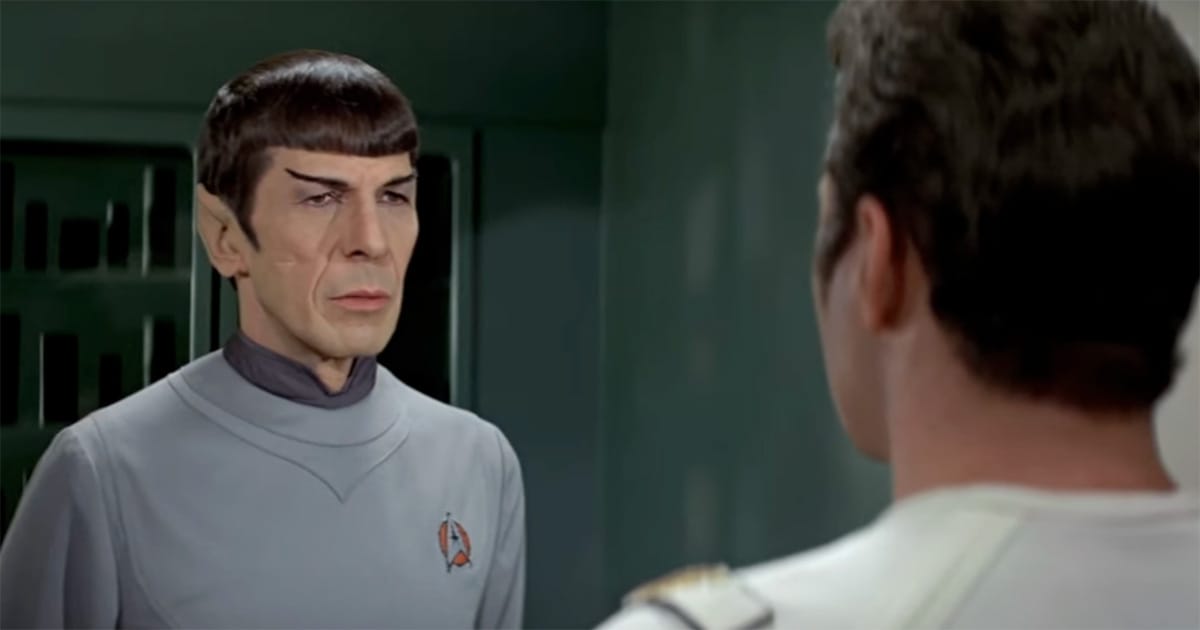
Nimoy's portrayal of Spock helped establish a different kind of science fiction hero. The character valued logic, restraint, and intellectual curiosity at a time when television often favored simpler archetypes. Audiences responded to that calm authority and quiet moral seriousness. Over decades of reruns, films, and cultural references, Spock became a durable figure of thoughtfulness and self-command.
In the days surrounding his death, Nimoy's final public message drew particular attention. The reflection compared life to a garden and emphasized the permanence of memory. The language felt consistent with the measured voice audiences associated with him. It resonated not as performance, but as a graceful farewell.
The response to Nimoy's passing revealed the breadth of his cultural influence. Tributes came from actors, writers, scientists, and institutions rarely linked to television nostalgia. Admirers emphasized inspiration, curiosity, and dignity. His legacy continues to live comfortably within the enduring imagination of classic science fiction.
Sponsored by:Captain Claw Science Fiction Cat T-shirt

Captain Claw belongs to a long tradition of science fiction rogues, the charming drifter who survives by wit, nerve, and a little luck. The design captures that familiar archetype with humor rather than parody. A spacefaring cat armed with confidence and attitude feels perfectly at home in classic genre storytelling. The shirt works as a quiet nod to readers who appreciate pulp adventure energy and lighthearted cosmic mischief.
Leonard Nimoy’s Enduring Science Fiction Legacy
Leonard Nimoy occupies a rare position in science fiction history. Many actors become associated with popular roles, yet few remain central to a genre across multiple generations.
Nimoy's career reveals a pattern of steady contribution rather than isolated success. His influence developed through performance, direction, voice, and cultural symbolism.

Beyond a Single Character
Spock provided the foundation of Nimoy's public identity, yet that association only begins the story. The character's popularity created opportunities that Nimoy repeatedly redirected back into science fiction itself.
Instead of distancing himself from the role, he refined and expanded its meaning over decades. This continuity helped stabilize the cultural memory of classic "Star Trek.”
Spock's significance rested on more than visual distinction or dialogue. The performance introduced intellectual tension into mainstream television at a time when action and spectacle dominated. Nimoy's restraint, cadence, and physical precision made logic dramatically compelling. The result altered expectations for what science fiction characters could represent.
A Familiar Presence Across the Genre
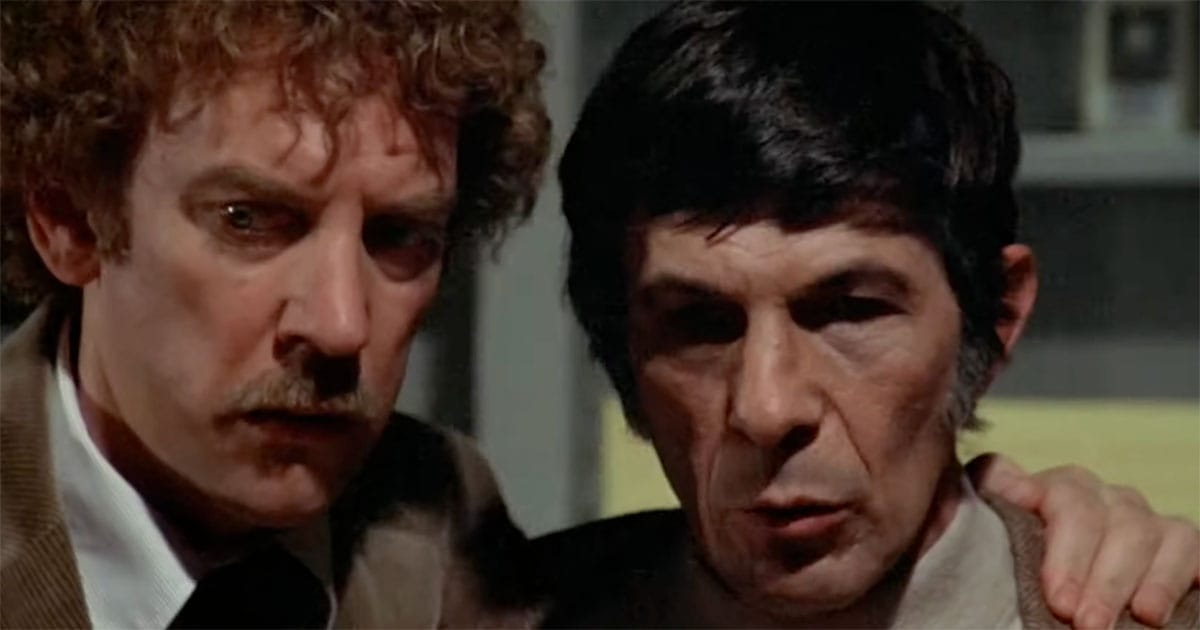
Nimoy's broader acting work reinforced his connection to speculative storytelling. Appearances in films like "Invasion of the Body Snatchers" placed him within science fiction's evolving cinematic landscape.
Later roles continued this pattern, often casting him as figures defined by authority or ambiguity. These performances carried echoes of Spock without repeating him.
His role in "Fringe" offered a particularly revealing example. Nimoy portrayed William Bell, a character positioned at the intersection of science, ethics, and uncertainty.
The casting functioned almost like a dialogue with his earlier work. Audiences encountered a familiar intellectual presence within a modern narrative framework.
Such appearances mattered because they bridged eras of science fiction. Nimoy became a connective figure linking classic television, late twentieth century cinema, and contemporary genre storytelling.
This continuity reinforced the sense that science fiction possessed its own enduring lineage. Few performers achieved that degree of cross generational relevance.
The Director's Hand
Nimoy's transition into directing expanded his influence beyond performance. "Star Trek III The Search for Spock" demonstrated an understanding of character driven storytelling rarely emphasized in franchise cinema of the period. The film centered on emotional consequences and loyalty, themes that deepened audience investment. Nimoy's direction favored clarity and narrative coherence.
"Star Trek IV: The Voyage Home" further illustrated this sensibility. Humor and accessibility became structural elements rather than tonal deviations. The film broadened the series's appeal while preserving its intellectual core. Nimoy's creative decisions revealed a sophisticated grasp of audience psychology.
Directing allowed Nimoy to shape science fiction's narrative voice. He influenced pacing, thematic emphasis, and emotional balance within stories already embedded in popular culture.
This role positioned him as an architect of genre experience rather than solely an interpreter. His work behind the camera carried lasting implications for franchise storytelling.

Voice and Authority
Nimoy's voice became one of his most distinctive contributions. The measured delivery and controlled rhythm conveyed authority without theatrical excess.
Narration work and documentary appearances extended this presence beyond fictional roles. Audiences associated his vocal tone with reasoned reflection and credibility.
Voice in science fiction carries unusual importance. The genre often relies on exposition, speculation, and conceptual explanation. Nimoy's delivery made abstract ideas feel grounded and intelligible. This capacity strengthened the persuasive power of many productions in which he participated.
His vocal presence also reinforced the intellectual identity cultivated through Spock.
The connection between voice and persona created a consistent cultural signal. Nimoy's participation suggested seriousness, curiosity, and measured thought. These associations enhanced the perceived legitimacy of genre narratives.

Symbol and Gesture
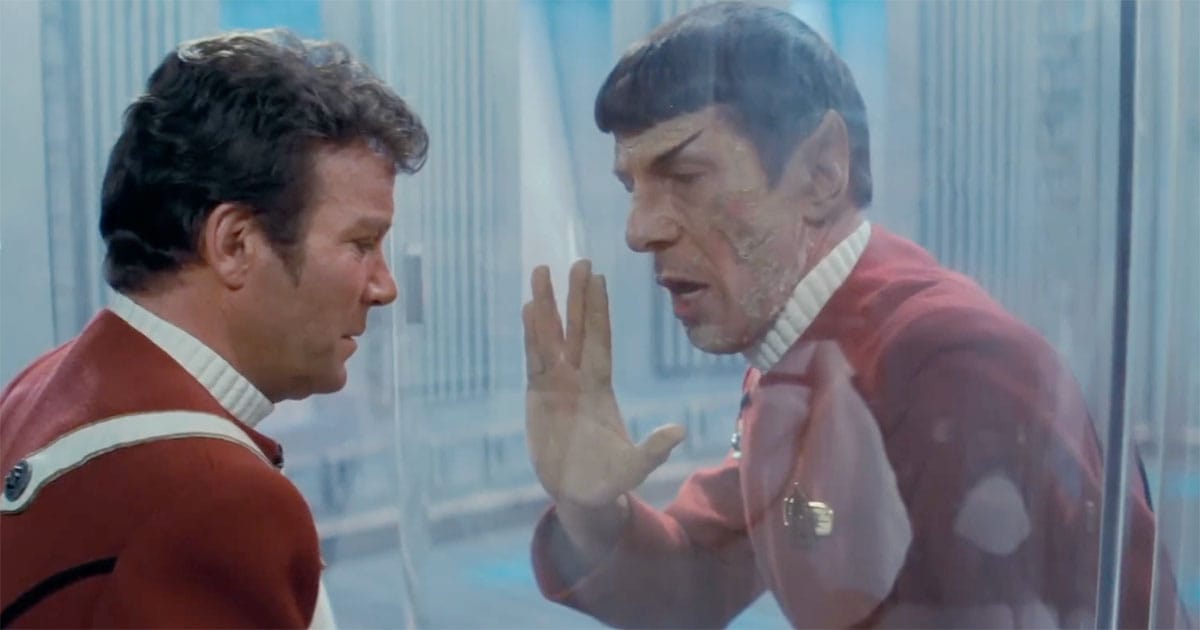
The Vulcan salute represents another enduring element of Nimoy's legacy. A simple hand gesture evolved into a universal emblem of science fiction culture. Symbols of this kind rarely emerge intentionally. They acquire meaning through repetition, recognition, and emotional association.
The salute functioned as more than a reference to a fictional civilization. It expressed ideals of respect, longevity, and mutual regard. Nimoy's embodiment of the gesture granted it authenticity and warmth. Over time, the symbol transcended its narrative origins.
Science fiction depends heavily on shared visual language. Costumes, ships, and technologies often dominate this space. Nimoy contributed a human symbol that required no elaborate production design. Its durability reflects the power of performance driven mythology.
Durability of Influence
Nimoy's contributions persist because they align with enduring genre values. Science fiction repeatedly returns to questions of reason, ethics, and identity. Nimoy's work consistently reinforced these themes without overt didacticism. His presence signaled intellectual seriousness balanced by accessibility.
Many genre figures achieve temporary prominence tied to specific trends or technologies. Nimoy's influence developed through character, tone, and symbolic continuity. These elements resist rapid obsolescence. They remain adaptable across shifting production styles and audience expectations.
His career also illustrates a reciprocal relationship with science fiction audiences. Nimoy respected the genre's ideas and its viewers' intelligence. That posture strengthened the bond between performer and community. Respect flowed in both directions.
Leonard Nimoy's legacy, therefore, extends beyond memorable roles or individual productions. He contributed to science fiction's cultural stability and intellectual identity. His work shaped how stories were told, how ideas were conveyed, and how symbols were understood. Within the genre's long history, Nimoy remains a defining and dignified presence.
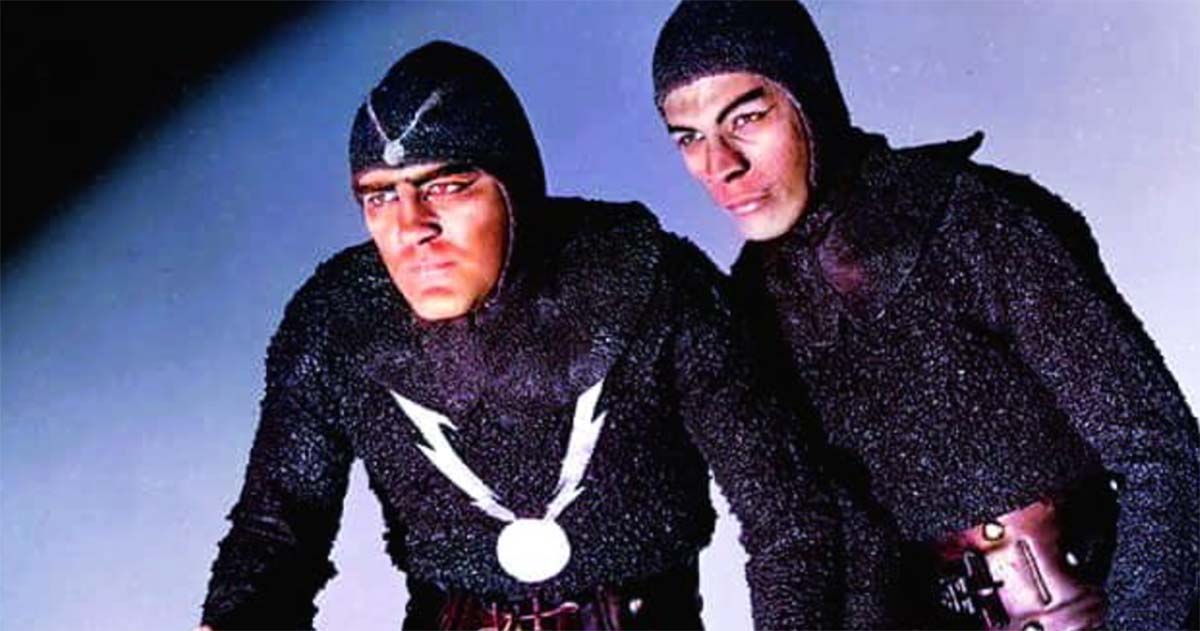
Leonard Nimoy Trivia
- One of Leonard Nimoy's earliest science fiction appearances came in the Republic Pictures serial "Zombies of the Stratosphere," where he played a Martian officer in a production that predated "Star Trek" by more than a decade.
- Nimoy appeared in the "The Outer Limits" episode "Production and Decay of Strange Particles," a story centered on particle physics and catastrophic energy, reflecting the period's fascination with atomic-age scientific anxiety.
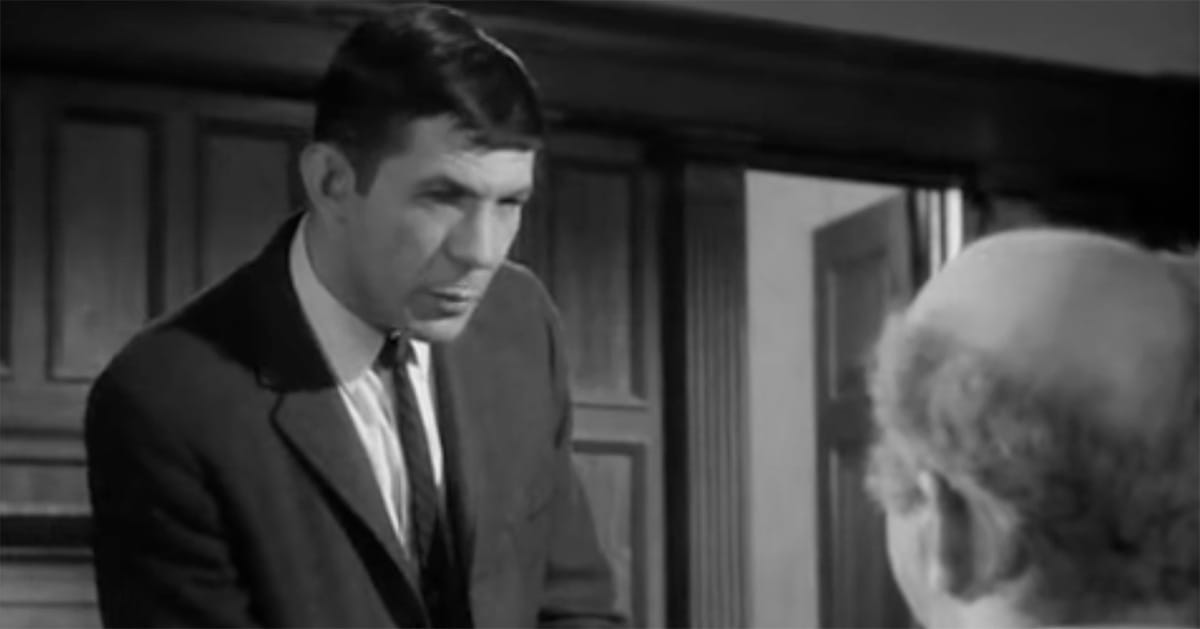
- In "Columbo," a series rarely classified as science fiction, Nimoy played a brilliant surgeon whose intellectual duel with the detective echoed the cool, analytical persona audiences often associated with his later genre roles.