
"Neuromancer" and the Birth of Cyberpunk
A review of "Neuromancer" by William Gibson and its lasting influence on cyberpunk. Discover how the novel imagined cyberspace and helped reshape modern science fiction.

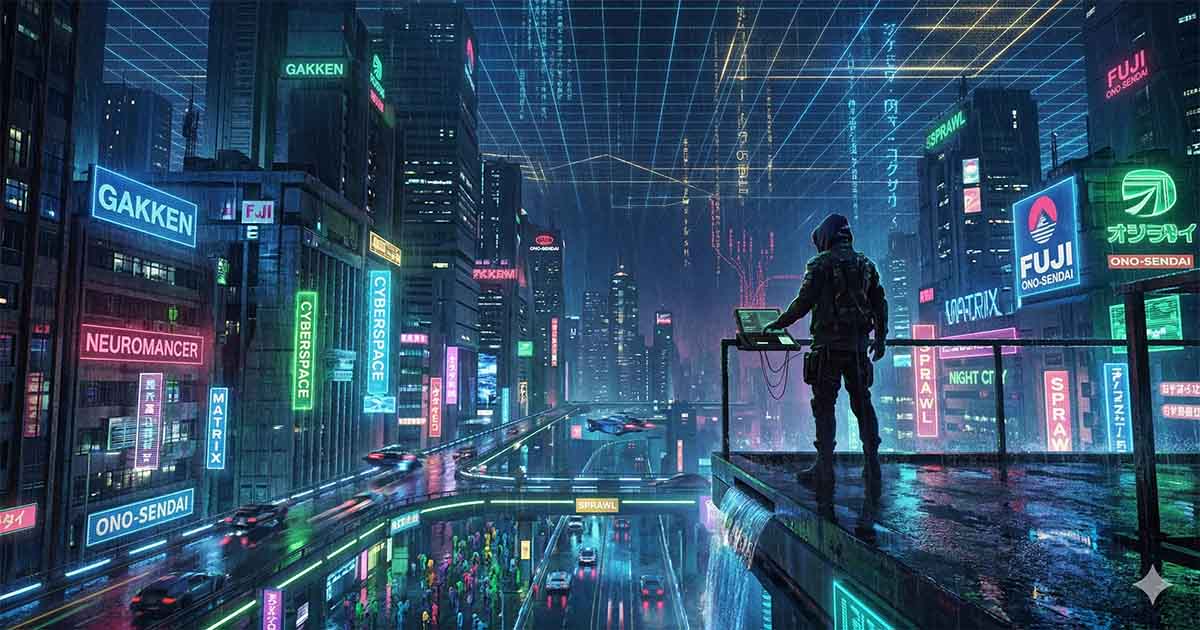
The Novel That Wired Science Fiction Into the Digital Age
When William Gibson published "Neuromancer" in 1984, personal computers were only beginning to appear in homes and offices.
The internet had not yet shaped everyday life. Yet Gibson imagined a world where people connect directly to vast networks of information. His vision helped change how science fiction approached the future.
Earlier science fiction often focused on rockets and distant planets. Gibson turned the spotlight toward computer networks and digital environments. The frontier in his story is not outer space. It is the invisible realm of data and code.
Readers quickly recognized the importance of the novel. "Neuromancer" won the Hugo Award, the Nebula Award, and the Philip K. Dick Award. Few books in the genre have achieved that combination of honors. The awards confirmed that something new had arrived in science fiction.
Gibson's novel also helped define the cyberpunk movement. These stories mix advanced technology with rough urban settings and characters who live outside respectable society. Hackers, smugglers, and freelance operators become the explorers of a new frontier.
The tone of cyberpunk differs from earlier visions of the future. Technology does not create a clean and orderly world. Instead, it spreads through crowded streets, private corporations, and criminal networks. Innovation becomes another tool in the struggle for power.
The influence of "Neuromancer" reaches far beyond the novel itself. Its ideas echo through later books, films, and games that explore virtual worlds and artificial intelligence. Many people encounter cyberpunk imagery long before they read Gibson’s work.
That influence raises an important question. Does the novel still succeed as a story for modern readers? A closer look at the world Gibson creates provides the answer.
The World and the Premise
The story follows a man named Case. He once earned a living as a computer hacker in a dangerous digital frontier. Gibson calls operators like him console cowboys. Their skills allow them to enter a networked environment known as cyberspace.
Cyberspace forms the center of this fictional world. Skilled users connect their nervous systems to a matrix of digital information. Corporate databases and security systems appear as structures within that electronic landscape. Hackers move through those structures like climbers scaling dangerous terrain.
Case loses that ability after betraying his criminal employers. They damage his nervous system and block his access to cyberspace. Cut off from the world that gave him purpose, he drifts through the underworld districts of Chiba City in Japan. His life becomes smaller and more desperate.
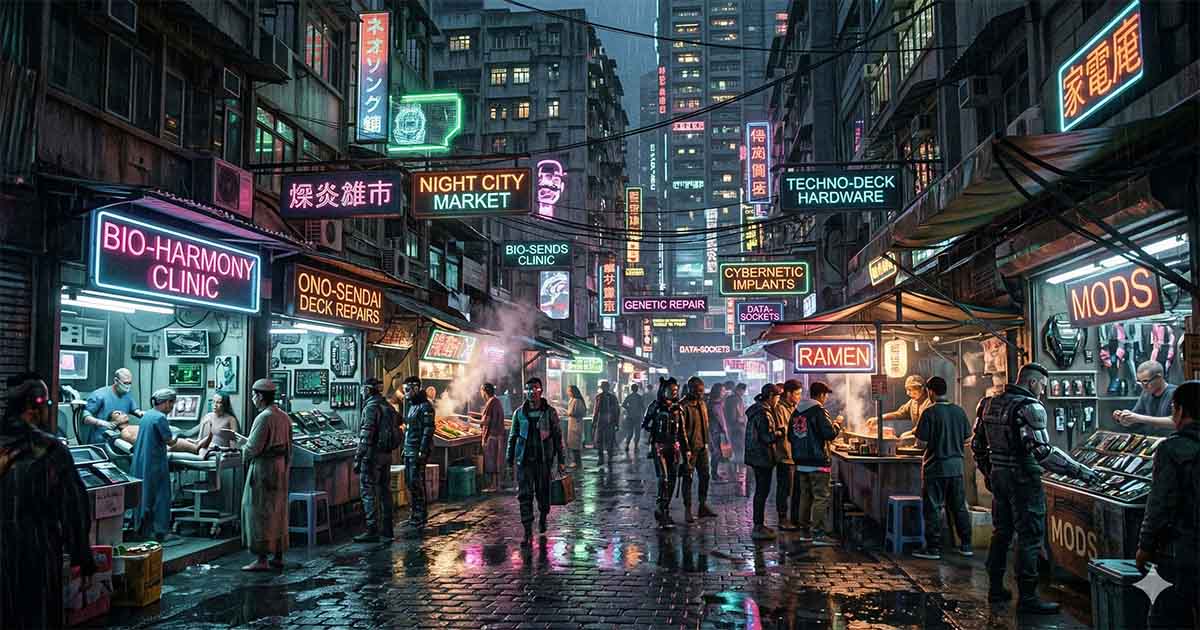
The novel begins when a mysterious employer offers him a chance to return to his former life. Medical treatment restores his ability to connect to cyberspace. In exchange, he must help carry out a complex operation involving powerful technology and guarded secrets.
Case does not face the mission alone. A small team gathers around the job. One of the most memorable partners is Molly, a skilled fighter equipped with cybernetic enhancements. Her abilities make her a dangerous ally in physical confrontations.
The story unfolds like a carefully planned caper. Each step requires preparation and coordination between digital infiltration and real world action. As the mission progresses, the scope of the operation becomes larger than it first appears.
Gibson keeps the narrative moving through shifting locations and tense encounters. Characters travel through cities, corporate spaces, and technological environments. Every stage brings new risks and deeper questions.
The result is a suspenseful structure that blends crime fiction with technological speculation. The stakes involve information rather than treasure. In this world, data is the most valuable currency.
The World of Cyberpunk
The most striking feature of "Neuromancer" is the environment Gibson constructs. He imagines a future where computer networks form a second reality layered over everyday life. People interact with both worlds at once.
Cyberspace functions as the centerpiece of this vision. It appears as a luminous landscape built from streams of data. Skilled operators travel through that digital terrain while defending against electronic security systems. The concept feels surprisingly familiar to readers living in the internet age.
Technology in the novel extends beyond computers. Many characters modify their bodies with mechanical or electronic enhancements. Artificial limbs and implanted devices improve speed, strength, or perception. The boundary between human and machine becomes less clear.
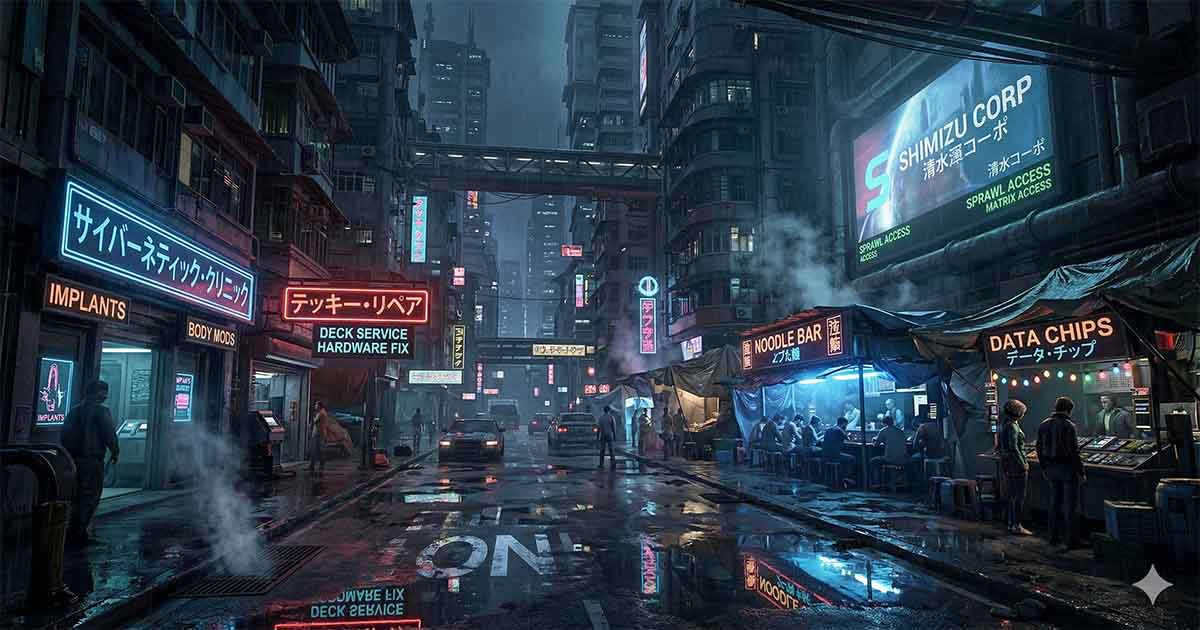
This blending of biology and technology forms a central theme of cyberpunk fiction. Innovation spreads quickly but not evenly. Advanced tools appear in back alley clinics as often as in research laboratories. The future grows from the street upward rather than from the laboratory downward.
Corporate power also shapes the landscape of the novel. Enormous companies command wealth and advanced research facilities. Their influence reaches across national borders and even into space. Governments appear less dominant than these powerful business organizations.
This vision reflects concerns that grew during the late twentieth century. Large corporations increasingly influenced economics and technology. Science fiction writers began asking how far that influence might extend in the future.
Gibson presents these ideas through everyday scenes. Neon lights reflect on wet pavement in crowded districts. Markets, entertainment halls, and clinics operate side by side. The atmosphere blends excitement with danger.
High technology does not guarantee a peaceful society. Instead, it becomes another resource in the competition for survival and influence. In spite of those harsh conditions, the world feels energetic and alive.
That combination of danger and opportunity defines the cyberpunk spirit. Individuals with skill and nerve can still shape their own path. The future remains uncertain and open.
Gibson's Writing Approach
William Gibson writes with a style that feels fast and concentrated. He introduces new ideas without lengthy explanations. Readers often encounter unfamiliar terms and technologies in rapid succession. The effect can be disorienting during the opening chapters.
This method creates a sense of realism inside the fictional world. Characters speak about technology as if it were ordinary. They do not pause to explain devices that everyone in their society already understands. The reader learns by observing how those devices function.
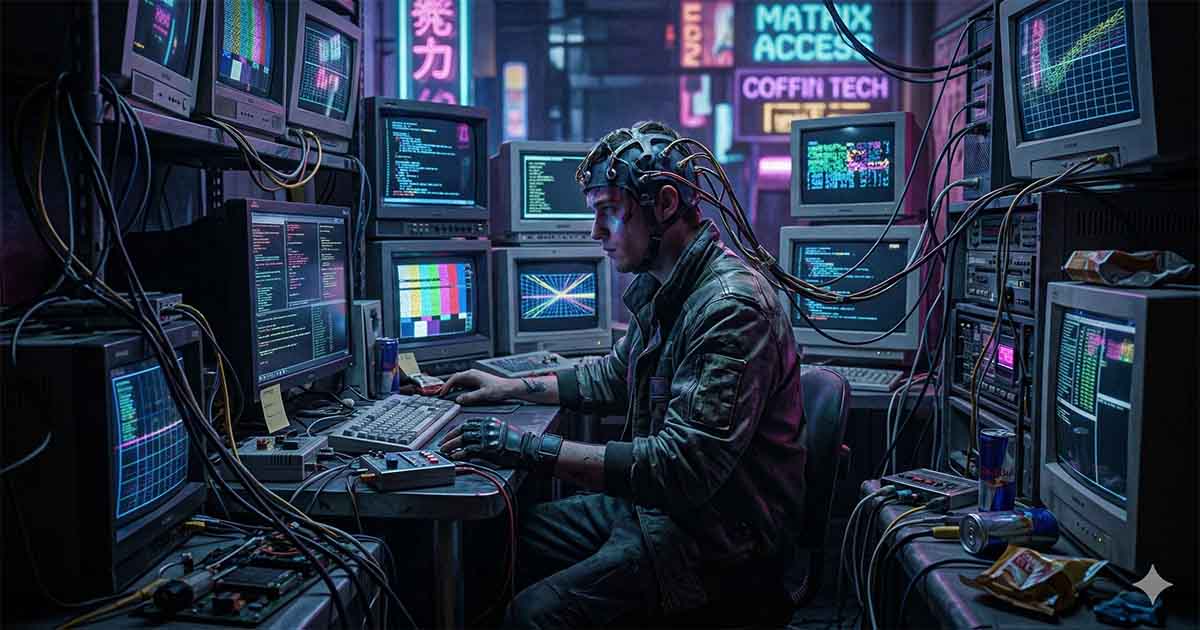
Gibson also uses vivid imagery to anchor the narrative. Scenes often resemble frames from a film. Bright lights, crowded streets, and glowing digital structures fill the page. Those images help the reader visualize the environment even when technical details appear quickly.
The pacing of the novel moves with steady momentum. Action sequences develop rapidly and carry the story from one location to another. That rhythm matches the tension of the mission driving the narrative.
Some readers find the language challenging. Important details sometimes appear in brief lines that require careful attention. The novel rewards patient reading and sometimes benefits from a second pass.
The characters themselves share the practical tone of the story. Many of them survive by skill, instinct, and quick decisions. They focus on immediate problems rather than extended reflection. That attitude gives the narrative a grounded quality.
The overall voice feels direct and energetic. Gibson avoids long explanations in favor of atmosphere and movement. The style fits the gritty technological world he imagines.
Lasting Influence
More than forty years after publication, "Neuromancer" continues to shape the imagination of science fiction. Many ideas from the novel now appear in everyday discussions about technology. Concepts that once seemed futuristic now feel familiar.
The term cyberspace entered popular culture through Gibson’s work. Stories about hackers navigating digital environments appear across films, television, and games. Later creators expanded those ideas, but the foundation began here.
The novel also changed the direction of science fiction storytelling. Writers began exploring how computers and networks might transform life on Earth. The genre broadened beyond rockets and distant planets.
Modern readers may notice details that reflect the era of the 1980s. Technology has advanced in ways that even Gibson could not fully anticipate. Yet the larger themes remain relevant today.
Questions about artificial intelligence, corporate power, and digital identity continue to appear in public debate. The novel engages those issues through an imaginative narrative. That connection keeps the story meaningful for new generations of readers.
Readers approaching "Neuromancer" for the first time often find it challenging but rewarding. The language requires attention and patience. Once the rhythm becomes clear, the world reveals its unique character.
For fans of classic science fiction, the book marks an important turning point. It helped shift the focus of the genre toward the digital frontier. That frontier continues to expand today.
And it began with a novel called "Neuromancer."