
"Quantum Leap" and the Responsibility of Time Travel
A look at "Quantum Leap" and its unique take on time travel, where one man moves through the past to correct mistakes and prove that small actions can change the course of a life.

This Week in Classic Science Fiction
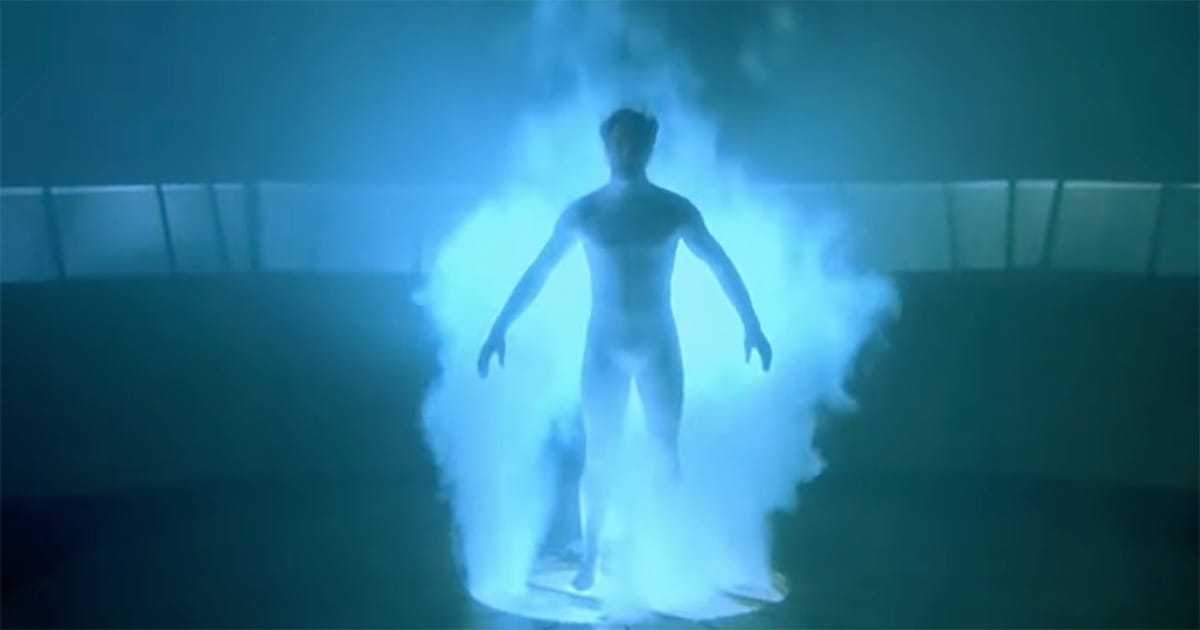
On March 26, 1989, "Quantum Leap" premiered on NBC. The series begins with a simple idea. A scientist enters an experimental machine and becomes lost in time. He wakes each week in a different life, with no clear way home.
The show treats time travel in a practical way. Each leap places the man in a situation where something once went wrong. His task is not to observe history, but to correct it. The story stays focused on people and their problems rather than spectacle.
At the center is Dr. Sam Beckett, played by Scott Bakula. He is capable, but often uncertain about what he must do. His only guide is Al, played by Dean Stockwell, who appears as a projection from the present. Their partnership gives the series its structure and balance.
In 1989, much of science fiction on television looked toward distant futures. "Quantum Leap" turned in the other direction. It used its premise to examine ordinary American life across different times and places. That choice gave the series a grounded and lasting appeal.
The show endures because of its clarity and restraint. It presents a man trying to set things right, one life at a time. That idea remains easy to understand and hard to forget.
Sponsored By: Blaze Roar Tiko Energy-Shield Commander Space Gorilla T-shirt

The Blaze Roar Tiko Energy-Shield Commander Space Gorilla T-shirt presents a warrior in motion, shield forward and ready to hold the line. The design reflects a familiar idea in classic science fiction. Strength is not only force, but protection and responsibility. It is a bold image that fits the tradition of the genre without excess.
The Moral Logic of "Quantum Leap"
When "Quantum Leap" arrived in 1989, it treated time travel not as sightseeing, but as a test of moral judgment. Other stories asked what a traveler might see, gain, or break, but this series asked what he owed people there.
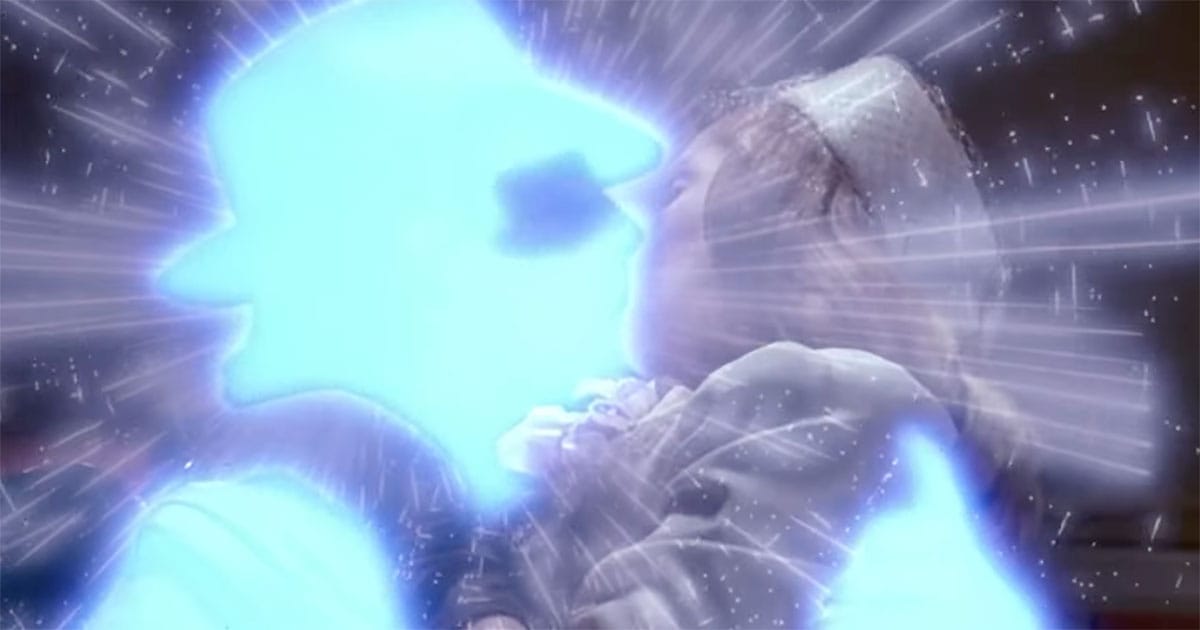
That change gives the program its shape, its seriousness, and much of the lasting force that separates it from peers. The premise is simple, yet the stories ask hard questions about duty, regret, courage, and the cost of doing right.
Instead of wandering through history like a tourist, Sam Beckett lands where lives have bent toward pain, loss, or failure. He does not arrive with a speech, a plan, or complete knowledge, which makes each leap feel immediate and human.
Viewers understand the mission, but they also understand the risk, because good intentions do not remove confusion, fear, or pressure. That tension gives "Quantum Leap" a grounded tone, and it keeps the series close to ordinary life, even now today.
A Different Kind of Science Fiction
Time travel on television often becomes an excuse for spectacle, but "Quantum Leap" uses the device to examine responsibility instead. The series is interested in broken promises, missed warnings, selfish choices, and moments when a decent man should intervene there.
That focus makes the episodes feel smaller in scale, yet larger in meaning, because the stakes are personal and lasting. A marriage, a friendship, a family business, or a frightened child can matter as much as any spaceship at all.
This is one reason the show has worn so well, especially for viewers who prefer character, consequence, and moral clarity. The science fiction premise opens the door, but the human drama keeps the audience inside for the full hour weekly.
Sam may leap through decades, but the real movement comes in the hearts, minds, and choices of people around him. That is a demanding structure, since every episode must introduce strangers quickly and persuade us that their troubles matter deeply.
The Burden of Sam Beckett
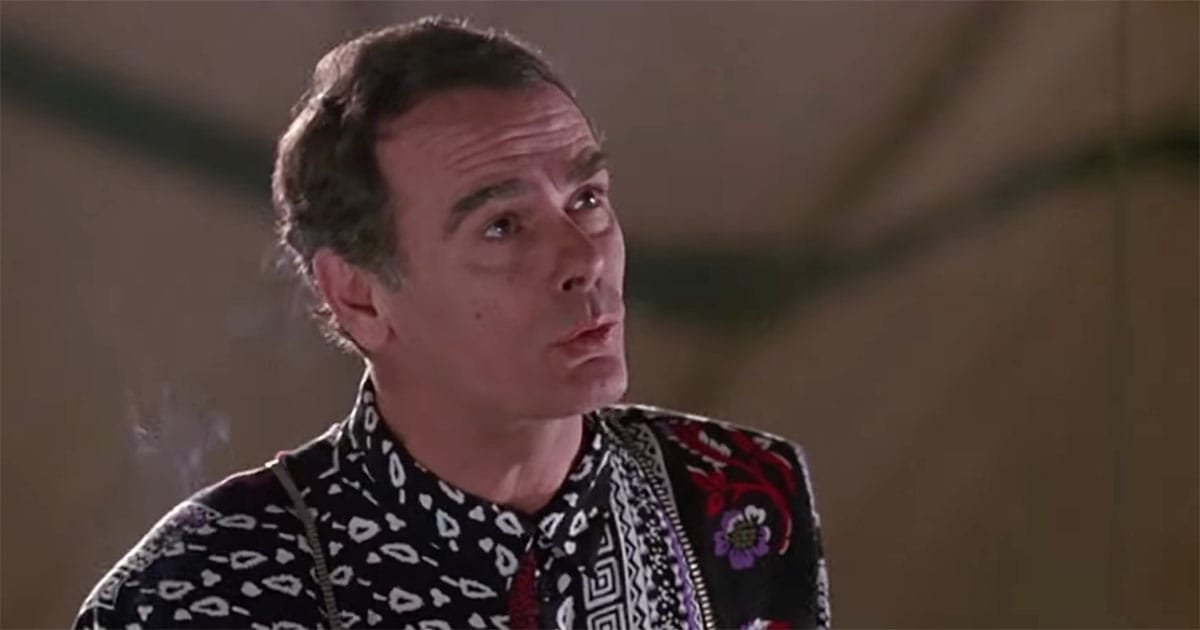
Scott Bakula makes Sam Beckett convincing by playing intelligence without vanity and compassion without softness or self pity at all. Sam is educated and skilled, but he is usually disoriented, sometimes frightened, and often forced to trust imperfect evidence alone.
He must judge quickly, act publicly, and accept the burden of consequences that no one around him fully understands either. That pressure keeps the performance honest, and it helps explain why Sam feels more like a working man than a hero.
He enters lives already under strain, and he must earn trust before anyone knows he is trying to help them. The show, therefore, avoids the smugness that can hurt some science fiction by having Sam succeed through persistence, humility, and care alone.
He does not dominate history. He serves the moment in front of him, and that modest scale keeps him believable. Viewers respond to that humility because it reflects real life, where duty often arrives without warning and without applause, too.
Partnership and Order
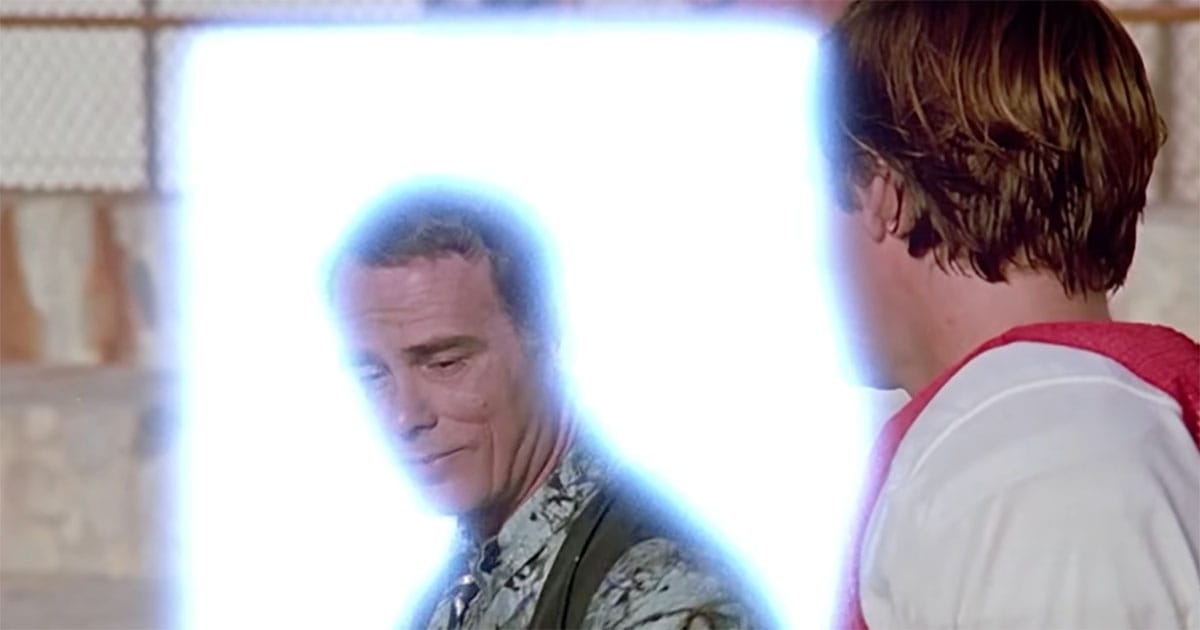
Dean Stockwell gives Al warmth, wit, impatience, and a trace of sadness, which keeps the guide from becoming a device. He brings information from the future, but he also brings friendship, memory, and the plain comfort of a familiar voice.
That comfort matters because Sam spends each episode surrounded by strangers, wearing another face, and living under another name there. Al reminds him that his real life still exists, even when the next leap seems ready to erase it entirely.
Their partnership also gives the series a useful order, because advice and action are clearly separated between two men here. Al can calculate, suggest, and warn, but Sam must stand in the room, face the danger, and make choices himself.
That division preserves tension, and it also reflects an old truth that guidance matters, but responsibility cannot be delegated away. For all its futuristic machinery, "Quantum Leap" believes that men still answer for what they do in difficult places alone.
Why It Still Matters
The show's effects are modest now, and some period touches feel dated, but its central idea remains remarkably durable today. It trusts writing, performance, and structure more than spectacle, which is one reason the episodes still hold attention so well.
Viewers can return years later and still recognize the appeal of a story built around second chances and duty there. The series does not need endless explanation, because its purpose is clear from the moment Sam opens his eyes again.
The ending, with Sam still leaping and never returning home, gives the show an unusual mixture of sadness and resolve. His work continues because the need continues, and that idea carries more weight than a neat or cheerful conclusion ever.
"Quantum Leap" argues that history is shaped not only by famous men, but by private decisions made under pressure daily. That belief gives the series its lasting strength, and it remains a worthy example of classic television science fiction today.
"Quantum Leap" Trivia
- The show was nearly canceled early in its run, but strong rerun ratings during the summer convinced NBC to renew it.
- Dean Stockwell initially declined the role of Al before accepting it after reading the script again and recognizing the character's depth.
- The original concept included Sam leaping into animals, but the idea was dropped early in production as too difficult to present convincingly.