
Replicants Are Not Robots in "Blade Runner"
A look at how "Blade Runner" presents replicants as biological creations rather than robots, creating a richer story about identity, mortality, and the uneasy space between human life and engineered life.

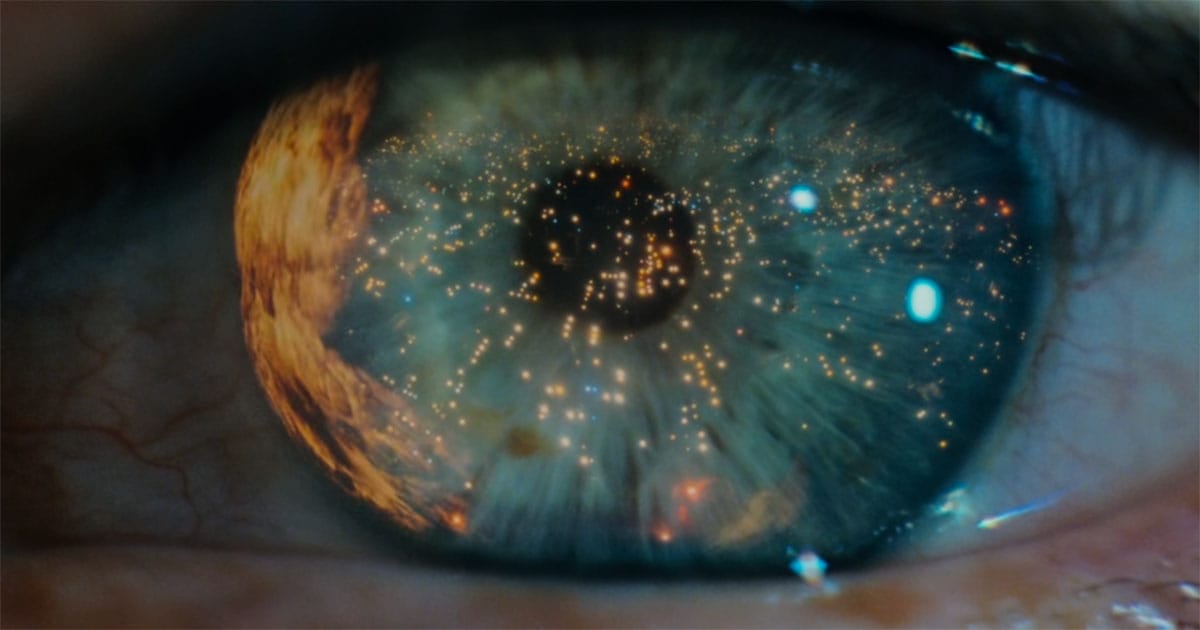
A Human Face on Engineering
The idea that the replicants in "Blade Runner" are robots has persisted for years, yet the film presents something far more unsettling. Ridley Scott chose to fill his future Los Angeles with beings who look and feel human in every measurable way. This choice gives the story a quieter tension. The danger comes from the possibility that humanity can be copied without the cold machinery most viewers expect.
The film shows replicants as biological creations with muscle, bone, and memory implants. They are not metallic figures clanking through dark alleys. They breathe and bleed. Their physical presence fits the noir atmosphere of the movie in a way that mechanical designs never could.

Because replicants are woven from the same biological fabric as humans, their superiority raises questions that linger long after the credits. The Nexus models carry strength and intelligence that outpace their makers. This imbalance gives the story the feel of an old cautionary tale. A creation built to work becomes a creation that wonders about its own place in the world.
The Moral Fog of Future Los Angeles
The difference between mechanical robots and biological replicants also changes how the audience views the moral landscape. A robot usually follows its circuits with predictable loyalty. A replicant follows the hunger for life. That hunger gives the film its emotional engine and moves it away from simple good and evil.
Deckard's pursuit of the escaped replicants feels less like a detective chasing machines and more like a man confronting echoes of himself. His world is shaped by fog, rain, and the sense that progress has outpaced wisdom. Every encounter with a replicant forces him to face an uncomfortable mirror. The noir tone deepens because the line between hunter and hunted becomes thin.
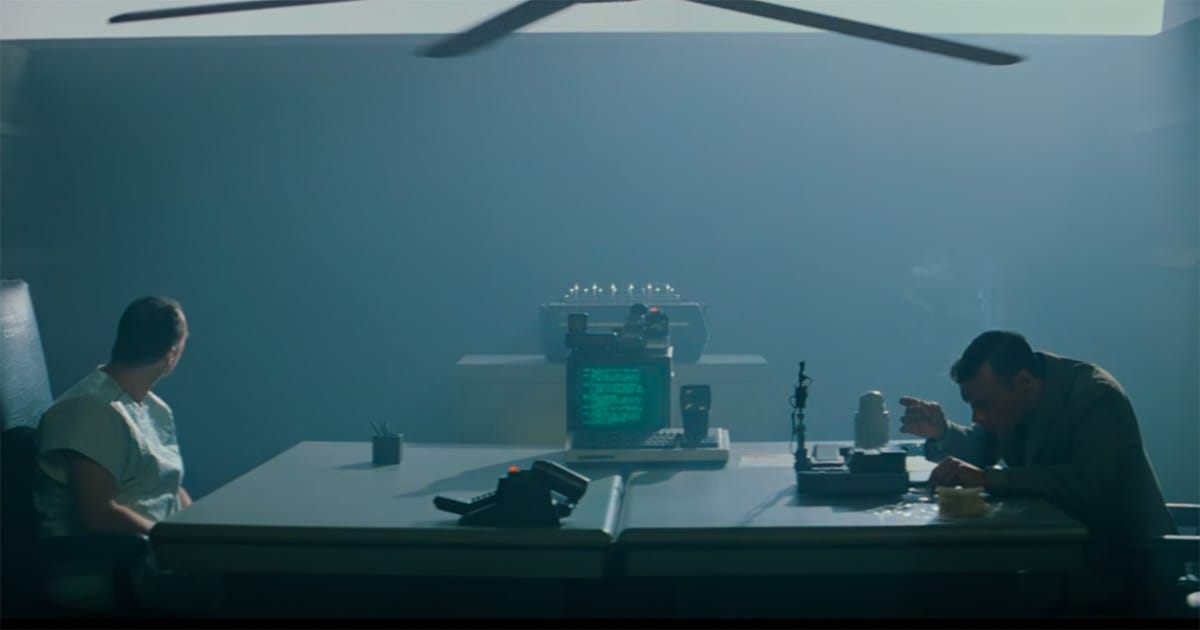
Even the famous Voight-Kampff test reveals how closely the two species are related. A machine would never need such scrutiny. A replicant needs it because he can hide in plain sight. The test measures empathy and response rather than metal and wires. This detail gives the film its philosophical bite.
Life Measured in Heartbeats
The replicants themselves give the story its most powerful moments. Their limited lifespans turn every gesture into a struggle against time.

Their final scenes reveal a desire for meaning that feels familiar to anyone who has wrestled with their own mortality. The result is a narrative that blends noir mood with the timeless question of what it means to be alive.
The genius of "Blade Runner" lies in this biological twist. Replicants are not machines built by cold logic. They are reflections shaped by human hands yet driven by their own wills. That difference raises the film above typical futuristic thrillers and places it in the canon of stories that examine the human heart through unfamiliar eyes.
Related
- What If Deckard in "Blade Runner" Discovered He Was a Replicant,
- Blade Runner Is Still a Profound Exploration of Humanity,
- The Virtue of Seeing Clearly in "Blade Runner",
- What if the Door Had Stayed Closed in "Blade Runner",
- What if Roy Batty Had Lived Past His Lifespan?,
- What if Deckard Knew He Was a Replicant?,
- When Philip K. Dick Went to Hollywood.