
The Crysknife In Frank Herbert’s Dune
An exploration of the crysknife in Frank Herbert’s "Dune," covering Fremen ritual, sandworm origins, Paul Atreides and the weapon’s lasting place in science fiction.

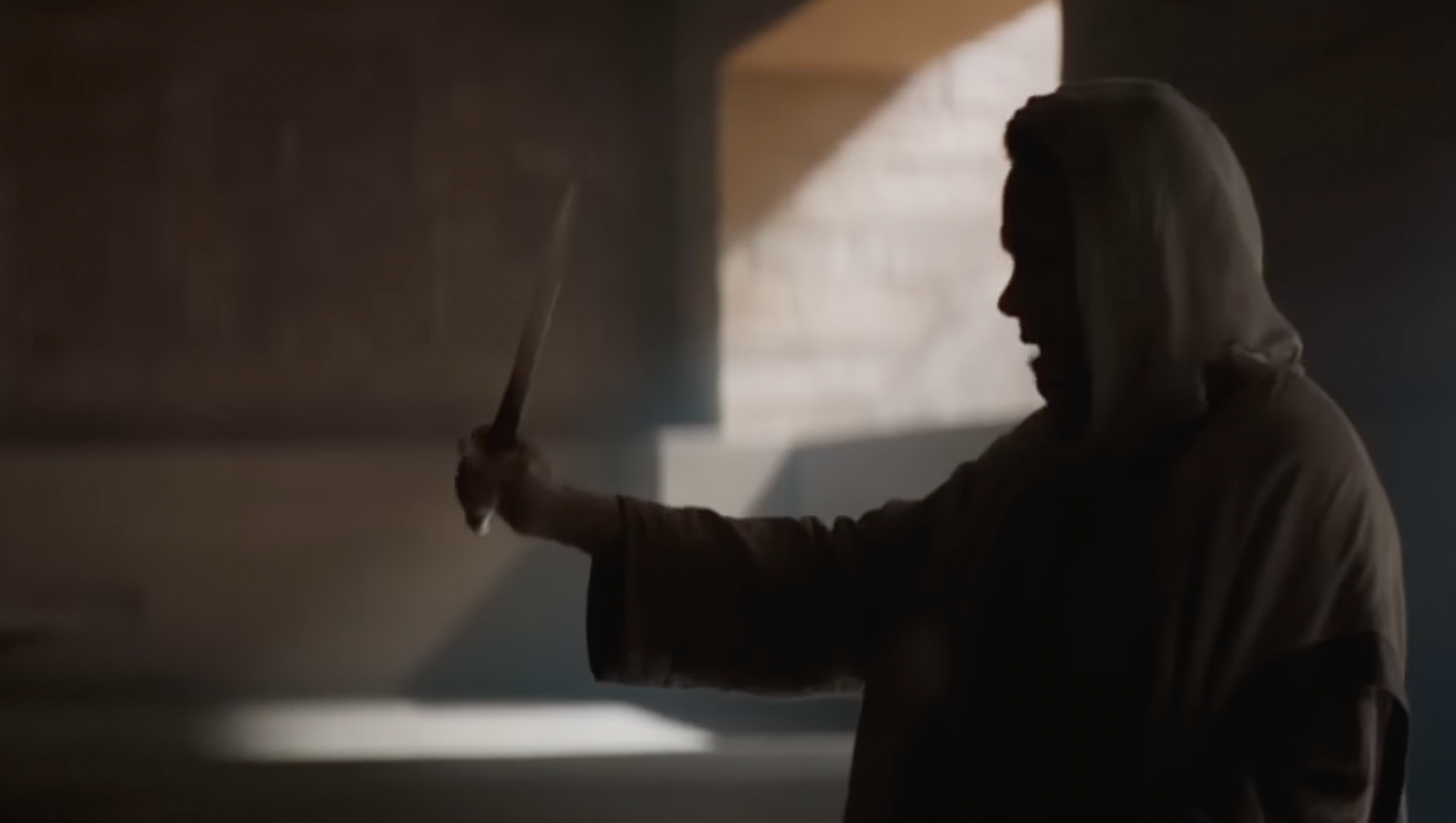
"The Crysknife Of Dune"
Among the many unforgettable objects in Dune, none carries more symbolic weight than the crysknife. The sacred blade of the Fremen is at once weapon, religious artifact, and badge of belonging. Forged from the tooth of a giant sandworm, the crysknife represents the harsh world of Arrakis in physical form. It is born from the desert, shaped by survival, and governed by ritual.
Frank Herbert understood that memorable science fiction depends not only on spacecraft and empires, but on the small details that make a culture feel ancient and lived-in. The crysknife is one of those details. Long after readers forget the mechanics of CHOAM or the politics of the Landsraad, they remember the pale blade carried beneath a stillsuit in the sands of Arrakis.
Origins And Context
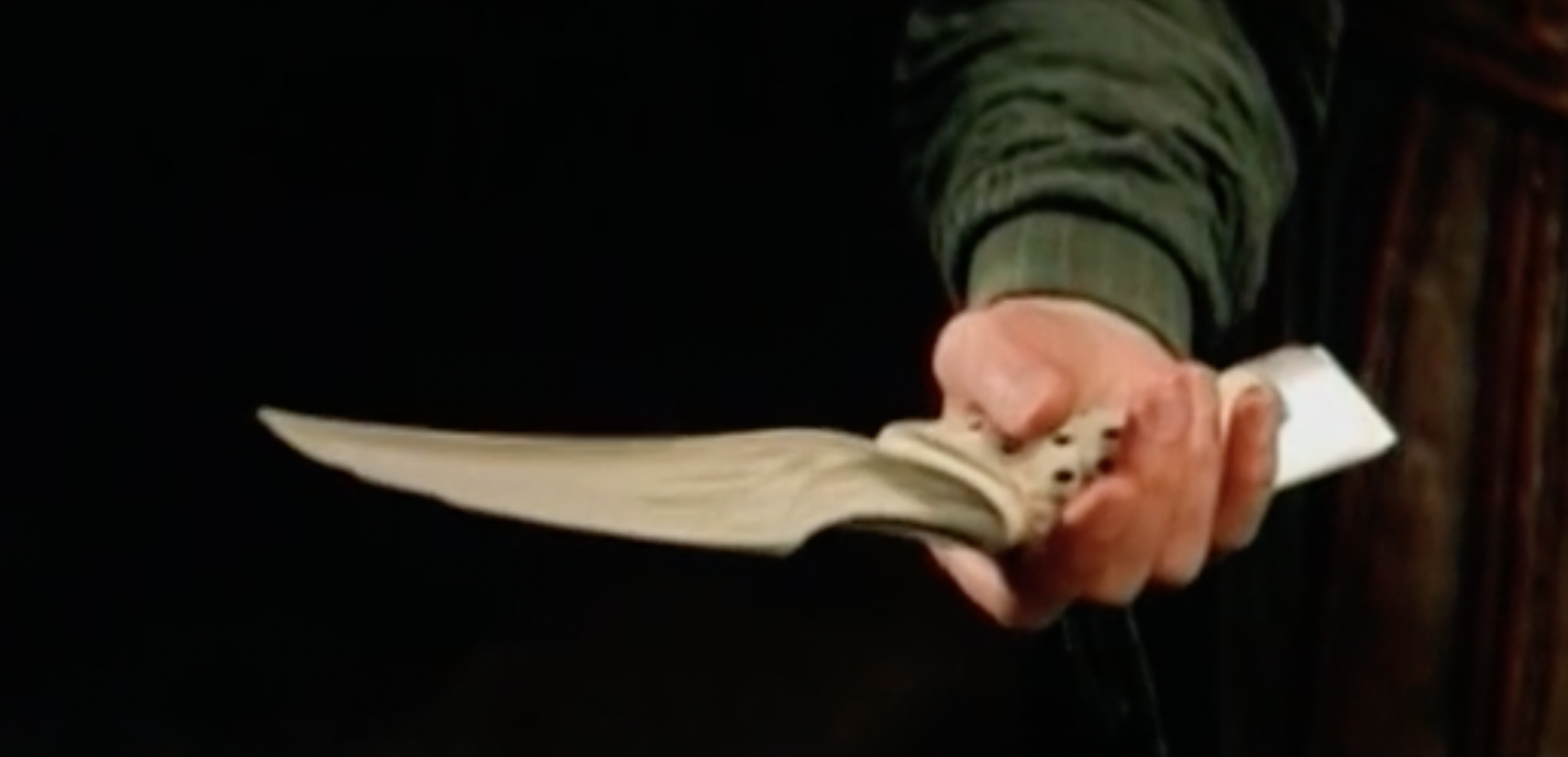
The crysknife originates from the sandworms of Arrakis, the colossal creatures the Fremen call Shai-Hulud. According to Herbert's canon, the blade is fashioned from a sandworm tooth, making it more than a manufactured weapon. It is literally part of the planet's dominant lifeform. That connection matters deeply in Fremen society because the Fremen do not separate religion, ecology, and survival into different categories. To them, the desert is sacred because it is alive, dangerous, and necessary.
This ecological connection is one of the reasons the crysknife remains so distinctive in science fiction. Many fantasy and science-fiction weapons possess mystical powers, but Herbert approached symbolism differently. The crysknife gains meaning not from magic, but from culture and environment. It exists because Arrakis exists.
Herbert also introduced the unusual distinction between fixed and unfixed crysknives. An unfixed blade deteriorates if removed too long from the electrical field of a living body, while a fixed blade has been stabilized for storage and long-term use. The concept gives the weapon an almost biological quality, as though it still retains something of the worm from which it came.
For the Fremen, possession of a crysknife signifies trust and identity. Outsiders are not casually shown the weapon. To carry one means a person has entered the social and spiritual world of the sietch. In that sense, the blade functions almost like a passport into Fremen civilization.
| Field | Details |
|---|---|
| Name | Crysknife |
| Aliases | Fremen sacred blade; Maker’s tooth |
| Affiliation | Fremen culture; Arrakis; Shai-Hulud traditions |
| First Appearance | "Dune" by Frank Herbert, 1965 |
| Portrayed In Film By | Organic ceremonial blade design in "Dune" (1984); restrained ritual realism in "Dune" (2021) and "Dune Part Two" (2024) |
| Portrayed In Miniseries By | Featured in "Frank Herbert’s Dune" (2000) as a ceremonial and combat weapon tied to Fremen custom |
| Role | Sacred weapon and ritual object symbolizing survival, identity and belonging among the Fremen |
| Description | A curved blade crafted from the tooth of a giant sandworm on Arrakis, revered by the Fremen as both a practical weapon and a sacred symbol of faith, honor and desert survival |
Fremen Law And Ritual
The crysknife is surrounded by customs that make it feel ancient long before Herbert explains their origins. Some of the most memorable scenes in "Dune" involve characters reacting not to violence, but to the presence of the blade itself.
One well-known Fremen tradition states that a drawn crysknife must not be sheathed until it has drawn blood. Herbert presents this less as theatrical superstition and more as an expression of cultural discipline. The crysknife is not handled carelessly because it represents both survival and honor.
Another important custom concerns secrecy. In the novel, exposure of a crysknife to outsiders carries severe consequences. The blade is sacred property of the Fremen people, not a collectible curiosity. This secrecy reinforces the isolation of Arrakis culture and the distrust the Fremen feel toward off-world powers.
These rituals help distinguish the crysknife from ordinary science-fiction weaponry. The blade matters because of the rules surrounding it. Herbert understood that objects become meaningful when societies build traditions around them.
Role In The Story
The crysknife enters "Dune" quietly but memorably through Shadout Mapes, the Fremen housekeeper assigned to the Arrakeen palace after House Atreides arrives on Arrakis. When she presents the weapon to Lady Jessica, the scene immediately establishes the knife as something sacred. Jessica recognizes that she is participating in a ritual whose full meaning remains hidden from her.
For Paul Atreides, the crysknife becomes part of a larger transformation. Early in the novel, Paul is still the son of a noble house, educated in politics and warfare but unfamiliar with the deeper realities of Arrakis. Contact with the Fremen changes that identity step by step, and the crysknife serves as one of the clearest signs of his transition.
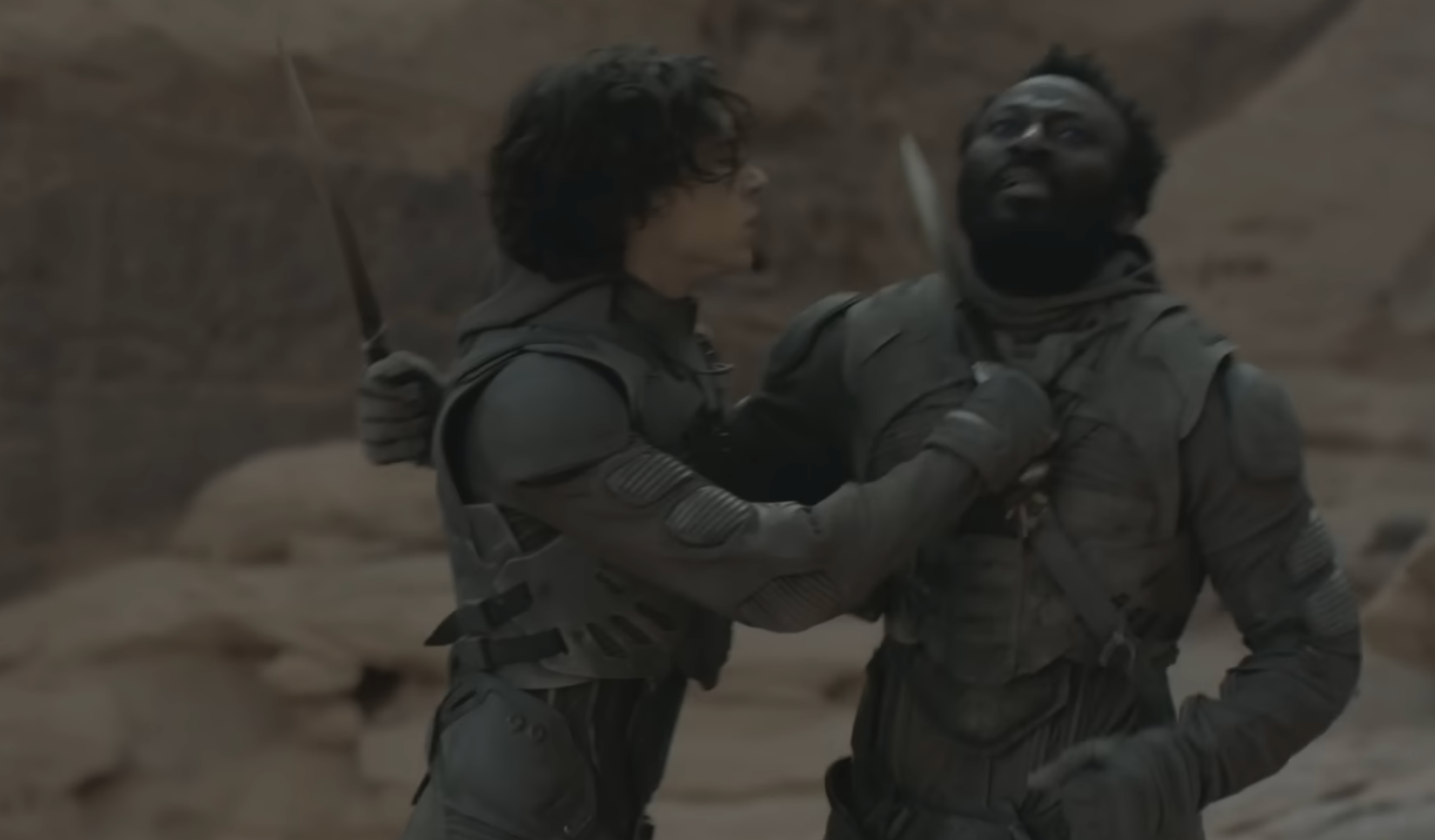
The duel with Jamis is especially important. Armed with a crysknife, Paul confronts not only an opponent but an entire moral system. Victory in the duel earns him acceptance among the Fremen, yet Herbert presents the moment with restraint and gravity rather than triumphal spectacle. The blade becomes a symbol of adulthood, responsibility, and irreversible change.
As Paul grows into Muad'Dib, the crysknife evolves alongside him. It is no longer merely a foreign artifact. It becomes part of his public image and authority among the desert tribes. In later Herbert novels, the weapon continues to symbolize continuity with the old Fremen culture even as Arrakis itself changes politically and ecologically.
The screen adaptations each interpret the crysknife somewhat differently. Dune emphasizes its ritual mystery and exotic design, while Dune presents the blade with quieter realism and spiritual restraint. The Villeneuve films, in particular, treat the crysknife less as a fantasy relic and more as a practical sacred object woven into daily life.
Why The Crysknife Endures
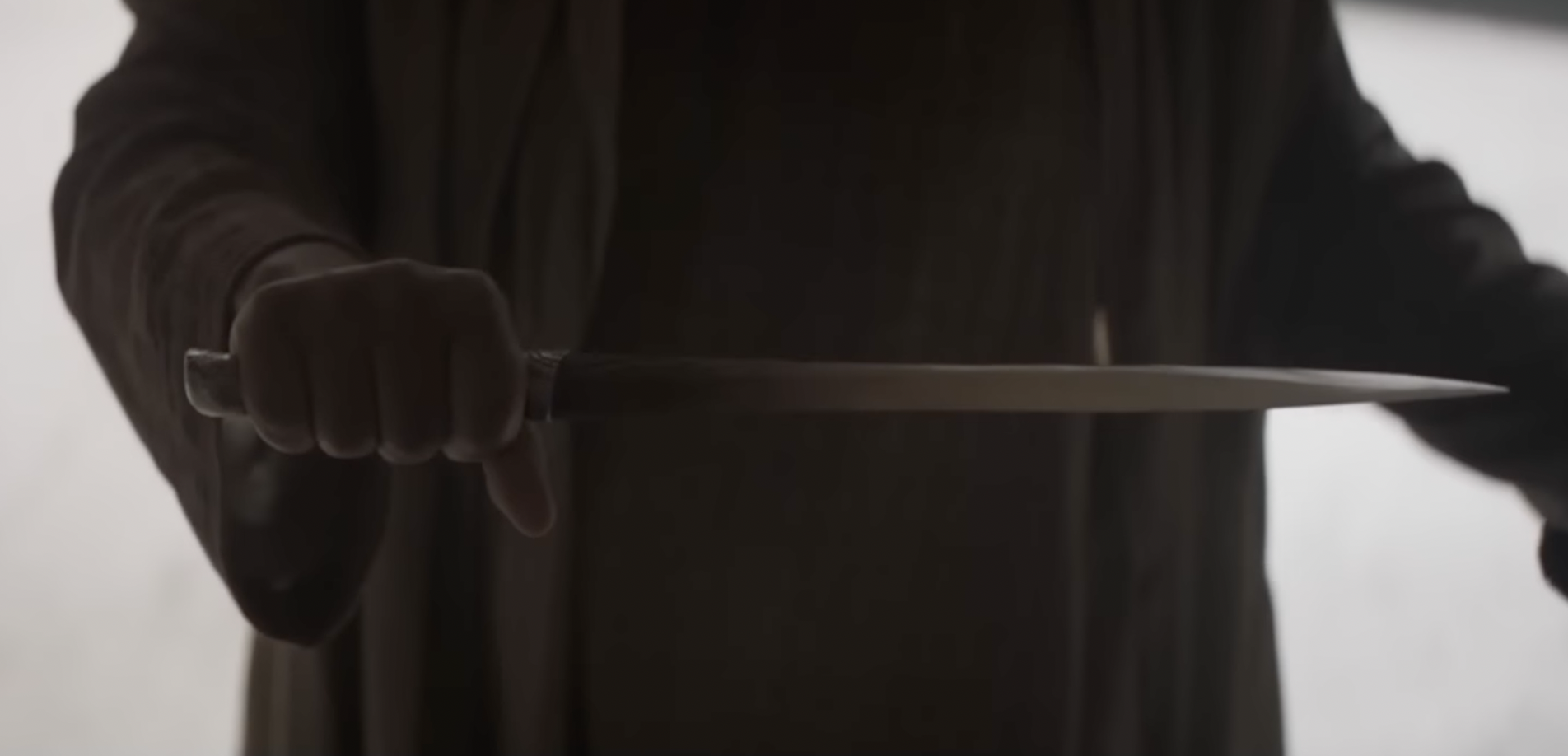
The crysknife remains one of science fiction's most enduring symbols because it reflects everything that makes "Dune" distinctive. It is practical without being mundane, sacred without requiring supernatural explanation and ceremonial without losing its sense of danger.
Most importantly, the blade reveals Herbert's gift for worldbuilding through implication rather than exposition. The crysknife feels ancient because the people who carry it behave as though centuries of law, memory, and hardship stand behind it.
Decades after the publication of "Dune," readers still remember the pale curve of the crysknife emerging from a Fremen robe. Few fictional weapons have carried so much history in so small a form.