
The Quiet Fear at the Heart of “Invasion of the Body Snatchers”
A look at how “Invasion of the Body Snatchers” uses conformity, comfort, and fear to warn against surrendering conscience, showing why classic science fiction treated individuality as fragile and worth defending.

This Week in Classic Science Fiction
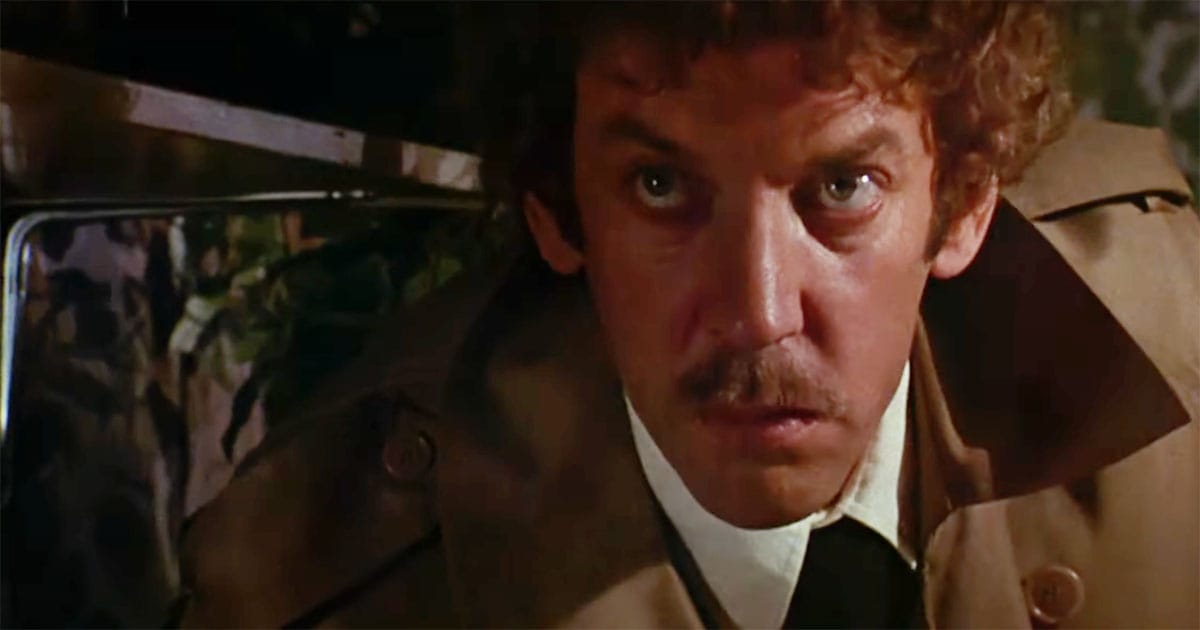
On January 25, 1978, "Invasion of the Body Snatchers" opened in theaters across the United States. Marketed as a remake, it arrived at a moment when science fiction had grown wary of easy answers and cheerful futures. Audiences were prepared for stories that treated doubt and fear as serious subjects.
The film returned to Jack Finney's premise but stripped away the comfort found in earlier versions. Set in a modern city, the story unfolds through ordinary routines and familiar places. The threat does not announce itself, which makes it harder to recognize and harder to resist.
What the film examines is not invasion in the military sense, but conformity. People are replaced by versions that function smoothly and without friction. Emotion, judgment, and loyalty are treated as inefficiencies rather than virtues.
That idea reflected the atmosphere of the late 1970s. Trust in public institutions had weakened, and confidence in human intentions was no longer automatic. Science fiction increasingly suggested that danger could arise from cooperation as easily as conflict.
The film's ending refuses to restore order. It leaves the audience with the unsettling thought that awareness may come too late to matter. Nearly fifty years on, the film endures because it treats vigilance as fragile and humanity as something that must be actively defended.
Sponsored by: The Last Warlord of Vexis Prime T-shirt

A classic science fiction image of a defeated but unbroken warlord standing alone on a ruined world. The design suggests a larger story of endurance, memory, and unfinished wars.
The Quiet Threat
Classic science fiction often warned that danger does not always arrive with violence or spectacle. Sometimes it appears as convenience, efficiency, and agreement. Few films expressed that idea more clearly than "Invasion of the Body Snatchers," which treated conformity as a moral failure rather than a social adjustment.
The story does not ask whether people can be defeated by an external enemy. It asks whether they are willing to surrender themselves without being forced. That distinction places the responsibility squarely on human choice.
When Order Replaces Judgment
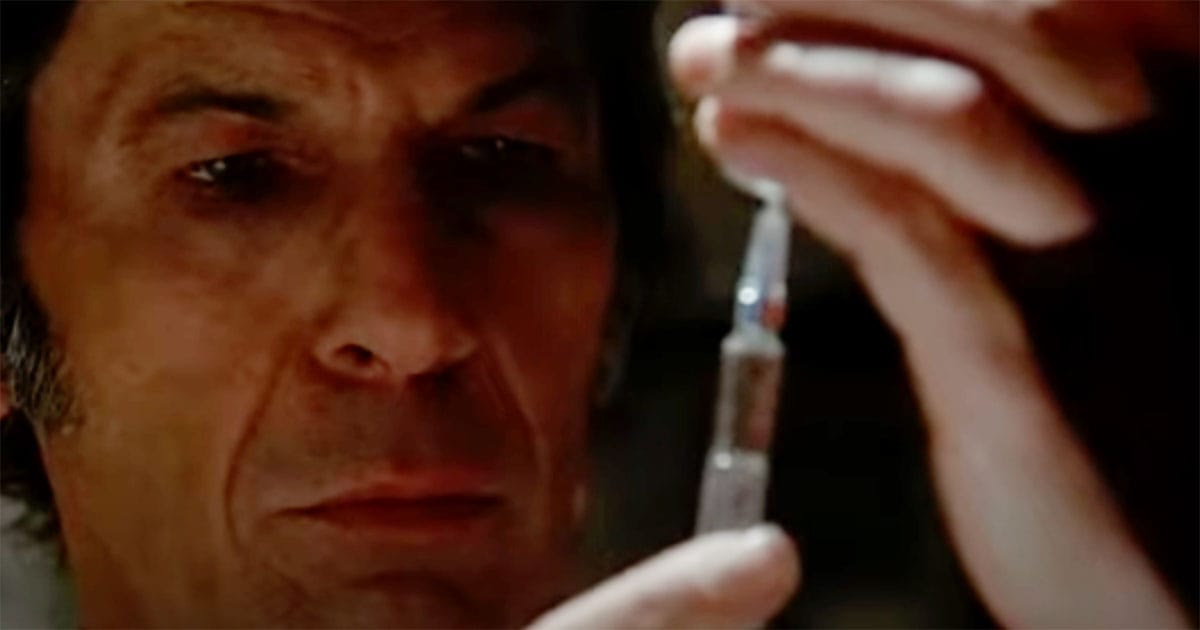
The replacements in the film are not cruel or chaotic. They are calm, organized, and cooperative. They work smoothly within society and cause fewer problems than the people they replace.
That is what makes them dangerous. By removing emotion and conscience, they also remove the ability to judge right from wrong. Order becomes an end in itself rather than a means to human flourishing.
Classic science fiction often treated this trade as unacceptable. A society that functions perfectly but lacks moral awareness is not presented as advanced. It is presented as hollow.
Conformity Without Coercion
One of the film's most unsettling ideas is that force is unnecessary. No armies march and no leaders issue commands. People comply because resistance feels exhausting and isolating.
This reflects a recurring concern in classic science fiction. The greatest threat is not tyranny imposed from above, but surrender chosen from within. When belonging becomes more important than truth, individuality dissolves on its own.
The film suggests that conformity spreads fastest when it promises relief. Conflict ends, fear fades, and responsibility disappears. The cost is paid quietly and too late.
The Fragility of Individual Conscience
Classic science fiction treated conscience as something that must be exercised to survive. It assumed that moral awareness weakens when it is not used. The film reflects this view by showing how quickly people abandon vigilance.
Characters do not fall because they are evil or foolish. They fall because staying human requires effort. Fatigue becomes a moral hazard.
This idea separates classic science fiction from later interpretations that treat identity as flexible or interchangeable. Here, humanity is specific and fragile. Once lost, it cannot simply be recovered.
A Rejection of False Harmony
The world offered by the replacements is peaceful on the surface. There is no crime, no conflict, and no emotional pain. It resembles an ideal society stripped of disorder.
Classic science fiction was skeptical of such harmony. Peace without choice is not peace at all. It is stagnation disguised as progress.
The film refuses to celebrate stability achieved through erasure. It insists that friction, disagreement, and even suffering are part of being human. Removing them removes meaning along with pain.
Why This Warning Mattered
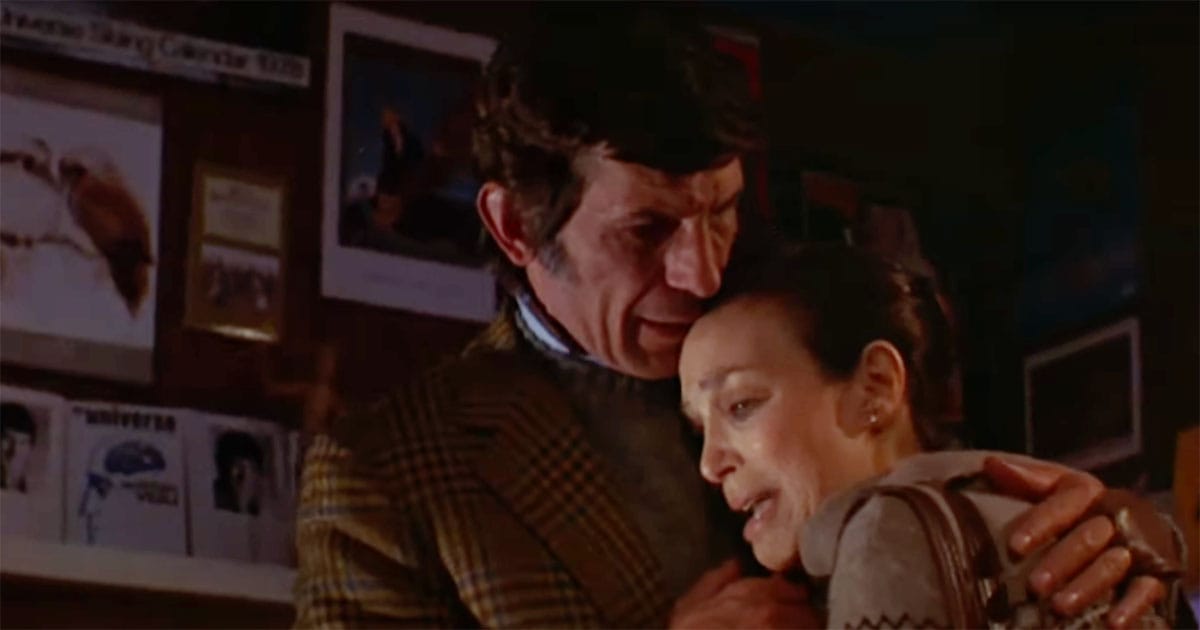
The film emerged during a period when confidence in institutions had weakened. Many people questioned whether systems designed to manage society actually served human needs. Science fiction responded by turning inward.
Rather than imagining distant futures, it examined everyday compromises. It asked how often people traded judgment for comfort. That made the warning personal rather than abstract.
The genre did not claim to have solutions. It insisted on asking uncomfortable questions and leaving them unresolved.
The Discipline of Limits
Classic science fiction understood the value of restraint. The film does not explain everything or overstate its message. It trusts the audience to recognize the danger without being instructed how to feel.
That discipline strengthens the warning. By avoiding spectacle, the story feels closer to real life. The lack of reassurance reinforces the seriousness of the idea.
Modern reinterpretations often mistake clarity for excess. This film demonstrates that withholding explanation can sharpen meaning rather than obscure it.
A Lasting Lesson
The enduring power of the film lies in its refusal to flatter the audience. It does not suggest that awareness guarantees safety. It implies that even those who recognize the danger may still fail.
Classic science fiction often operated from this assumption. Moral insight is necessary but not sufficient. It must be acted upon consistently and at personal cost.
That lesson remains relevant because it addresses a permanent human weakness. The desire to belong has always competed with the duty to judge. Science fiction at its best reminds us that the cost of surrender is higher than it appears.
"Invasion of the Body Snatchers" Trivia
- The film includes a cameo by Kevin McCarthy, star of the 1956 version, who appears as a frantic survivor warning of the invasion.
- Leonard Nimoy was cast against type as a calm, rational authority figure, deliberately playing on his association with logic from television science fiction.
- The famous final shot was added late in production and was not part of the original script, yet it became one of the most enduring images in science fiction cinema.