
What Is Hyperspace in Science Fiction
Hyperspace is a classic science fiction concept that enables faster than light travel through an alternate realm, shaping galactic adventure, trade, and warfare across iconic stories of the genre

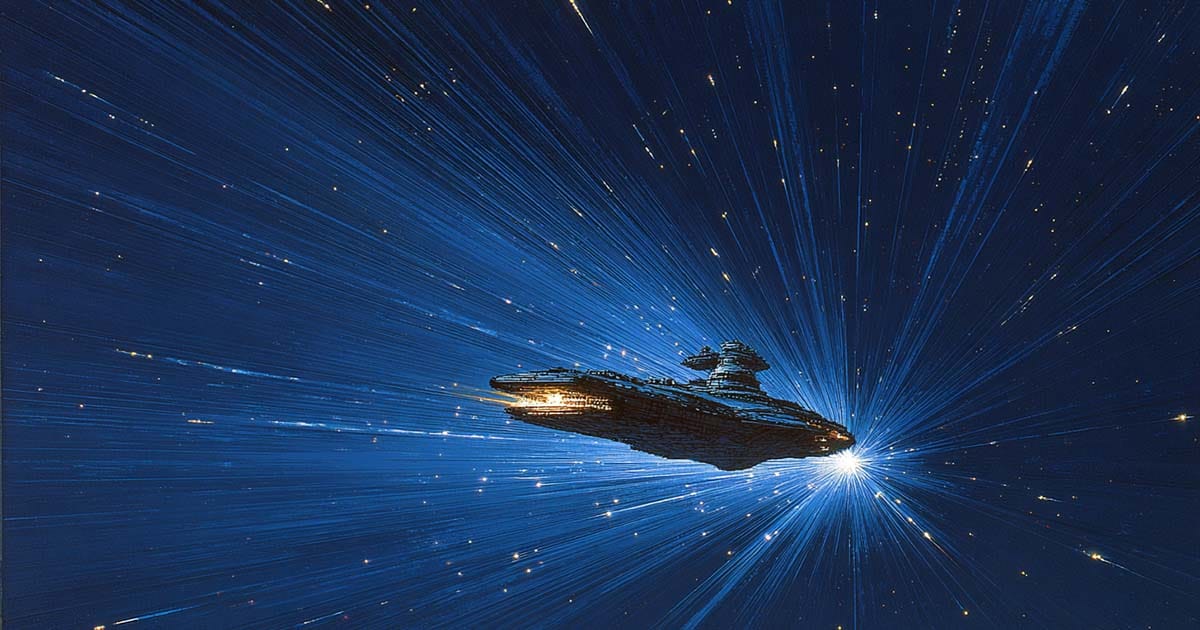
Hyperspace is a speculative concept in science fiction that describes a realm beyond ordinary physical space. It is most often used to explain faster-than-light travel between distant star systems. The idea allows stories to span galaxies while keeping travel times within the realm of human experience.
In most fictional settings, hyperspace exists alongside normal space rather than inside it. A vessel does not simply accelerate to extreme speed but transitions into another domain. That transition reshapes distance instead of eliminating it.
Core Definition
Hyperspace is usually presented as a separate continuum where the rules of distance and motion differ from those of real space. Locations far apart in the observable universe may lie close together within this alternate realm. Travel through hyperspace therefore reduces journeys that would otherwise take centuries.
This realm is rarely portrayed as empty or benign. Many stories treat hyperspace as dangerous or unstable. These risks help maintain suspense and narrative discipline.
Early Origins
The roots of hyperspace lie in early speculation about higher dimensions. Popular science writing in the late nineteenth and early twentieth centuries introduced the public to the idea that space might extend beyond three dimensions. Science fiction writers adapted these abstract notions into practical storytelling tools.
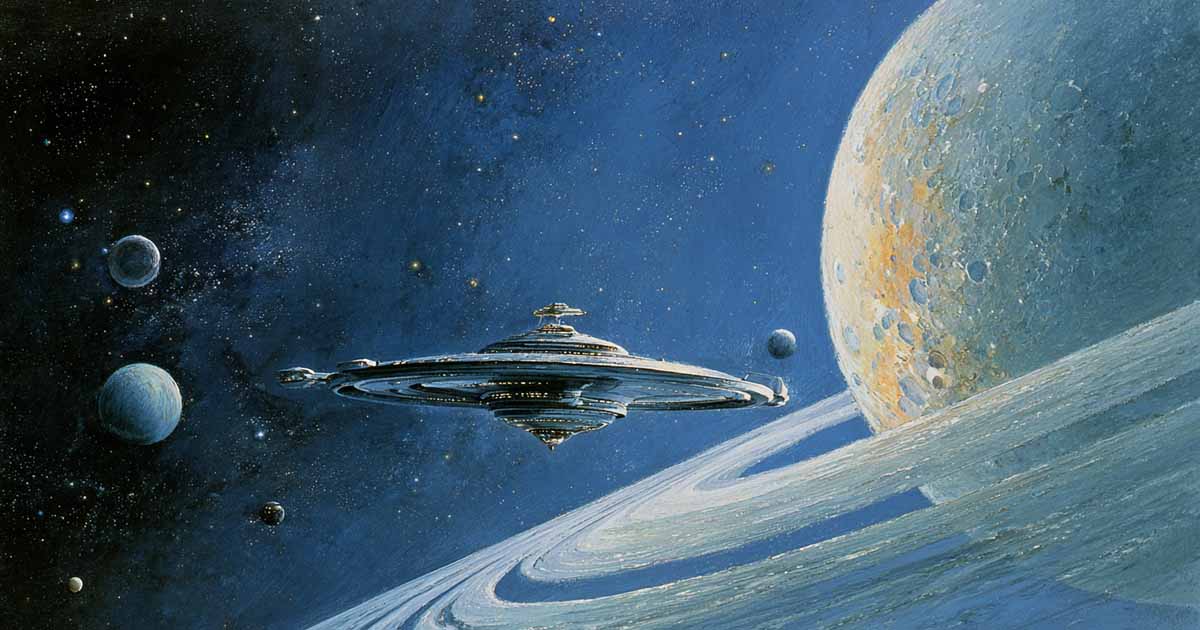
During the pulp era, hyperspace became a reliable solution to a growing problem. Writers wanted galactic settings without slow and uneventful travel. Hyperspace allowed movement, conflict, and exploration to remain central.
Hyperspace in Classic Science Fiction
Classic science fiction often treats hyperspace as an unseen ocean between the stars. Starships resemble seagoing vessels that rely on known routes and careful navigation. The comparison draws directly from earlier adventure fiction set on Earth.
A highly influential example appears in Star Wars. In that universe, hyperspace travel underlies trade, diplomacy, and warfare across the galaxy. Control of hyperspace routes determines power and stability.
Other works use different names and details, but the structure remains familiar. Hyperspace connects distant worlds while preserving the sense of a vast and sometimes hostile universe.
Common Features
Access to hyperspace typically requires advanced machinery. Ships depend on specialized drives or engines to enter and exit the alternate realm. Mechanical failure often leads to isolation or destruction.
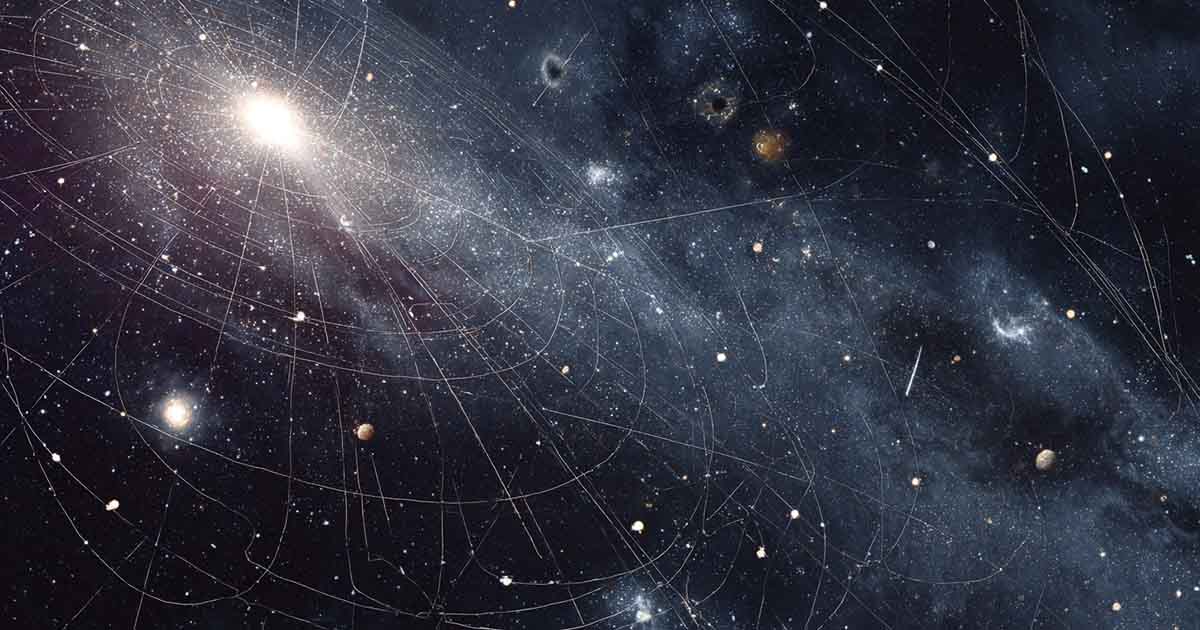
Navigation is another defining feature. Many stories describe mapped routes that must be followed to avoid catastrophic encounters. These routes become the backbone of commerce and empire.
Travel through hyperspace usually takes time. Journeys may last hours or days rather than moments. This choice allows room for character interaction and dramatic tension.
Relationship to Real Science
Hyperspace has no confirmed basis in modern physics. While some theories discuss additional dimensions, they do not allow for large scale travel or navigation. Fictional hyperspace borrows scientific language without following scientific limits.
This distance from real science is deliberate. Hyperspace exists to support storytelling rather than prediction. Its credibility comes from consistency, not proof.
Narrative Purpose
Hyperspace allows science fiction to balance scale with accessibility. Galaxies remain immense, yet characters can move between worlds without endless delays. Distance still matters even when it is reshaped.
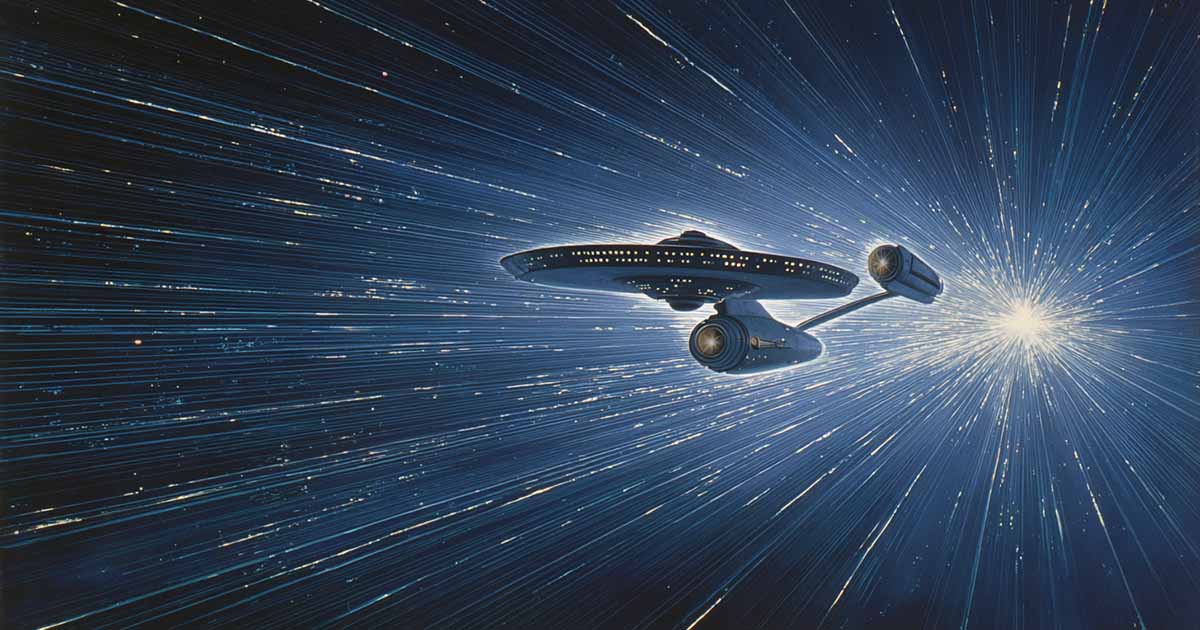
The concept also reinforces themes of risk and exploration. Travel is possible but never trivial. Those who master hyperspace often shape the fate of civilizations.
Enduring Appeal
Hyperspace endures because it is flexible and restrained. It solves practical storytelling problems without overwhelming the reader with technical detail. Writers can adjust its rules to suit tone and setting.
After decades of use, hyperspace has become part of the shared vocabulary of science fiction. Readers understand its role even when its mechanics remain mysterious. That balance explains its lasting appeal.
The Concept at a Glance
Hyperspace is a fictional realm beyond normal space that enables faster-than-light travel. It supports large scale storytelling while preserving danger and dramatic tension. Though inspired by scientific ideas, it remains a literary invention.
In classic science fiction, hyperspace functions as invisible infrastructure. It links worlds, shapes empires, and keeps adventure in motion. Its continued use reflects the genre's need for both wonder and order.