
Who Was Padishah Emperor Shaddam IV
Padishah Emperor Shaddam IV rules the Imperium in “Dune” through tradition, fear, and balance. This profile explains his power, his limits, and why the last Corrino emperor falls.

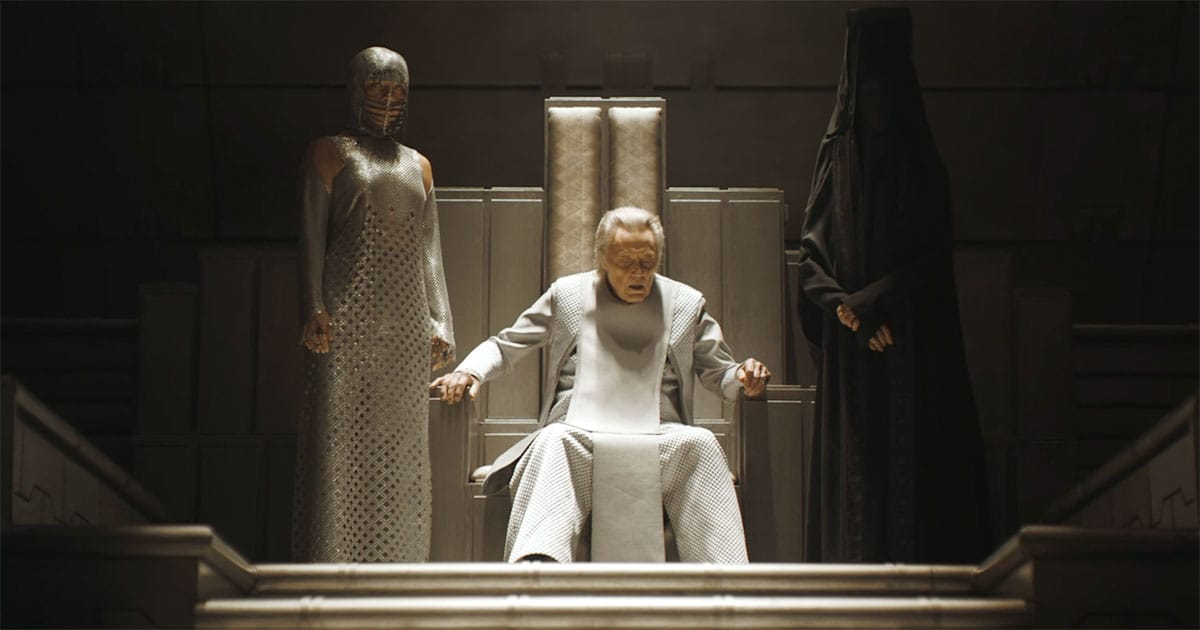
Padishah Emperor Shaddam IV rules the Known Universe at the beginning of "Dune," yet his authority is narrower than his title implies.
He commands ceremony, fear, and tradition, but his power depends on balance rather than domination. Shaddam's story is not one of conquest but of authority slowly eroding under pressure.
He is the final emperor of House Corrino, a dynasty that has ruled for thousands of years. By the time of his reign, the imperial system he inherits appears stable while quietly nearing collapse.
Origins and Context
House Corrino rose to power in the aftermath of the Butlerian Jihad, when humanity rejected thinking machines and reorganized its political order.
The Corrinos emerged as unifying figures in a fractured universe. Over centuries, that role hardened into accepted imperial rule.
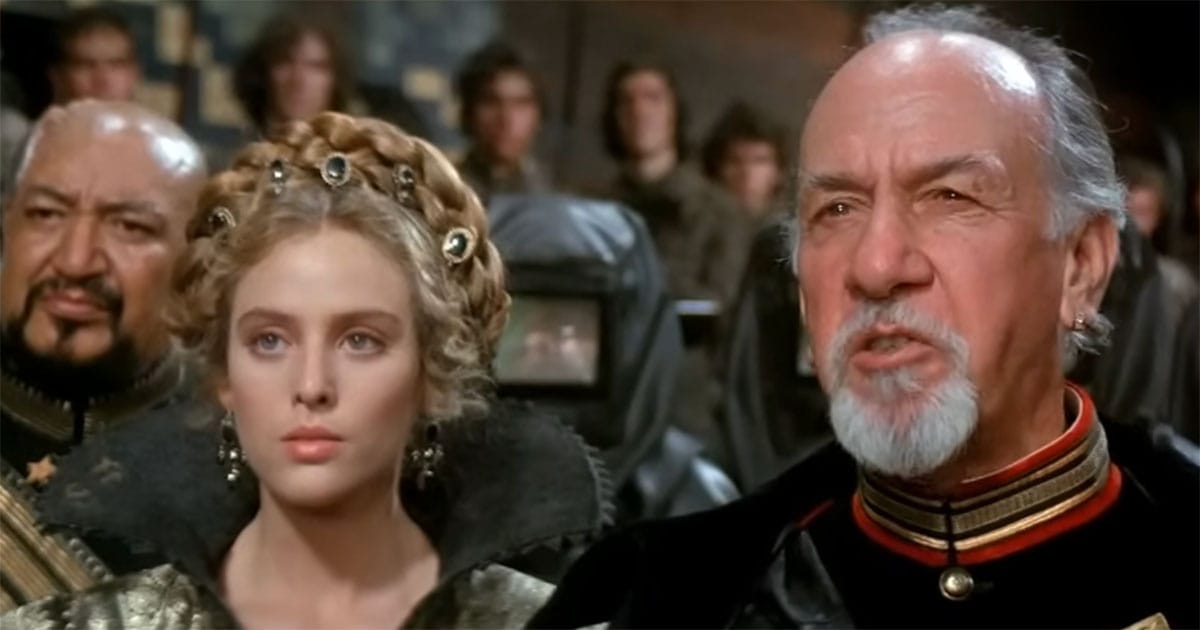
By Shaddam's time, the Imperium functions through institutions rather than personal command. The Landsraad represents the Great Houses and acts as a collective counterweight to the throne. Its approval grants legitimacy that force alone cannot secure.
The Spacing Guild imposes a second limit on imperial authority. Its monopoly on interstellar travel gives it leverage over every planet and House.
Even an emperor must avoid provoking Guild opposition.
This structure favors caution and continuity. Shaddam governs an empire that resists change and rewards subtlety. His role is to preserve equilibrium, not to challenge it.
| Field | Details |
|---|---|
| Name | Padishah Emperor Shaddam IV |
| Affiliation | House Corrino |
| First Appearance | “Dune” by Frank Herbert, 1965 |
| Description | The last Corrino emperor of the Known Universe, Shaddam IV rules through tradition, fear, and political balance until Paul Atreides forces his abdication |
The Emperor's Power Base
Shaddam's most visible instrument of control is the Sardaukar. These elite troops are trained under brutal conditions on Salusa Secundus. Their reputation alone discourages rebellion across the Imperium.
The Sardaukar reinforce the belief that violence can resolve political threats. Over time, this belief becomes institutional habit. Shaddam relies on fear as a stabilizing force rather than persuasion.
Yet fear has limits. The Sardaukar are effective against Houses and armies but less effective against social movements and belief systems. This limitation becomes decisive later in Shaddam's reign.
Dynastic legitimacy forms the second pillar of imperial power. Shaddam has daughters but no sons. This absence weakens his position and sharpens concern over succession.
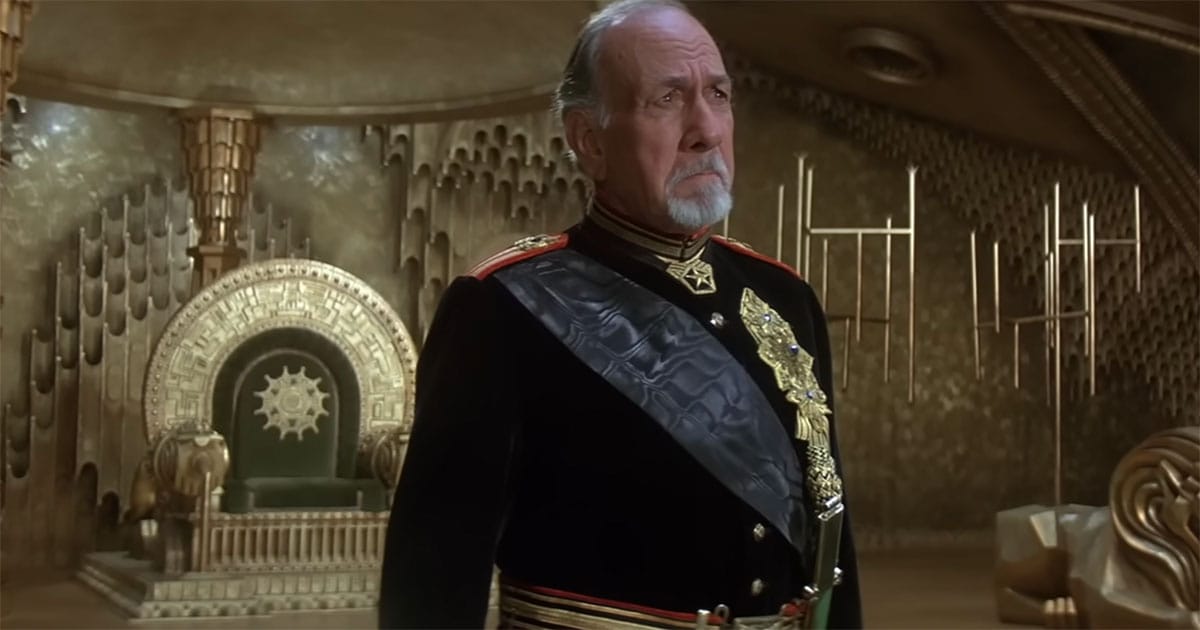
Princess Irulan becomes a political asset rather than a future ruler. Her value lies in marriage and continuity, not inheritance. The Corrino line depends on alliance rather than descent.
Role in the Story
In "Dune," Shaddam's greatest fear is not open rebellion but political popularity. Duke Leto Atreides earns loyalty from other Houses and respect from his soldiers. That combination makes him dangerous within the rules of the Imperium.
Shaddam cannot openly move against House Atreides. Such action would alarm the Landsraad and expose imperial overreach. Instead, he seeks a solution that leaves no public trace.
Arrakis becomes the mechanism of that solution. Control of the spice planet is offered to House Atreides as an honor. In reality, it places them in a vulnerable position.
House Harkonnen is permitted to reclaim Arrakis by force. Imperial Sardaukar assist while disguised to preserve deniability. The plan relies on secrecy and speed rather than overwhelming strength.
The destruction of House Atreides appears complete. From Shaddam's perspective, balance is restored. The threat seems eliminated without imperial fingerprints.
That assumption proves false. Paul Atreides survives and finds power beyond imperial control. Arrakis becomes not a prize but a fulcrum.
Fall and Legacy
Spoiler: Paul Atreides gains control of the spice and the loyalty of the Fremen. He threatens to destroy spice production entirely. This threat overturns every existing political calculation.
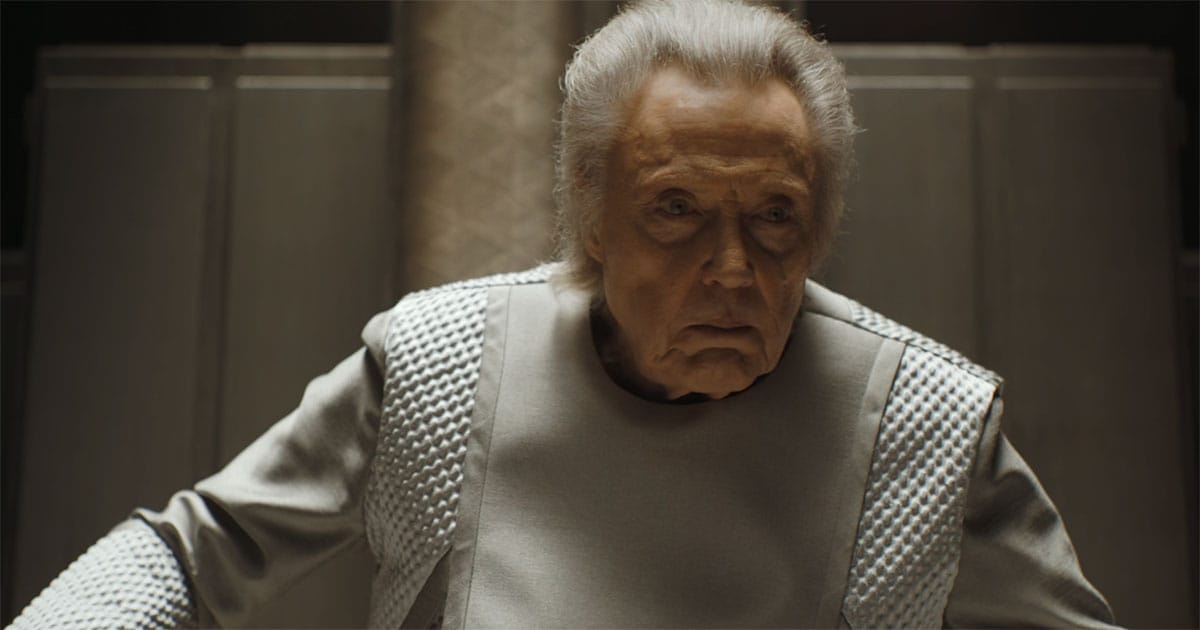
Military force becomes irrelevant. The Guild cannot function without spice. The Landsraad cannot risk economic collapse.
Shaddam is compelled to abdicate. His authority dissolves not through defeat in battle but through loss of leverage. The empire survives by abandoning its ruler.
The marriage of Paul and Princess Irulan preserves a veneer of continuity. The throne remains, but House Corrino does not. Shaddam lives on as a displaced figure.
His legacy is one of decline rather than cruelty. He represents an empire that relied on tradition when adaptability was required. His fall marks the end of an old political order in the "Dune" universe.