
Why Mercy, Not Power, Defines the Original "Star Wars" Trilogy
A deeper look at the original "Star Wars" trilogy reveals its true message. Victory comes not through strength, but through mercy, restraint, and the refusal to become the enemy.

The Familiar Reading and the Overlooked Thread
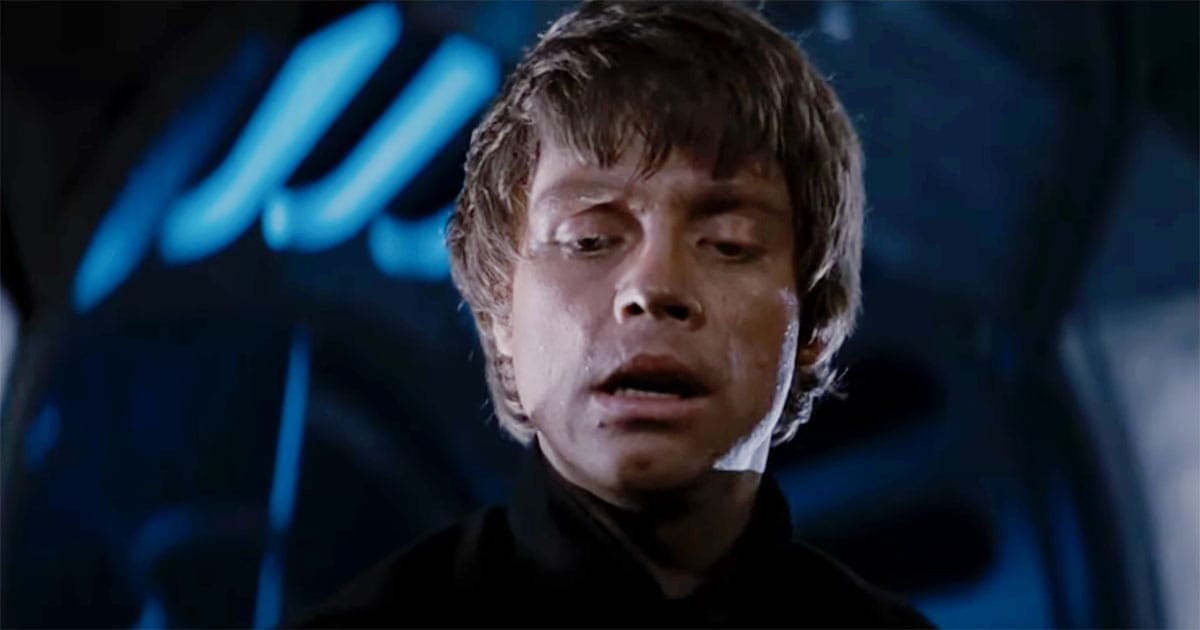
For nearly half a century, the original "Star Wars" trilogy has been read as a story of rebellion, courage, and the triumph of good over evil. It is a tale of starfighter assaults, lightsaber duels, and a young hero rising to meet his destiny. This reading is not wrong, but it is incomplete. It places emphasis on action and outcome while overlooking the quieter decisions that shape both.
Beneath the spectacle runs a different thread. The trilogy does not reward domination. It does not end with the strongest figure standing over a defeated enemy. Instead, its most important moments arrive when characters choose restraint over force.
This is easy to miss because the films are structured like adventure serials. They move quickly, and the audience expects escalation. Yet when the critical moments come, escalation stops. The story turns not on power, but on mercy.
Power Misunderstood in "The Empire Strikes Back"
"The Empire Strikes Back" strips away the illusion that strength alone leads to victory. Luke Skywalker enters the film eager to grow more powerful. His training with Yoda promises mastery, control, and readiness for confrontation. Like many heroes in science fiction, he believes that improvement means becoming stronger than his enemy.
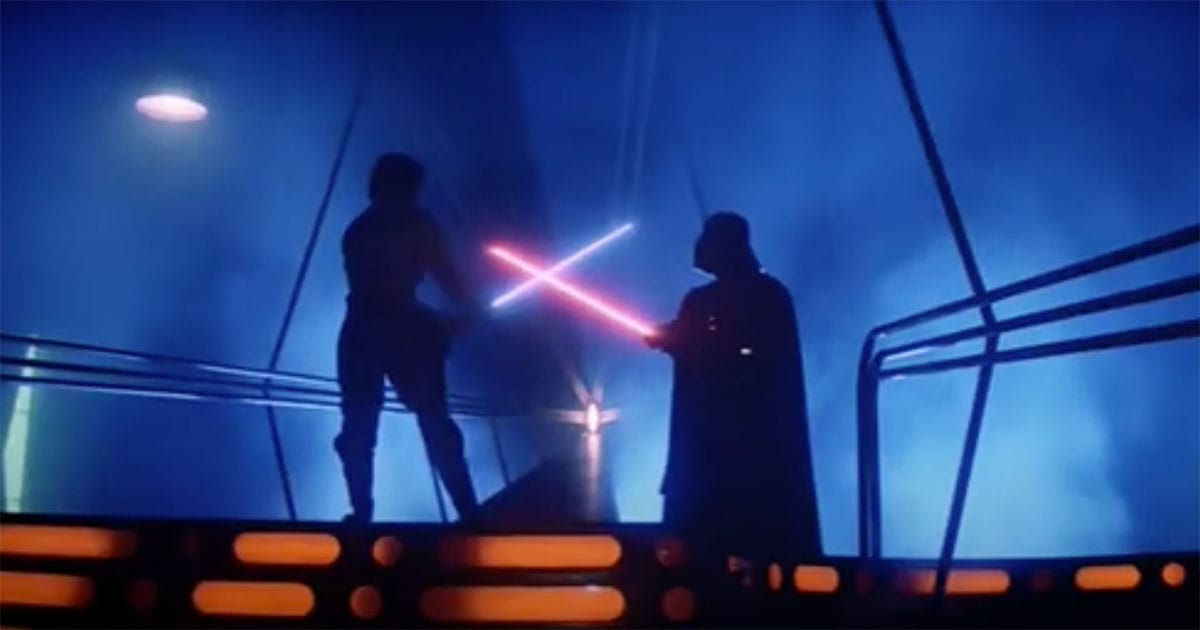
What follows is a direct correction. Luke abandons his training before it is complete. He rushes into a confrontation with Darth Vader, convinced that his current ability will be enough. It is not. The duel reveals a gap not just in skill, but in understanding.
Yoda's warnings are clear and practical. The Force is not meant to serve anger or fear. Luke hears this, but he does not yet accept it. His defeat is therefore inevitable. He is not overpowered by a superior opponent alone. He is undone by his belief that power is the answer.
By the end of the film, Luke is diminished. He has lost a hand, and more importantly, his certainty. This is not a failure of the story. It is a necessary step. The trilogy must first show that power cannot solve the problem before it can offer an alternative.
Darth Vader and the Limits of Control
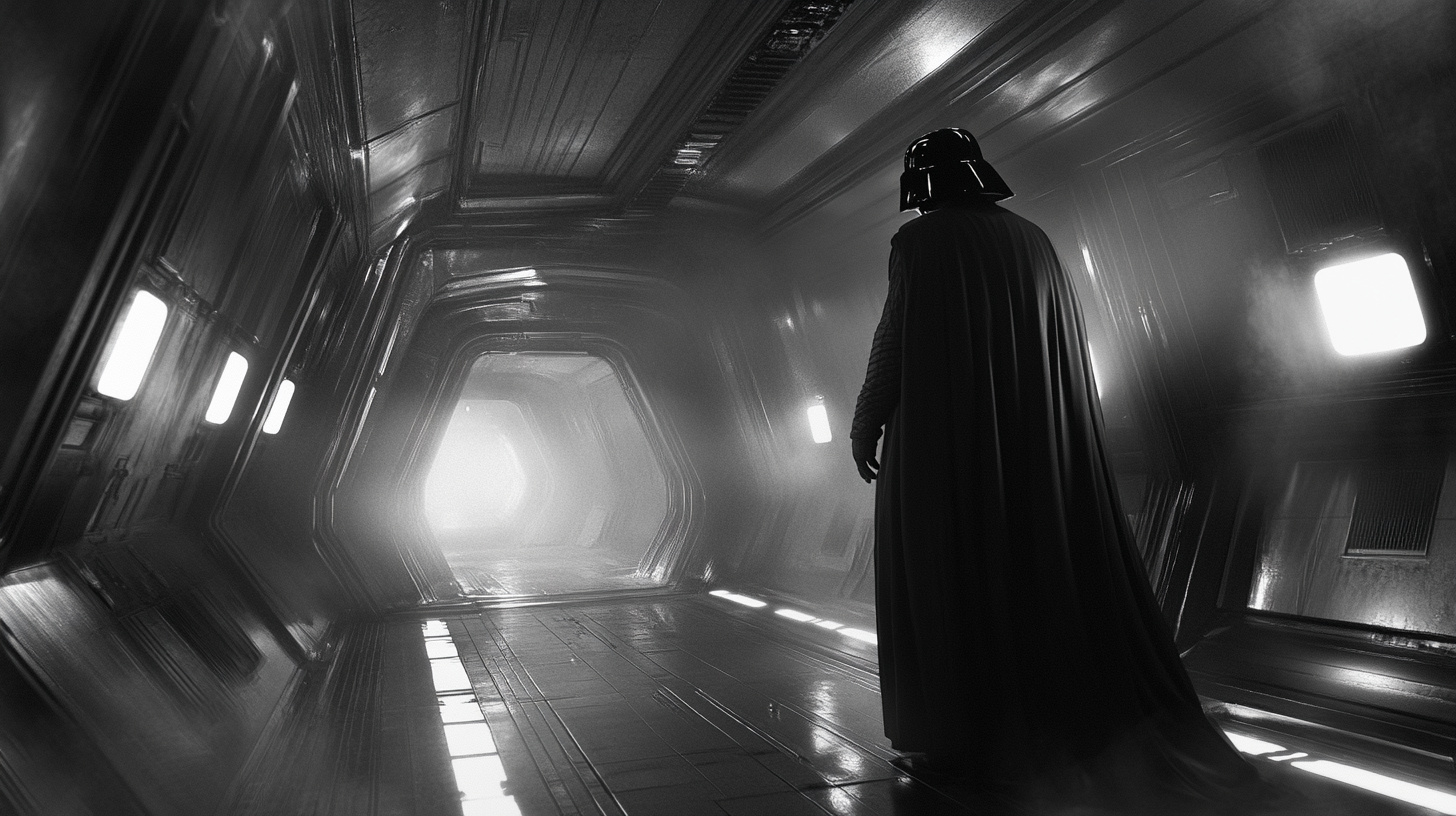
Darth Vader represents what happens when power becomes the sole guiding principle. He commands fleets, enforces the will of the Empire, and inspires fear wherever he appears. By any conventional measure, he has achieved total authority.
Yet his condition tells a different story. He is confined within armor, dependent on machinery, and cut off from ordinary human experience. His power has not made him whole. It has reduced him.
The revelation that Vader is Luke's father shifts the conflict from external to internal. Luke is no longer facing an enemy alone. He is facing a possible future. Vader becomes a warning as much as a threat.
Luke's insistence that there is still good in Vader is treated with skepticism by others. It is not supported by evidence in the usual sense. Still, the narrative returns to it. This belief introduces the idea that power has not erased humanity entirely. It also sets the stage for a decision that cannot be resolved through combat.
The Throne Room and the Refusal to Kill
The throne room sequence in "Return of the Jedi" brings the trilogy's central conflict into sharp focus. The Emperor constructs a situation designed to force Luke into violence. He presents power as the only logical path. Destroy Vader, take his place, and bring order through strength.
Luke resists at first. Then he gives in. His anger rises, and he attacks with intensity. For a brief moment, he achieves what he could not in the previous film. He defeats Vader and stands in a position of absolute advantage.
Then he stops.
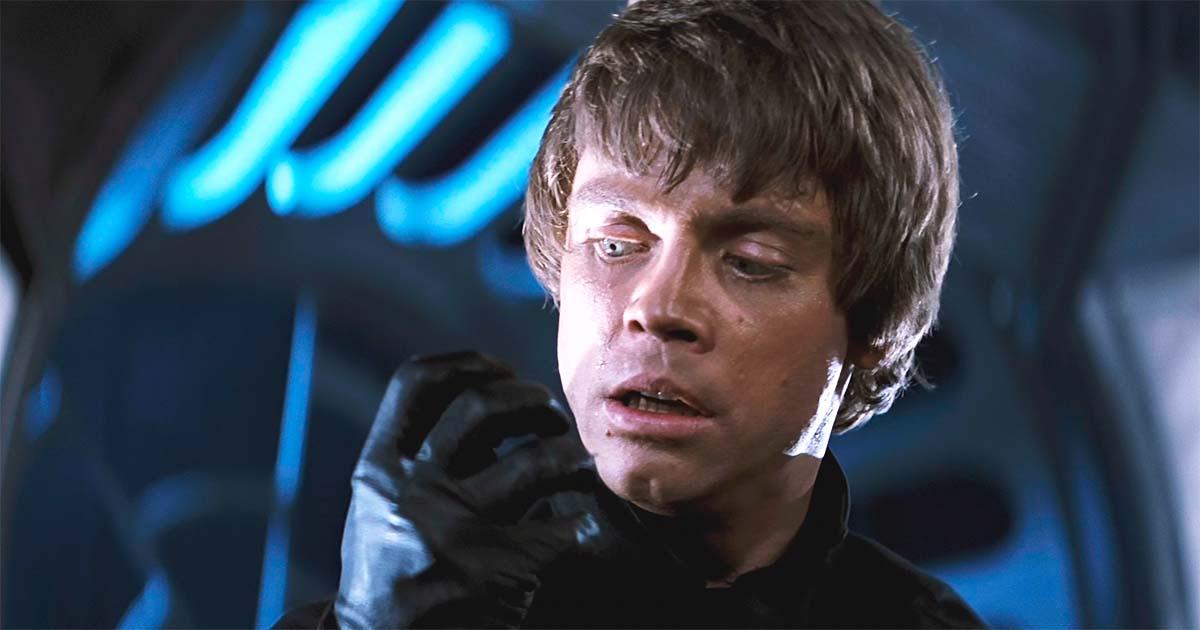
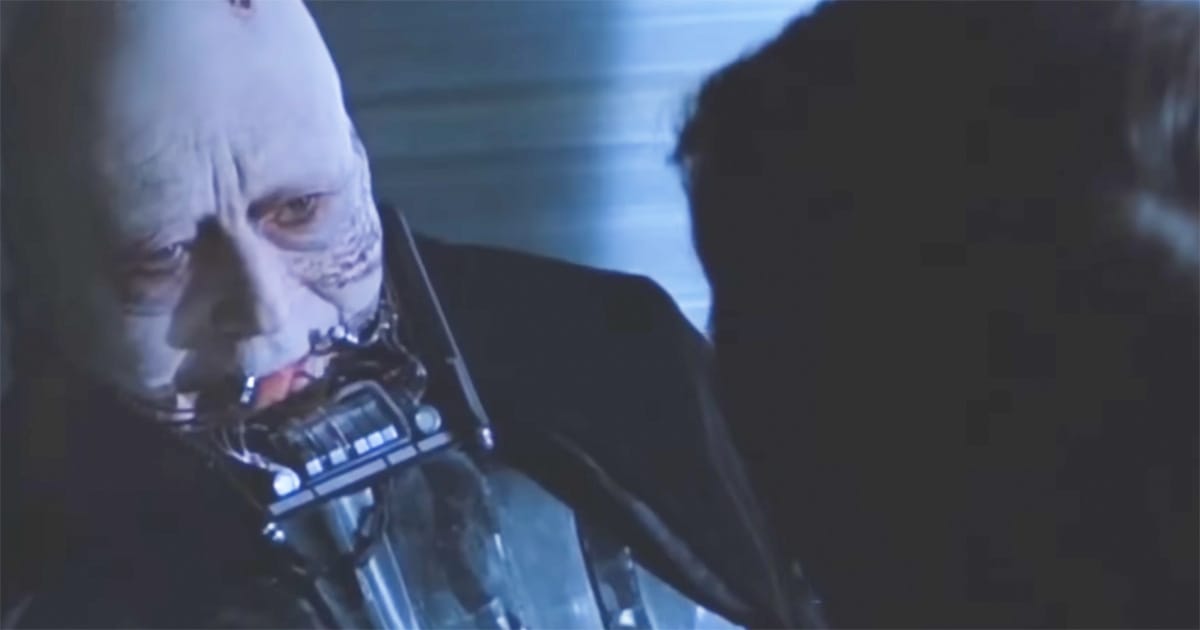
This decision is the turning point of the trilogy. Luke looks at Vader, then at his own mechanical hand, and understands the path he is on. To strike the final blow would not end the cycle. It would continue it.
His refusal is not hesitation. It is a deliberate rejection of the logic presented by the Emperor. Luke chooses to remain vulnerable rather than become powerful in the same way Vader did.
This act has consequences that power could never achieve. The Emperor cannot comprehend it. Vader, however, can. The choice to spare him reaches something that years of control could not suppress. In that moment, mercy succeeds where power has failed.
Why Mercy Endures While Power Fails
The original "Star Wars" trilogy endures because it offers more than spectacle. It presents a clear argument about the limits of power. Strength can defeat an opponent, but it cannot restore what has been lost. It cannot heal or redeem.
Mercy operates on a different level. It does not guarantee safety or control. It introduces risk. Yet it is the only force in the trilogy that leads to restoration. Vader is not destroyed. He is reclaimed.
This message is often overlooked because it runs counter to expectations. Audiences are trained to look for decisive victories. Here, the decisive act is a refusal.
In the end, the trilogy is not about overthrowing an empire alone. It is about choosing not to become what one fights. That choice, simple and difficult at once, is what gives the story its lasting weight.