
Why Spock's Logic in Star Trek Is Actually Driven by Emotion
Spock is known for logic, but key moments in Star Trek reveal a deeper struggle. This article examines the emotion, discipline, and humanity behind his iconic character.

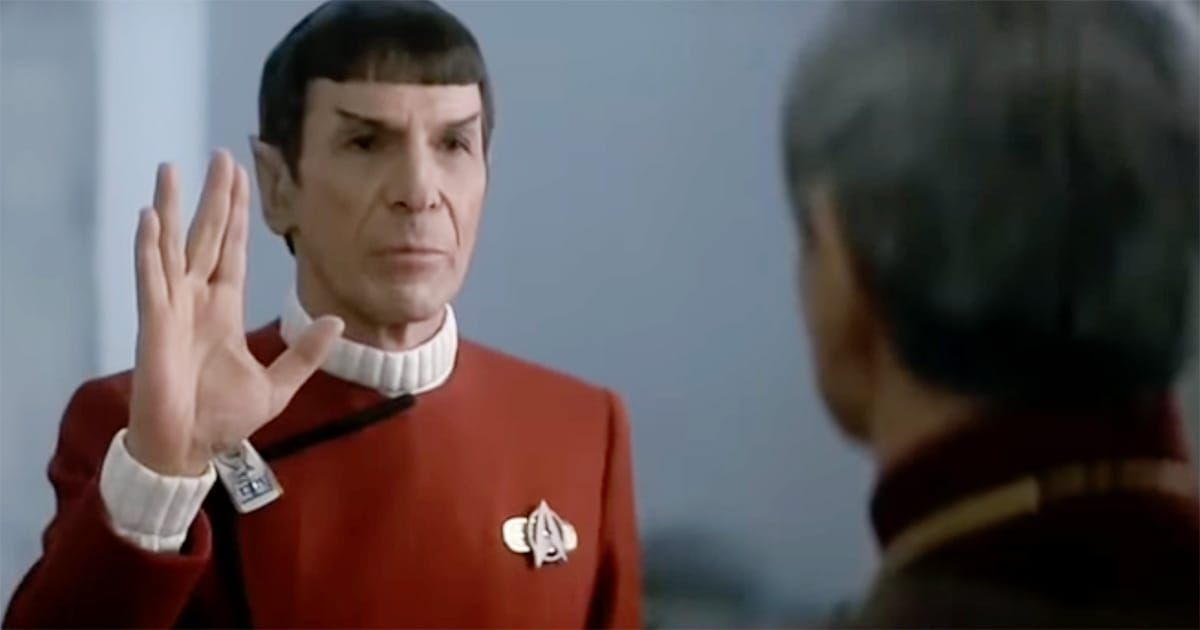
The enduring image of logic
The popular image of Spock remains fixed as the ultimate man of reason. From his first appearance in "Star Trek: The Original Series," he projects calm authority through measured speech and disciplined posture. Generations of viewers have taken this surface presentation at face value. The result is a simplified understanding that reduces a complex figure to a single trait.
Spock's position aboard the Enterprise strengthens this perception. He operates as a counterweight to the instinct-driven leadership of James T. Kirk and the emotionally grounded perspective of Leonard McCoy. His frequent appeals to logic appear consistent and unwavering. In spite of this, the structure of the series quietly challenges that assumption.
The writing of the show does not present logic as effortless. It presents it as work. Spock's composure carries the marks of maintenance, not ease.
Logic as practiced discipline
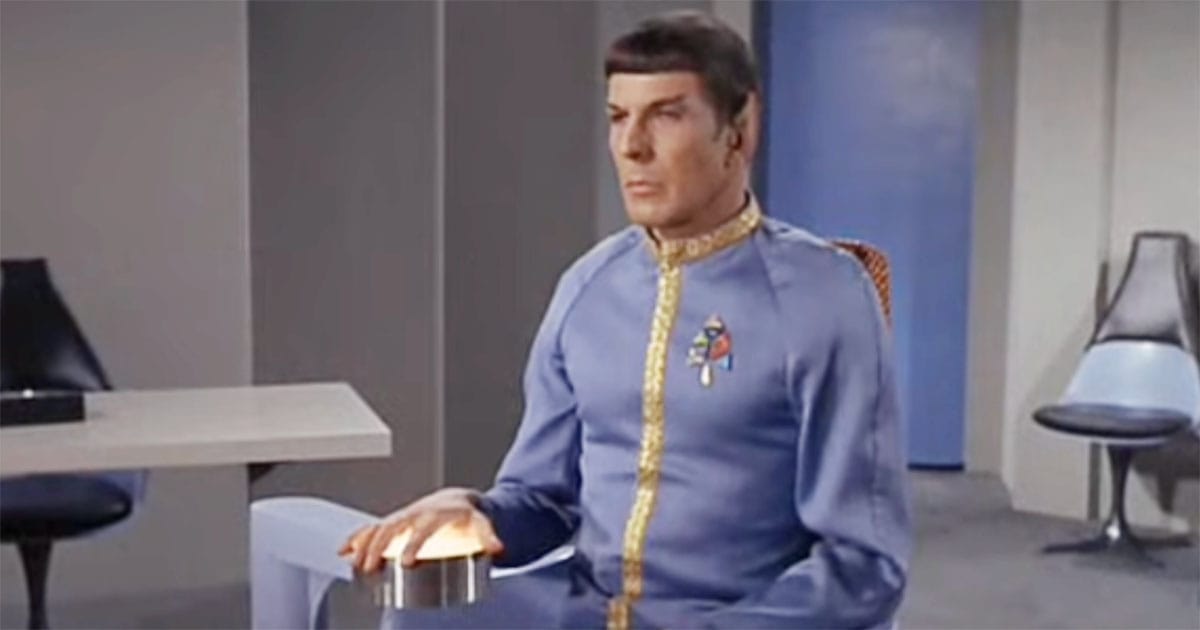
Vulcan philosophy, as portrayed in the series, operates as a system of restraint. It does not remove emotion, but seeks to regulate it through mental discipline. This distinction forms the foundation of Spock's character. His logic reflects training and commitment rather than innate emptiness.
His dual heritage complicates this effort. As the son of a Vulcan father and a human mother, he exists between two worlds that value different forms of expression. His human side introduces impulses that resist suppression. His Vulcan side demands that those impulses remain controlled at all times.
This tension defines his daily existence. Each interaction becomes an opportunity to maintain balance. His calm demeanor therefore reflects vigilance rather than absence.
Other Vulcans provide a revealing contrast. They demonstrate composure without visible strain. Spock, by comparison, often appears to hold something in reserve.
The conclusion follows naturally. Discipline implies resistance. Logic, in his case, serves as a response to pressure rather than a lack of feeling.
The early fractures
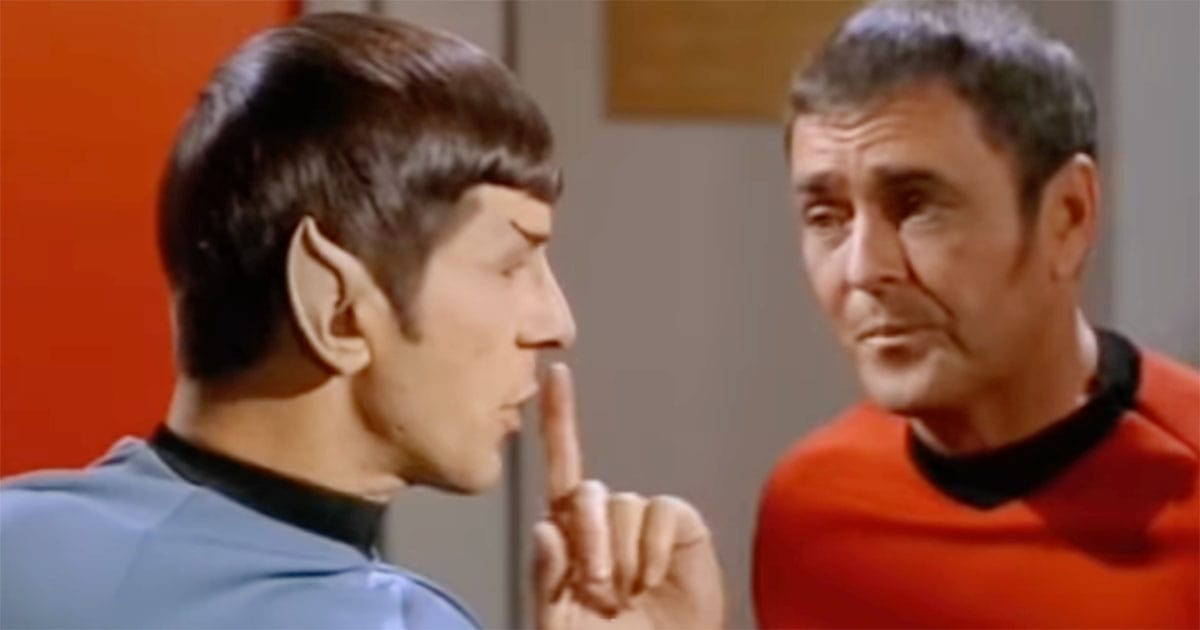
"The Naked Time" offers one of the clearest glimpses beneath Spock's exterior. A contaminant removes the barriers he has constructed through years of discipline. What emerges is not chaos, but confession. He speaks of loneliness, frustration, and a sense of divided identity.
This scene carries significance because it aligns with what has already been suggested. The episode does not invent new traits. It reveals what has been present all along.
Other episodes reinforce this pattern. External forces often bring Spock closer to emotional expression. Each instance adds weight to the argument that his inner life remains active and complex.
Subtle moments carry equal importance. A hesitation in speech or a brief change in tone suggests reactions he chooses not to express fully. These details reward careful observation. They remind the viewer that restraint often hides more than it reveals.
Instinct and crisis
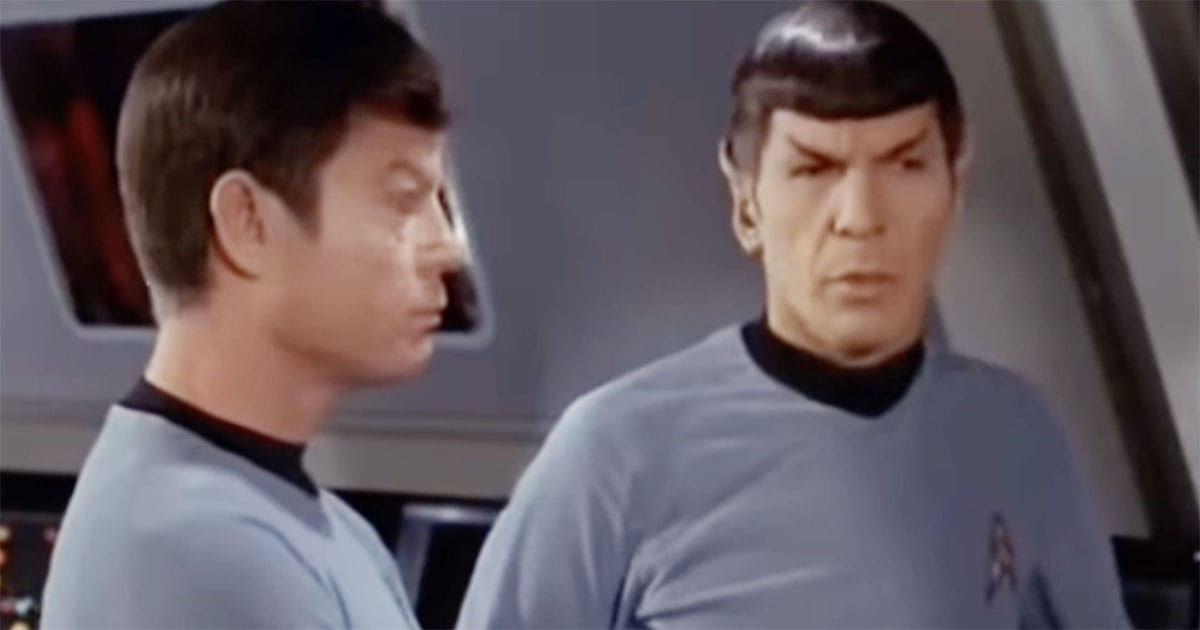
"Amok Time" presents a different kind of challenge. Here, Spock faces a biological imperative that cannot be reasoned away. His behavior shifts from controlled analysis to urgent action. The episode demonstrates that logic has limits when confronted with the demands of nature.
The Vulcan response to this condition reveals a deeper truth. Ritual provides a structured way to confront emotion without surrendering to it. Spock's participation shows that even the most disciplined mind must acknowledge these forces.
The episode also underscores the cost of suppression. When control falters, the release is intense and immediate. Spock's struggle becomes visible in a way that everyday interactions only hint at.
This portrayal strengthens the central argument. Logic remains essential to his identity, but it does not define the entirety of his experience.
The meaning of sacrifice
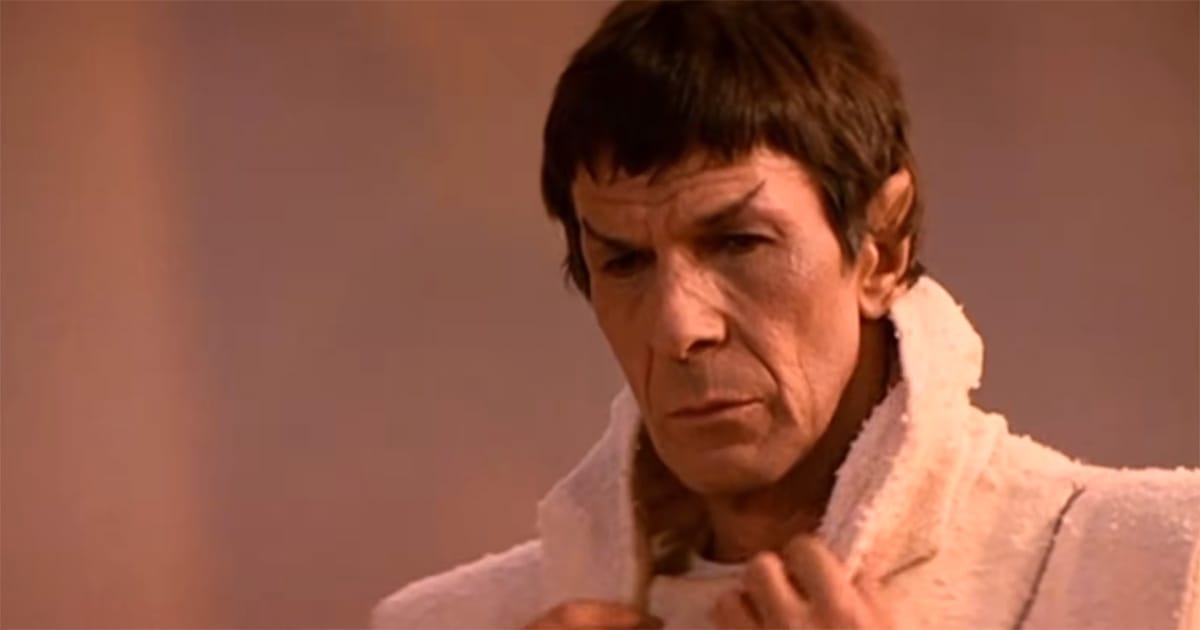
"Star Trek II: The Wrath of Khan" provides the most widely recognized example of Spock's commitment to logic. Faced with a crisis, he identifies a solution that requires personal sacrifice. His reasoning follows a clear and consistent principle. The needs of the many outweigh the needs of the few.
On the surface, this decision appears purely analytical. It aligns with everything the audience expects from him. Yet the surrounding context introduces another layer of meaning.
His final moments with Kirk reveal a depth that logic alone cannot explain. The exchange carries emotional weight rooted in years of shared experience. Respect, loyalty, and friendship shape the moment in ways that extend beyond calculation.
The act itself reflects both sides of his nature. Logic provides the framework. Emotion gives it significance.
A more complete understanding
Spock emerges as a figure defined by balance rather than purity. He does not represent the absence of emotion, but the effort to manage it. This distinction transforms how his actions are understood. His restraint becomes more meaningful when viewed as a constant achievement.
The persistence of the "pure logic" interpretation reflects a broader tendency to simplify complex characters. Audiences often favor clear categories over nuanced realities. Spock resists that simplification through consistent contradiction.
His appeal lies in this resistance. He embodies the idea that reason and feeling can coexist without diminishing one another. His journey reflects a central concern of science fiction regarding the nature of humanity.
In the final analysis, Spock endures not because he is perfectly logical, but because he is not. His struggle gives him dimension. His discipline gives him strength. Together, they create one of the most compelling characters in the history of the genre.