
10 Star Wars Figures That Bring the Galaxy Home
From Yoda and Anakin Skywalker to the Ghost crew and General Grievous, these Star Wars figures capture the characters, conflicts, and memories that shaped the saga.

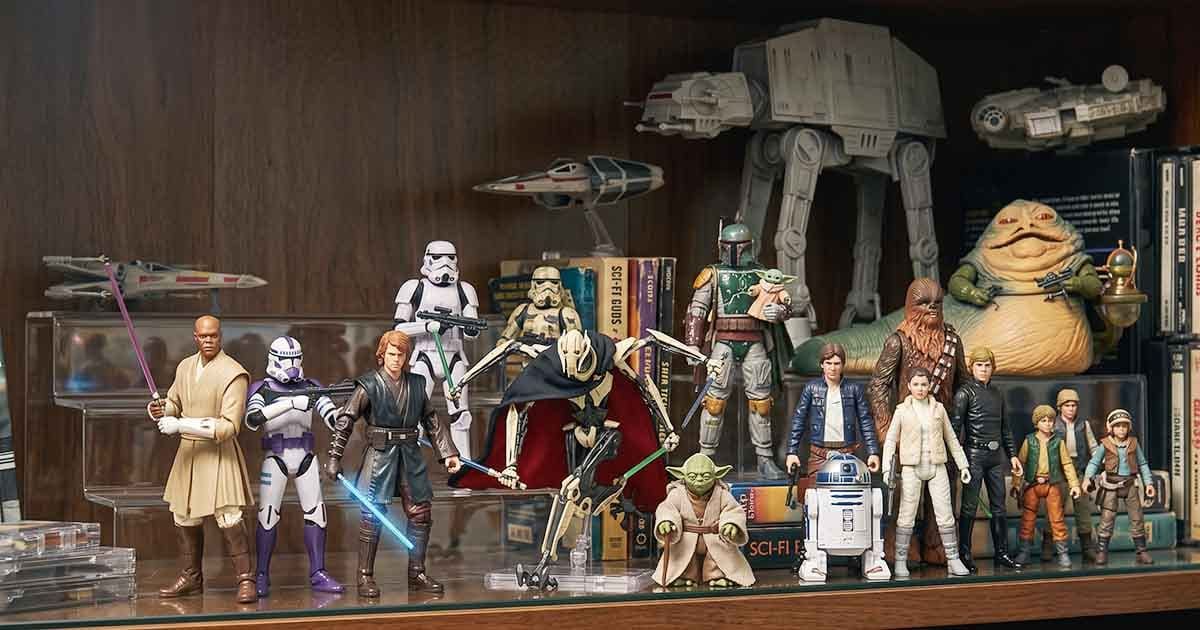
When "Star Wars" reached theaters in 1977, it changed more than science fiction movies. It also changed the way fans brought those movies home. For millions of children, the galaxy far, far away soon existed on bedroom floors, kitchen tables, and backyard battlefields.
Star Wars action figures became part of the experience almost as quickly as the movies themselves. Luke Skywalker could face Darth Vader again, Han Solo could escape another impossible situation, and characters who shared only a few minutes of screen time could suddenly become important players in an afternoon adventure. The figures helped turn a movie into a world that fans could enter whenever they wanted.
That idea proved remarkably durable. As the movies expanded into sequels, prequels, television series, and new generations of characters, the figures expanded with them. Simple toys gradually gave way to more detailed sculpts, better articulation, and versions designed as much for display as for play.
Nearly 50 years later, Star Wars figures remain part of the culture surrounding the franchise. Their appeal is tied to nostalgia, craftsmanship, and the pleasure of giving physical form to a favorite character. A small figure can still carry a surprising amount of memory with it.
A Hutt Chooses His Own Path
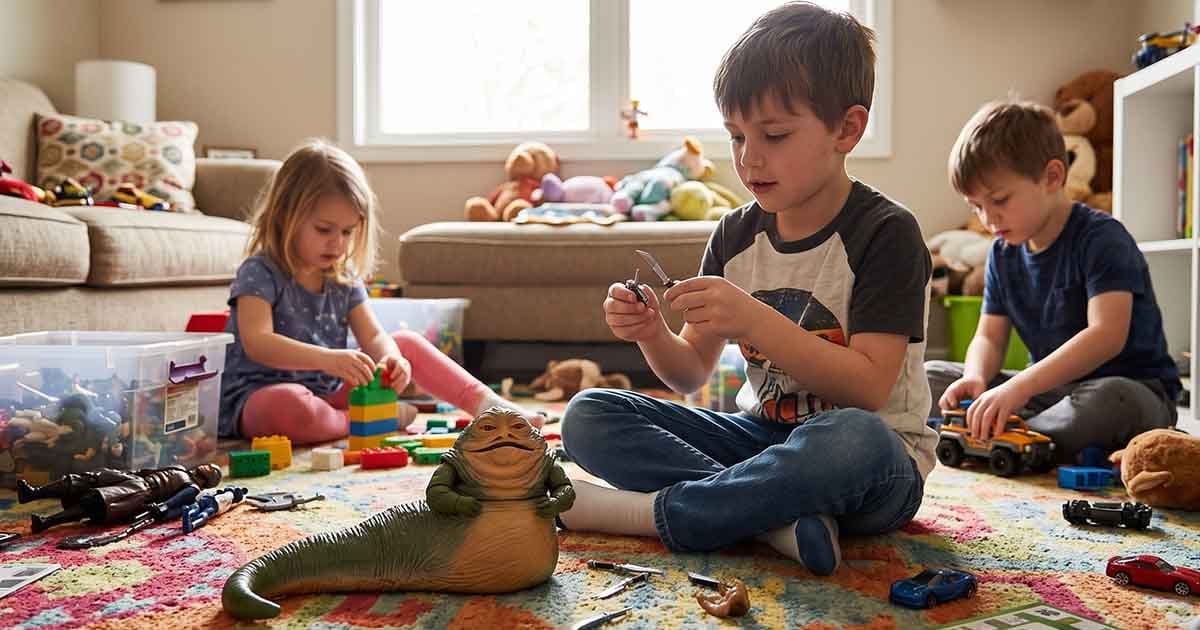
Rotta the Hutt carries a name heavy with history, but this version of the character suggests a very different future. Jabba's son steps out from under his father's long shadow, weapons in hand and a look that feels more warrior than crime lord. The figure captures that change with a sculpt that gives Rotta real presence. It is a strange, memorable reminder that even in the Star Wars galaxy, family legacies do not always decide the path ahead.
The Ghost Crew Returns
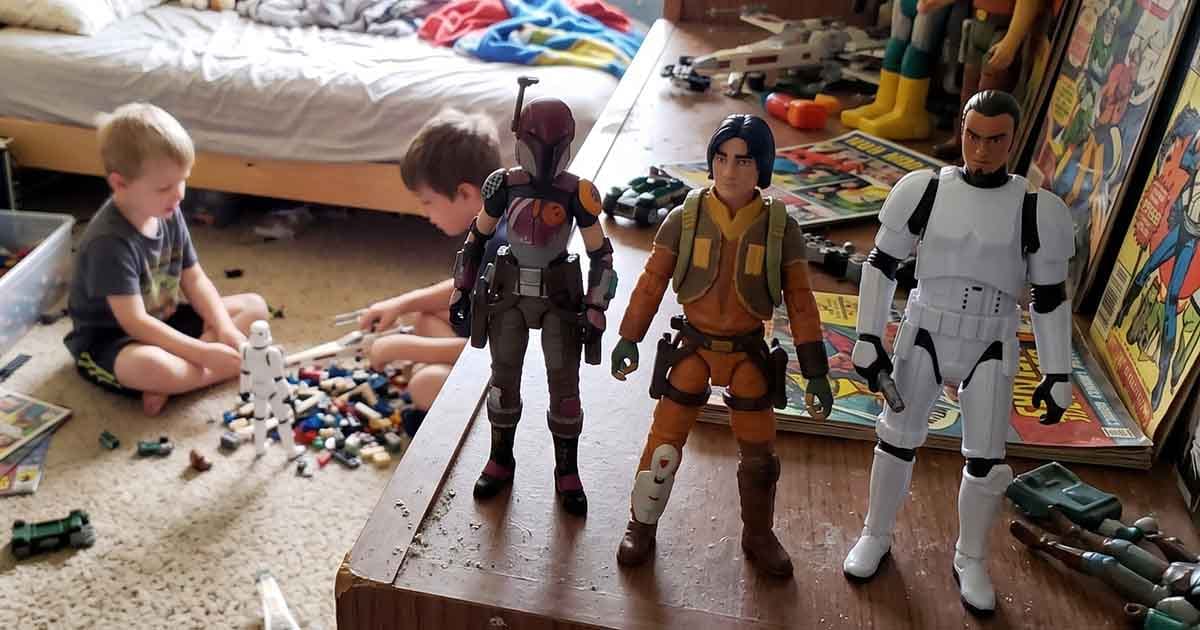
Sabine Wren, Ezra Bridger, and Kanan Jarrus capture the scrappy spirit that made "Star Wars Rebels" feel so different from the larger galactic battles around it. Their story began with a small crew trying to survive Imperial rule and grew into one of the rebellion's most personal chapters. The figures reflect that early sense of improvisation, with disguises, weapons, and details tied closely to their adventures. Together, they feel less like legends and more like a family still becoming one.
The Empire Refuses to Die
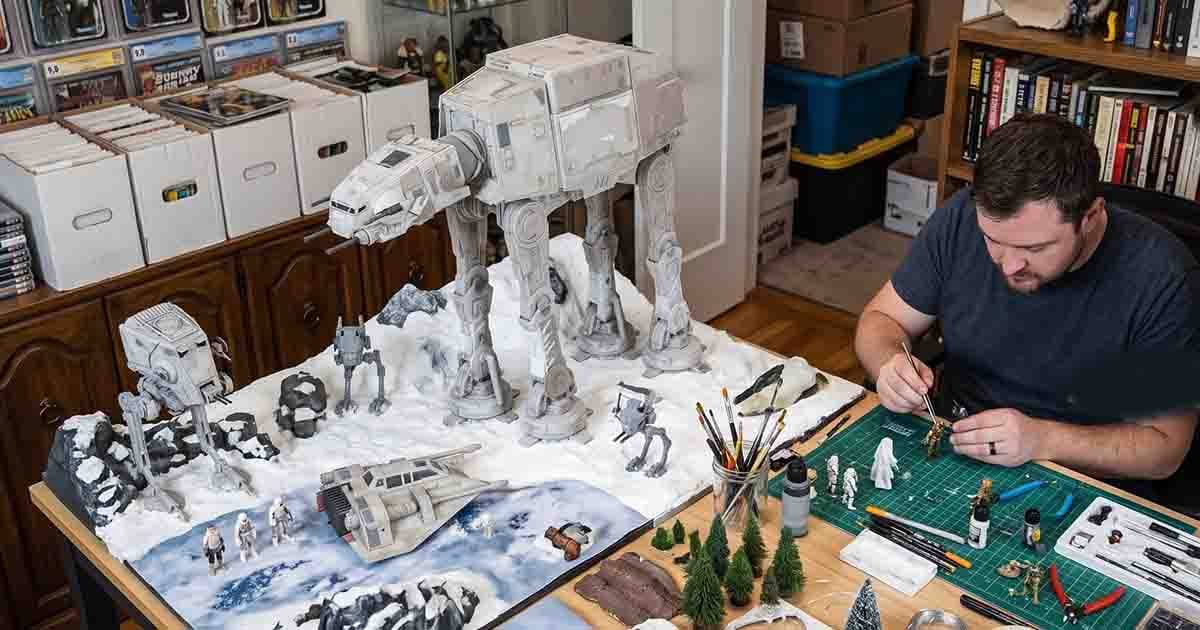
The fall of the Emperor did not end the Empire, and this battle pack captures that stubborn survival. An Imperial Remnant AT-AT rolls forward with smaller vehicles and troops around it, while the Mandalorian and Grogu bring the opposition into the same scene. The set reflects one of the more interesting ideas in newer Star Wars stories, where defeated powers splinter rather than disappear. It turns a familiar Imperial war machine into evidence that old threats can linger for years.
Trouble Comes Fast
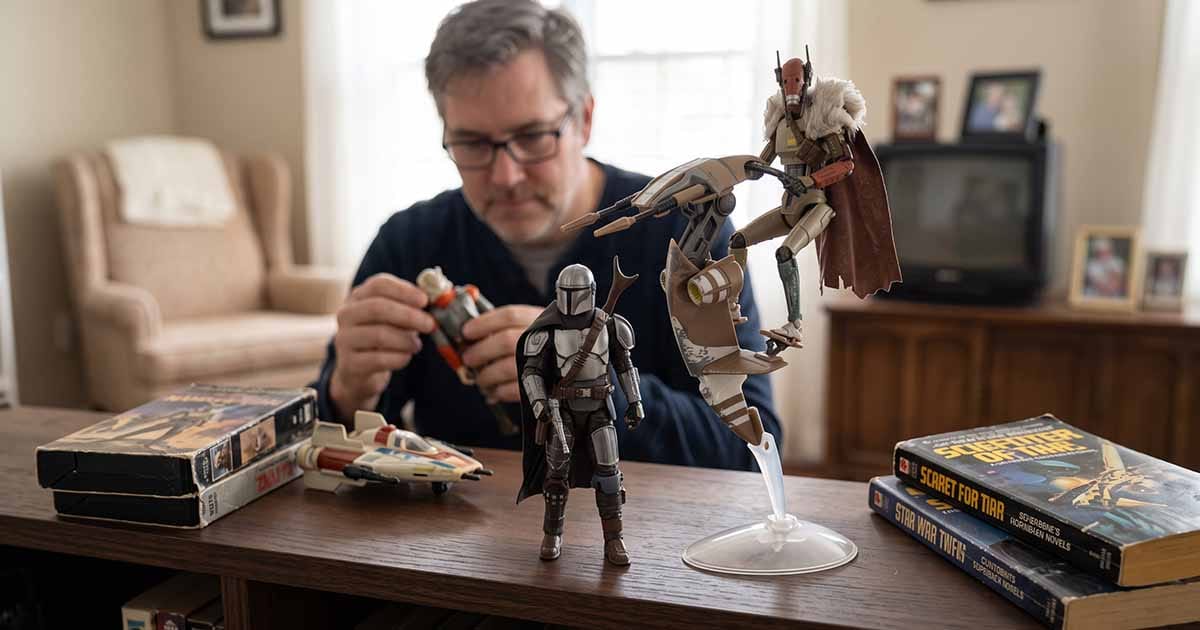
The Mandalorian rarely gets the luxury of a quiet mission, and this set captures the feeling that trouble can arrive from several directions at once. A mercenary guard droid brings a mechanical threat, while the STAP adds speed and motion to the scene. The combination feels pulled from the rougher edges of the Star Wars galaxy, where survival depends on quick decisions and even quicker reflexes. It is the kind of confrontation that suits Din Djarin perfectly.
An Unlikely Combination
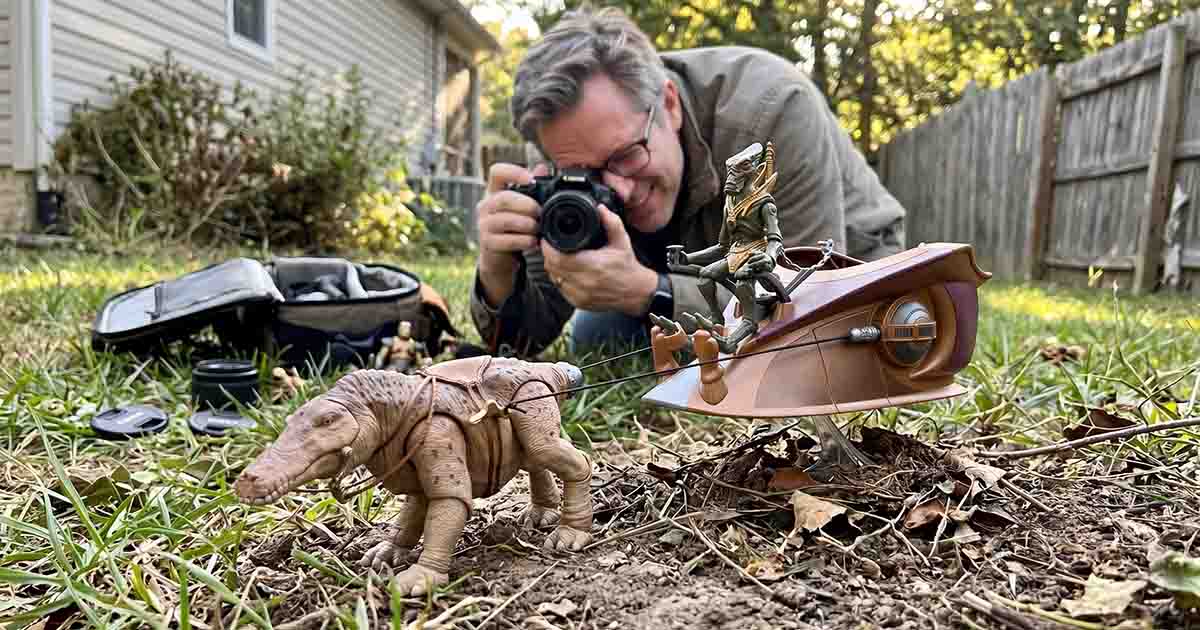
One of the pleasures of Star Wars has always been watching familiar technology turn up in unexpected places. Here, the Mandalorian shares the scene with a mercenary guard droid and a STAP, a vehicle more closely associated with battle droids than bounty hunters. That mix gives the set a wonderfully patched-together feel, as though several corners of the galaxy collided during one chaotic job. It captures the used, improvised quality that has always made Star Wars machinery feel believable.
The Moment Before Vader
Anakin Skywalker in "Revenge of the Sith" is compelling because the hero and the villain still occupy the same man. This figure captures him at the point when confidence has hardened into anger and every choice seems to narrow the road ahead. The blue lightsaber keeps him visually tied to the Jedi he once was, even as the story moves toward Mustafar. Few Star Wars characters carry so much tragedy before the mask ever appears.
The Republic at War
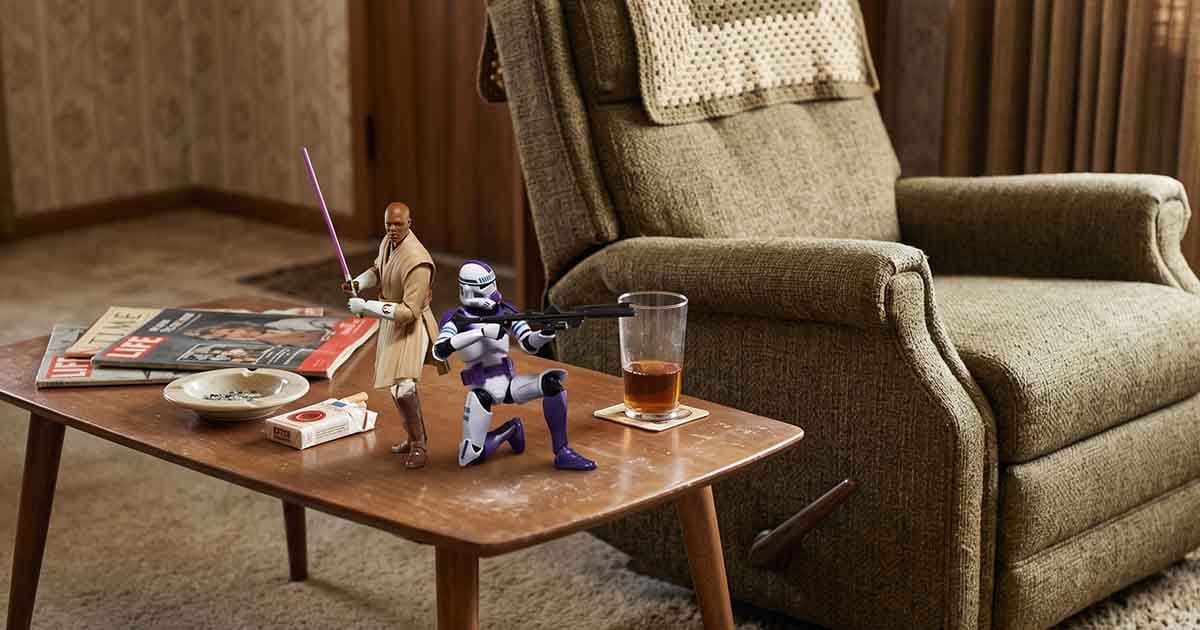
Mace Windu and a 187th Legion clone trooper represent the Republic at the height of the Clone Wars, when Jedi generals led armies across the galaxy. The pairing works because it shows both sides of that strange alliance, with a Jedi Master beside one of the soldiers created to fight for him. Windu's purple lightsaber gives the scene instant identity, while the clone grounds it in the machinery of war. Together, they capture a Republic already moving toward tragedy.
Four Blades, One Hunter
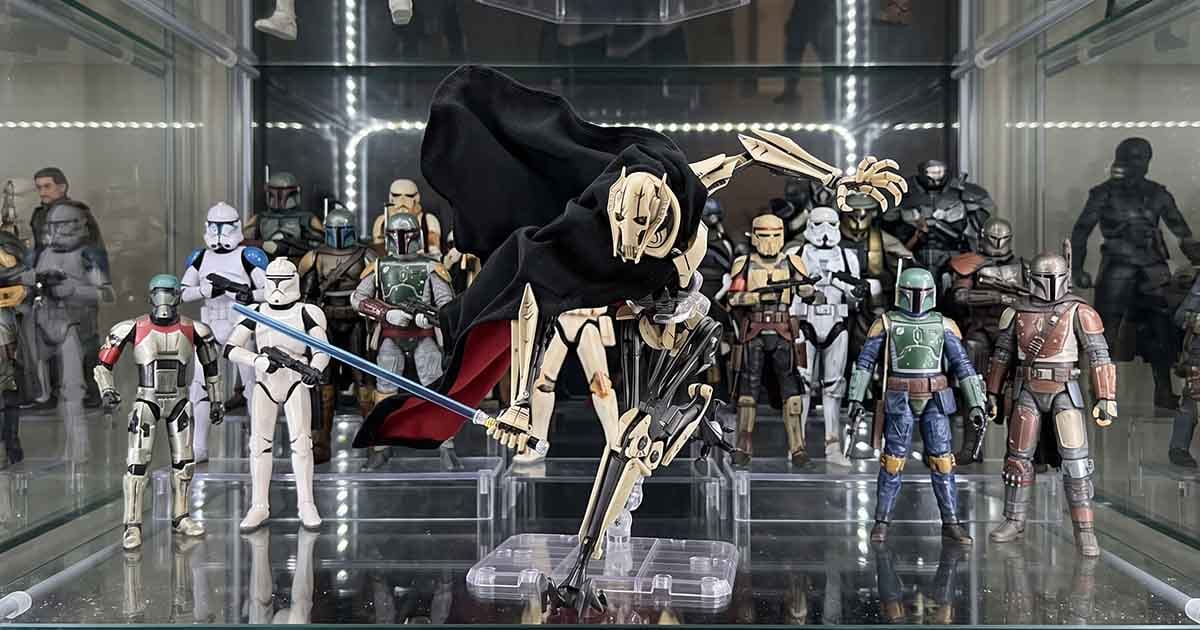
General Grievous was built to look impossible, part machine, part warrior, and entirely dangerous. This figure leans into that strangeness with the four-arm stance that made his duels in "Revenge of the Sith" so memorable. The removable cape softens the mechanical silhouette just enough to recall the theatrical commander beneath all that metal. With four lightsabers ready, Grievous looks less like a soldier and more like a nightmare the Jedi learned to fear.
The Heroes Who Carried the Rebellion
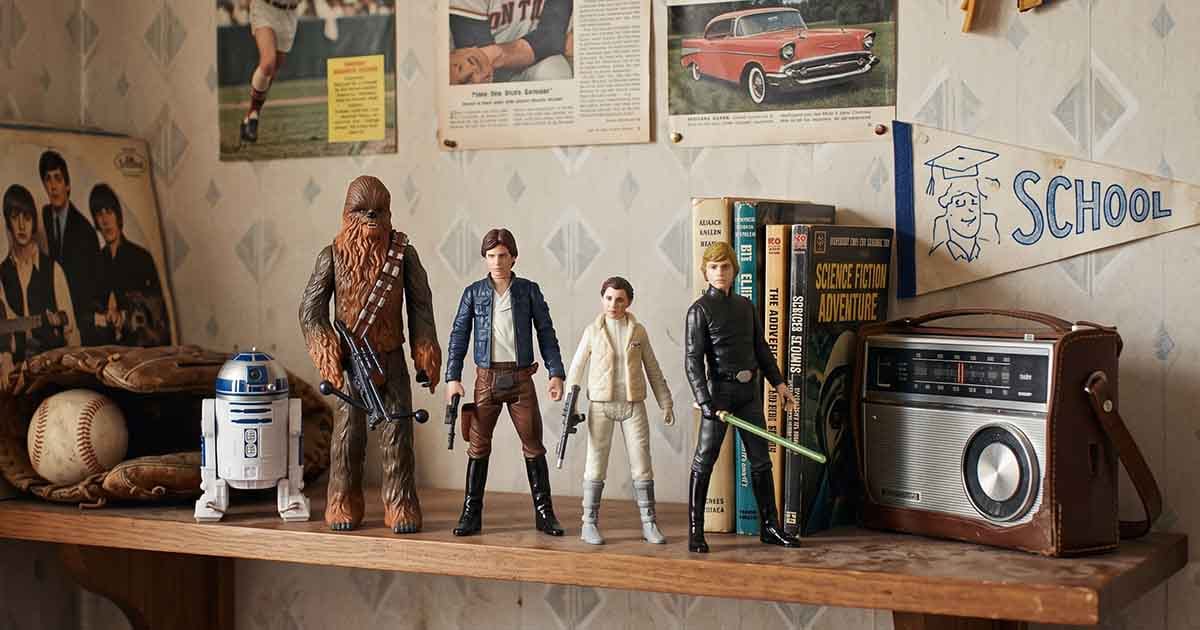
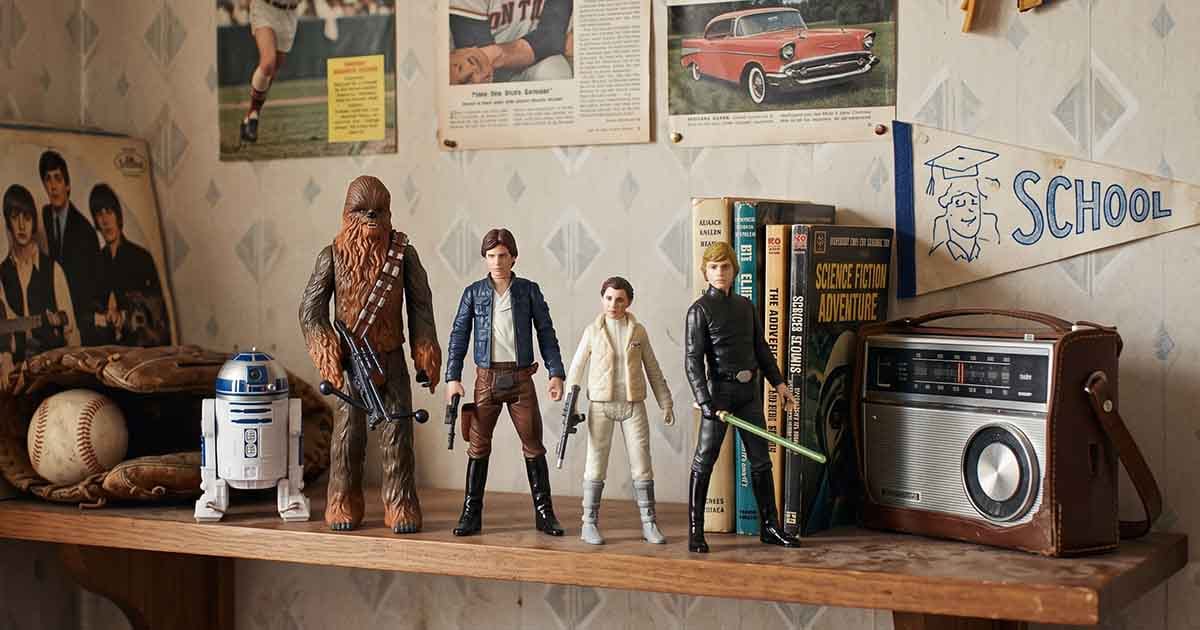
Luke Skywalker, Princess Leia, Han Solo, Chewbacca, and R2-D2 represent the heart of the original Star Wars story. None of them could defeat the Empire alone, but together they became the unlikely core of a rebellion that refused to disappear. The mix of Hoth, Bespin, and Jedi-era designs makes the group feel drawn from several chapters of the same long struggle. Few collections of characters capture the spirit of classic Star Wars this quickly.
Small Master, Heavy Burden
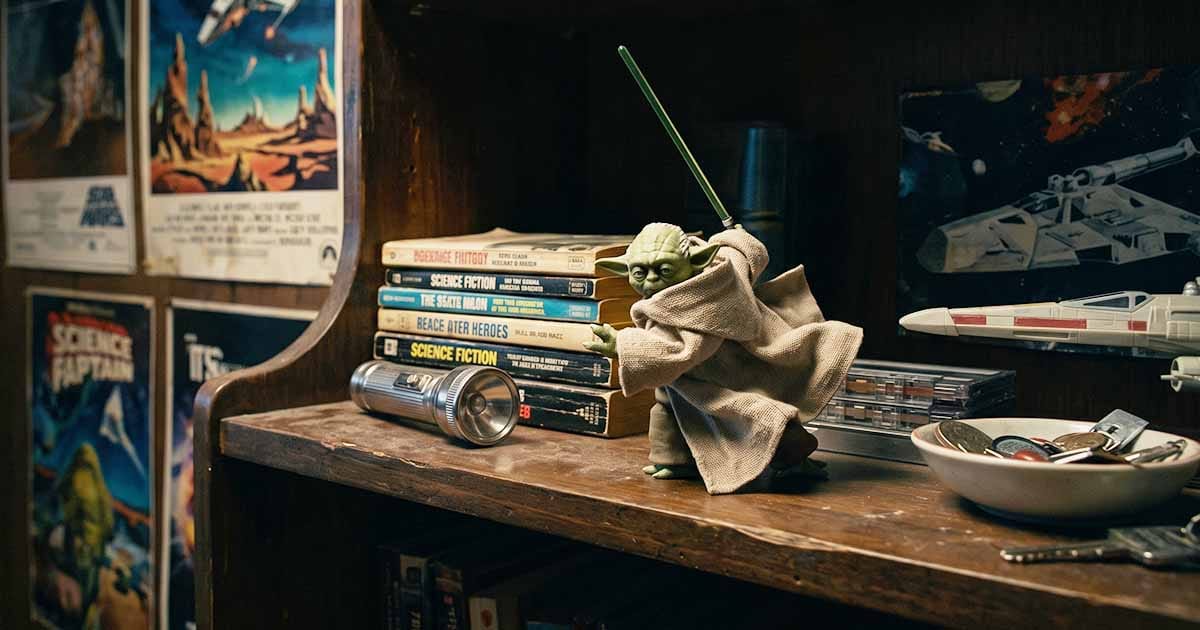
Yoda spent centuries teaching Jedi to master fear, anger, and attachment, yet "Revenge of the Sith" put him at the center of the Order's greatest failure. This figure captures the contrast that made the character so compelling, with his walking stick, lightsaber, and cloth robe suggesting both the old teacher and the warrior forced back into battle. The included chair adds a quieter side to the character. Yoda looked small, but by then he carried the weight of an entire fallen order.