
"Until the End of the World" (1991) Saw the Digital Future Coming
Wim Wenders' "Until the End of the World" (1991) imagined a digital future of portable screens, recorded dreams, and technology that could isolate people from the world around them.

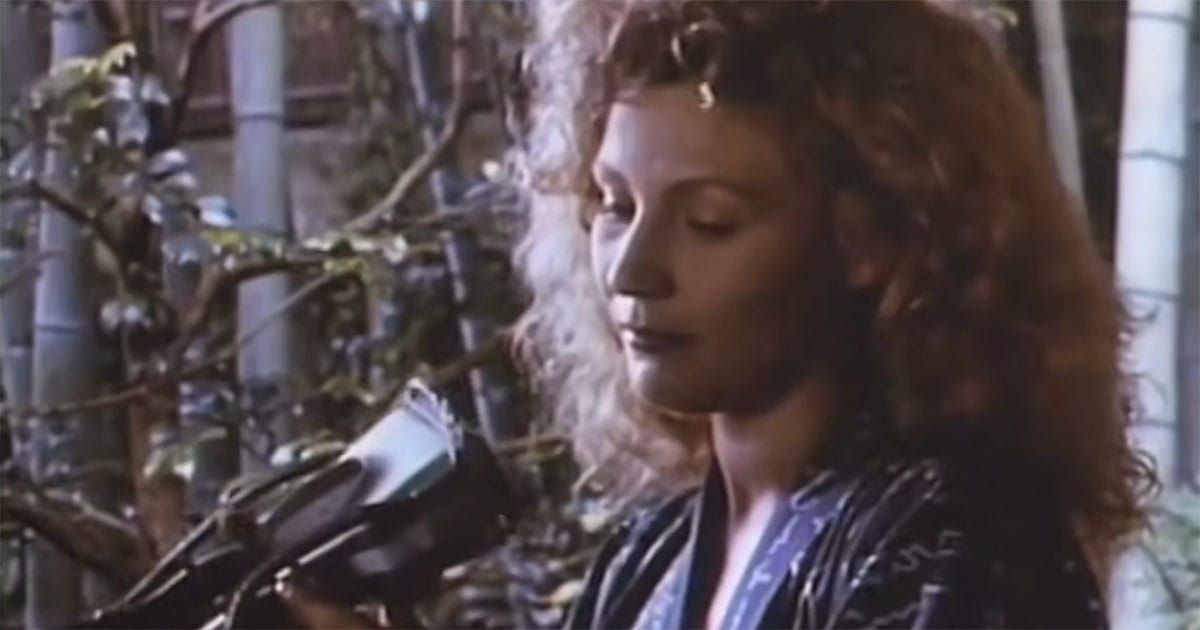
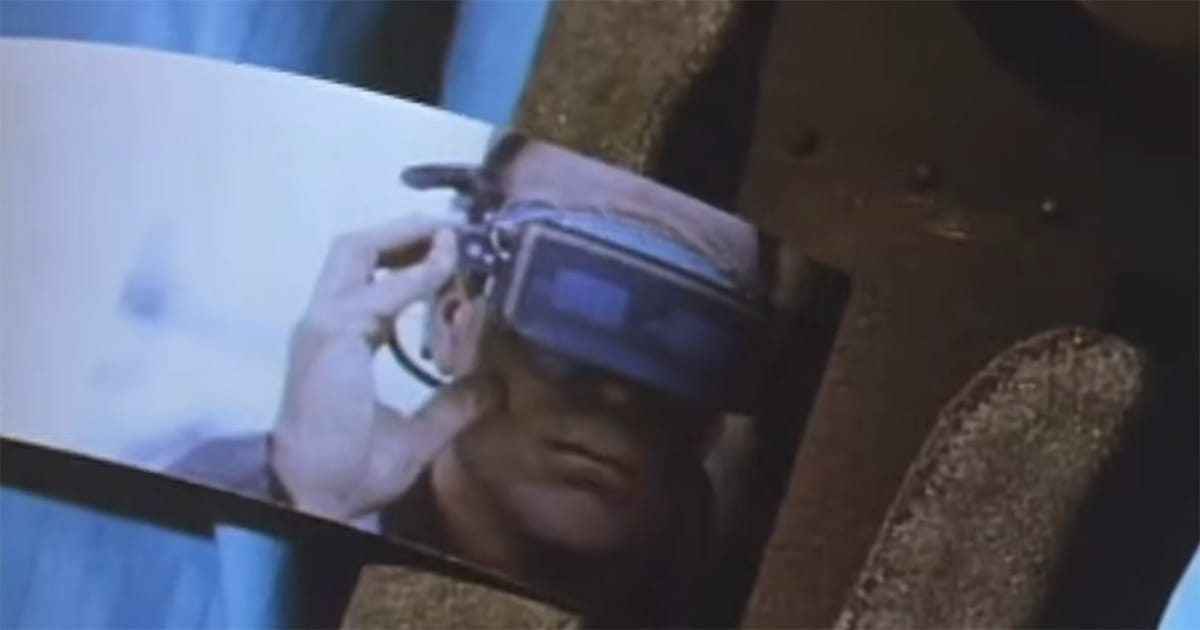
Wim Wenders went looking for the future in "Until the End of the World" (1991), and he found something surprisingly close to our present. Set in 1999, the film imagined portable screens, electronic navigation, digital communication, and a growing dependence on recorded images. Yet its most interesting prediction was not a particular machine. Wenders was more interested in what people might do once technology offered them new ways to escape the ordinary world.
Calling "Until the End of the World" ambitious hardly described it. Wenders combined science fiction, romance, mystery, and the road movie while sending his characters across several continents under the shadow of a possible nuclear catastrophe. The American theatrical release reduced this enormous story to roughly two and a half hours, while Wenders' director's cut ran nearly five hours. The longer version made the film's unusual structure and intentions considerably clearer.
The result remained sprawling, slow, and occasionally frustrating, but those faults accompanied an unusually thoughtful piece of science fiction. Wenders presented technology as neither inherently good nor evil, but as something shaped by the people who used it. A machine created to help another human being eventually became a means of withdrawing from other human beings. That idea gave "Until the End of the World" greater relevance as the future it imagined became the world its audience actually inhabited.
| Attribute | Value |
|---|---|
| Title | "Until the End of the World" |
| Director | Wim Wenders |
| Writer | Wim Wenders, Peter Carey |
| Actors or actresses | William Hurt, Solveig Dommartin, Sam Neill, Max von Sydow, Jeanne Moreau |
| Rated | R |
| Runtime | 4 h 47 min, director's cut |
| Box Office | ~$836,000 worldwide |
| U.S. Release Date | December 27, 1991 |
| Quality Score | 8.0 / 10 |
Synopsis
The story began in 1999 as the world waited for an Indian nuclear satellite to fall back toward Earth. While governments worried about catastrophe, Claire Tourneur traveled through Europe and encountered a mysterious American calling himself Trevor McPhee. Her boyfriend, Eugene Fitzpatrick, followed her, while Claire became increasingly fascinated with the stranger. Trevor was actually Sam Farber, a traveler carrying an unusual camera and a secret mission.
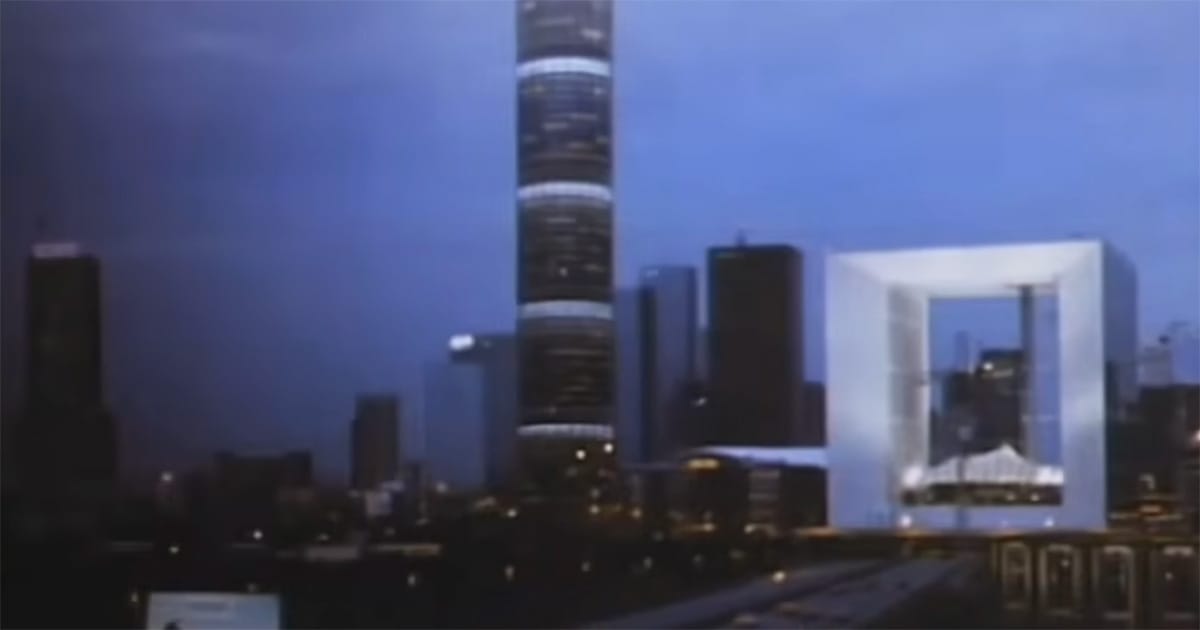
The camera had been developed by Sam's father, Dr. Henry Farber, as part of an experiment intended to help Sam's blind mother, Edith. Sam traveled around the world recording relatives and familiar places so Henry's equipment could translate the images into signals Edith's brain might perceive. Claire followed Sam on his journey, which eventually brought them to Henry's isolated laboratory in the Australian Outback. The nuclear crisis disrupted communications and electronic systems, but Henry continued his experiments.
The machine eventually did more than reproduce Sam's recordings. Henry discovered it could record dreams, letting people watch images created in their own minds. Claire and Sam became obsessed with viewing their dreams and gradually withdrew from the people around them. Eugene tried to bring Claire back to ordinary life as a machine created to restore sight became a powerful means of escaping reality.
Theme
The central theme of "Until the End of the World" was not technology itself but the human desire that technology could amplify. Henry Farber's invention began with a worthy purpose, since he wanted to restore a measure of sight to his blind wife. Sam's long journey was therefore an act of service before it became anything else. The trouble began when the same machine offered its users something far more seductive than helping another person.
The ability to record dreams completely changed the purpose of Henry's invention. Claire and Sam no longer used the machine to understand another person or experience the outside world. They used it to stare deeper into themselves, repeatedly watching their own dreams on small electronic screens. Wenders turned technological progress into a test of character, and his characters did not perform particularly well.
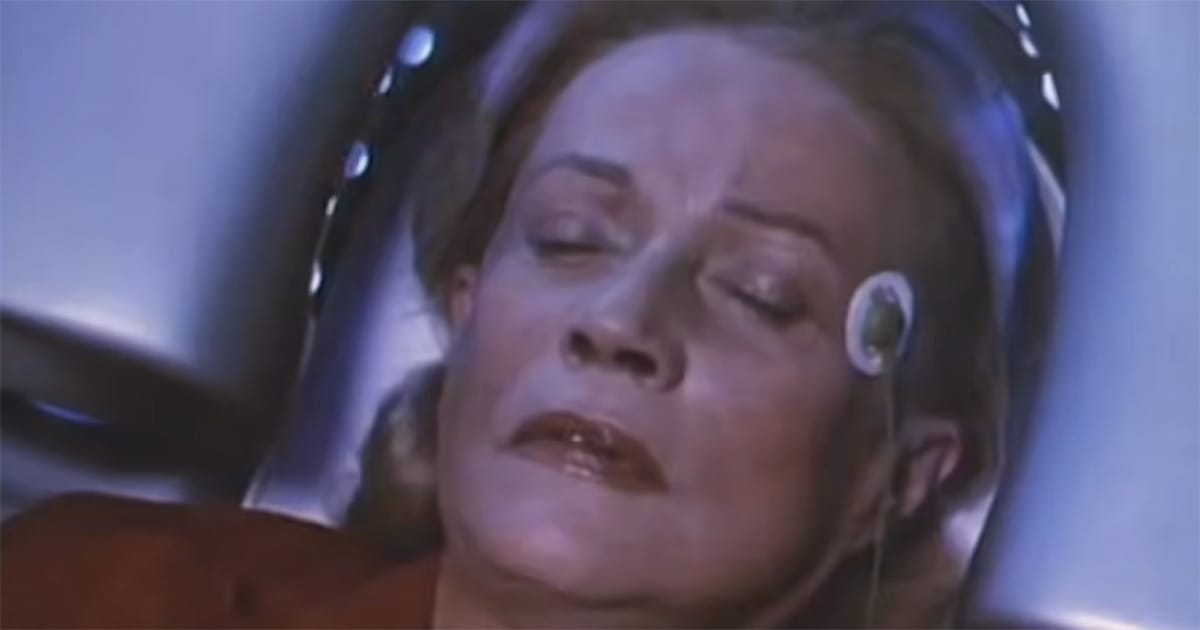
This was where "Until the End of the World" became remarkably prophetic. Wenders imagined portable screens, digital images, electronic navigation, and communication systems that could follow people almost anywhere. More importantly, he imagined people becoming so absorbed in electronic images that the physical world around them began to seem less interesting. Claire and Sam sitting alone with their screens looked far more familiar decades later than Wenders could reasonably have expected in 1991.
The film also made an important distinction between experience and the reproduction of experience. Sam's original recordings preserved faces and places for a woman who could no longer see them, giving the images a clear human purpose. The dream recordings had no comparable purpose beyond satisfying the fascination of the person watching them. Once the image became an end in itself, the machine stopped connecting people and began separating them.
Eugene provided an important contrast because he remained a man of words in a world increasingly dominated by images. His writing required memory, interpretation, and communication rather than the endless replay of private visual experience. The difference mattered because language forced Claire's experience back into a form that could be shared with another person. The dream machine offered the opposite temptation by allowing its users to disappear into a world that belonged only to themselves.
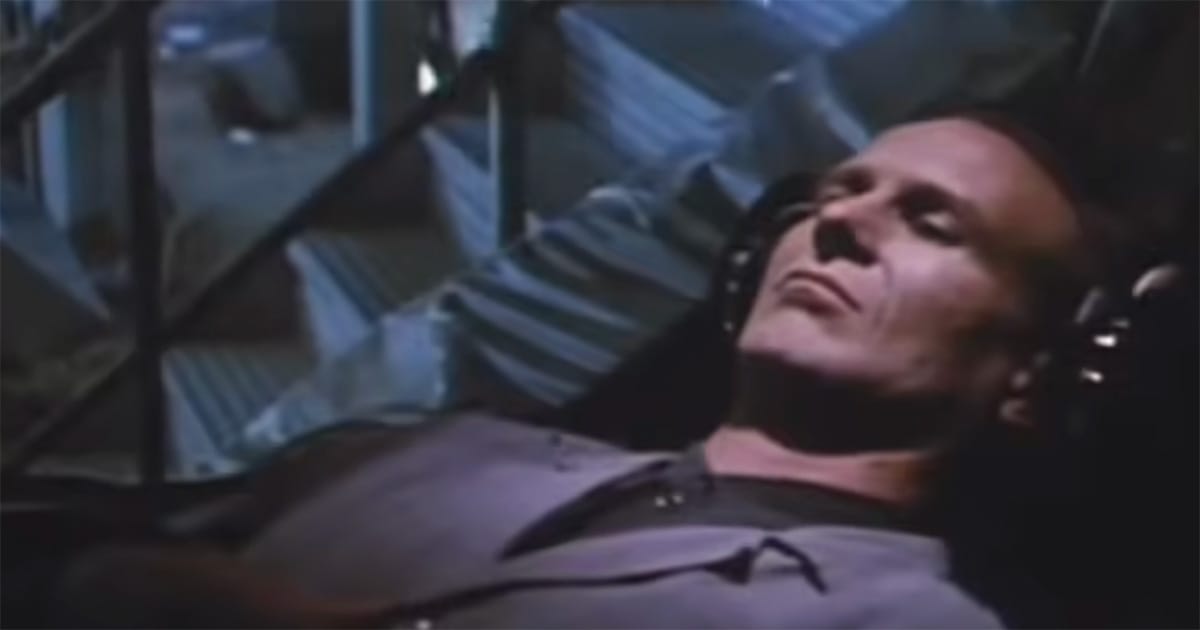
Henry Farber represented another side of the same problem. His scientific achievement was extraordinary, but achievement alone did not guarantee wisdom about how the invention should be used. His determination to make the machine work gradually became difficult to separate from his personal investment in proving that it could work. "Until the End of the World" treated scientific progress as a human activity, which meant that pride, obsession, love, curiosity, and ambition traveled alongside technical knowledge.
The nuclear satellite hanging over the story made the film's priorities even more interesting. A conventional science-fiction thriller might have made the falling satellite the central danger and built the story around preventing global destruction. Wenders instead let that enormous threat recede while focusing on people voluntarily surrendering to a machine. The world might survive a technological catastrophe, but individuals could still lose themselves through the ordinary misuse of technology.
The film's enormous length both helped and hurt this argument. Its detours, repeated journeys, and leisurely conversations sometimes tested the patience of even a sympathetic viewer. Yet the scale also made the final retreat into private screens more striking because characters who had crossed much of the planet eventually became interested in almost nothing beyond images produced inside their own heads. After showing them an enormous world, Wenders reduced their attention to something they could hold in their hands.
That was the enduring strength of "Wew " as science fiction. Its individual predictions were entertaining, but predicting a portable screen or navigation system was less important than understanding the temptation those devices could create. Wenders recognized that technology did not need to conquer humanity like a machine uprising from an older science-fiction story. People might willingly surrender their attention if the machine gave them something sufficiently fascinating to watch.
Who Will Watch This
"Until the End of the World" will appeal most to viewers who enjoy thoughtful science fiction and have patience with an unconventional story. This is not a fast-moving futuristic thriller, and even the director's cut sometimes wanders when it should move forward. Viewers who appreciate philosophical science fiction, road movies, and stories about the consequences of technology will find considerably more to admire.
The nearly five-hour director's cut demands a serious investment of time, but its length also gives the film its unusual character. Wenders filled the journey with striking locations, memorable music, eccentric characters, and a vision of the future that now feels strangely familiar. Anyone expecting constant action or a tightly constructed plot may find the experience exhausting. Those willing to follow its many detours will discover ideas that remain worth considering long after the journey ends.
"Until the End of the World" was sprawling, uneven, and sometimes frustrating, but its central warning aged remarkably well. Wenders imagined an approaching global catastrophe, yet his most convincing danger came from ordinary people becoming captivated by private electronic images. The film suggested that the greatest threat from new technology might not be what machines do to mankind, but what mankind willingly does with the machines.