
When Science Fiction Made the Future Fun
Classic science fiction imagined futures both wonderful and frightening. From "The Jetsons" to "Star Trek," discover why tomorrow once seemed like a place worth reaching.


This Week in Classic Science Fiction
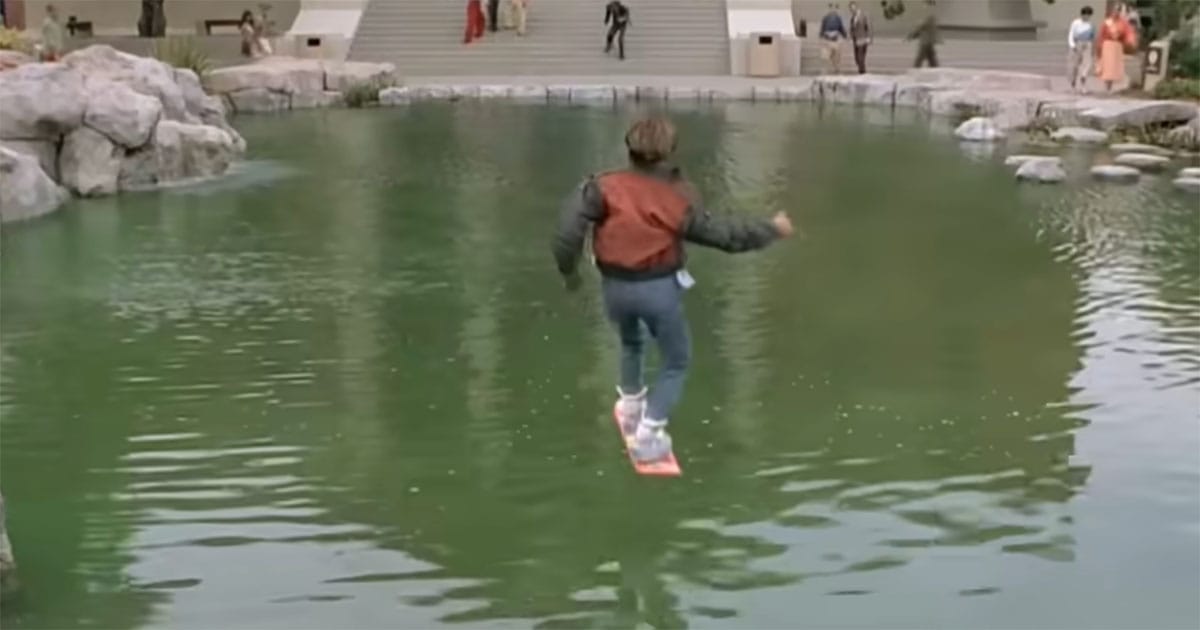
On October 21, 2015, Marty McFly arrived in the future. At least, that was the future imagined by "Back to the Future Part II" when the movie reached theaters in 1989. Doc Brown brought Marty and Jennifer Parker 30 years forward from 1985 to prevent trouble in the McFly family.
The Hill Valley awaiting them was filled with flying cars, hoverboards, holographic advertisements, and self-lacing shoes. Everyday technology had changed almost as dramatically, with video calls, enormous flat-screen televisions, and devices that responded to spoken commands. The movie made 2015 look strange enough to be futuristic while keeping enough of ordinary America recognizable.
For 26 years, October 21, 2015, remained a real date that audiences could actually anticipate. When it finally arrived, fans around the world celebrated what became known as Back to the Future Day. The fictional anniversary became a rare occasion when millions of people could compare a famous science-fiction future with the real world on precisely the date the story specified.
That comparison has changed again with time. October 21, 2015, once seemed comfortably distant, but it is now more than a decade behind us. Marty McFly did not merely reach the future. He reached what has now become our past.
Sponsored By: Alien Hip-hop DJ | एलियन हिप हॉप डीजे
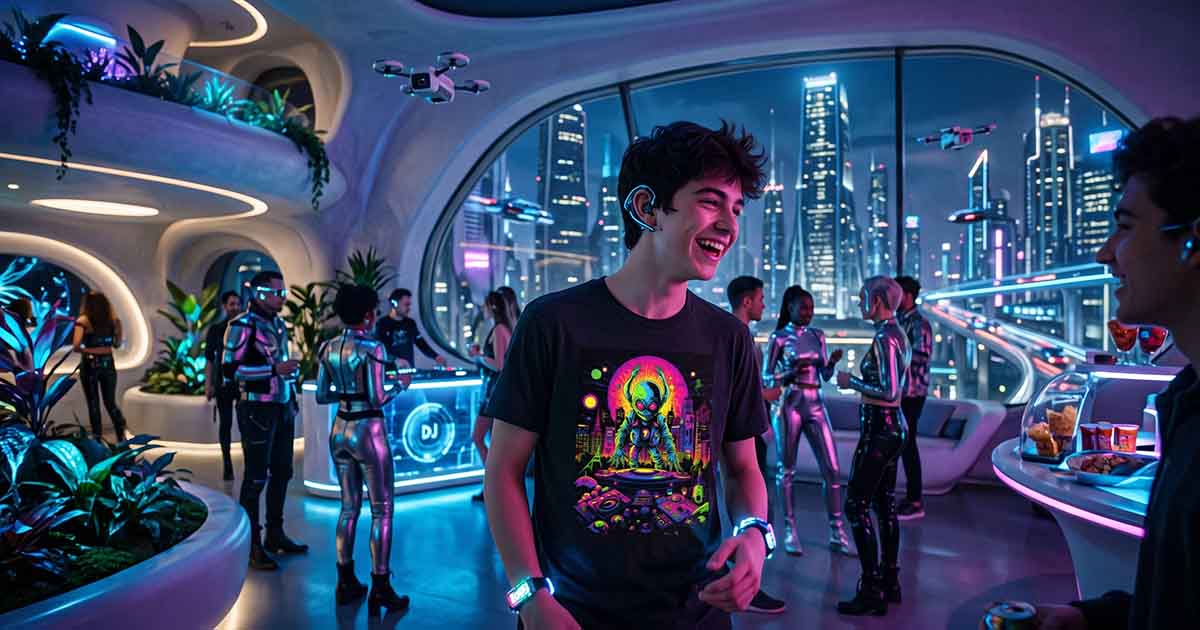
The year is 2085. The city floats, the cars fly, and the party is still going long after midnight. Nobody knows where the DJ came from, but judging by the crowd, nobody is asking him to leave.
A Future Worth Visiting
Science fiction has never lacked terrible futures. Nuclear war, environmental collapse, alien conquest, and machines turning against their creators have given audiences plenty of reasons to dread tomorrow. "Back to the Future Part II" takes a different approach. Its future is a place Marty McFly cannot wait to explore.
Hill Valley in 2015 is hardly a utopia. Teenagers are still reckless, families still have problems, and people still find foolish ways to make trouble for themselves. Yet progress has made everyday life more convenient, surprising, and entertaining. Technology has changed the world without changing the basic nature of the people living in it.
That distinction runs through some of the best classic science fiction. Progress does not have to produce a perfect society to produce a better one. New inventions can create new problems while also opening possibilities that did not exist before. The future can remain recognizably human and still be worth looking forward to.
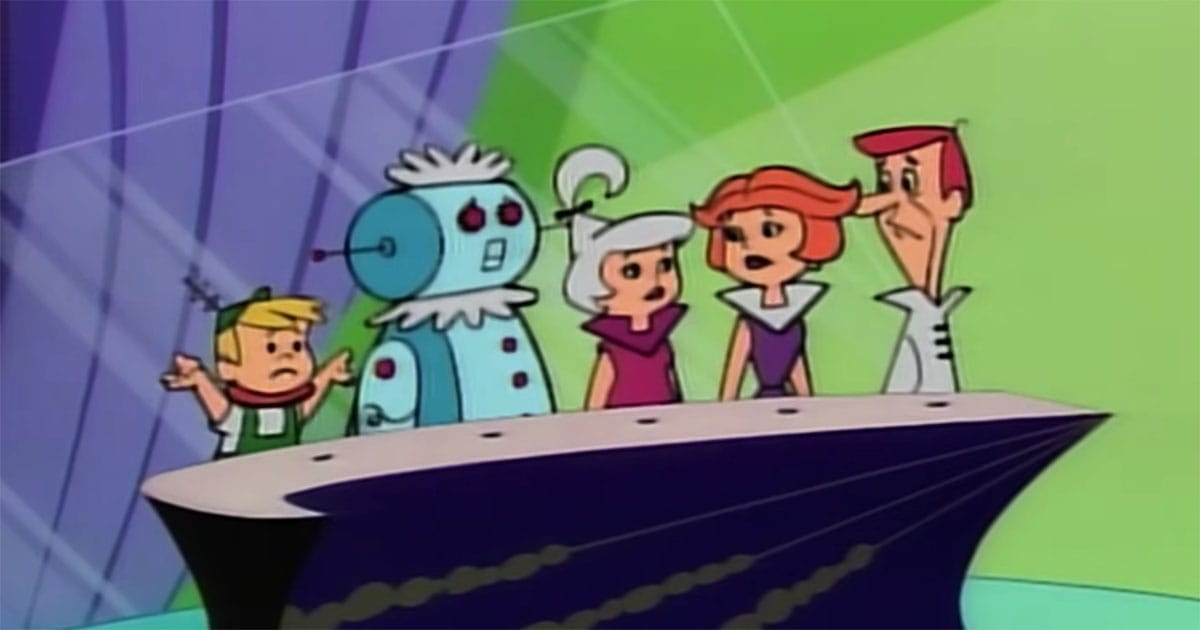
"The Jetsons" Brings the Future Home
"The Jetsons" took that faith in progress and brought it into the American home. George Jetson was not a brilliant scientist or fearless space explorer. He was a husband and father with a job, a family, and a short-tempered boss. The remarkable thing about his future was that remarkable technology had become ordinary.
Automation made that ordinary life easier. Machines handled household chores, flying cars simplified transportation, and video screens made communication nearly effortless. These inventions were not reserved for governments or laboratories. They were everyday conveniences available to an average family.
Yet all that progress did surprisingly little to change human nature. George still complained about work, worried about money, tangled with Mr. Spacely, and dealt with the frustrations of family life. "The Jetsons" never suggested that better machines would produce better people. Instead, it imagined something more modest and believable, a future in which technology improved the conditions of life while leaving human beings recognizably human.
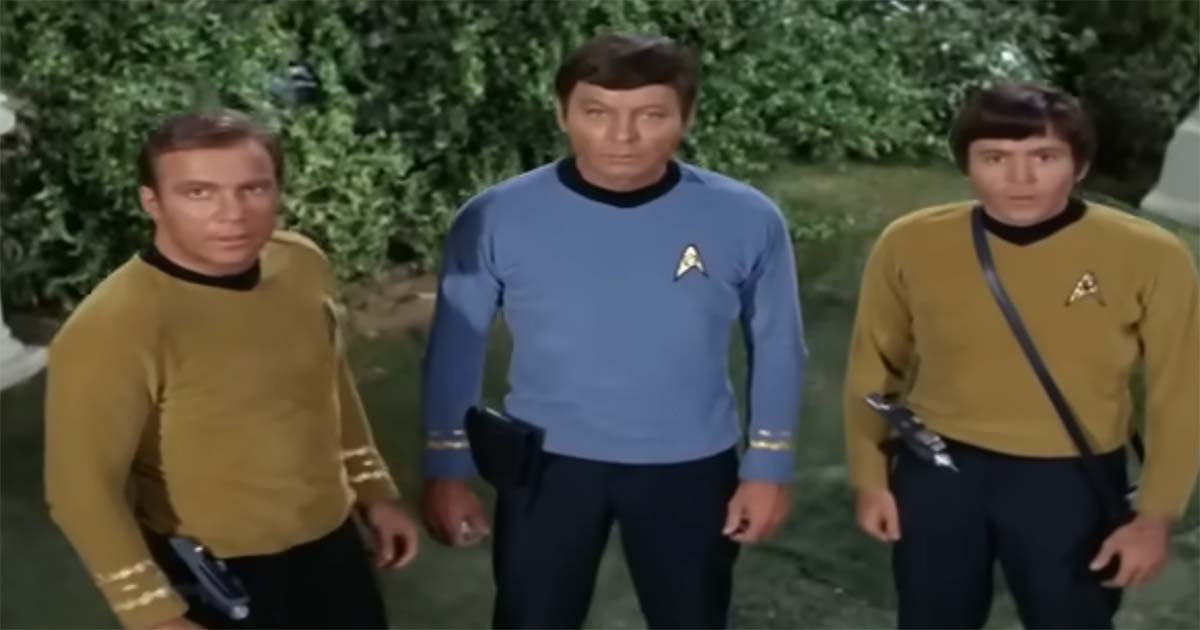
"Star Trek" Takes Optimism to the Stars
"Star Trek" carried this confidence in progress far beyond the suburban home. The starship Enterprise represented a future in which technology had opened an enormous new frontier to mankind. Faster-than-light travel, powerful computers, and advanced medicine allowed its crew to go farther, live longer, and confront challenges that earlier generations could scarcely imagine.
Yet the machines never made the people aboard the Enterprise unnecessary. Captain Kirk still had to make difficult decisions, Dr. McCoy still had to save lives, and the crew still needed courage when technology failed them. Greater capabilities often brought greater responsibilities, particularly when the Enterprise encountered civilizations unable to control their own inventions.
That balance was essential to the optimism of "Star Trek." Technology could improve life and expand human possibilities, but it could not supply wisdom, courage, or good judgment. Progress gave mankind better tools. People remained responsible for deciding what to do with them.
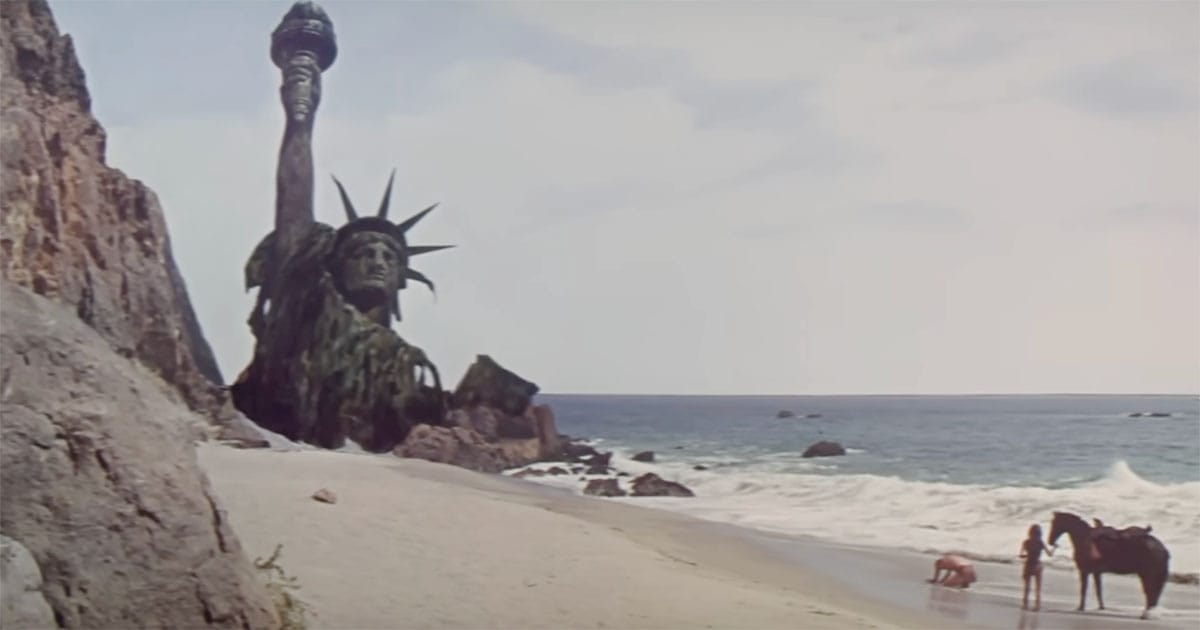
Two Visions of Tomorrow
Of course, classic science fiction did not always promise a better tomorrow. "Planet of the Apes" found humanity reduced to a primitive remnant, while "Soylent Green" imagined a civilization overwhelmed by its own problems. "Blade Runner" surrounded remarkable technological achievements with urban decay, and "The Terminator" turned mankind's most advanced machines against their creators. These stories offered a much darker destination than the worlds of "The Jetsons" or "Star Trek."
Yet the difference was not simply optimism against pessimism. Classic science fiction could warn about technological danger without arguing that invention itself was the enemy. Computers, machines, and scientific discoveries became dangerous when people created them carelessly, surrendered control of them, or used them for destructive purposes.
Both visions therefore placed considerable responsibility on human beings. Technology might carry mankind to the stars or help destroy civilization, depending upon the choices made along the way. The future was neither automatically bright nor inevitably doomed. It remained something people had a hand in creating.
Tomorrow Was Still Ours
From the comfortable world of "The Jetsons" to the unexplored frontier of "Star Trek," classic science fiction often treated progress as something worth pursuing. Even darker stories like "Planet of the Apes," "Soylent Green," and "The Terminator" shared an important assumption. The future depended on what people built, what they valued, and what they did with the powers they acquired.
That helps explain why these competing visions could coexist. Technology might make an ordinary family's life easier, carry explorers across the galaxy, or help bring civilization crashing down. None of those outcomes was inevitable. Better machines could expand human possibilities, but they could never substitute for wisdom, responsibility, and judgment.
"Back to the Future Part II" gave this old idea one of its most playful expressions. Its hoverboards and flying cars represented a tomorrow still capable of surprising us. Classic science fiction understood that the future might be better or worse, wonderful or frightening. What made it exciting was the belief that mankind still had a hand in deciding which future it would be.