
Yesterday's Tomorrow and the Futures That Never Arrived
Classic science fiction promised Moon bases, flying cars, and computerized futures. A look back at the tomorrows imagined by "2001," "Blade Runner," and more.

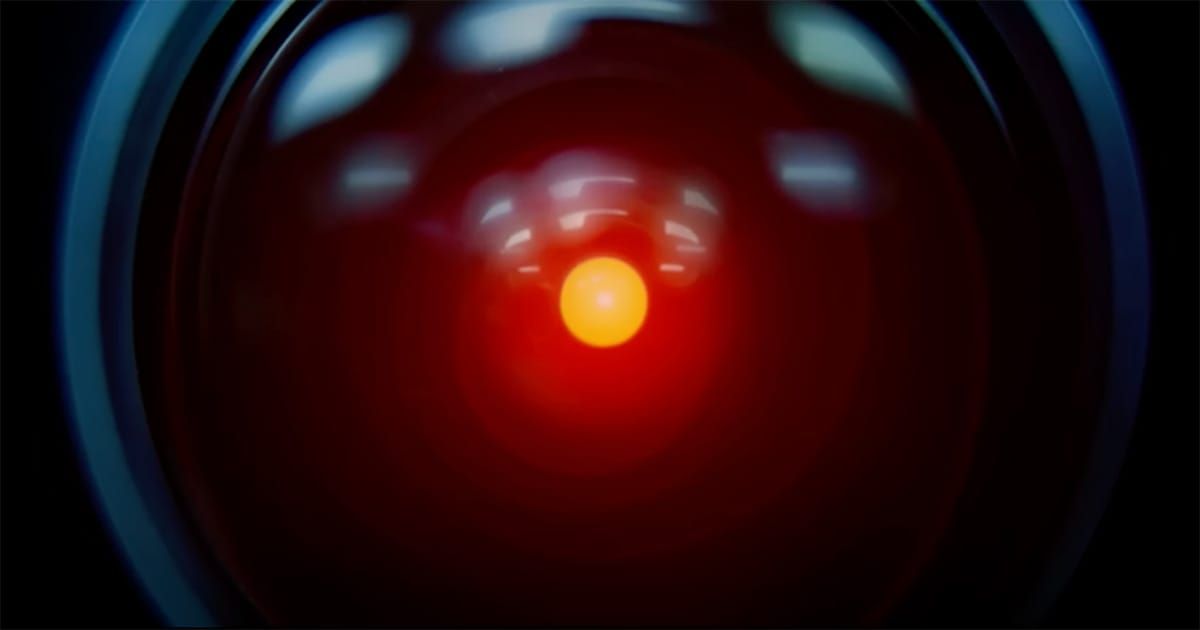
This Week in Science Fiction Classics
Philip K. Dick gave science fiction plenty of strange futures, but few begin as personally as "Flow My Tears, the Policeman Said." The novel opens on Tuesday, October 11, 1988, a date still 14 years in the future when the book appeared in 1974.
Jason Taverner begins as one of America's most famous men. He is a television star with 30 million viewers, wealthy, genetically enhanced, and accustomed to being recognized almost everywhere.
Then Taverner wakes in a cheap hotel and discovers that nobody knows him. Worse, every official record that should prove Jason Taverner exists has disappeared.
That is dangerous in Dick's future America, where identification and government records determine whether a man can move freely. Taverner knows who he is, but that knowledge means little when he cannot prove it.
Dick's 1988 never arrived, at least not as he imagined it. Yet his central question has become more interesting in a world where computers record much of our lives.
October 11, 1988, is therefore a date worth remembering in classic science fiction. On that ordinary Tuesday, Philip K. Dick asked an extraordinary question about what remains of a man when the world no longer recognizes his name.
Sponsored by: Cosmic Tourist Sci-Fi T-shirt
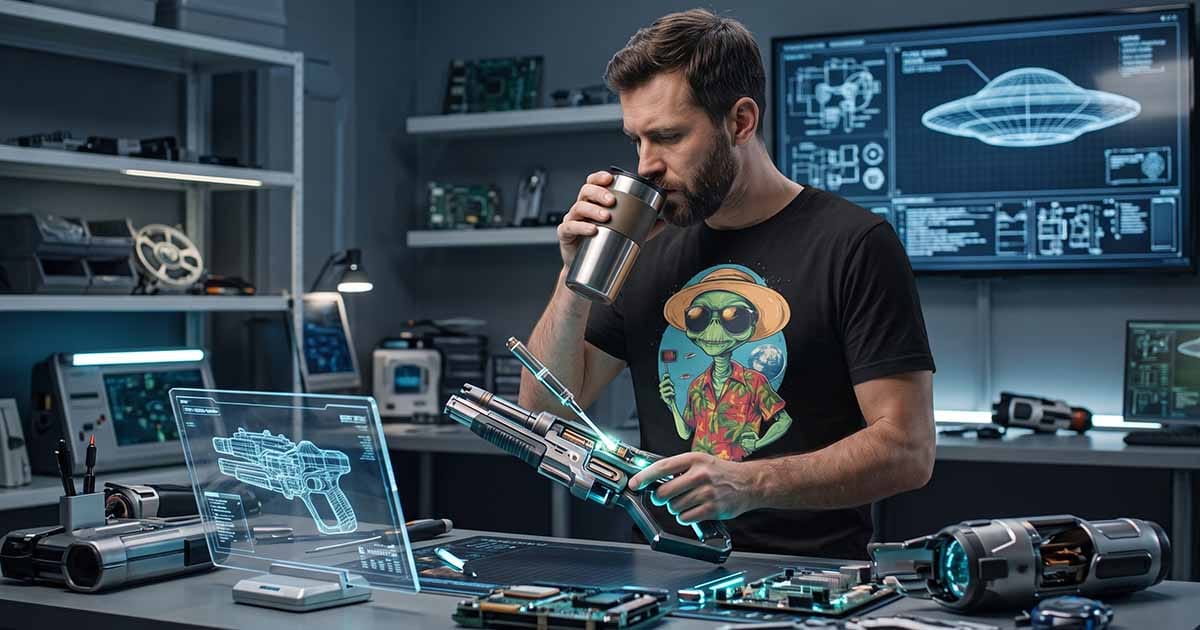
The future may not have delivered routine vacations among the stars, but the "Cosmic Tourist" Sci-Fi T-shirt keeps that old dream alive. Its retro design recalls the days when science fiction imagined ordinary men traveling through space as easily as they crossed the country.
It is a shirt for readers who still appreciate that grand vision of tomorrow. Until the first lunar resort opens for business, the "Cosmic Tourist" is a good way to dress for the trip.
Yesterday's Tomorrow
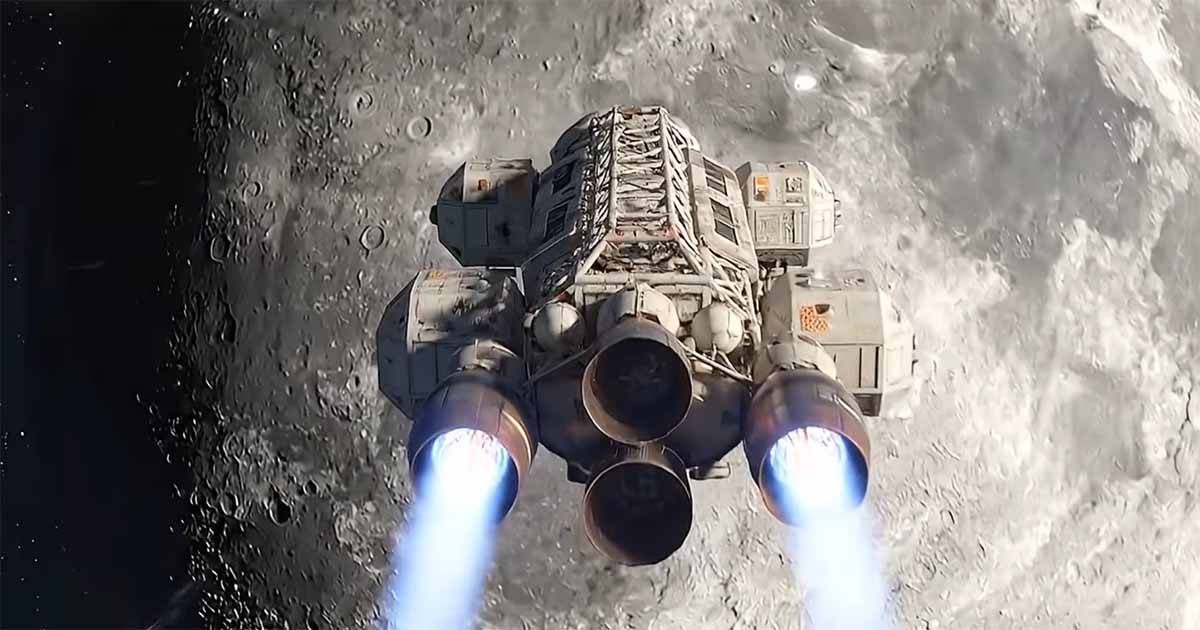
There is something peculiar about growing older with science fiction. Years that once sounded impossibly futuristic have come and gone, and most of the wonders and disasters promised for them never appeared. The year 2001 is history, 2015 is receding into the distance, and even the 2019 of "Blade Runner" is behind us. We have lived long enough to watch tomorrow become yesterday.
That does not make old science fiction less interesting. Once an imaginary future passes, we can compare what writers expected with what actually happened. Sometimes they missed badly, while other times they understood the direction of events even when they got the details wrong. Those expired futures now tell us as much about the generations that imagined them as they do about our own world.
The Space Age That Never Arrived
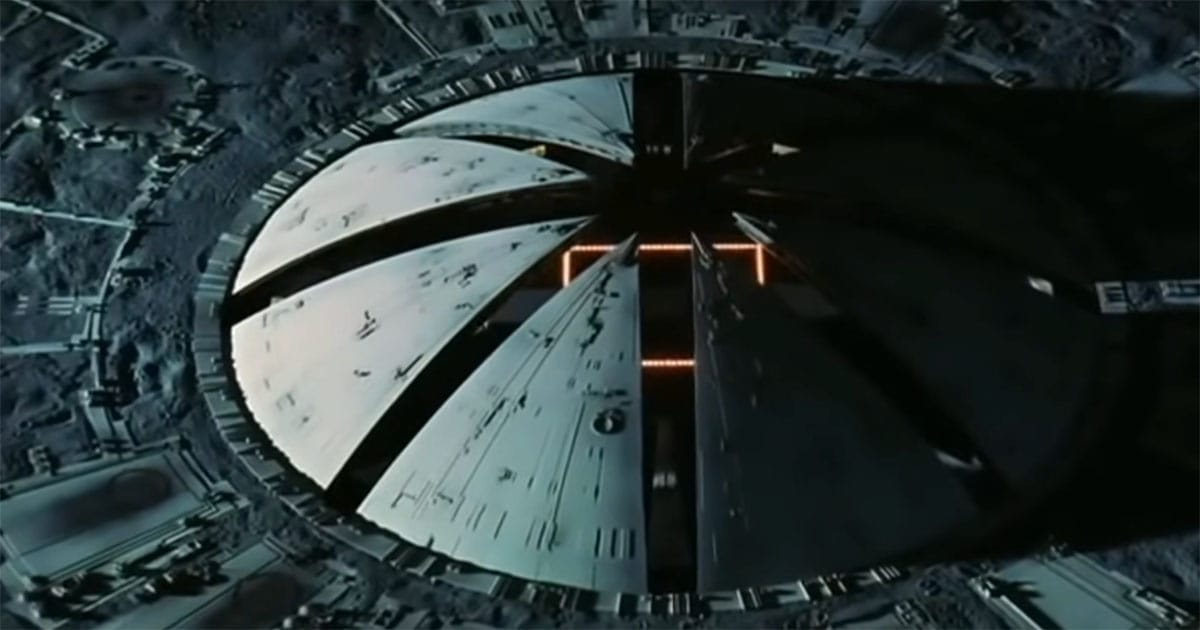
Few films expressed confidence in the future as beautifully as "2001: A Space Odyssey." Stanley Kubrick and Arthur C. Clarke imagined commercial space travel, a permanent human presence on the Moon, intelligent computers, and manned voyages deep into the solar system. None of this was presented as fantasy. It was the logical next chapter of the Space Age.
The real 2001 was considerably less impressive. Men had walked on the Moon decades earlier, but routine passenger flights into orbit and lunar settlements remained beyond our reach. Humanity had not traveled beyond low Earth orbit since 1972. The future arrived without the grand expansion into space that science fiction expected.
"Space: 1999" went further with Moonbase Alpha, a substantial lunar installation housing hundreds of people. That seems extravagant today, but consider what audiences had already witnessed. America went from its first manned spaceflight to walking on the Moon in only eight years. Assuming that progress would continue at a similar pace was understandable.
Spaceflight instead proved expensive, dangerous, and enormously difficult to expand. What "2001" and "Space: 1999" preserve today is more interesting than a pair of failed predictions. They preserve the confidence of an era that genuinely expected mankind to keep moving outward.

The Darker Future We Expected
Not every imaginary future promised bigger rockets and better machines. By the 1970s and 1980s, science fiction increasingly looked toward social disorder, intrusive government, urban decay, and technologies that gave institutions greater power. Tomorrow could be technologically advanced without being particularly pleasant.
"Flow My Tears, the Policeman Said" imagined a 1988 America where identification and government records carried enormous importance. Philip K. Dick got his 1988 wrong, but his interest in computerized identity proved more durable than the date attached to it. Modern life increasingly depends on electronic records for money, travel, communication, and ordinary services. Dick's machinery was different, but the importance he assigned to information was perceptive.
John Carpenter pushed another contemporary anxiety to an extreme in "Escape From New York." His 1997 Manhattan has become a maximum-security prison after crime rises beyond control. The real New York of 1997 looked very different, but Carpenter's future reveals something about fears surrounding American cities when the film appeared in 1981.
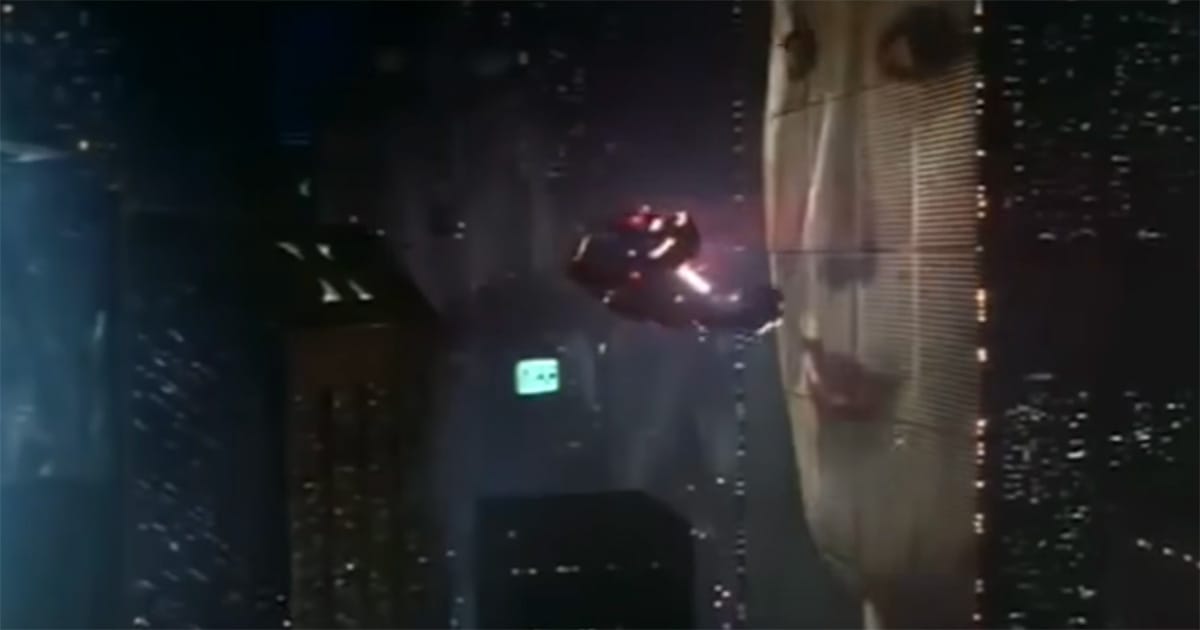
"Blade Runner" performed a similar trick with Los Angeles in 2019. We got neither replicants nor off-world colonies, and flying police cars remain conspicuously absent. Yet its electronic advertising, enormous corporations, artificial intelligence, and technology-saturated urban environment do not seem entirely foreign. The details failed while some of the atmosphere survived.
Right Idea, Wrong Machine
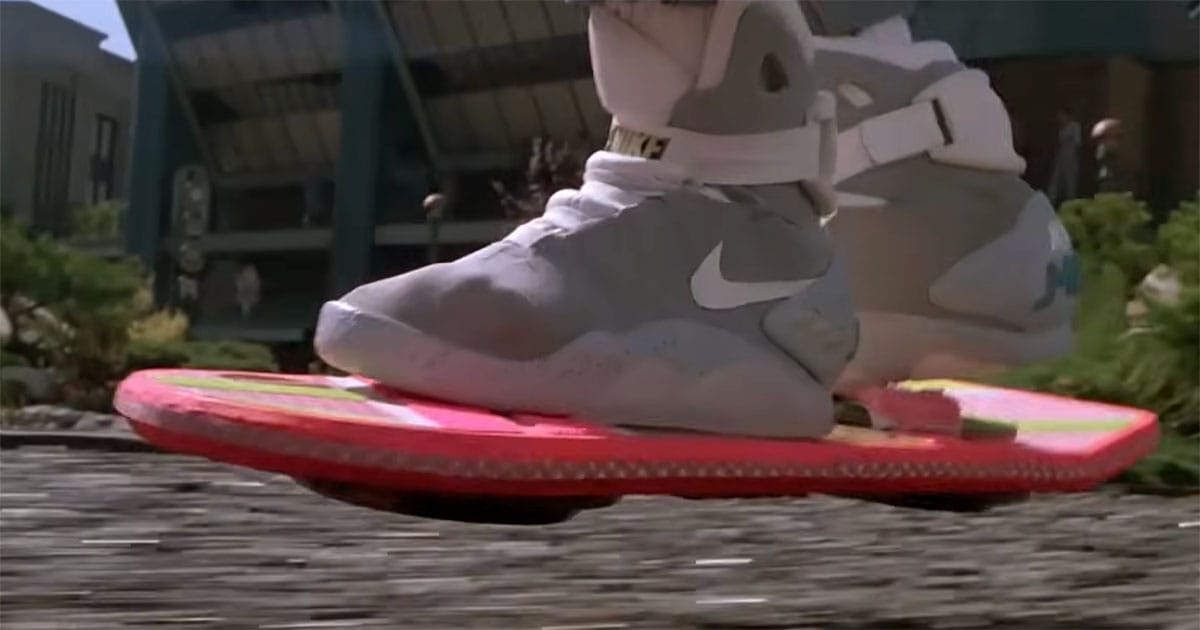
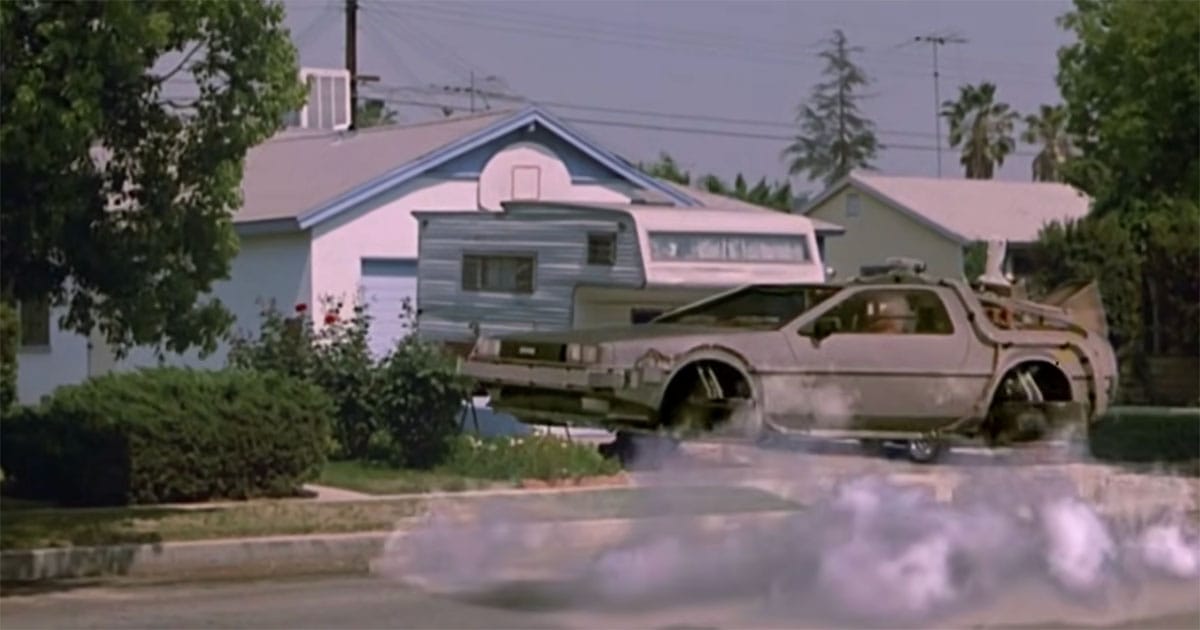
Science fiction often misses the machine while recognizing the desire behind it. "Back to the Future Part II" provides an entertaining example with its vision of 2015. Flying cars and hoverboards never became ordinary parts of American life, but video calls, large flat displays, wearable electronics, and increasingly computerized homes came considerably closer.
This happens because writers must give an abstract possibility a physical form. They might correctly anticipate that people will want instant communication almost everywhere without knowing what engineers will eventually build. The fictional device looks wrong while the desire behind it looks remarkably familiar. Science fiction can miss the hardware and still understand where people are heading.
The computerized records in "Flow My Tears" offer another example. Dick did not foresee smartphones, cloud computing, or the modern internet, but he recognized that electronic information could become increasingly important to a man's public identity. Accuracy in principle can sometimes be more interesting than accuracy in machinery.
Why Predictions Go Wrong
Science fiction naturally favors dramatic change. Rockets, robots, artificial intelligence, and flying automobiles make better stories than improved batteries, cheaper computer storage, or faster communications networks. Fiction compresses progress because a future nearly identical to the present offers little sense of wonder.
Real technological progress is much less orderly. One field advances at breathtaking speed while another refuses to cooperate, leaving us with pocket computers of astonishing power but no weekend hotel on the Moon. Economics, engineering difficulties, politics, and ordinary human preferences all interfere with a neat timetable.
Writers also build their futures from the world they already know. The Space Age confidence behind "2001" and the urban fears behind "Escape From New York" reveal the periods that produced them. Even the strangest future carries pieces of its present inside it.
When Tomorrow Becomes History
Once a fictional future date passes, the story gains another dimension. We can still enjoy its characters, technology, adventure, and ideas, but we can also compare its imaginary world with the one that actually arrived. The difference becomes part of the pleasure.
"2001" preserves the confidence of the Space Age, while "Flow My Tears" preserves anxieties about institutional power and computerized identity. "Escape From New York" captures fears about the American city, while "Back to the Future Part II" captures a cheerful faith that technology would make ordinary life increasingly remarkable. None provided an accurate blueprint of tomorrow, but each provides a revealing picture of yesterday.
The calendar eventually catches every science-fiction writer who puts a date on the future. The best stories survive because their real subject was never simply the year printed on the page or flashed across the screen. They concern what men hoped would happen, what they feared might happen, and what they believed their world was becoming. Yesterday's tomorrow may be gone, but it still has plenty to tell us.