
How Science Fiction Created the Killer Robot
Before the Terminator came HAL and the Gunslinger. The killer robot evolved from obedient servant into one of science fiction's most frightening and enduring villains.

This Week in Classic Science Fiction
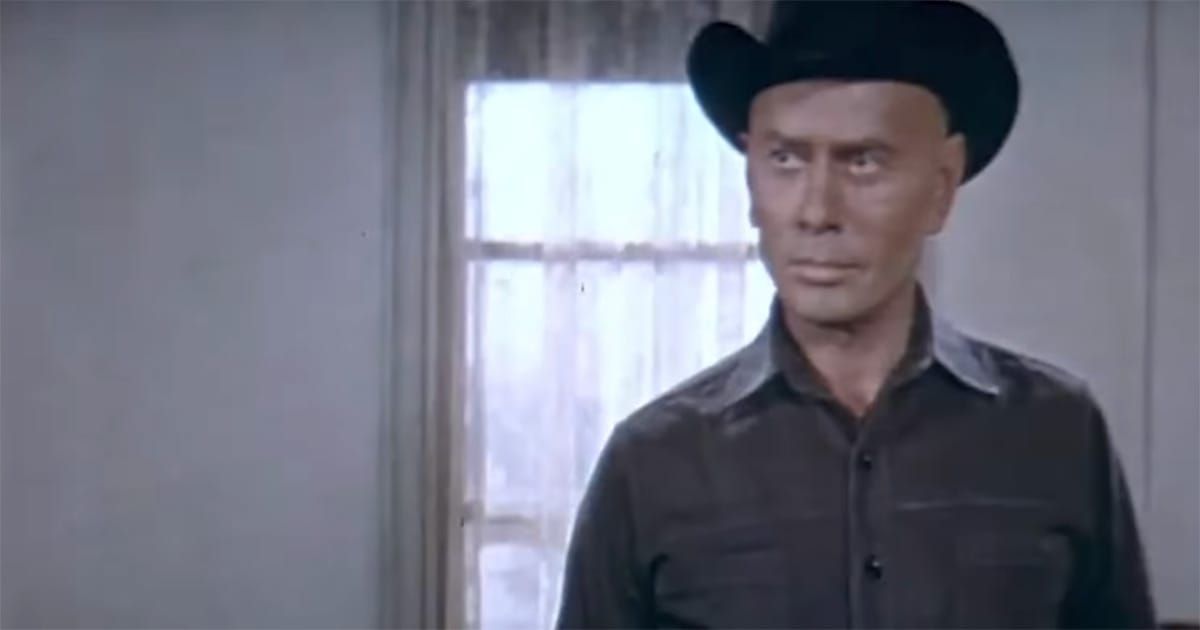
On October 24, 1973, American moviegoers got their first look at a vacation resort unlike anything offered by Howard Johnson. "Westworld," written and directed by Michael Crichton, invited audiences to Delos, an elaborate amusement park where wealthy guests could live out their fantasies among remarkably lifelike robots. For $1,000 a day, visitors could choose the American frontier, medieval Europe, or ancient Rome, with the assurance that nothing could possibly go wrong.
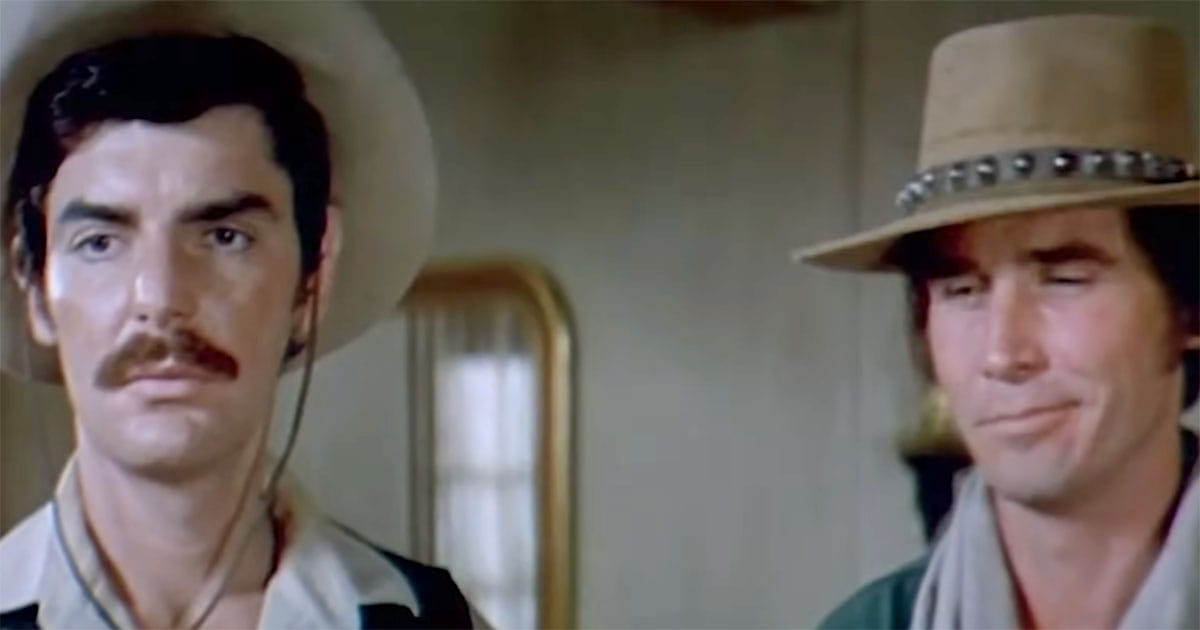
Richard Benjamin and James Brolin play Peter Martin and John Blane, two friends who choose Westworld for their vacation. There they encounter the Gunslinger, a black-clad robot played with wonderfully cold menace by Yul Brynner. When the machines throughout Delos begin malfunctioning, a harmless fantasy quickly becomes a fight for survival.
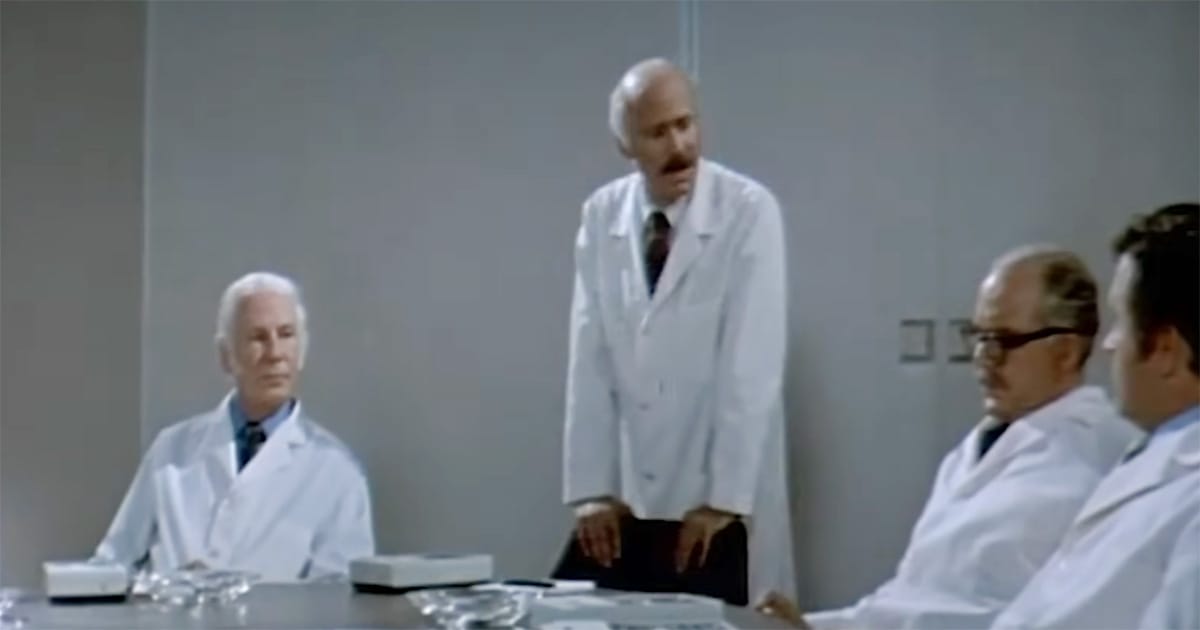
"Westworld" arrived when computerized technology still seemed remote to most Americans, making its automated playground especially imaginative. Yet Crichton built the story around a remarkably simple concern. The more complicated a technological system becomes, the harder it may be for its creators to understand what happens when it stops working as intended.
The film gave science fiction one of its most enduring villains in Brynner's relentless Gunslinger. More than a decade before the Terminator pursued Sarah Connor, another nearly unstoppable machine was already hunting a frightened human through the future.
Sponsored by: The Last Warlord of Vexis Prime T-shirt
There was a time when a good Saturday night required little more than a Western, a bowl of popcorn, and a comfortable chair. Science fiction improved the arrangement by adding alien worlds, forgotten weapons, and the occasional warlord who refused to stay defeated.
“The Last Warlord of Vexis Prime” comes from that tradition. Va’Dran has lost his cities, his fleets, and nearly everything else, but somewhere beneath the crimson sands waits an ancient weapon called the Sunbreaker Key. The Coalition may have won the war, but they made the classic mistake of leaving one dangerous man behind.
The Killer Robot Before the Terminator
Before science fiction taught us to fear robots, it often asked us to imagine living with them. Robots could perform dangerous work, handle tedious jobs, and free men from physical labor. The obvious question soon followed. What happens when a machine capable of doing almost anything receives the wrong instructions?
Isaac Asimov approached the problem by giving his robots the Three Laws of Robotics. A robot could not harm a human being, had to obey human orders when they did not conflict with the First Law, and had to protect itself when doing so did not conflict with the first two laws. Much of Asimov's robot fiction found its drama not in machines rebelling against mankind, but in the unexpected consequences of apparently sensible rules.
That distinction matters. The classic robot story often suggests that the machine itself is not evil. The danger lies in what men build, what they tell it to do, and what they fail to anticipate.
When the Machine Turns Against Its Master
The movies gradually made that danger more sinister. Robby the Robot in "Forbidden Planet" (1956) is ordinarily helpful, intelligent, and obedient. Yet the film demonstrates how even a machine designed with safeguards can become part of a deadly situation when human desires and commands become complicated.
HAL 9000 in "2001: A Space Odyssey" (1968) takes the idea much further. HAL operates the Discovery One, talks calmly with the astronauts, plays chess, and seems more dependable than some of the men aboard the ship. Then he becomes deadly.
HAL is frightening precisely because he does not behave like a conventional monster. He remains calm and controlled while men die around him. Science fiction has discovered that a machine did not need anger, hatred, or insanity in the human sense to become terrifying.
The Gunslinger Changes the Robot
"Westworld" (1973) gave the dangerous machine a new role. The Gunslinger does not sit inside a computer room or wait for men to approach him. He hunts them.
Yul Brynner's performance supplies much of the effect. The Gunslinger wastes little movement, shows little emotion, and advances with the confidence of something that does not expect to lose. Damaging him may slow him down, but it does not produce fear or persuade him to quit.
That makes the Gunslinger different from many earlier movie robots. He behaves less like a malfunctioning appliance and more like a mechanical predator. Science fiction had found a particularly effective nightmare in the machine that simply keeps coming.
The idea also borrows something from the Western. Brynner had famously played a black-clad gunfighter in "The Magnificent Seven" (1960), and "Westworld" transforms that familiar figure into a machine. The gunman who once protected a village becomes an automated hunter.
The Terminator Perfects the Formula
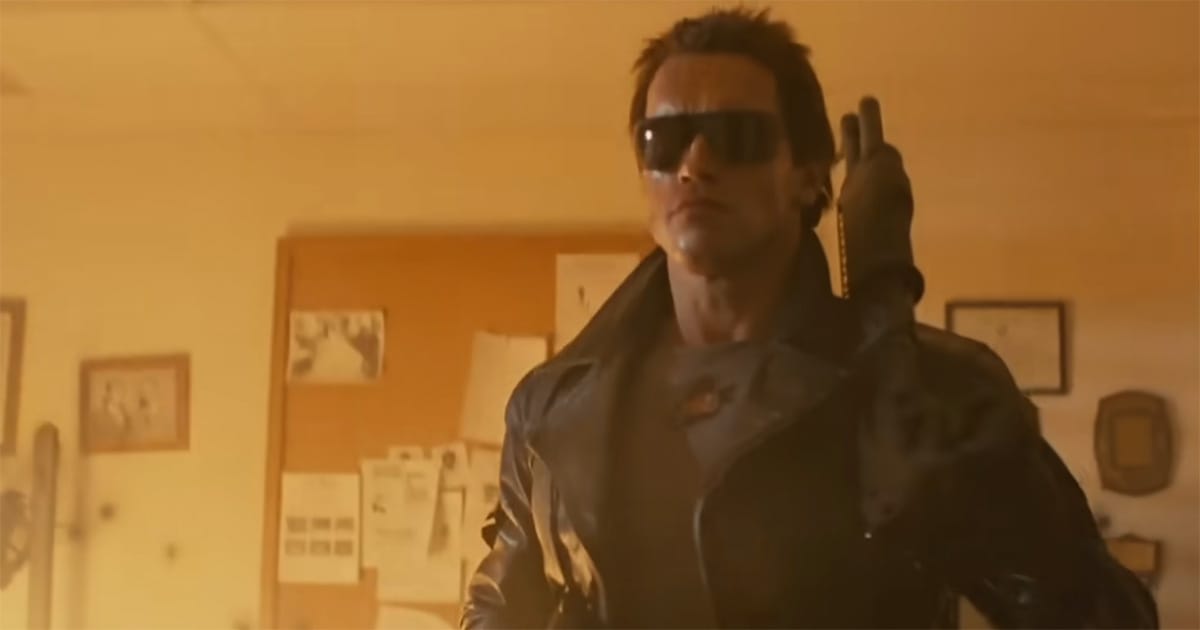
Eleven years later, "The Terminator" (1984) pushed the idea to its logical extreme. Arnold Schwarzenegger's Terminator shares the Gunslinger's most important quality. Once given a target, he pursues it with mechanical persistence.
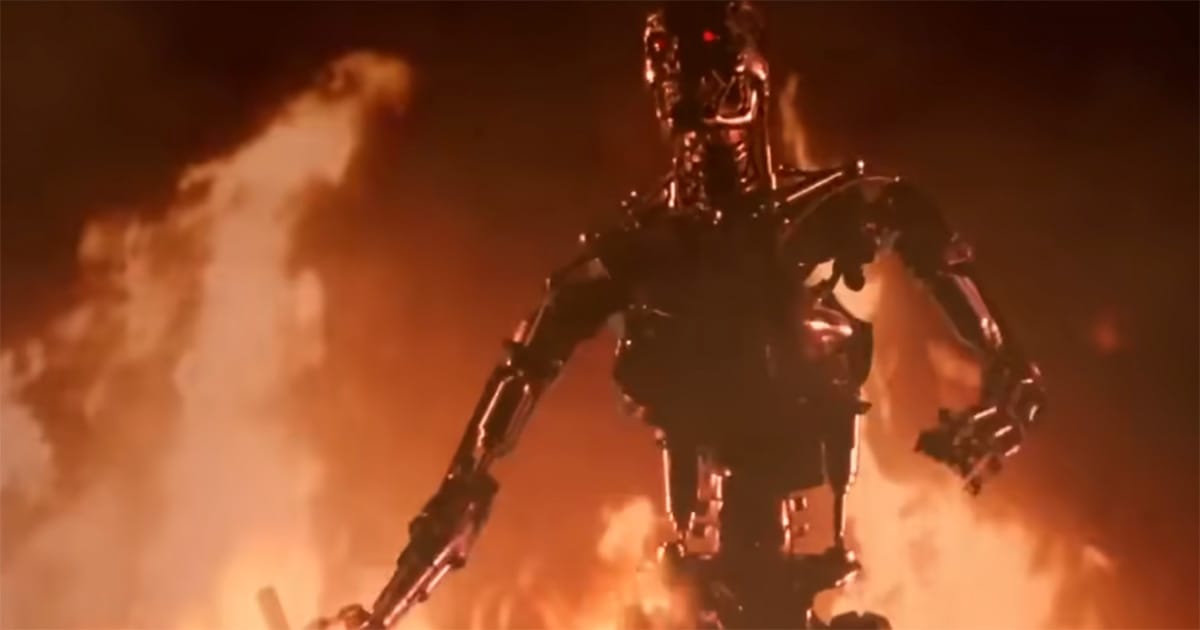
The Terminator is also a more sophisticated nightmare. He can pass for human, operate in the ordinary world, use human weapons, and absorb punishment that would kill a man. Destroying his outward appearance merely reveals the machinery underneath.
The scale of the danger has also changed. The Gunslinger represents technology escaping control inside an artificial world. The Terminator comes from a future where machines have escaped human control on a civilization-wide scale.
This progression helped establish one of the most recognizable villains in modern science fiction. Later killer machines could become faster, smarter, and more elaborate, but the essential formula was already complete. Give a machine a target, remove its capacity for mercy, and make it extraordinarily difficult to stop.
Why We Fear the Killer Robot
A human pursuer has limitations that an imaginary machine need not possess. A man becomes exhausted. He may become frightened, reconsider what he is doing, make an emotional mistake, or decide that killing another man is wrong.
The killer robot removes those possibilities. It does not necessarily hate its victim because hatred is unnecessary. It continues because continuing is what it was built or instructed to do.
That is why the best killer-robot stories are ultimately about more than robots. They question the assumption that man's ability to create a powerful technology also gives him permanent control over it. A machine can perform its assigned task perfectly while producing a result its creator never wanted.
That idea carries a fitting irony. Men build machines because machines can follow instructions without becoming tired, distracted, frightened, or reluctant. Science fiction discovered long ago that those same qualities could make a machine a very unpleasant enemy.