
"Star Maker" Reaches Beyond Science Fiction Into Creation Itself
Olaf Stapledon’s "Star Maker" explores alien civilizations, cosmic intelligence, creation, and humanity’s place in an immense and often unsettling universe.

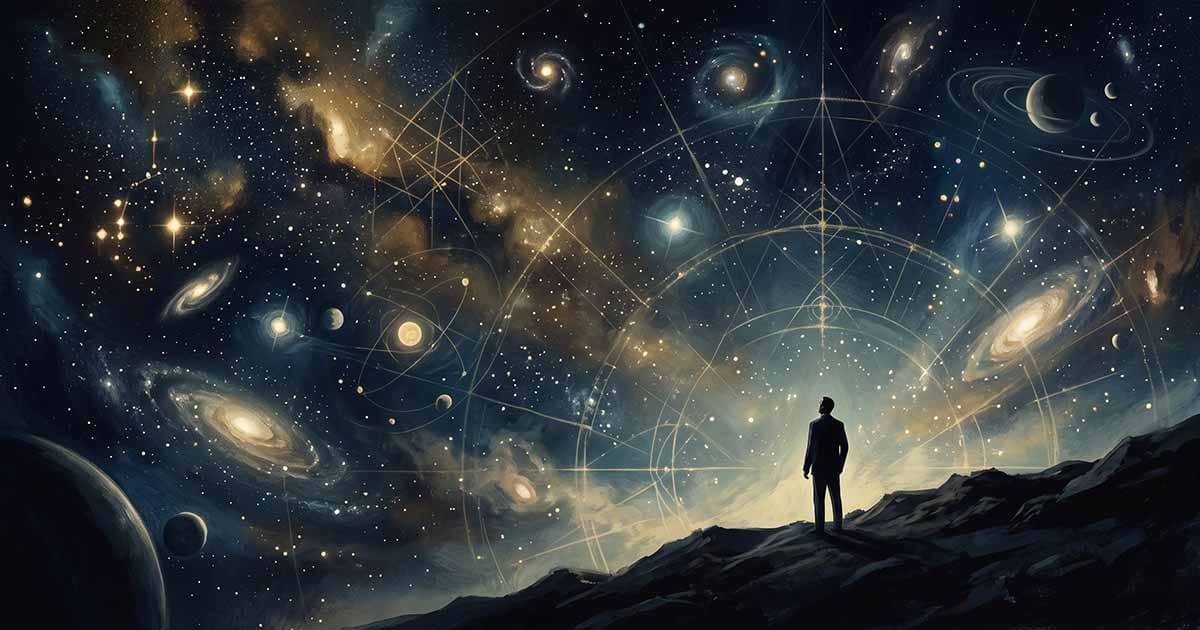
Looking Up From Earth
Olaf Stapledon began "Star Maker" with an ordinary man looking at the night sky and proceeded to make almost everything else in science fiction seem small. Published in 1937, the novel followed an unnamed English narrator whose consciousness somehow left Earth and traveled into space.
There was no rocket, experimental engine, or convenient hole in spacetime. Stapledon simply sent his narrator outward and used the journey to examine life, civilization, intelligence, and eventually creation itself.
That description may make "Star Maker" sound like an adventure, but it was not. Readers looking for ray guns, space battles, heroic captains, or even a conventional protagonist will find relatively little of that here.
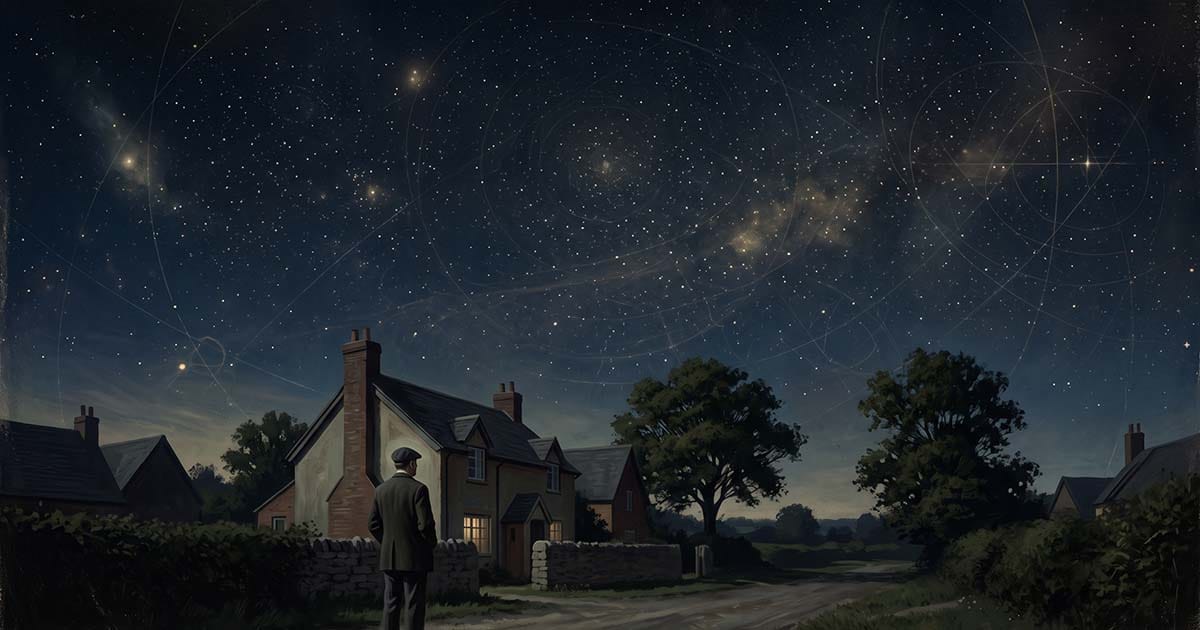
Stapledon cared much more about ideas than action. He often seemed less interested in what happened to one man than in what might happen to an entire species, civilization, or world.
That approach created the central problem with "Star Maker." As a conventional novel, it could be frustratingly distant because characters appeared and disappeared while civilizations replaced individuals as the real subjects of the story.
Yet the same approach gave the book its extraordinary power. Stapledon refused to remain at the scale of one man, one planet, or even one civilization, and every time the reader became comfortable with the size of his imagined universe, he pulled farther away.
The result was a book that could be difficult to love but remarkably difficult to dismiss. Its weaknesses were obvious, but so was the scale of the imagination behind it.
A Universe Full of Minds
The narrator's journey first brought him into contact with intelligent life beyond Earth. What followed was not a parade of men with unusual foreheads, but a series of beings whose bodies, senses, societies, and ways of thinking differed fundamentally from our own.
That distinction mattered because many science fiction aliens merely represented recognizable human cultures dressed in extraterrestrial clothing. Stapledon tried something more difficult by asking what intelligence might look like if evolution had begun from very different biological foundations.
Some civilizations developed around forms of cooperation unfamiliar to human beings. Others struggled with technology, social organization, biological limitations, or the relationship between the individual and the larger community.
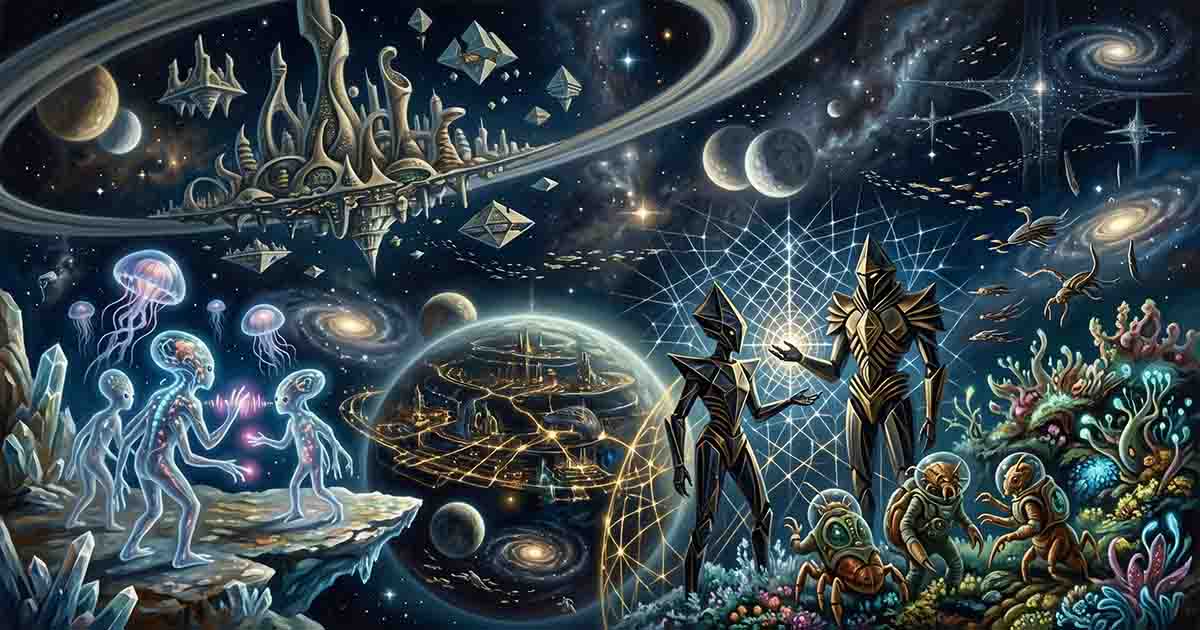
Stapledon also explored ideas resembling artificial intelligence, biological engineering, collective minds, planetary civilization, and other concepts that later became familiar throughout science fiction. Any one of these ideas could have carried an entire novel.
Stapledon sometimes spent only a handful of pages on one before moving to another. That created a peculiar reading experience because "Star Maker" repeatedly offered glimpses of worlds interesting enough to deserve hundreds of pages and then left them behind.
The imagination involved was tremendous, but the speed could become exhausting. It also prevented the reader from forming strong attachments to particular characters or societies because Stapledon rarely allowed anyone to remain onstage long enough to become a companion.
The book therefore generated wonder more easily than affection. The reader kept wondering what Stapledon could possibly imagine next rather than worrying about what might happen to a beloved character.
For readers who judge novels primarily by character and narrative momentum, that became a serious weakness. For readers who enjoy science fiction as an exploration of possibilities, it became one of the book's greatest attractions.
Civilizations Under Examination
Stapledon's alien worlds were not there simply to prove that he could invent strange creatures. He used them to examine civilization itself and to ask whether intelligence inevitably produced wisdom.
Again and again, intelligent beings confronted problems that would have been familiar to anyone reading the book in 1937. Nations and cultures struggled with war, political power, technological change, economic conflict, social division, and the difficulty of cooperating with those who seemed fundamentally different.
The historical setting mattered because Europe was moving toward another enormous war while fascism was expanding across the continent. Faith in technological progress had already been badly damaged by World War I, and Stapledon looked outward toward the stars while carrying the problems of his own century with him.
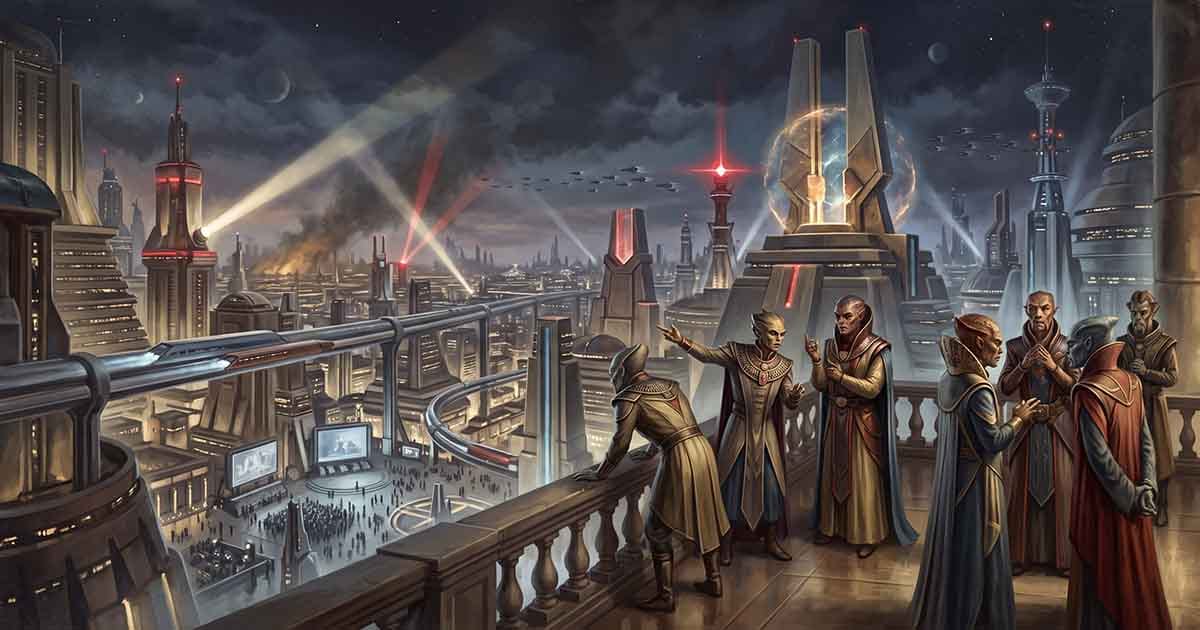
One of his recurring concerns involved the relationship between technological ability and wisdom. Intelligent beings could become extraordinarily capable without becoming good, and greater knowledge could provide new tools for domination just as easily as it could improve civilization.
That remains one of the book's strongest observations. Technology changed much faster than human nature, and a civilization that mastered the physical world without mastering greed, pride, fear, or hatred might merely become more efficient at destroying itself.
Stapledon was equally fascinated by cooperation. Many of his imagined societies sought forms of unity that allowed individuals to participate in something larger than themselves.
Yet unity carried its own danger because a society could become more powerful through cooperation while gradually reducing the importance of the individual. The question was not merely whether intelligent beings could work together, but whether they could achieve genuine community without surrendering personality and freedom.
Here Stapledon's method became both useful and limiting. His civilizations sometimes resembled philosophical experiments more than real places, and he could describe the development and failure of entire societies without giving the reader one memorable citizen.
That abstraction reduced the emotional power of the story. It also allowed Stapledon to perform an experiment few novelists attempted by looking at civilization across immense stretches of time and asking what problems intelligent beings might never outgrow.
Creation Without Comfort
Eventually, "Star Maker" became less interested in where intelligent life might exist than in why anything existed at all. Stapledon moved from biology and civilization toward philosophy and theology.
His questions became increasingly difficult as the novel expanded in scale. He asked whether creation had a purpose, whether suffering had meaning, whether intelligence was moving toward something greater, and whether humanity was important simply because humans naturally experienced themselves as important.
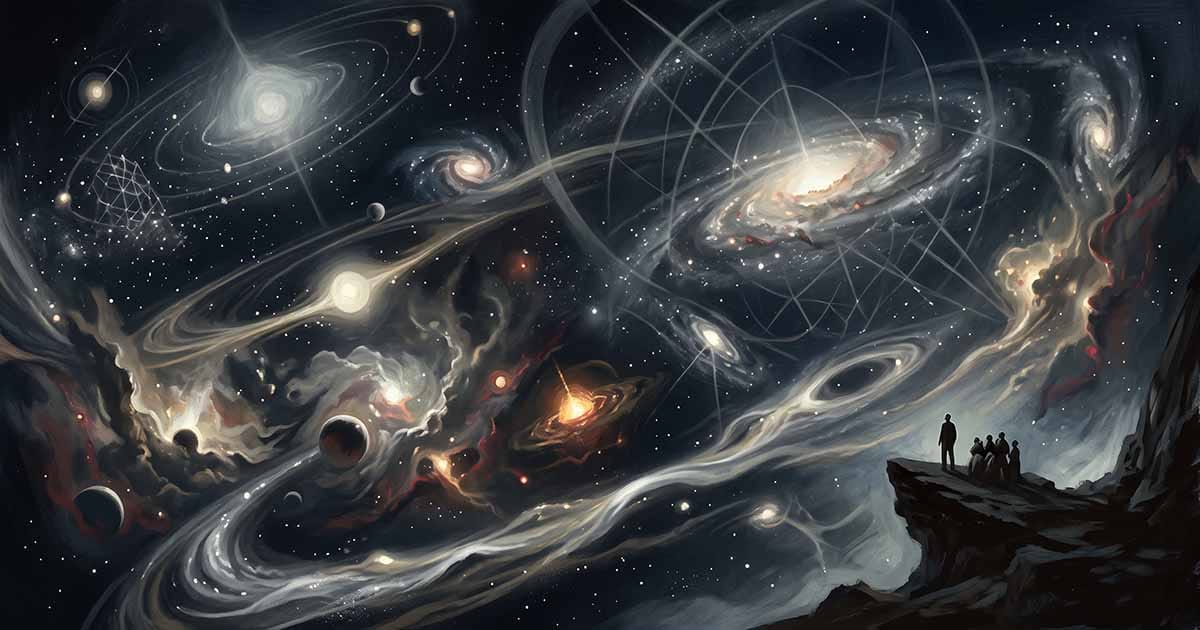
Those questions gave "Star Maker" a seriousness that separated it from a simple tour of imaginary planets. Stapledon's answers, however, did not fit comfortably within Christianity.
His vision of creation was far removed from the biblical picture of a personal God who loved His creation and acted within history. The theology behind "Star Maker" felt remote, impersonal, and at times almost artistic rather than moral.
That distinction explained why the book could inspire admiration and resistance at the same time. A Christian reader did not need to accept Stapledon's conclusions in order to appreciate the questions he raised.
In fact, disagreement made this part of the book more interesting. Stapledon forced the reader to think about what kind of universe could support meaning and what kind of creator could justify the suffering found within it.
He also challenged one of mankind's oldest temptations, the assumption that everything must ultimately revolve around us. The scale of "Star Maker" made that assumption increasingly difficult to maintain.
Earth became one world among many, and humanity became one intelligent species among possibilities almost beyond counting. The physical universe cared little for the importance mankind assigned itself.
Christianity provided its own answer to human significance. Man mattered not because he occupied the geographical center of creation, but because God assigned him value.
Stapledon did not arrive at that answer, yet his enormous universe made the distinction worth considering. His questions about creation became more interesting precisely because his answers differed so sharply from the Christian understanding of God and man.
This was where "Star Maker" became something stranger and more ambitious than most science fiction. Stapledon was no longer merely asking what alien life might look like because he had begun asking what creation itself might mean.
His answer could leave a Christian reader unsatisfied, but it was never trivial. The questions remained large enough to follow the reader long after the book was closed.
Bigger Than a Novel
Calling "Star Maker" a great novel requires some qualification. It had little conventional characterization, relatively little dialogue, and long passages that read more like speculative philosophy than storytelling.
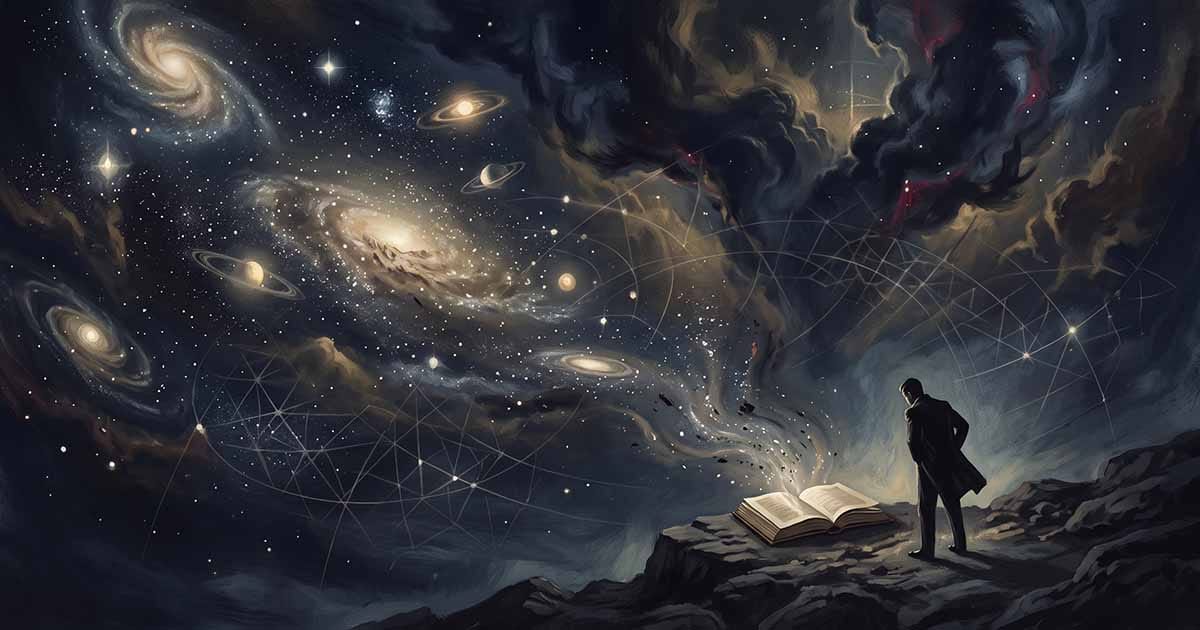
Readers who want a hero to follow, a villain to oppose, and a plot steadily moving toward resolution may find Stapledon's method frustrating. The book could also become overwhelming because Stapledon introduced ideas with such frequency that the reader barely had time to consider one before another appeared.
Occasionally, the imagination became more impressive than the reading experience. Yet judging "Star Maker" only by the standards of conventional fiction missed much of what made it remarkable.
Stapledon attempted something far larger than an ordinary adventure story. He tried to imagine intelligence across worlds, civilizations, biological forms, and enormous reaches of time.
He considered how societies might rise and fail, how technology might reshape life, how minds might cooperate, and whether consciousness itself could develop forms almost incomprehensible to an individual human being. Much of what later became familiar territory in science fiction appeared here with startling confidence.
More importantly, Stapledon kept enlarging the reader's perspective. A human life seemed enormous when viewed from within it, while humanity seemed enormous when Earth was the only inhabited world under consideration.
Once Stapledon widened the frame, both became very small indeed. Small, however, did not necessarily mean meaningless.
That may be the book's most enduring achievement. "Star Maker" forced the reader to confront humanity's physical insignificance without simply declaring human existence worthless.
The book was easier to admire than to love. Its characters rarely stayed long enough to become friends, and its ideas sometimes crowded out its story.
Yet what there was to admire remained enormous. Few writers before Stapledon had attempted anything on this scale, and surprisingly few writers since have managed to make the universe feel quite as large.
Readers who want fast action or intimate character drama may struggle with "Star Maker." Readers fascinated by civilization, technology, theology, human nature, and the possibility that the universe is stranger than mankind can easily imagine will find something much rarer.
Nearly 90 years after Stapledon first looked outward from Earth, "Star Maker" still made the universe feel very, very large. It also left the reader with the uncomfortable but worthwhile question of what mankind's place within that universe might actually be.