
"Assignment: Earth" and the Star Trek Spin-Off That Almost Was
Gary Seven, Roberta Lincoln, and Isis made "Assignment: Earth" one of Star Trek’s strangest backdoor pilots, blending Cold War danger with secret-agent science fiction.

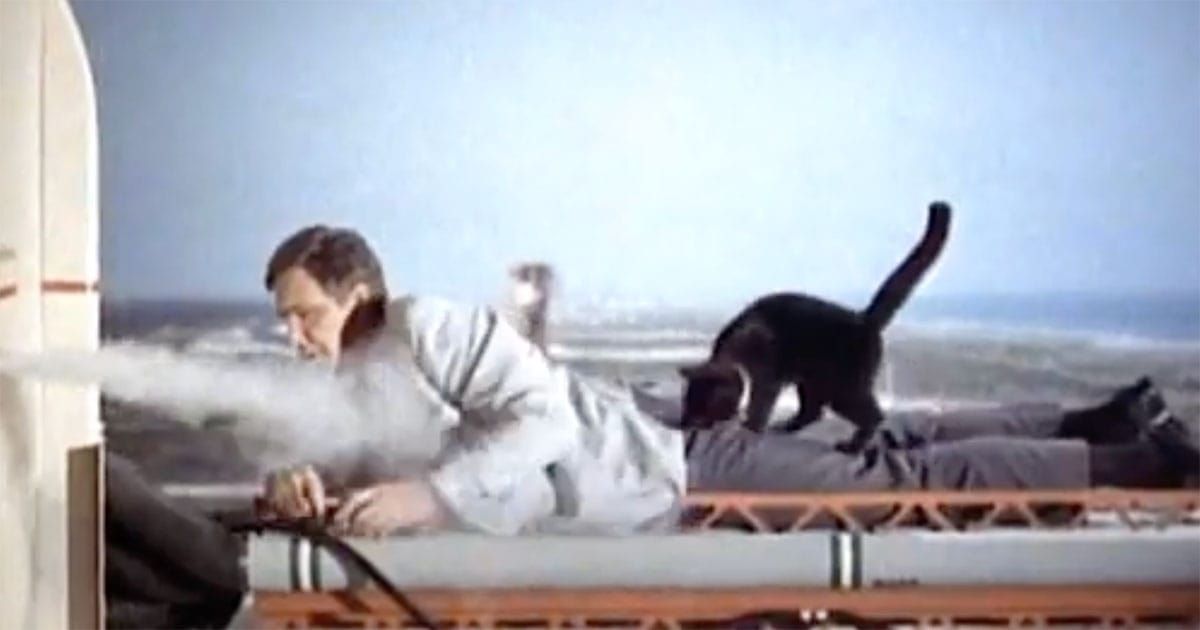
The odd finale that was also a doorway
"Assignment: Earth" closes the second season of "Star Trek" in a curious way. First aired March 29, 1968, it sends the Enterprise to Earth's own 20th century, then slowly moves Kirk and Spock away from the center of the action. The result feels less like a normal voyage of the Enterprise and more like a pilot episode that borrowed the ship for launch clearance.
That is exactly why the episode still feels so unusual. The Enterprise does not discover a strange new world. It discovers a strange new leading man.
Gary Seven steps through
Gary Seven arrives with his black cat, Isis, and immediately changes the room temperature. He is calm, secretive, and armed with better information than Starfleet. He claims to serve advanced beings who have been helping Earth, which gives the story its sharpest question. Is he a protector, or is he another power meddling with mankind?
The Cold War setting gives that question weight. A nuclear crisis hangs over the plot, and the familiar world of 1968 suddenly looks as dangerous as any alien planet. Kirk becomes less a conquering captain than a wary referee, trying to decide whether Gary Seven is saving history or rewriting it. In that sense, "Assignment: Earth" is not just an ending. It is a doorway, and the cat slipped through first.
A man from the shadows
Gary Seven is Roddenberry's proposed new leading man, but he is not cut from the same cloth as Captain Kirk. He is not a starship commander, explorer, or soldier. He is a controlled operative, trained to act in secret when history drifts toward disaster.
Robert Lansing plays him with stern, clipped authority. Seven does not charm his way into the story. He enters like a man who already knows the ending and has little patience for anyone still reading the first page.
That confidence makes him compelling and suspicious at the same time. Kirk cannot simply accept Seven's word, because Seven works outside normal authority, public consent, and Starfleet procedure. The episode's tension comes from that uncertainty. Seven may be saving Earth, but he is doing it from the shadows.
A spy story with a conscience
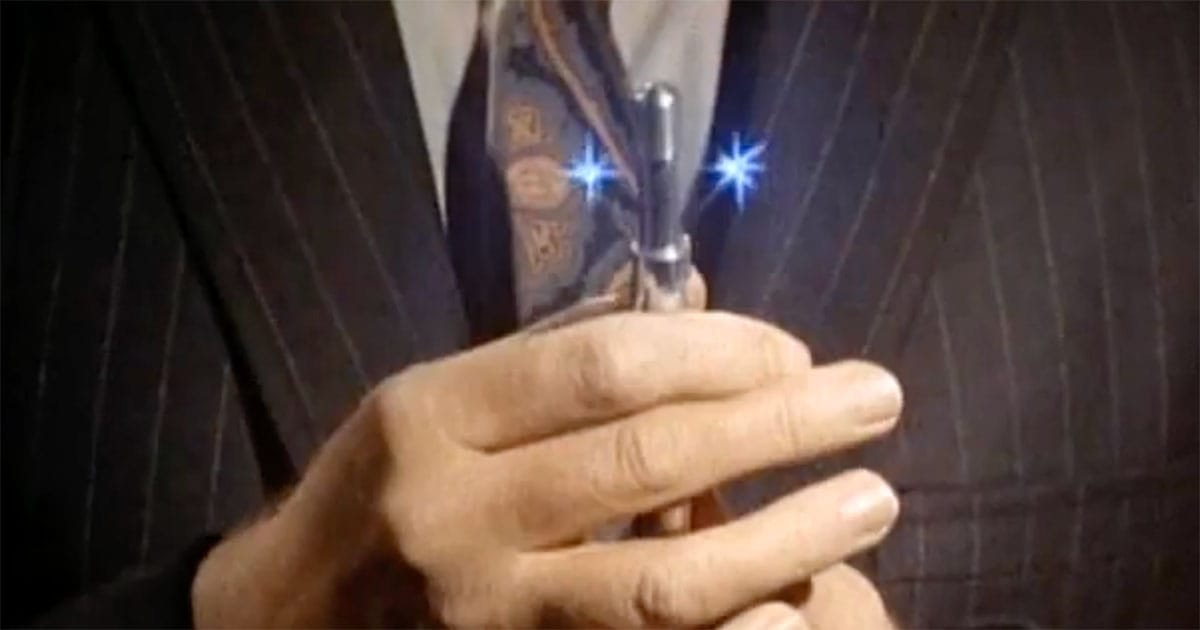
The 1960s secret-agent model is easy to see in "Assignment: Earth." Seven has hidden headquarters, advanced gadgets, a coded mission, and a civilian assistant pulled into danger before she understands the assignment. His equipment includes a concealed transporter vault, the Beta 5 computer, a voice-operated typewriter, and the servo pen, which looks harmless until it starts acting like a miracle in a pocket.
Yet Seven is not merely James Bond with better office equipment. The episode identifies him as Supervisor 194, a human trained by advanced aliens and sent to Earth to correct a dangerous historical crisis. That premise gives the spy formula a moral burden.
A normal spy might save a government, recover a codebook, or stop a rival power. Gary Seven is trying to keep mankind from stepping on the rake of history and breaking its own nose.
That is why the backdoor-pilot structure matters. Roddenberry and Art Wallace first developed the concept as a separate series before it was folded into "Star Trek." On screen, that origin shows, because Kirk and Spock become witnesses to another man's mission, and Seven becomes the center of a different frontier.
The woman at the office
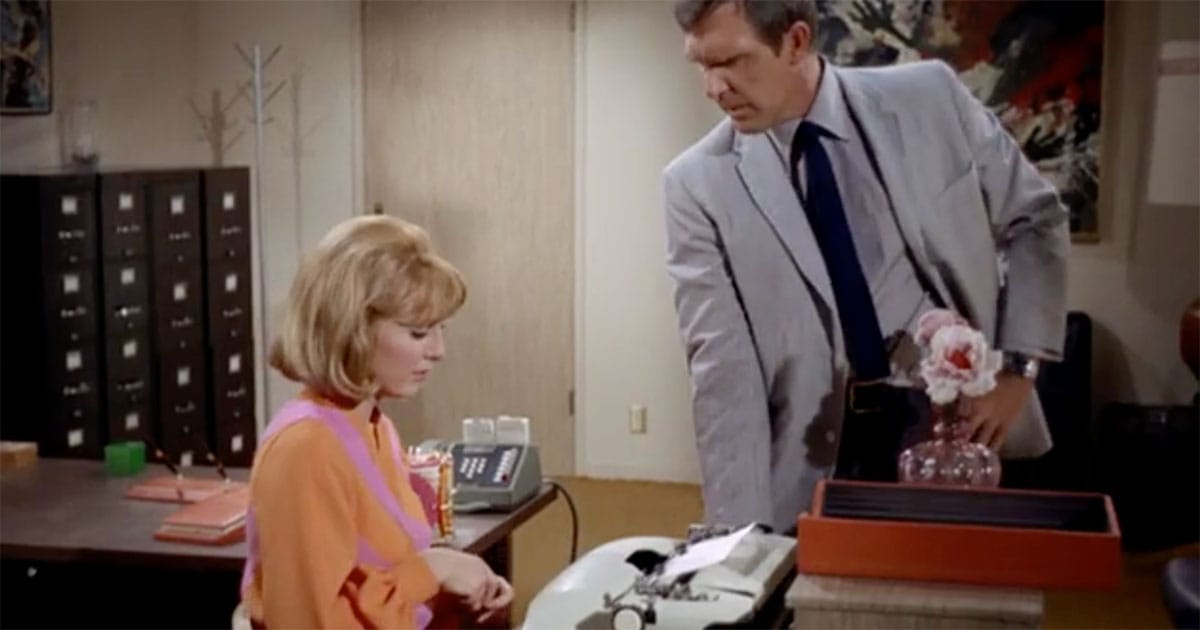
Roberta Lincoln matters because she gives "Assignment: Earth" a human doorway. Gary Seven knows too much, Kirk belongs to the future, and Spock is Spock, which means he is nobody's idea of a confused citizen in 1968. Roberta is the ordinary person caught between secret agencies, alien technology, and a crisis she did not ask to join.
She is not merely comic relief. Teri Garr plays Roberta as nervous, sharp, skeptical, and patriotic. She assumes Seven's operation may be tied to the FBI or CIA, which makes sense in a decade crowded with spy fiction and real national anxiety.
Seven tests her by asking whether she cares about helping her country. That moment gives Roberta more weight than the usual accidental secretary part. She may be confused, but she is morally awake.
The cat in the mystery
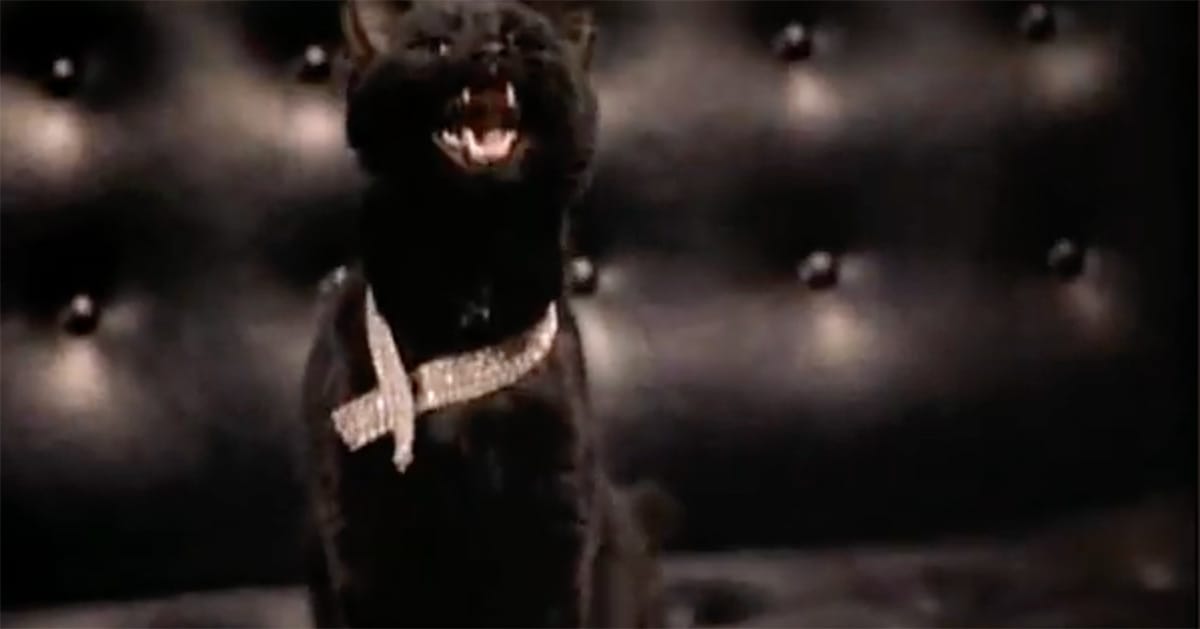
Isis supplies the episode's strangest charm. She is first presented as Gary Seven's black cat, which already gives him the air of a magician who wandered into a government file room. Then the episode hints that she is far more than a pet.
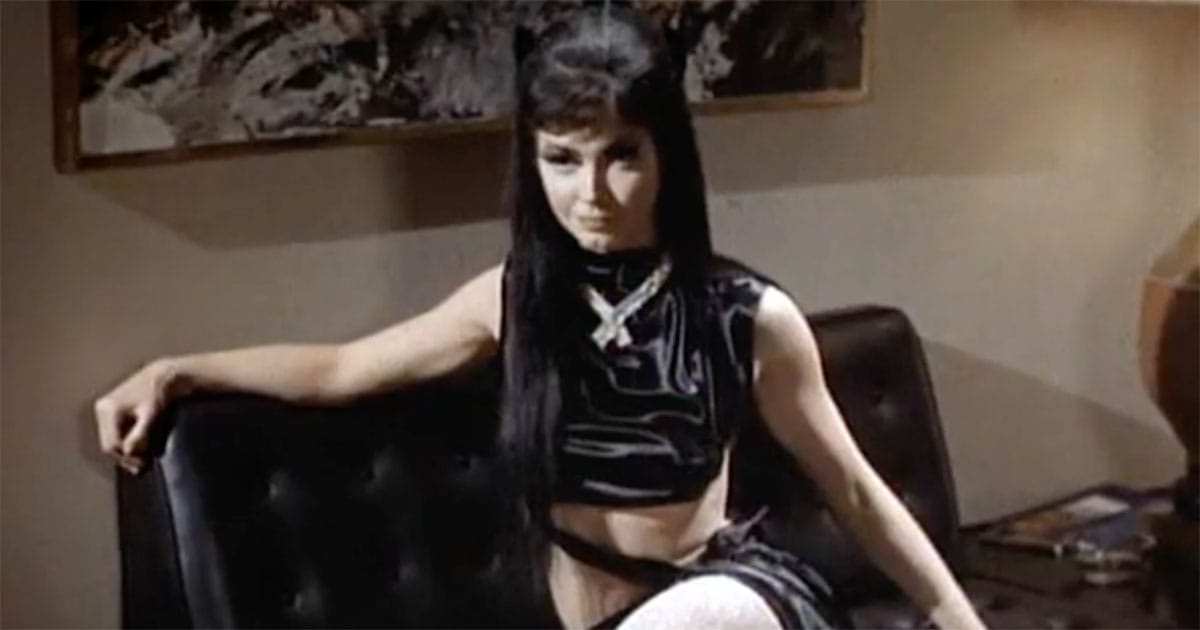
Her brief transformation into a dark-haired woman is one of the great unanswered questions in "Star Trek." Seven's dry explanation that she is "simply my cat" only makes the mystery better. In a proposed series, Isis could have been partner, observer, guardian, or all three, with claws included for editorial correction.
History on a knife-edge
The central question in "Assignment: Earth" is simple, but not easy. Is Gary Seven preventing disaster, or is he tampering with history? Kirk cannot know the answer until the crisis has almost reached the point of no return.
That uncertainty gives the episode its real dramatic engine. The Enterprise crew is used to investigating danger from a position of authority. Here, Kirk must judge a stranger's mission while the clock runs, the evidence conflicts, and Earth's future hangs in the balance.
The nuclear platform plot gives the story its Cold War bite. The danger is not a monster in a cave or a warlord on a distant planet. It is mankind's own machinery, placed above the Earth, waiting for one error to turn fear into fire.
Guardians and masters
Seven's mission depends on forcing a malfunction in an orbital nuclear weapon. The explosion occurs high above Earth, frightening the great powers into reconsidering the wisdom of placing nuclear weapons in orbit. It is a dangerous cure, but the disease is worse.
That is why "Assignment: Earth" works best as a fable about responsibility. The episode does not simply ask whether Seven is right. It asks who has the moral authority to act when civilization is moving too slowly toward wisdom.
The uneasy answer is that protection can resemble control when it happens in secret. Seven may save the day, but he also operates beyond the consent of the people he protects. "Assignment: Earth" leaves that tension alive, which is why the story still has teeth. Secret guardians may protect civilization, but they must never become its masters.
A strong idea in the wrong doorway
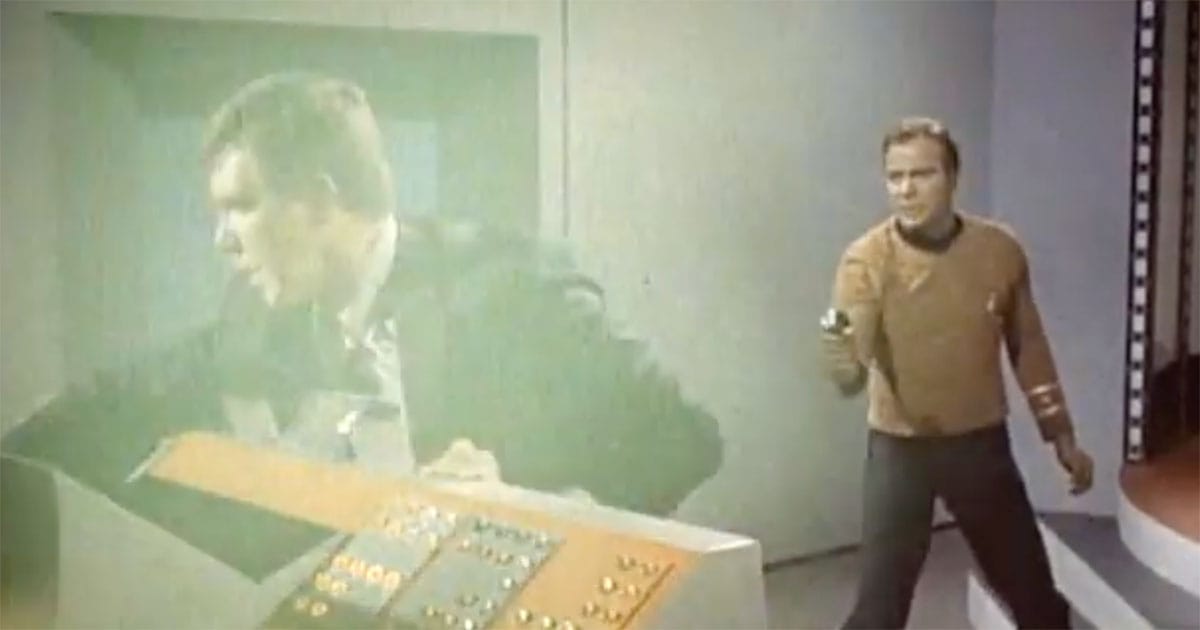
"Assignment: Earth" did not fail because the idea was weak. It failed because it was placed in a strange position, at the end of a "Star Trek" season, inside an episode that suddenly asks the audience to care about a different hero, a different mission, and a different kind of frontier.
That makes the episode both fascinating and frustrating. The Enterprise pauses its own series to audition another one. Kirk and Spock remain important, but the dramatic center shifts toward Gary Seven, which can feel like watching a starship make room for a very serious man with a cat carrier and classified paperwork.
The frontier at home
The proposed series still lingers because the premise has muscle. Gary Seven was intended as the lead of an unproduced spin-off, with "Assignment: Earth" serving as the pilot. That origin explains why the episode feels like a door left open.
The concept offers a frontier unlike the one "Star Trek" usually explores. It is not built around strange new worlds, but around familiar old Earth, watched from the shadows by a severe man, a brave secretary, and a cat who may know more than Starfleet Intelligence.