
Courage, Faith, and Survival in "The War of the Worlds"
"The War of the Worlds" shows that human strength is not just firepower. Its lasting message is about courage, faith, reason, humility, and hope when technology fails.

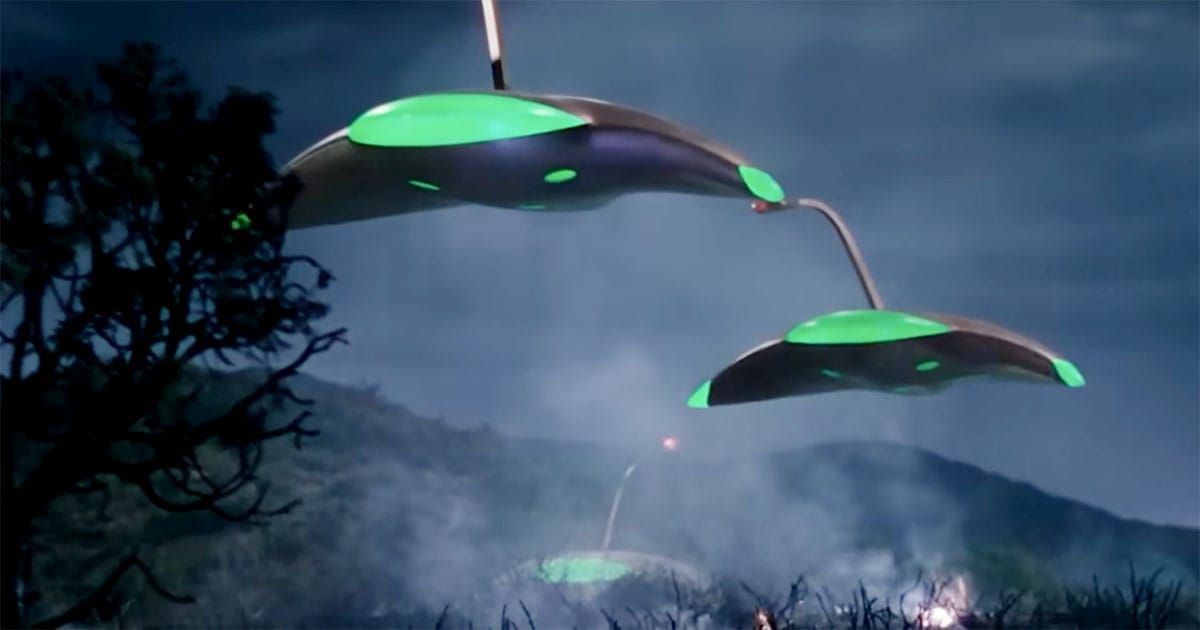
This Week in Classic Science Fiction
On Aug. 13, 1953, "The War of the Worlds" opened in New York and brought H. G. Wells' Martian invasion to American movie screens. Producer George Pal and director Byron Haskin moved Wells' story from Victorian England to 1950s California and turned it into one of the defining science fiction films of the atomic age.
The Martians arrived with technology that made humanity's best weapons look obsolete. Tanks, artillery, and aircraft failed against their protective shields, and even an atomic bomb could not stop them. The movie's spectacular Technicolor destruction helped earn it the Academy Award for Best Special Effects.
Yet "The War of the Worlds" was not simply a showcase for futuristic weapons. Released only eight years after Hiroshima and Nagasaki, it imagined something more powerful than the atomic bomb and reminded audiences that technological superiority could disappear overnight.
In the end, mankind did not save itself with a bigger bomb. The Martians died from ordinary terrestrial bacteria, just as they did in Wells' novel, and the film explicitly credited their destruction to the smallest things God placed on Earth. Seventy-three years later, that reversal remains the movie's great irony, and perhaps its most enduring lesson about the limits of human power.
Sponsored by: Yellow Conehead Alien | پیلا کون ہیڈ ایلین T-shirt
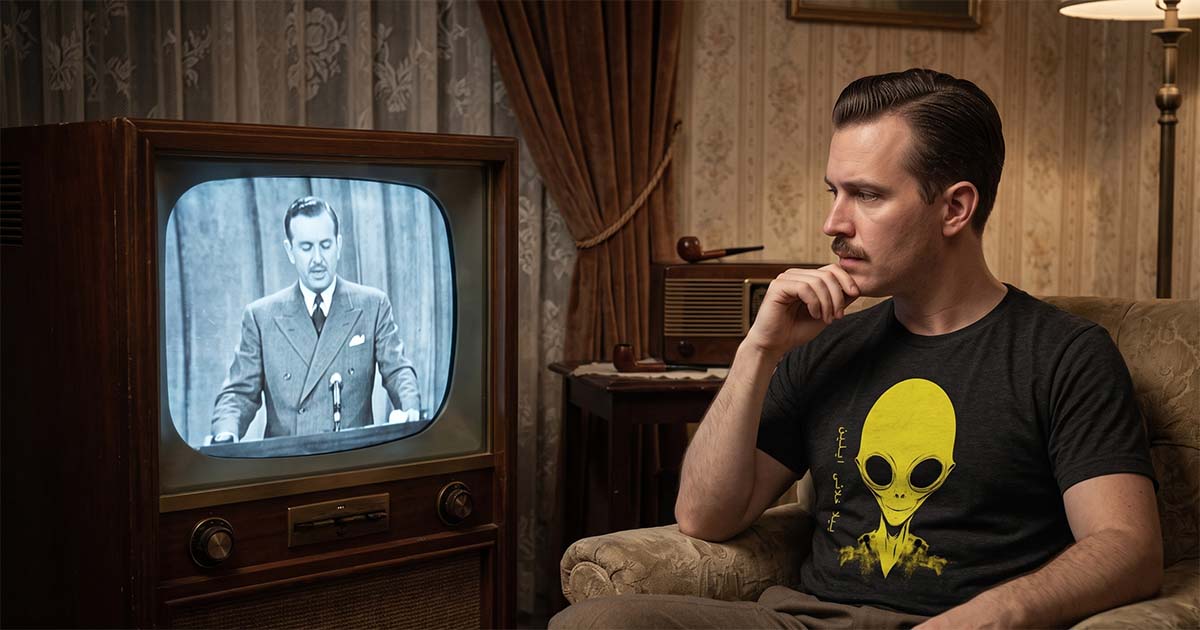
Some aliens invade Earth. Others improve the dress code. The "Yellow Conehead Alien" T-shirt brings a little old-school extraterrestrial attitude to a black or dark heather shirt, with a bright yellow visitor who looks perfectly comfortable among humans.
What "The War of the Worlds" Says About Human Strength
Science fiction loves the superweapon. Give mankind a sufficiently large laser, bomb, spaceship, or ingenious scientist, and sooner or later somebody will find the Martian exhaust port and save the day. "The War of the Worlds" (1953) offers no such comfort.
The people in George Pal's film fight back with nearly everything available to them. They study the invaders, mobilize the military, evacuate cities, and refuse to surrender. What makes the story surprisingly hopeful is that human strength remains important even when human power proves insufficient.
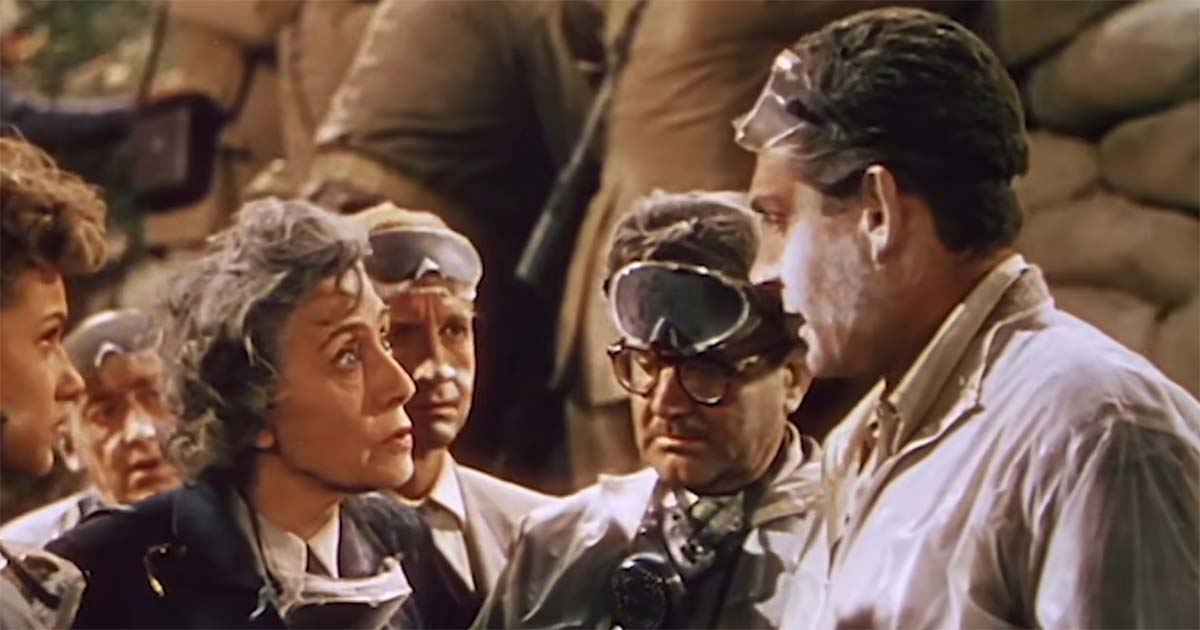
The Scientist
Dr. Clayton Forrester is the sort of scientist classic science fiction once produced regularly. He is intelligent, curious, practical, and brave enough to get close to something that might kill him because he wants to understand it.
Forrester never becomes a miracle worker who invents a Martian-killing ray during the final reel. His inability to solve the invasion does not diminish him or the value of science. The movie instead makes a useful distinction between seeking knowledge and assuming that knowledge makes man master of everything he encounters.
That distinction gives Forrester considerable dignity. When his answers fail, he keeps looking for better ones. The film treats curiosity and reason as virtues even when they cannot provide an immediate victory.
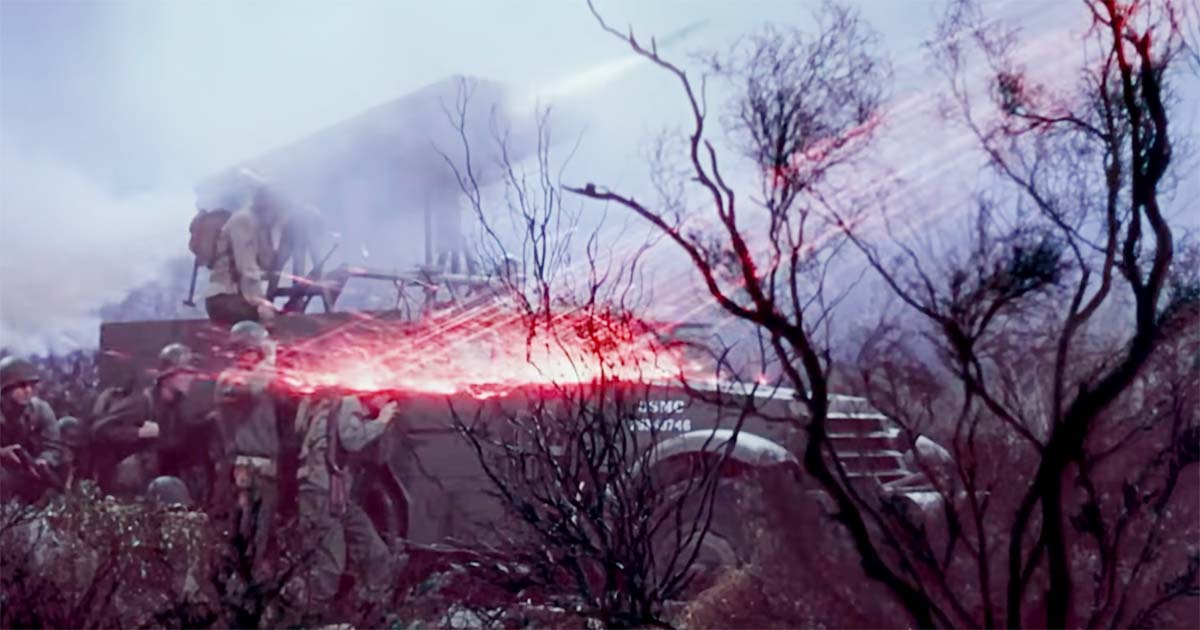
The Soldiers
The military faces an even simpler problem. Its weapons do not work.
That might have turned the soldiers into helpless figures waiting for the scientist to rescue them. Instead, they continue fighting, organizing defenses, protecting civilians, and carrying out their duty after it becomes clear that they face an enemy with an enormous technological advantage.
There is something refreshingly straightforward about this portrayal of courage. These men do not need to believe that victory is guaranteed before doing what is required of them. Their bravery matters because the situation looks hopeless.
Modern stories sometimes confuse heroism with winning. "The War of the Worlds" remembers that courage is better measured by what a man does when winning no longer appears likely.
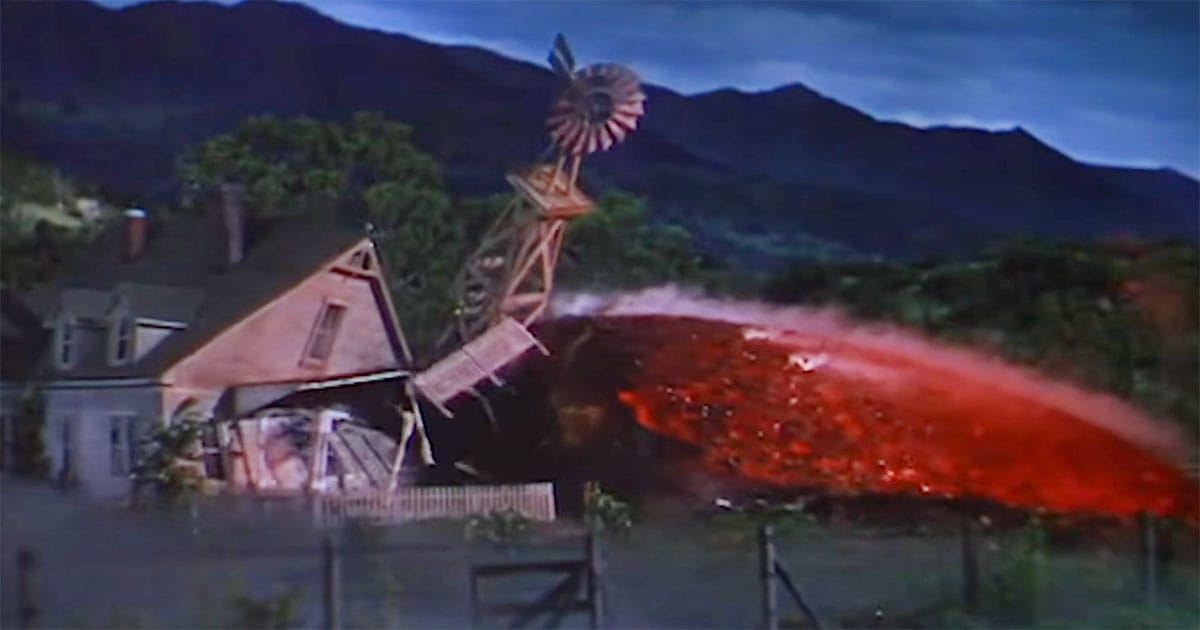
Civilization Gets a Test
Ordinary people receive their own test as the invasion spreads. Here the movie is less flattering, and wisely so.
Fear brings out some ugly behavior. Crowds panic, roads clog, and frightened people become desperate to escape. At one point, a mob attacks the trucks carrying Forrester and his scientific equipment, destroying some of humanity's best remaining chance to study the enemy.
Yet this does not amount to a cynical view of mankind. For every moment of panic, people are searching for family members, tending the injured, doing their jobs, and remaining together as the familiar world disappears around them. Human beings are imperfect under pressure, but the film never suggests they are worthless.
That balance helps the movie. Perfect people would make a poor test of human character. Frightened people who nevertheless continue helping one another are far more interesting.
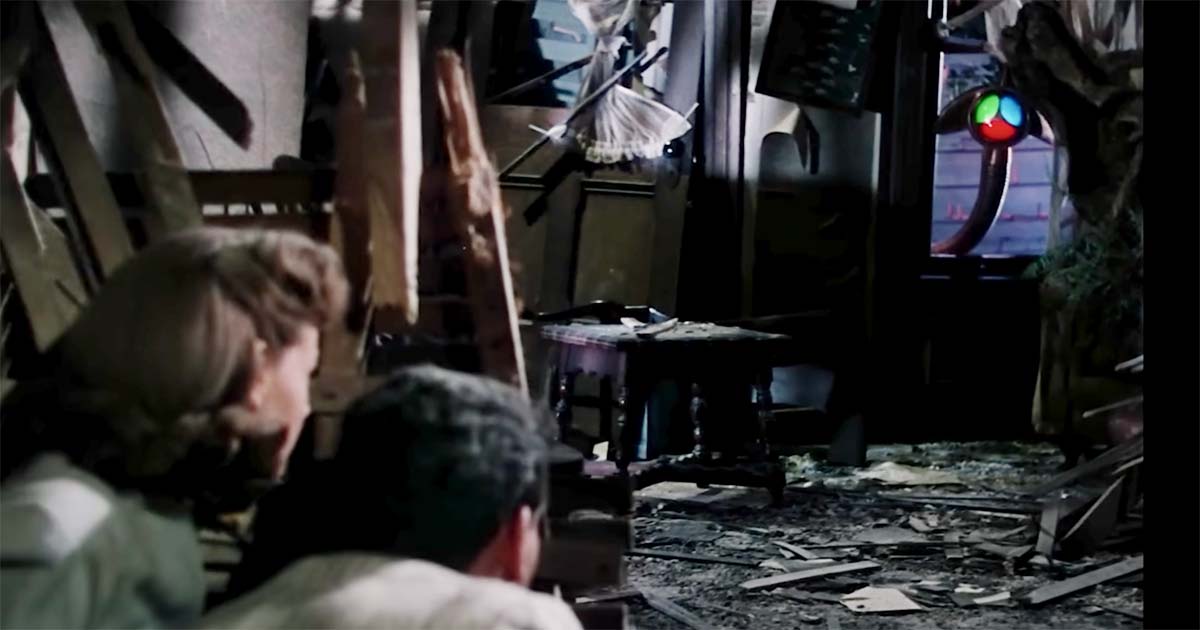
Faith When Answers Run Out
The film also gives faith a place that would be unusual in many later science fiction pictures. Pastor Matthew Collins approaches the Martian machines carrying a Bible and reciting Scripture, convinced that intelligent creatures might still respond to a peaceful appeal.
He is wrong about the Martians. The movie does not mock him for trying.
His death becomes one of the film's clearest demonstrations of what humanity is facing. The invaders possess extraordinary intelligence, but technological intelligence has not made them merciful. Their machines are advanced while their conduct remains brutally simple.
Religious imagery returns near the climax. As Los Angeles collapses, people gather in churches and pray while Forrester searches for Sylvia. Civilization has lost control of the situation, yet the people have not abandoned hope or one another.
That distinction matters. Faith in the film is not presented as a machine that produces the desired result on command. It becomes part of what remains when mankind can no longer pretend that he controls the result.
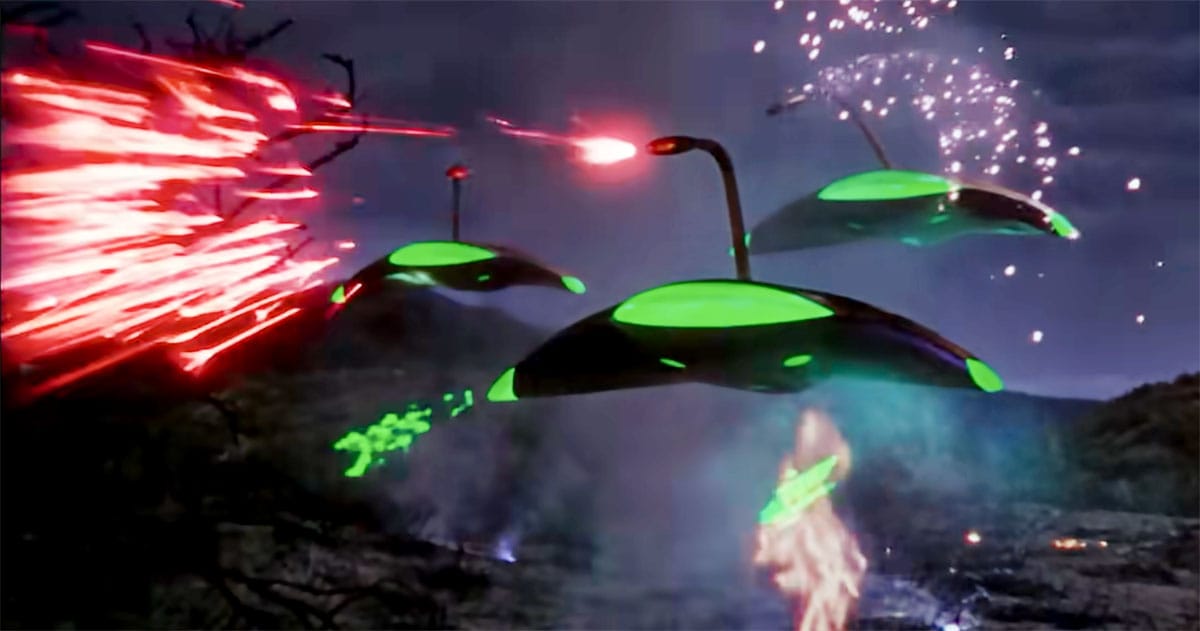
The Limits of Power
This is where "The War of the Worlds" becomes more than a story about invaders from Mars. The Martians and humans share one important characteristic. Both trust power.
The difference is that humanity is forced to discover the limits of its power. The Martians never get the chance to learn that lesson.
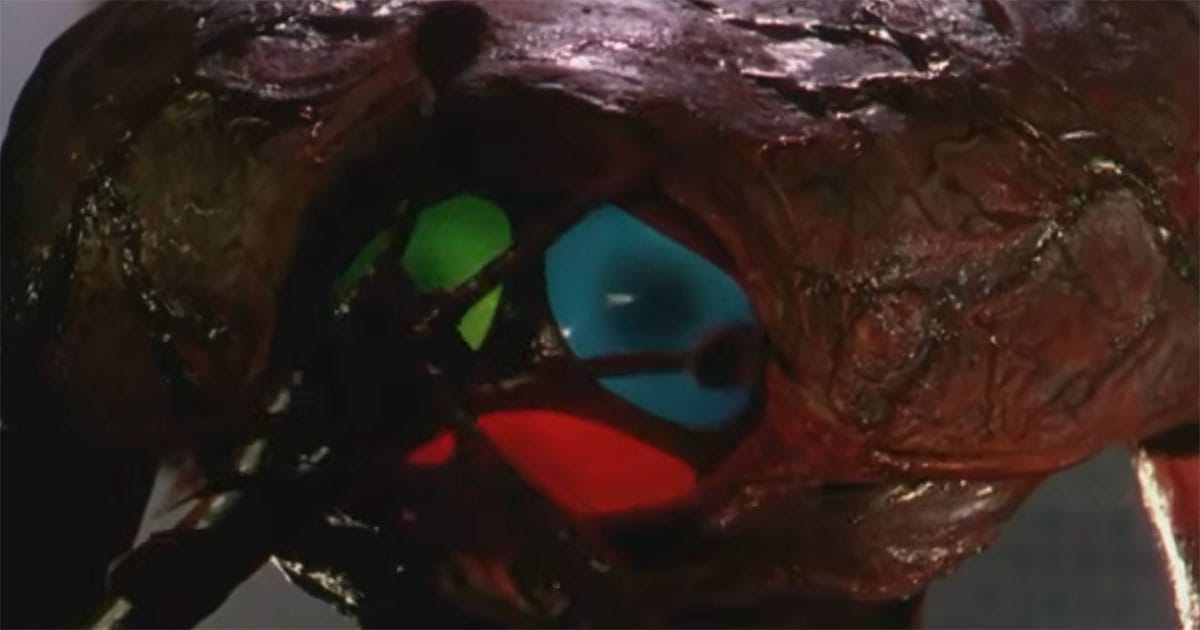
They arrive with machines so advanced that resistance seems almost absurd. They can cross interplanetary space and brush aside organized opposition, yet they overlook something fundamental about the world they intend to conquer.
Their great weakness is not a missing shield generator or an exposed control panel. It is arrogance. They understand enough about nature to cross space, but not enough to recognize that nature itself might defeat them.
Strength Without Supremacy
That gives the movie a more interesting definition of human strength. Strength is not the ability to dominate every situation.
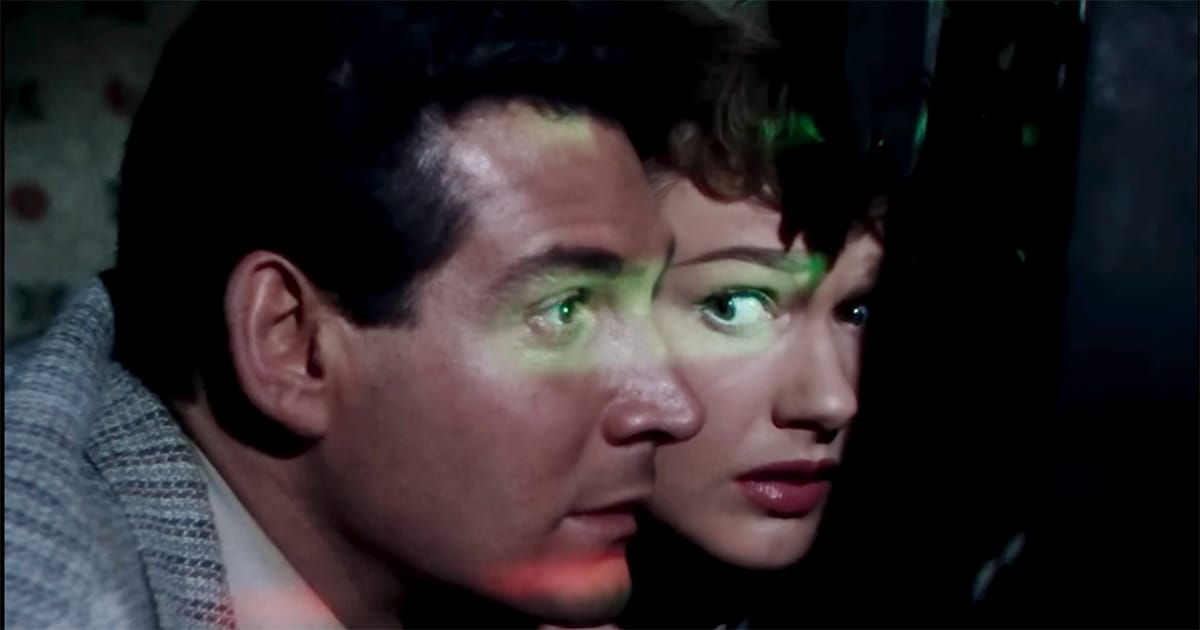
Forrester remains a scientist when science cannot save him. Soldiers remain soldiers when their weapons cannot stop the enemy. Families search for one another, strangers gather together, and frightened people continue hoping when there is little practical reason for confidence.
None of these actions destroys a Martian machine. They still tell us what kind of people remain when the machines fail.
That may be why "The War of the Worlds" has retained its power while so many invasion pictures have faded. Its special effects gave audiences something marvelous to watch, but its underlying idea gave them something worth remembering.
Human beings are capable of remarkable things, but they are not masters of creation. "The War of the Worlds" treats that fact not as a reason for despair, but as a reason for humility. In a genre filled with stories about mankind conquering the universe, there is something reassuring about a story in which mankind survives by discovering that the universe was never his to conquer.
"The War of the Worlds" Trivia
- George Pal reused an idea from his 1942 short "Tulips Shall Grow." In both films, human weapons fail, the enemy dies through natural means, and the heroes are in a church near the end.
- "The War of the Worlds" received three Academy Award nominations, including film editing and sound recording. It won for special effects.
- The Library of Congress added "The War of the Worlds" to the National Film Registry in 2011, nearly six decades after its original release.