
What Star Trek Taught Us About Command
On Nov. 18, 1994, "Star Trek Generations" brought Kirk and Picard together. This week, we look at how "Star Trek" defined command, duty, judgment, and leadership.

This Week in Classic Science Fiction
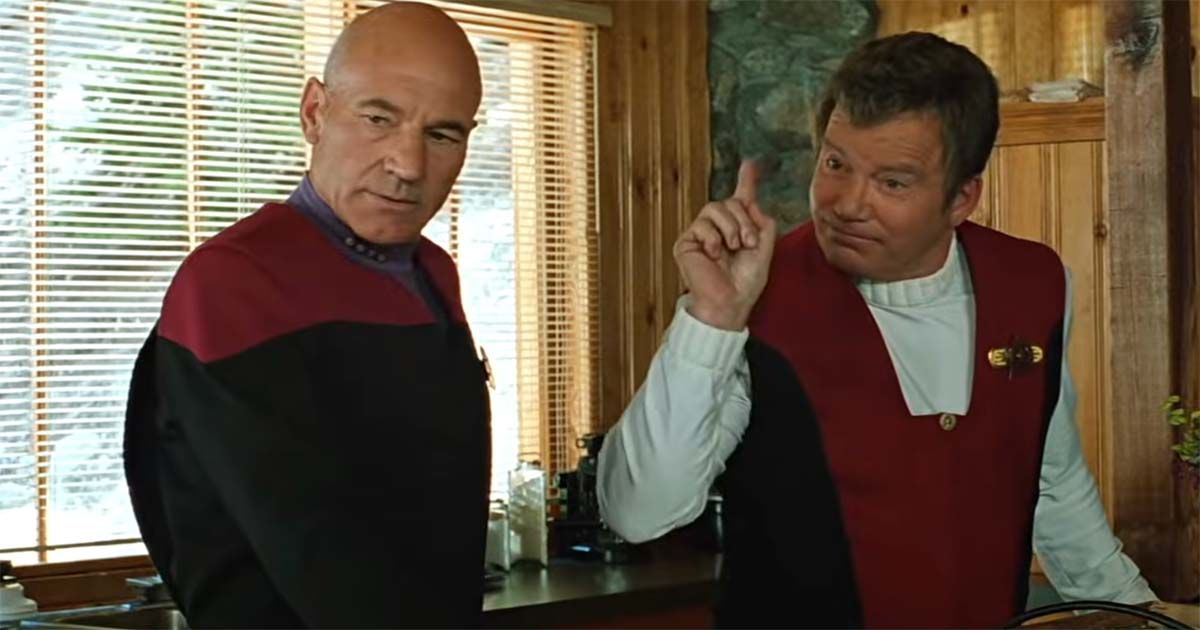
On Nov. 18, 1994, "Star Trek Generations" opened in theaters across the United States. The film brought the crew of "Star Trek: The Next Generation" to the big screen for the first time. It also marked the day the "Star Trek" movie franchise officially passed from one generation of heroes to another.
William Shatner returned as James T. Kirk, while Patrick Stewart made his feature-film debut as Jean-Luc Picard. The two captains had represented very different eras of "Star Trek," but "Generations" placed them in the same story for the first and only time. Kirk ultimately joined Picard in stopping Dr. Tolian Soran, bringing the original captain's story to an end.
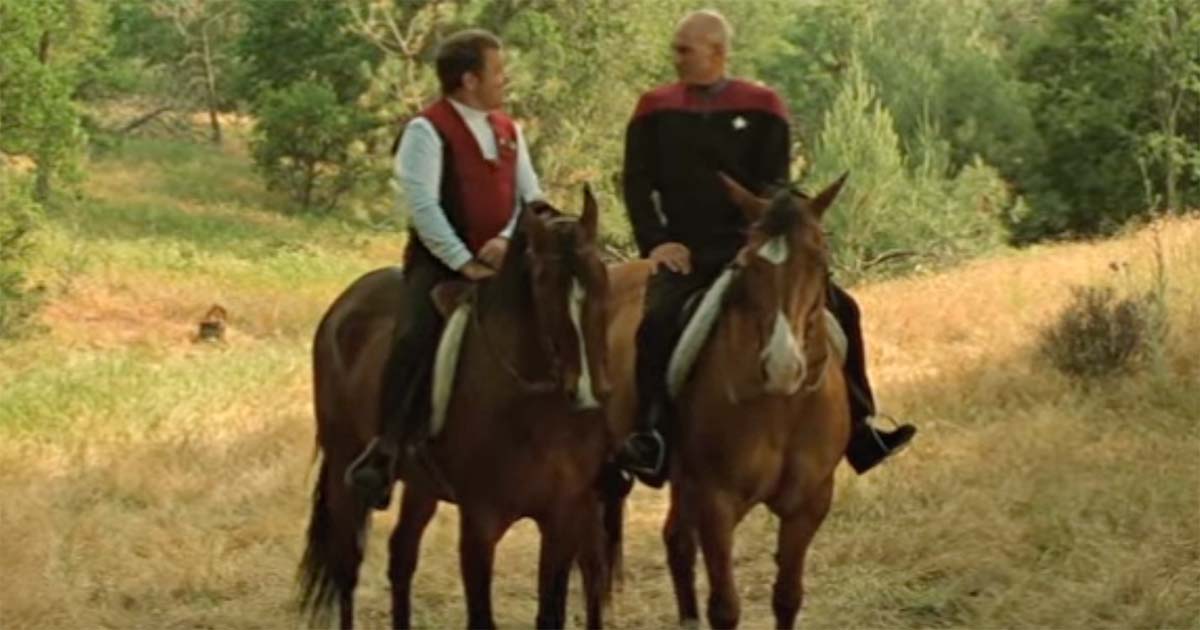
The release also closed a long chapter in "Star Trek" history. Kirk had first commanded the Enterprise on television in the 1960s and later carried the franchise through a series of feature films with the original crew. By 1994, Picard and his officers had become the new face of "Star Trek" for millions of viewers.
The film received mixed reviews, and fans have debated Kirk's death ever since. Its place in franchise history is easier to define because Nov. 18, 1994, was the day the "Next Generation" crew took control of the movie series. From that point forward, Picard and his crew carried "Star Trek" on the big screen.
Sponsored by: The Pilot Beneath the Twin Moons

A good science fiction shirt should feel like it belongs in the world it imagines. “The Pilot Beneath the Twin Moons” pairs a lone pilot with a massive moonlit sky and the machinery of another mission. It is built for readers who still like their science fiction filled with ships, duty, and distant worlds.
More Than the Chair
From its earliest episodes, "Star Trek" treated command as something heavier than rank. The captain sat in the center seat, but the chair itself did not make him worthy of it. Command required judgment, responsibility, discipline, and the ability to lead men and women whose skills often exceeded the captain's own.
That idea helped distinguish "Star Trek" from simpler adventure stories. James T. Kirk could fight, improvise, and take risks, but those qualities alone did not make him captain of the Enterprise. Jean-Luc Picard later offered a very different personality while carrying the same burden. Both men understood that the authority to give orders came with an obligation to answer for what happened next.
The series returned to that point again and again because command naturally created drama. A captain rarely received perfect information, unlimited time, or an obvious solution. He had to decide anyway, knowing that hesitation could be as dangerous as the wrong choice.
Judgment Before Rules
Starfleet surrounded its officers with regulations, procedures, and a clearly defined chain of command. "Star Trek" nevertheless understood that no rulebook could anticipate every strange new world, alien intelligence, or moral dilemma. The captain therefore needed something more difficult to teach than procedure. He needed judgment.
Kirk became famous for bending rules, but his best decisions were not simply acts of rebellion. He weighed the purpose behind a rule against the circumstances in front of him. The Prime Directive could restrain him, Starfleet could issue orders, and superior officers could demand obedience, yet the final decision aboard his ship still belonged to him.
Picard approached the same problem differently. He generally showed greater respect for institutions and procedure, but he also understood that obedience had limits. When law, conscience, duty, and circumstance collided, command meant deciding which obligation carried the greatest weight.
That tension made the captain's chair interesting. "Star Trek" did not argue that rules were useless, nor did it suggest that a good captain followed his instincts. Good command required enough discipline to respect the rules and enough wisdom to recognize when following them blindly would produce the wrong result.
Responsibility Stayed at the Top
Authority in "Star Trek" always carried responsibility with it. A captain could delegate navigation, engineering, medicine, security, and science, but he could not delegate accountability for the mission. When something went wrong, the final responsibility remained with the man in command.
That burden separated command from mere power. Kirk could order men into danger because he was also willing to place himself in danger. Picard could demand discipline because he accepted the consequences when his decisions failed. Neither captain was protected from guilt, loss, or regret simply because he wore the highest rank on the bridge.
"Star Trek" often showed captains living with decisions that had no perfect outcome. Ships were lost, crewmen died, missions failed, and choices that seemed correct still produced painful consequences. Command meant accepting those consequences without pretending that responsibility belonged to someone farther down the chain.
That view gave leadership a moral dimension. The captain was not merely the man with permission to give orders. He was the man expected to answer for them.
The Captain Needed a Crew
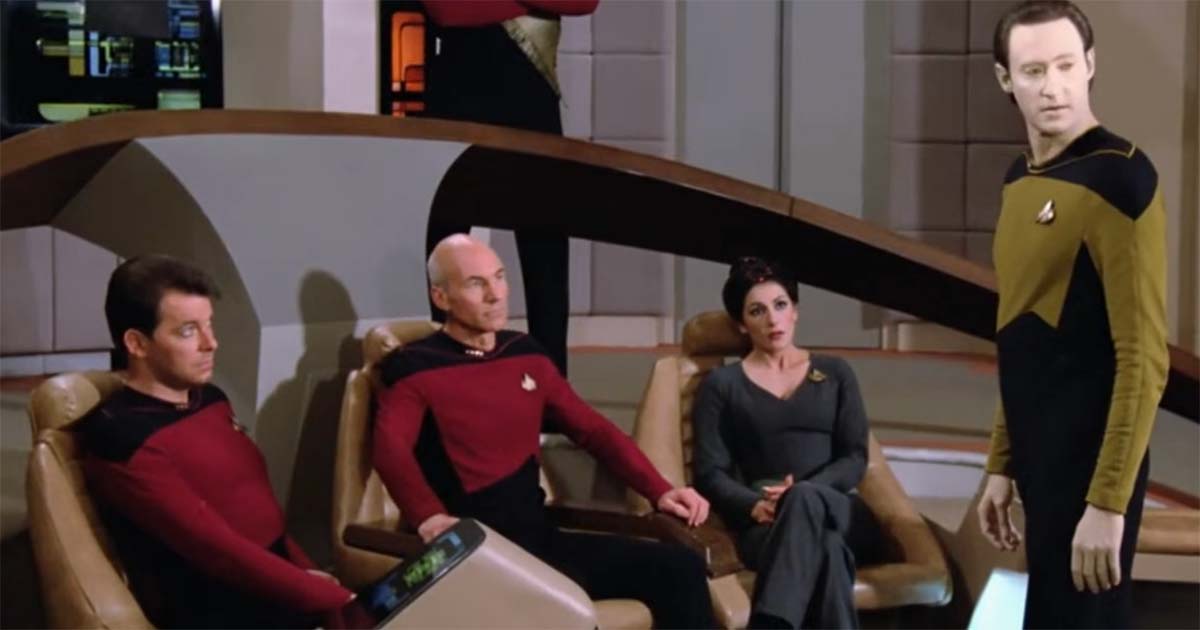
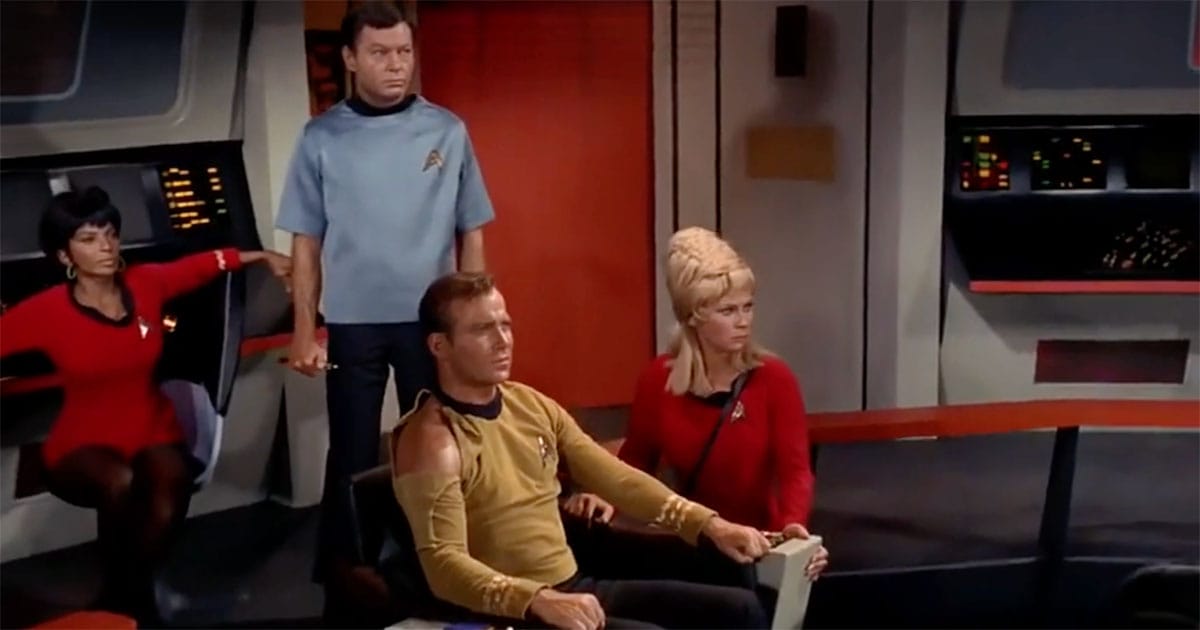
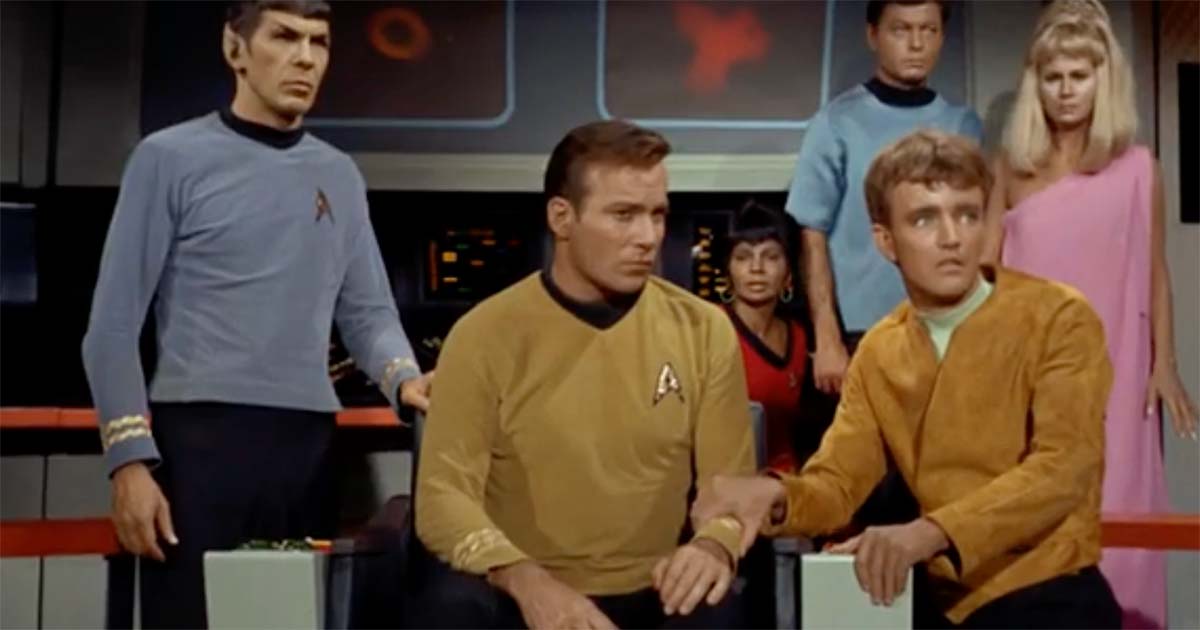
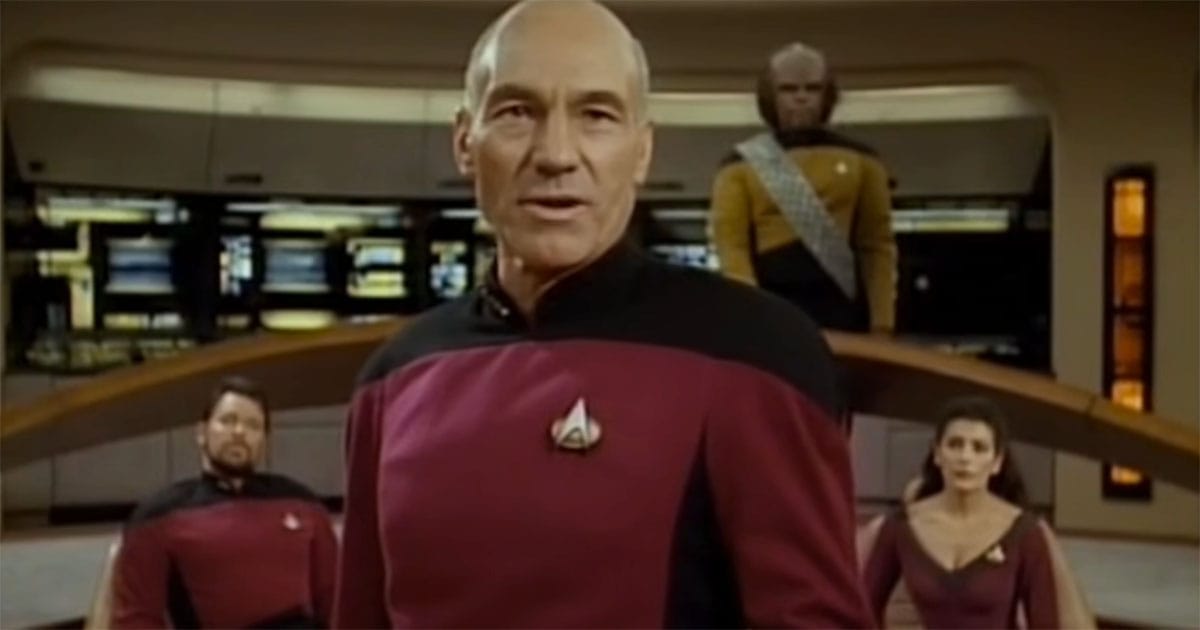
The Enterprise was never portrayed as a ship operated by one brilliant man. Kirk needed Spock's logic, McCoy's humanity, Scotty's engineering skill, Uhura's communications expertise, and the abilities of dozens of officers and crewmen. Picard likewise depended on Riker, Data, Crusher, Worf, La Forge, and Troi.
The strongest captains listened to those people. Kirk regularly allowed Spock and McCoy to argue opposing positions before making a decision. Picard invited his senior officers into the observation lounge because information and disagreement could improve the judgment of the man who ultimately had to decide.
That did not make command democratic. The captain could listen to every officer on the bridge and still choose a course that some of them opposed. "Star Trek" understood that consultation and authority were not enemies. A wise leader sought counsel precisely because the final responsibility remained his.
This may be one of the franchise's most enduring lessons about leadership. Competence did not require the captain to know everything himself. It required him to recognize expertise, hear disagreement, make the decision, and accept what followed.
The Meaning of Command
Across its classic eras, "Star Trek" presented command as a balance of qualities that rarely fit neatly together. A captain needed confidence without arrogance, courage without recklessness, discipline without rigidity, and authority without tyranny. The better he balanced those demands, the more worthy he became of the chair.
Kirk and Picard reached that standard in different ways. Kirk often led through instinct, personal courage, and an extraordinary willingness to act. Picard relied more heavily on patience, diplomacy, and careful reasoning, yet both understood that command ultimately required a decision.
That model remains compelling because it connects authority to duty. The captain receives greater power than anyone else aboard the ship, but he also carries a greater burden. "Star Trek" made command admirable not because the captain could tell others what to do, but because he was expected to know when to act, whom to trust, and what responsibility he alone had to bear.