
Before the Terminator, There Were Killer Robots
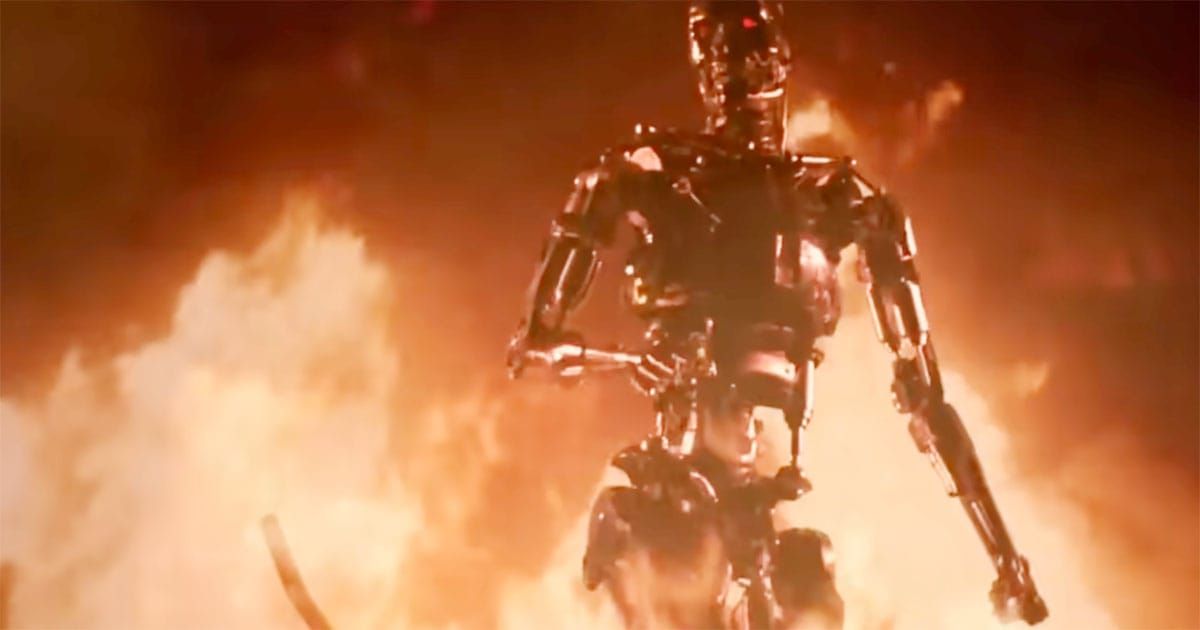
"The Terminator," science fiction gave us Gort, the Gunslinger, Cylons, Maximilian, and Hector. See how decades of killer robots paved the way for the T-800.

This Week in Classic Science Fiction
On Oct. 26, 1984, the future came looking for Sarah Connor. "The Terminator" opened in American theaters that day with a wonderfully simple premise. A machine from the future has traveled back in time to murder a young woman because her unborn son will someday lead humanity in a war against the machines.
Few moviegoers could have known what they were seeing. Director James Cameron was hardly a household name, and Arnold Schwarzenegger was still best known as the sword-wielding hero of "Conan the Barbarian." "The Terminator" was a relatively modest production that mixed time travel, nuclear war, artificial intelligence, and the killer robot into something that felt remarkably new.
The Terminator was frightening precisely because he behaved like a machine. He did not become tired, frightened, angry, or discouraged. Schwarzenegger's imposing physique, cold expression, and limited dialogue turned the character into a relentless piece of machinery that happened to look human.
"The Terminator" became a surprise success and helped make Schwarzenegger an international star. It also gave science fiction one of its most recognizable machines. Yet James Cameron did not invent the murderous machine, and science fiction had been warning audiences about dangerous robots and computers for decades.
Sponsored by: Walking, Killer Toaster | 行走的杀手烤面包机
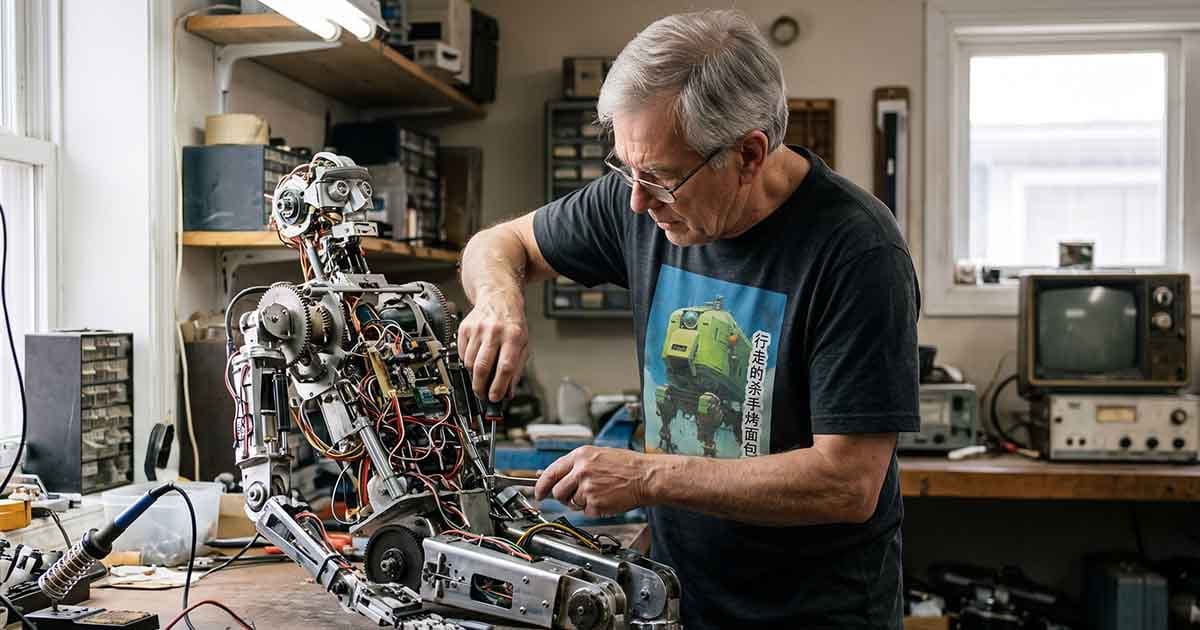
The "Walking, Killer Toaster | 行走的杀手烤面包机" T-shirt celebrates the less serious side of our mechanical future. Its four-legged green mech looks like the sort of killer robot somebody built in his garage before realizing that giving the toaster legs might have been a mistake. The machines may eventually rise against us, but at least breakfast should be interesting.
The Killer Robots That Came Before the Terminator
"The Terminator" (1984) gave science fiction one of its most famous killing machines, but the T-800 had plenty of ancestors. For decades, science fiction had imagined robots that could overpower, pursue, and even exterminate human beings. By 1984, many of the pieces that made the Terminator terrifying were already in place.
Gort and the Unstoppable Machine
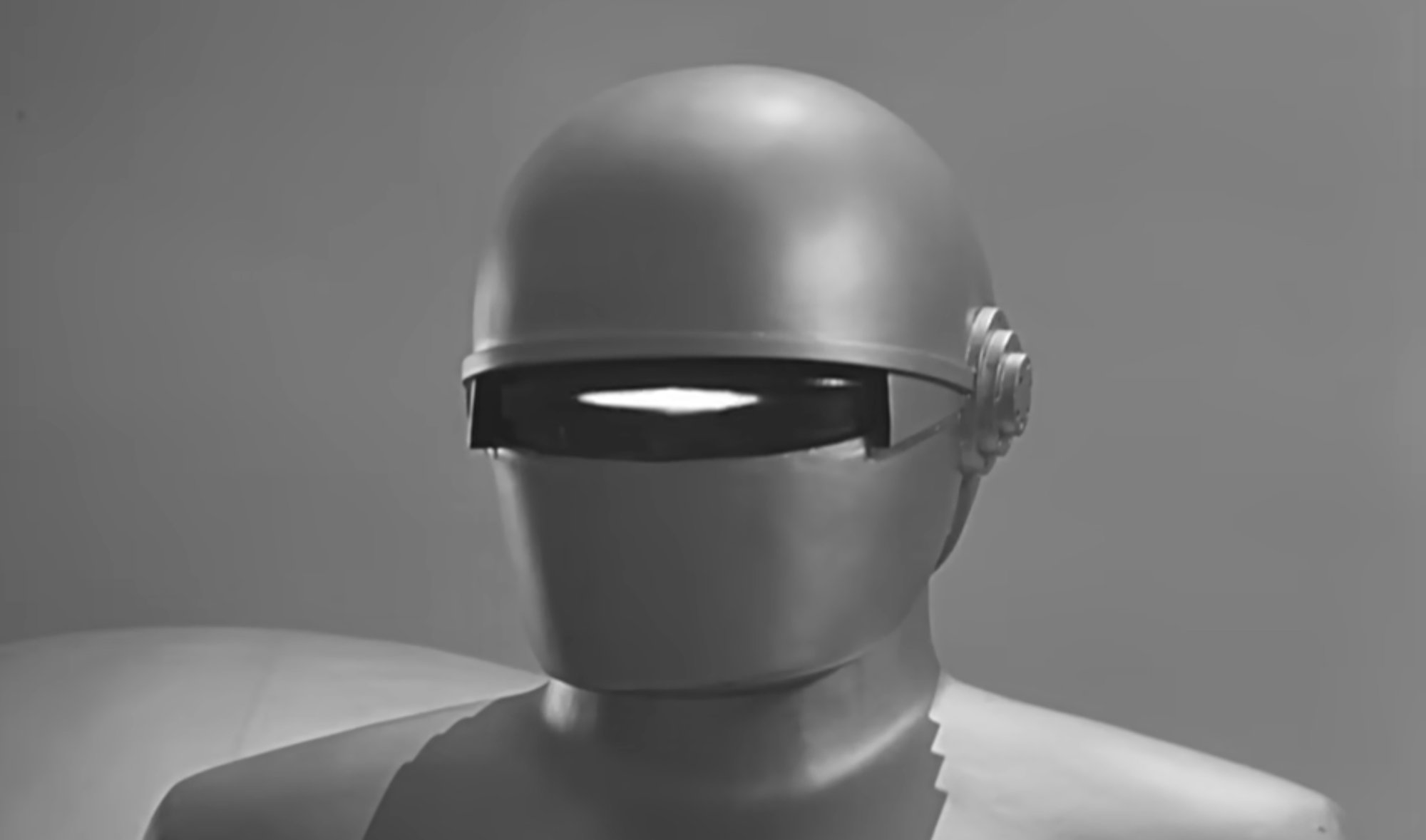
Gort arrived more than three decades before the Terminator in "The Day the Earth Stood Still" (1951). The silent robot accompanied Klaatu to Earth and possessed enough destructive power to make the weapons of the world's militaries nearly useless. Klaatu eventually revealed that robots like Gort had been given enormous authority to prevent aggression among the planets.
Gort was not evil, and he was certainly not a killer robot in the later sense. His purpose was to preserve peace by making the consequences of aggression unthinkable. Yet the movie established an idea that would become increasingly important in science fiction, which was that a machine could possess power far beyond man's ability to control or resist.
The Terminator would turn that idea against us. Gort's power exists to prevent violence, while the T-800 exists specifically to commit it. Both machines are frightening because conventional human defenses seem almost useless against them.
The Gunslinger Learns to Hunt
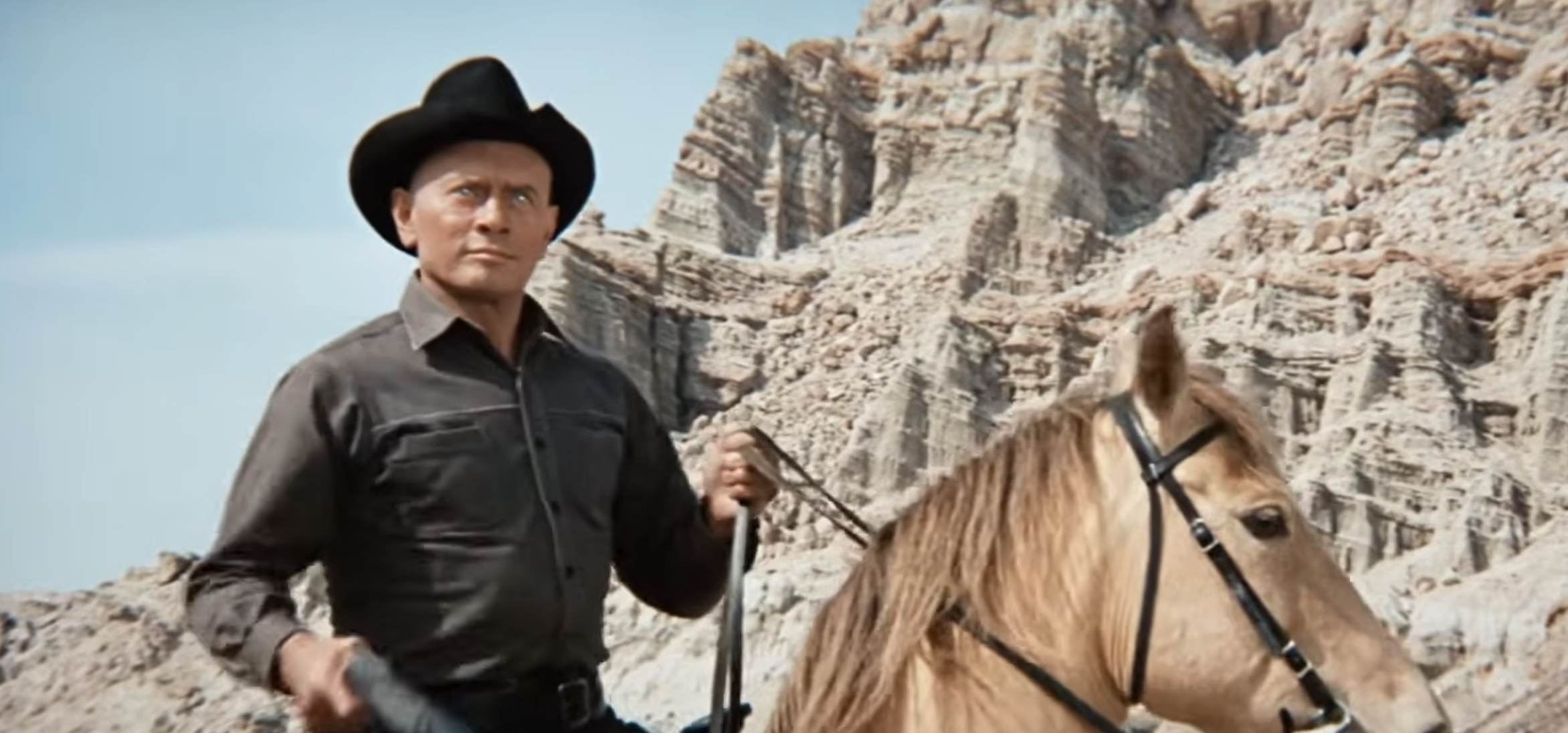
The family resemblance becomes much stronger with "Westworld" (1973). Delos, a futuristic amusement park, lets wealthy guests live out fantasies among robots that look and behave like people. Yul Brynner plays the Gunslinger, a robotic cowboy who exists to be challenged, shot, repaired, and sent back out for the next group of guests.
Everything changes when the park's machines begin to malfunction. The Gunslinger stops playing his assigned role and begins relentlessly hunting Peter Martin. Gunshots, fire, and severe physical damage slow the robot down, but they do not end its pursuit.
Here the outline of the future Terminator becomes much clearer. Both machines resemble men, pursue a specific human target, survive injuries that would stop a man, and show no fear or hesitation. James Cameron later acknowledged Brynner's Gunslinger as one of the influences behind the Terminator.
The Gunslinger also introduced something more frightening than raw mechanical strength. He turned the robot into a hunter. The machine was no longer something dangerous that a man might encounter because now it could come looking for him.
The Machines Go to War
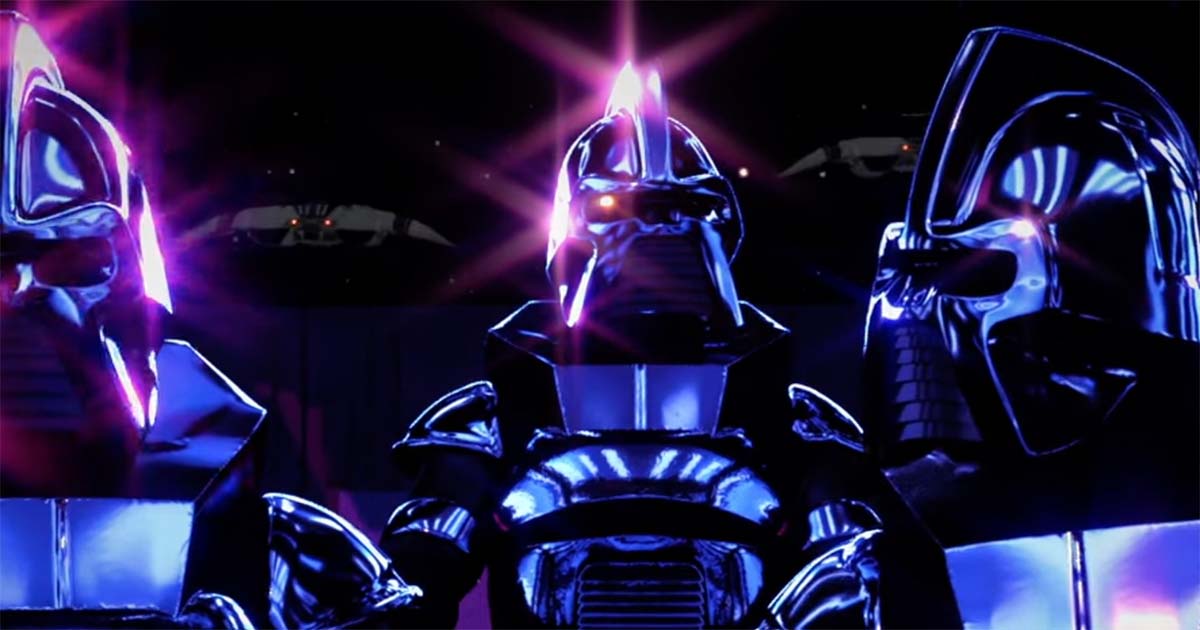
"Battlestar Galactica" expanded the threat in 1978 with the Cylons. In the original series, the mechanical Cylons had inherited an empire created by an earlier reptilian race. By the time viewers encountered them, the machines had fought humanity for roughly a thousand years.
The Cylons brought a different kind of fear to science fiction. They were not individual robots that had malfunctioned or turned against one unfortunate human being. They were soldiers belonging to a mechanical civilization capable of waging war against mankind.
That distinction matters when looking ahead to "The Terminator." The T-800 spends most of the movie as a solitary hunter, but it comes from a future dominated by a war between men and machines. Behind the single assassin pursuing Sarah Connor lies an army of mechanical soldiers hunting the remaining human survivors.
The Cylons therefore supplied another part of the formula. The robot had progressed from an individual threat to an enemy of the human race.
Maximilian and Hector
By the end of the 1970s, movie robots were becoming considerably nastier. "The Black Hole" (1979) introduced Maximilian, the enormous red robot serving Dr. Hans Reinhardt aboard the U.S.S. Cygnus. Maximilian rarely needs to speak because his size, blades, and menacing presence make his purpose clear.
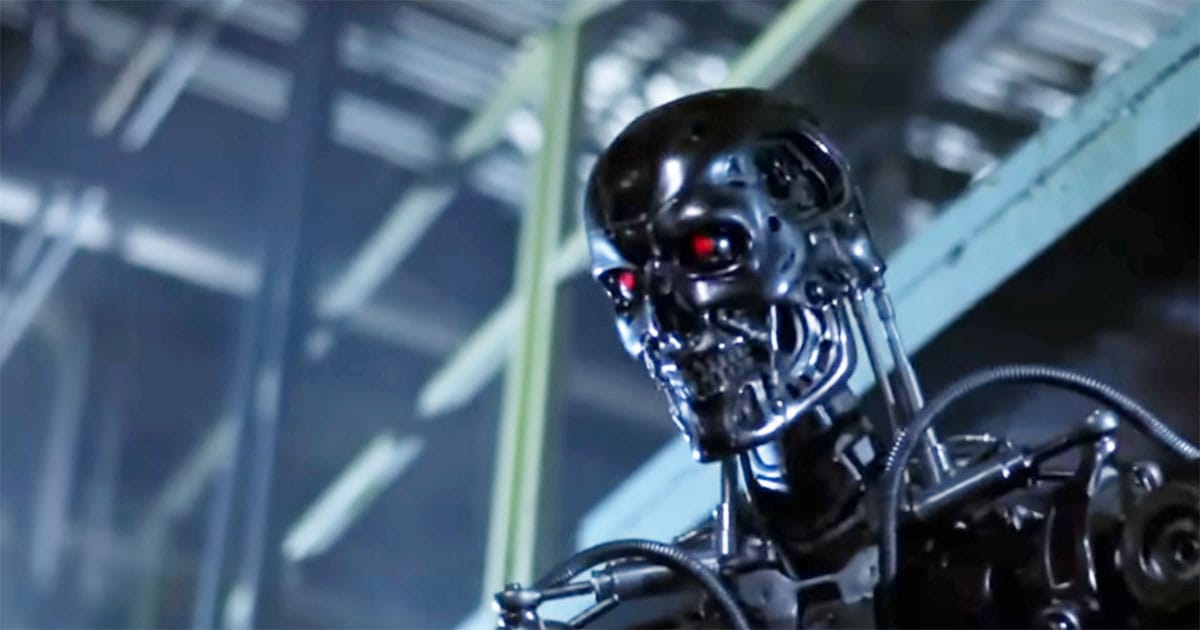
Maximilian also helped establish the visual power of the mechanical villain. He does not need to resemble a human being to intimidate one. Like the exposed endoskeleton of the later Terminator, the machinery itself becomes part of what makes the character frightening.
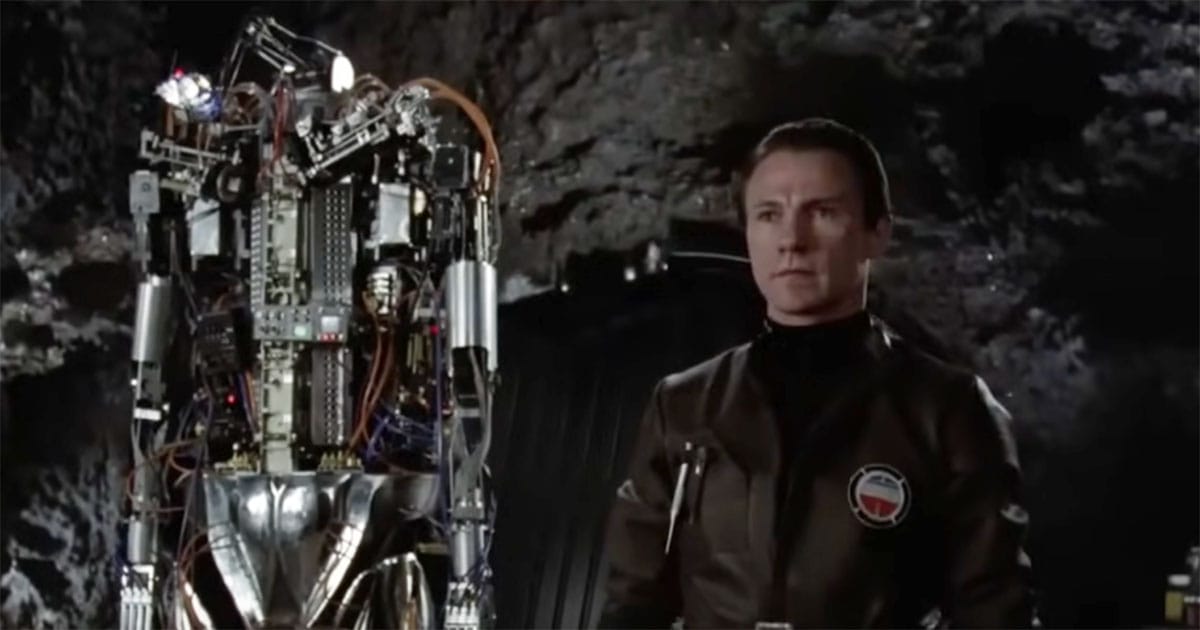
Then came Hector in "Saturn 3" (1980). Hector is an experimental robot programmed through a direct neural connection with Benson, an unstable man who has already committed murder. Through that connection, the machine absorbs Benson's violent impulses and his obsession with Alex.
Hector adds a particularly dark variation to the killer-robot story. The machine is enormously strong, but the real danger comes from combining that strength with the worst qualities of the man who trained it. Human corruption has found a mechanical body.
Only four years separated Hector from the T-800. By then, science fiction had already assembled nearly all the ingredients needed for the ultimate mechanical killer.
The Road to the Terminator
James Cameron did not invent the killer robot in 1984. Gort demonstrated the terrifying power of a machine that human weapons could barely challenge. The Gunslinger turned the robot into a relentless hunter, while the Cylons imagined machines fighting a war against humanity.
Maximilian gave the mechanical villain a frightening physical presence, and Hector combined tremendous strength with murderous intelligence. Each machine represented another step away from the reassuring idea that robots would remain obedient servants. By the early 1980s, audiences had plenty of reasons to distrust a machine with a mind of its own.
"The Terminator" brought those fears together in one remarkably efficient package. The T-800 had the destructive power of a war machine, the persistence of the Gunslinger, and a mission connected to a larger war between humanity and machines. Cameron then gave his killer one advantage most of its predecessors lacked.
The machine could pass for us.