
Best Classic Science Fiction Magazines and Collectibles
Classic science fiction magazines, vintage pulp treasures, collectible books, and iconic artwork highlighting the imagination, history, and visual legacy of the genre.

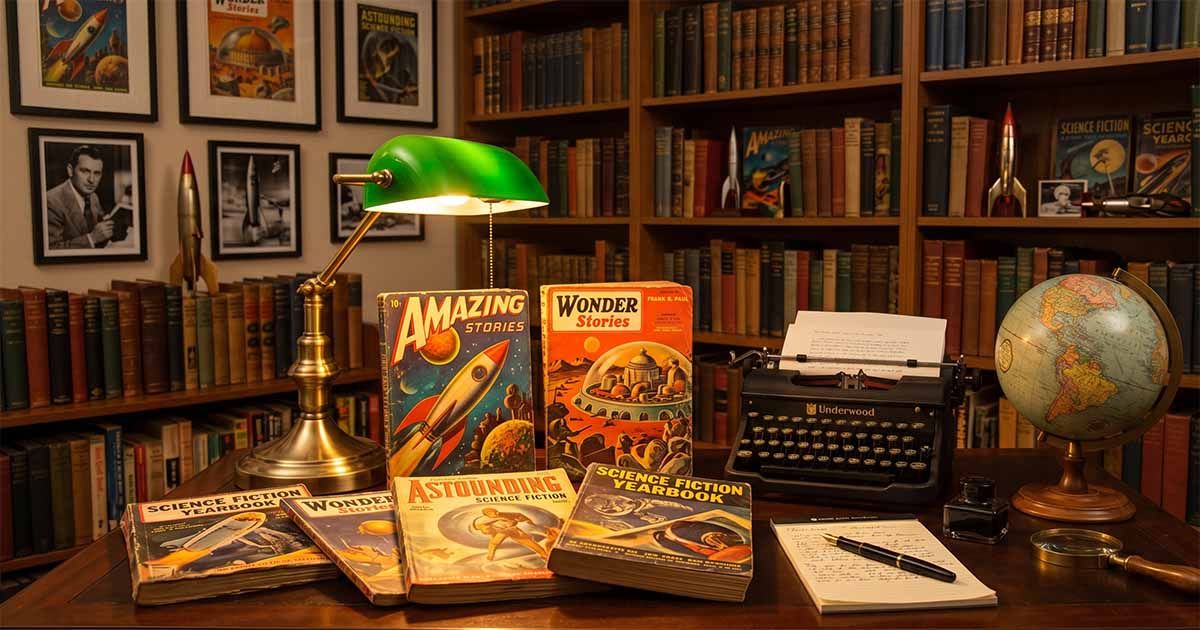
The history of science fiction extends far beyond bestselling novels and blockbuster films. Long before the genre reached mainstream popularity, readers eagerly awaited the latest issues of pulp magazines filled with tales of distant planets, strange civilizations, and remarkable scientific discoveries. These publications helped define the foundations of modern science fiction while introducing generations of fans to imaginative worlds that stretched the limits of possibility.
Today, vintage science fiction magazines remain prized by collectors and enthusiasts who appreciate both their historical significance and artistic appeal. Many feature striking cover illustrations that capture the excitement of space travel, alien encounters, and futuristic technology. Inside their pages, readers discovered stories that reflected the hopes, fears, and scientific curiosity of their era. Some of the genre's most memorable concepts first appeared in magazines that encouraged writers to dream beyond the boundaries of contemporary knowledge.
Wonder Stories June 1931
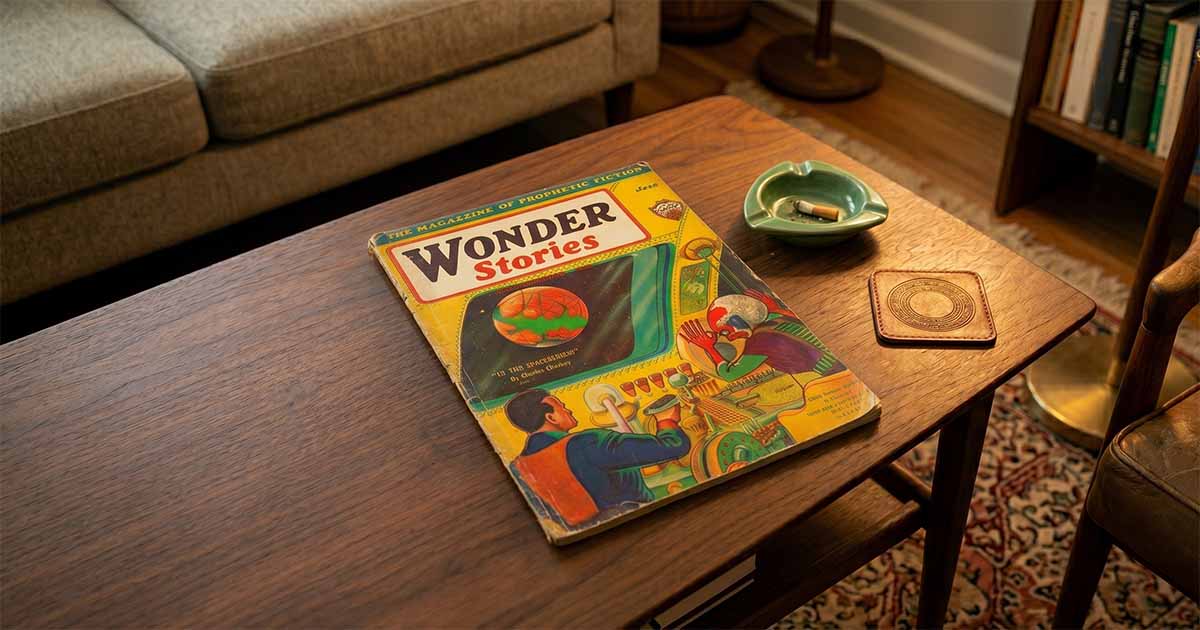
Published during the formative years of modern science fiction, the June 1931 issue of "Wonder Stories" captures a moment when the future still felt mysterious and unlimited. Its pages reflect an era when readers looked to pulp magazines for journeys beyond Earth and glimpses of worlds yet to be imagined. Alongside imaginative fiction, the issue preserves period artwork and advertisements that now serve as fascinating reminders of the dreams, optimism, and creative energy that defined early science fiction.
Argosy February 11 1939
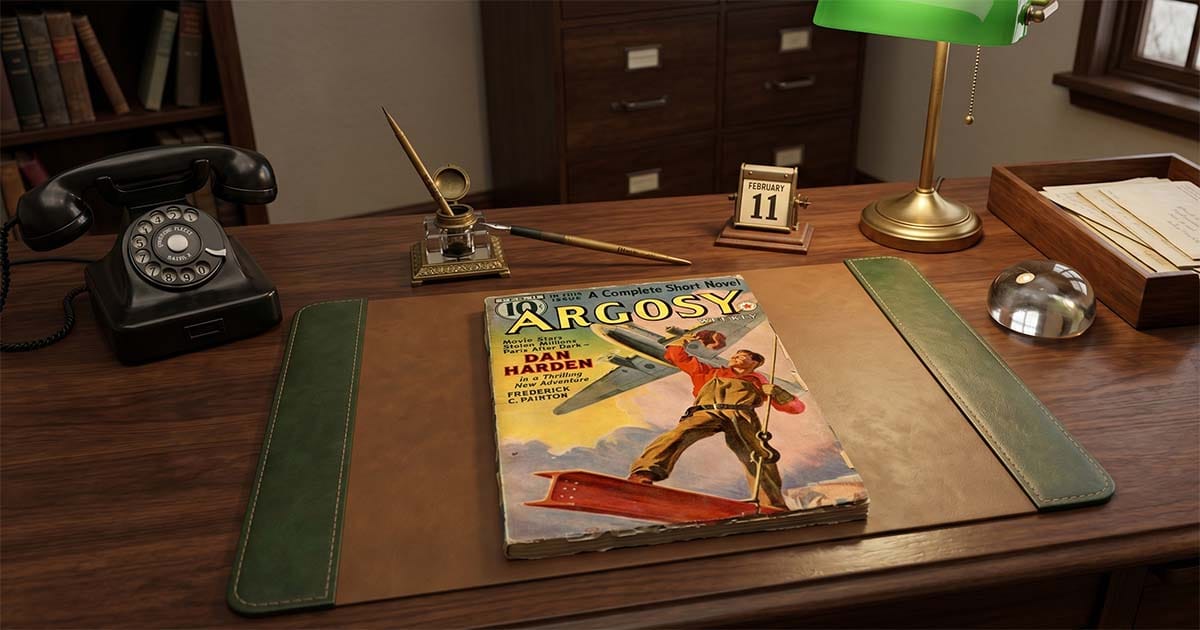
This issue of "Argosy" offers a direct connection to one of the great planetary adventure traditions in science fiction. Featuring Edgar Rice Burroughs' "Synthetic Men of Mars," it evokes an era when Mars was a realm of danger, mystery, and heroic exploits. The magazine itself feels like a time capsule from the closing years of the pulp age. Every page reflects the boundless imagination that inspired readers to dream of distant worlds long before humanity reached space.
The Art of Classic Sci-Fi Movies
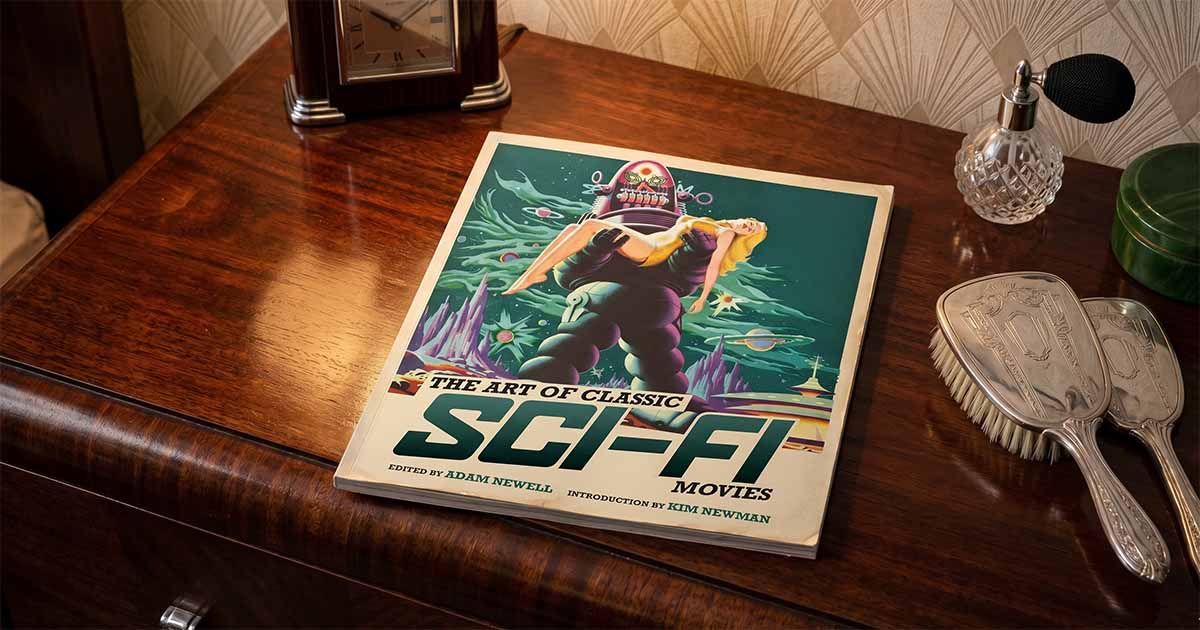
The history of science fiction cinema is written not only on film but also in the unforgettable artwork that brought audiences into theaters. "The Art of Classic Sci-Fi Movies" explores that visual legacy through hundreds of posters and promotional images spanning nearly the entire history of the genre. Famous landmarks such as "Metropolis," "Godzilla," and "2001" share space with overlooked curiosities and international productions. The result is a fascinating journey through the dreams, fears, and artistic visions that helped define science fiction across generations.
Frank R. Paul 1931 Science Fiction Cover Print
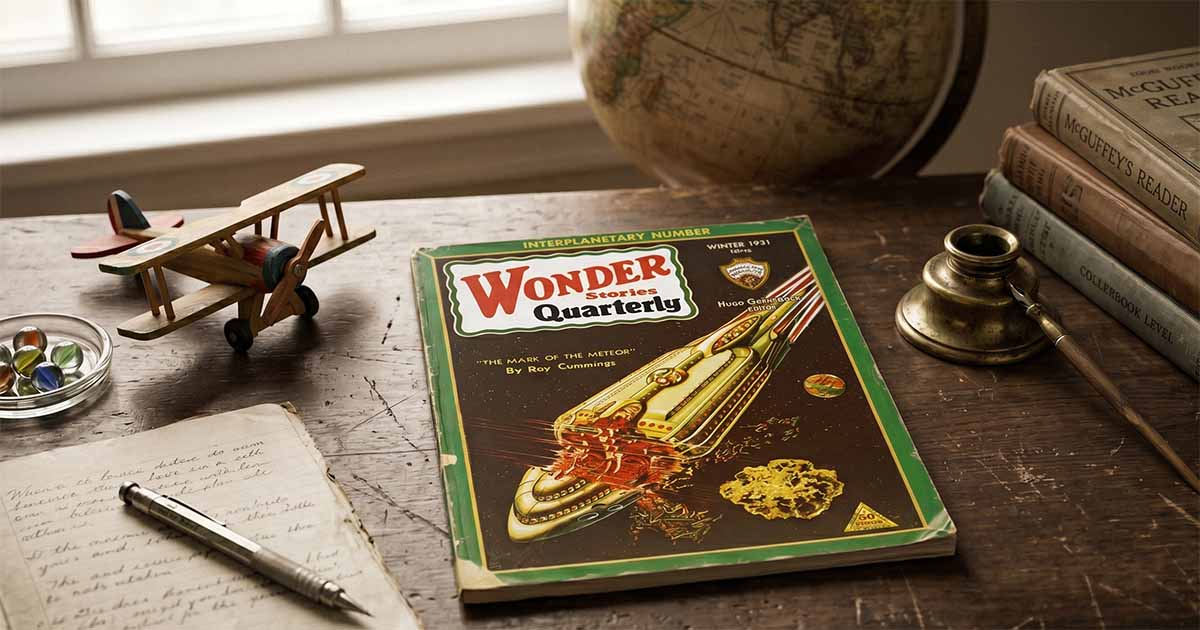
Before spaceships filled movie screens and television schedules, artists like Frank R. Paul gave visual form to the future. This reproduction preserves one of the iconic images that helped define early science fiction during the pulp magazine era. Bold colors and imaginative design capture the excitement of a genre still discovering its possibilities. Framed on a wall or displayed among a collection, it evokes the spirit of the early dreamers who imagined vast cosmic adventures decades before the Space Age began.
Astounding Science Fiction April 1954

The April 1954 issue of "Astounding Science Fiction" arrives from a decade when science fiction was becoming more sophisticated while retaining its sense of wonder. Kelly Freas' memorable UFO cover immediately captures the imagination, hinting at mysteries beyond the horizon. Inside, stories by Murray Leinster, Chad Oliver, and other notable writers explore technology, society, and humanity's future. This issue reflects a period when the genre was evolving from simple adventure toward the thoughtful speculation that would define modern science fiction.
Frank R. Paul 1941 Science Fiction Cover Print
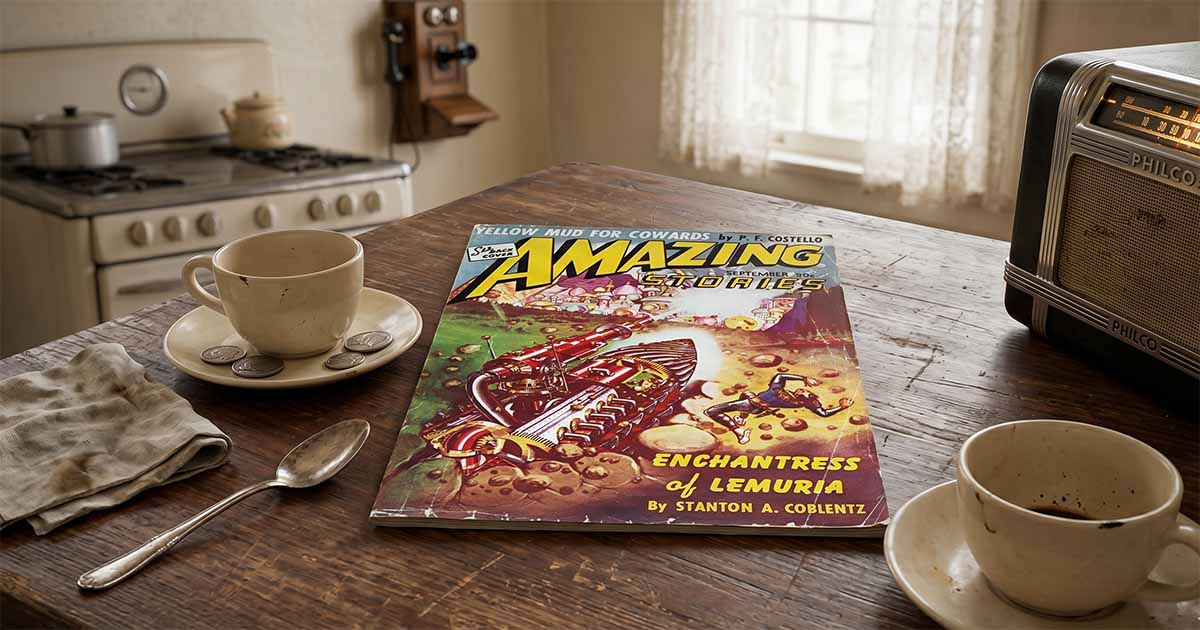
By 1941, Frank R. Paul had already become one of the defining visual architects of science fiction. This striking cover reproduction reflects the bold imagination that made pulp magazines irresistible to generations of readers. Filled with futuristic imagery and a sense of limitless possibility, the artwork captures the optimism and adventure that characterized the genre during its formative years. More than a vintage illustration, it represents a glimpse into the era when artists helped chart humanity's first imagined journeys beyond the known world.
Science Fiction Classics #1
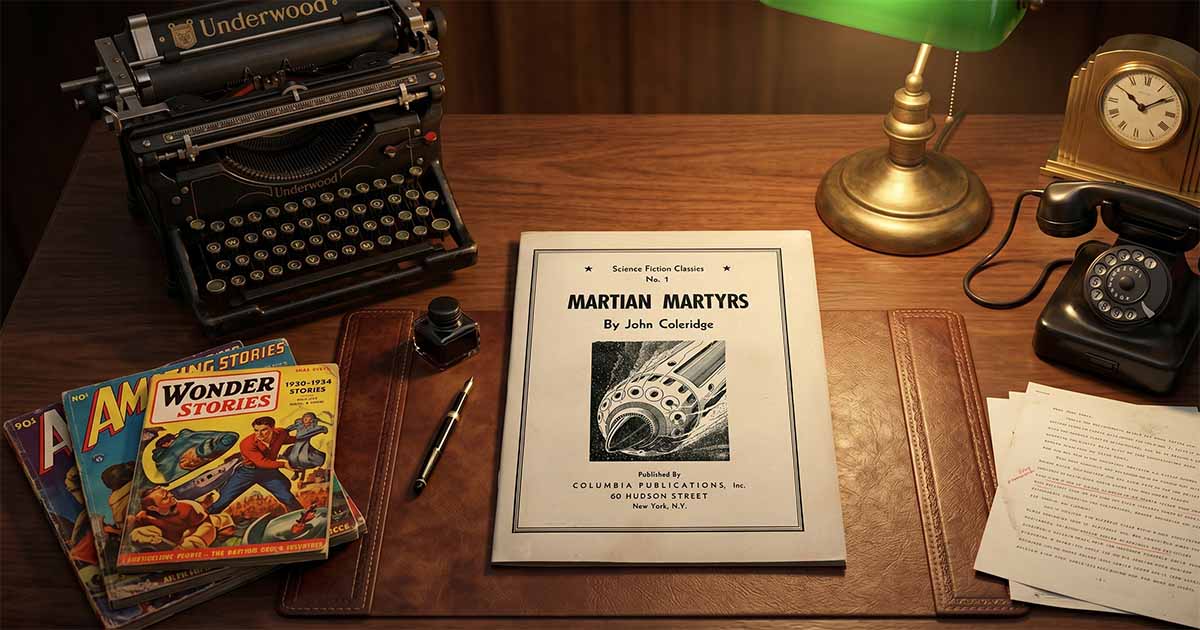
There is something special about a first issue, especially one created to introduce readers to the expanding world of science fiction. "Science Fiction Classics" #1 reflects a time when publishers were actively building enthusiasm for a young and rapidly growing genre. Featuring "Martian Martyrs" by John Coleridge, this compact promotional pulp carries the excitement of discovery that defined early fandom. Its historical significance extends beyond the story itself, offering a glimpse into how science fiction attracted new readers during its formative years.
Wonder Stories June 1931

Among the most influential magazines of the pulp era, "Wonder Stories" helped define what science fiction could become. This June 1931 issue combines imaginative storytelling with the visionary artwork of Frank R. Paul, whose illustrations gave shape to distant worlds and futuristic technology long before such ideas entered popular culture. Beyond the fiction itself, the magazine offers a fascinating snapshot of early fandom through its artwork, advertisements, and editorial character. It remains a remarkable artifact from science fiction's pioneering years.
Science Fiction Yearbook #5
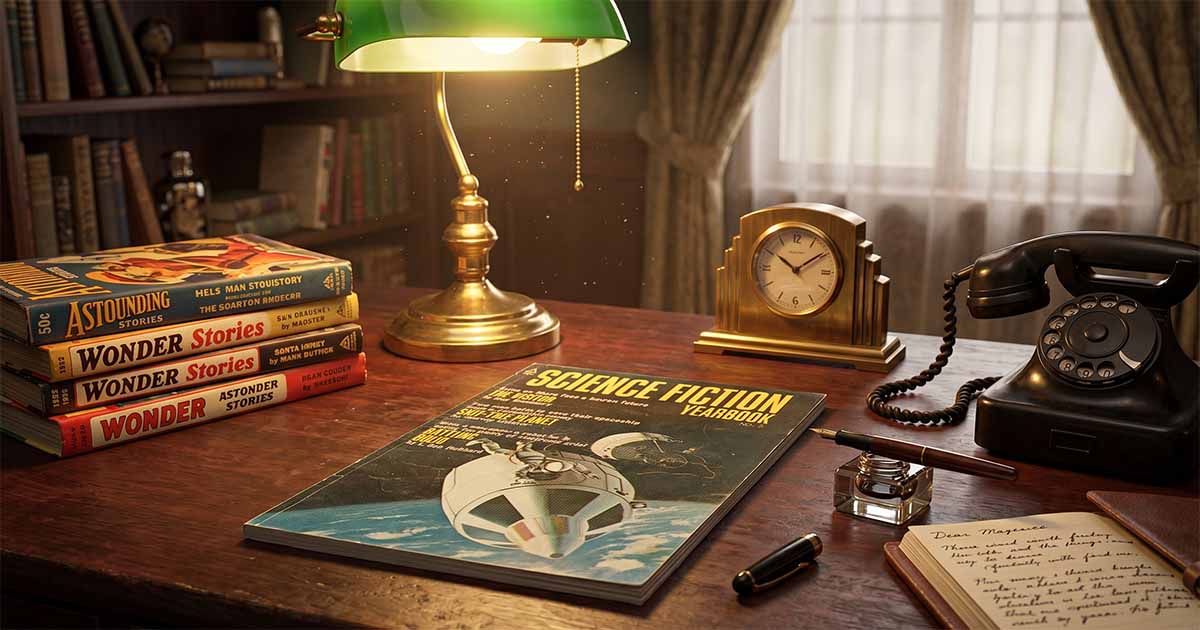
Published in 1971, "Science Fiction Yearbook" #5 reflects a period when the genre was expanding in both popularity and ambition. This elusive volume brings together notable names, including Ray Bradbury and L. Ron Hubbard, creating a snapshot of science fiction during a transformative era. The inclusion of artwork by Virgil Finlay adds another layer of appeal, showcasing the detailed illustration style that captivated readers for decades. Part anthology and part time capsule, it captures the creative energy that continued to drive science fiction into new frontiers.