
Ender’s Game and the Machinery of Command
Explore the publication of Ender’s Game and how the novel examines training, command, and moral responsibility in late Cold War science fiction, where victory is engineered long before battle begins.

This Week in Classic Science Fiction
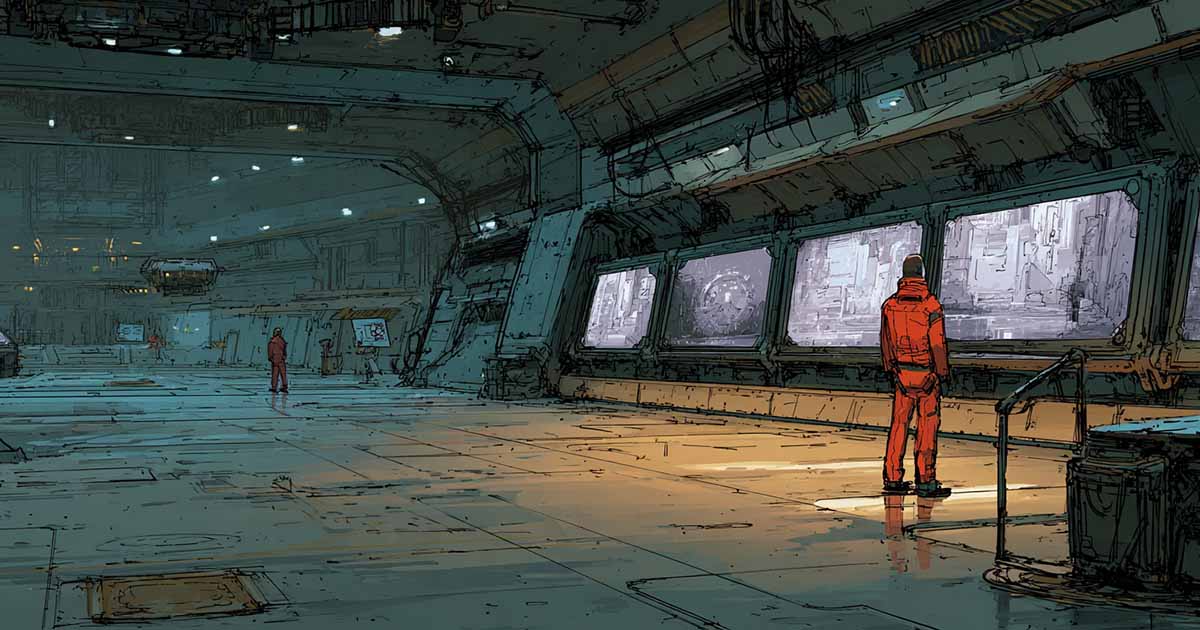
On January 15, 1985, Tor Books published "Ender's Game" in the United States. The novel expanded a previously published short story into a full-length work at a moment when science fiction was reconsidering its priorities. Readers were looking again for discipline, coherence, and stories that treated responsibility seriously.
The book followed a child trained for war, but its deeper concern was command rather than combat. It explored how institutions shape behavior while shielding individuals from the consequences of their actions. That idea resonated in a decade defined by remote power and strategic abstraction.
The novel did not offer triumph in the usual sense. Victory came at the cost of innocence, certainty, and moral clarity. By denying the reader a clean ending, the story challenged the assumption that success alone justifies the methods used to achieve it.
More than forty years later, the questions it raised remain unsettled. Modern conflicts are still fought at a distance, often mediated by systems that soften responsibility. The novel endures because it asks whether intelligence without wisdom can ever be enough.
Sponsored by: Among the Ruins of Light T-shirt

The "Among the Ruins of Light T-shirt" captures a familiar moment in classic military science fiction. A lone pilot stands beneath twin moons, framed by steel, silence, and the weight of another coming battle. It recalls the quiet before launch, when belief, duty, and doubt all share the same space.
Printed on a soft, durable shirt built for everyday wear, the design favors atmosphere over action. It is a piece for readers who understand that science fiction is not only about winning wars, but about living with what remains afterward.
How "Ender's Game" Turned War into Preparation
"Ender's Game" tells the story of a war that is decided before it is understood. Its most important battles are not fought in open conflict, but inside classrooms, simulations, and controlled environments. The novel's central concern is not heroism, but preparation, and the cost of preparing someone too well.
Written during the final stretch of the Cold War, the story reflects an age obsessed with readiness. Military power depended less on soldiers in the field and more on prediction, planning, and command structures far from danger. Victory was imagined as something that could be engineered in advance.
By placing its young protagonist inside a system that trains first and explains later, the novel shifts attention away from bravery and toward design. It asks what happens when success is guaranteed by structure rather than choice. The rest of the story grows out of that question.
"Who Decides"
Once war becomes a matter of preparation, the question of decision takes center stage. Authority in the novel is divided among officers, instructors, psychologists, and layers of procedure. Each figure controls only a narrow part of the process. No single person appears fully responsible for the outcome.
This arrangement allows action to proceed without ownership. Responsibility moves upward, sideways, or outward, but rarely settles. Each participant can claim he handled only his assigned role. The system works because accountability is spread thin.
Decisions begin to feel administrative instead of moral. Outcomes appear processed rather than chosen. That sense of inevitability is not accidental, but designed.
"Training as Design"
Battle School presents itself as education, but it functions as conditioning. Students are measured constantly through ranking, evaluation, and comparison. There is little time for rest or reflection. Performance becomes the only reliable form of feedback.
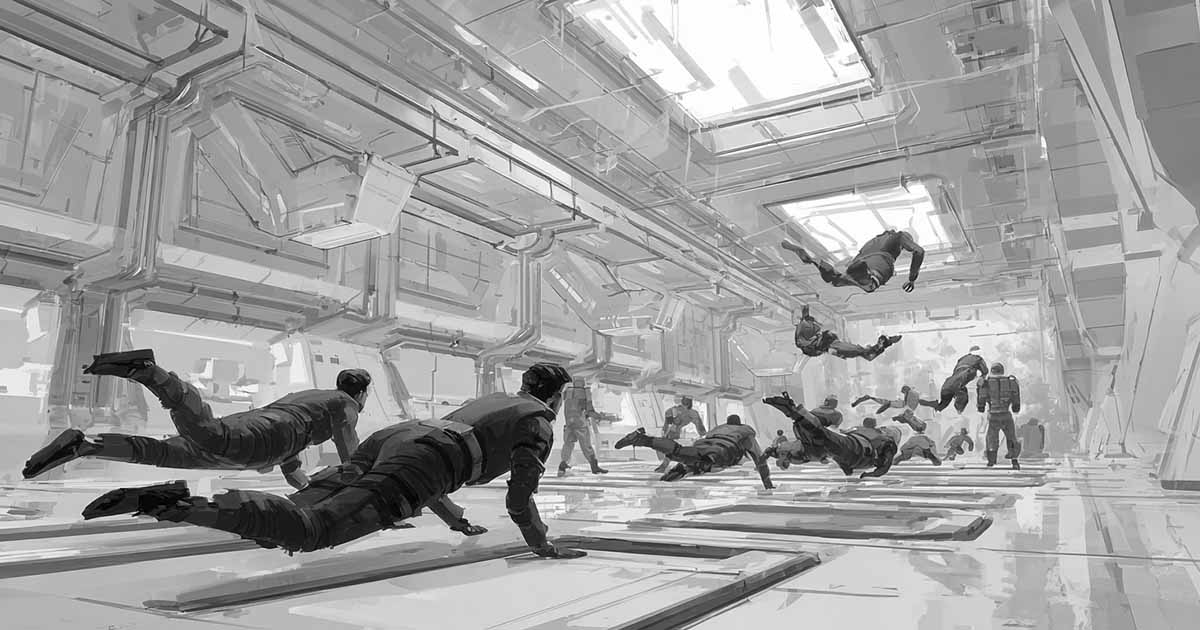
Advancement depends on understanding how the system defines success. The student learns to anticipate expectations and meet them quickly. Independent thinking is rewarded only when it produces the desired result. Creativity survives as long as it serves the institution.
Over time, questioning fades. The system's priorities begin to feel natural. Training succeeds when control no longer feels imposed.
"Competition as Control"
Competition is one of the system's most effective tools. Rankings divide students and prevent lasting alliances. Each individual focuses on personal advancement rather than shared judgment. Attention stays narrow and inward.
This structure discourages collective resistance without requiring force. Energy that might challenge authority is redirected into rivalry. Frustration is spent chasing rank instead of examining purpose. The system rarely needs to explain itself.
Relationships exist, but they are conditional. Cooperation is allowed when it improves outcomes. Trust remains temporary, because the structure teaches that advancement comes first.
"Games That Become Real"
Simulation plays a central role in shaping behavior. Exercises grow gradually more complex while keeping the same basic format. Nothing signals a transition from practice to consequence. The participant experiences continuity where none exists.
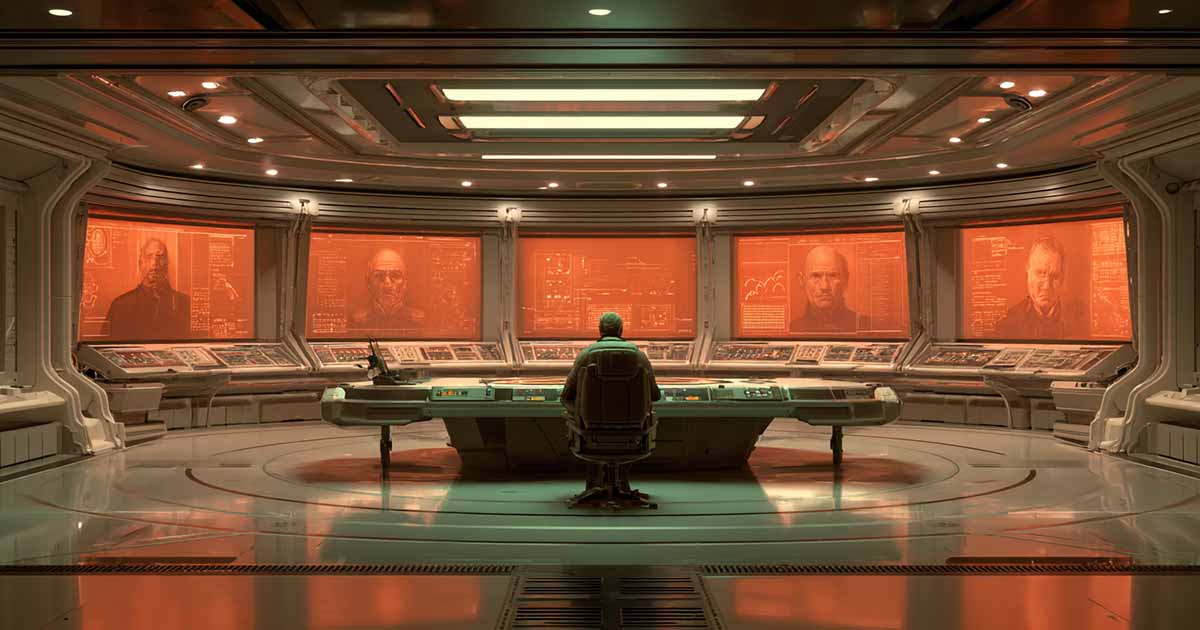
Repetition dulls emotional response. Familiar routines reduce awareness even as stakes rise. Each engagement closely resembles the last to prevent alarm. The format stays constant while meaning changes.
This design removes the possibility of informed refusal. The subject cannot reject what he does not recognize. By the time reality asserts itself, choice has already been managed.
"Isolation and Its Price"
Isolation in the novel is not accidental. It serves a functional purpose. Distance from peers limits divided loyalty and hesitation. A leader without close attachments moves more efficiently.
Emotional separation reduces friction. Decisions arrive faster when fewer relationships complicate them. Loneliness becomes part of the role rather than a personal failure. The system depends on this separation to maintain momentum.
Connection would slow the process. Shared burdens create shared judgment. The structure cannot allow that.
"Knowledge That Cannot Undo"
Understanding arrives only after outcomes are fixed. Awareness brings clarity, but no correction. There is no mechanism for reversal built into the system. Knowledge does not restore balance.
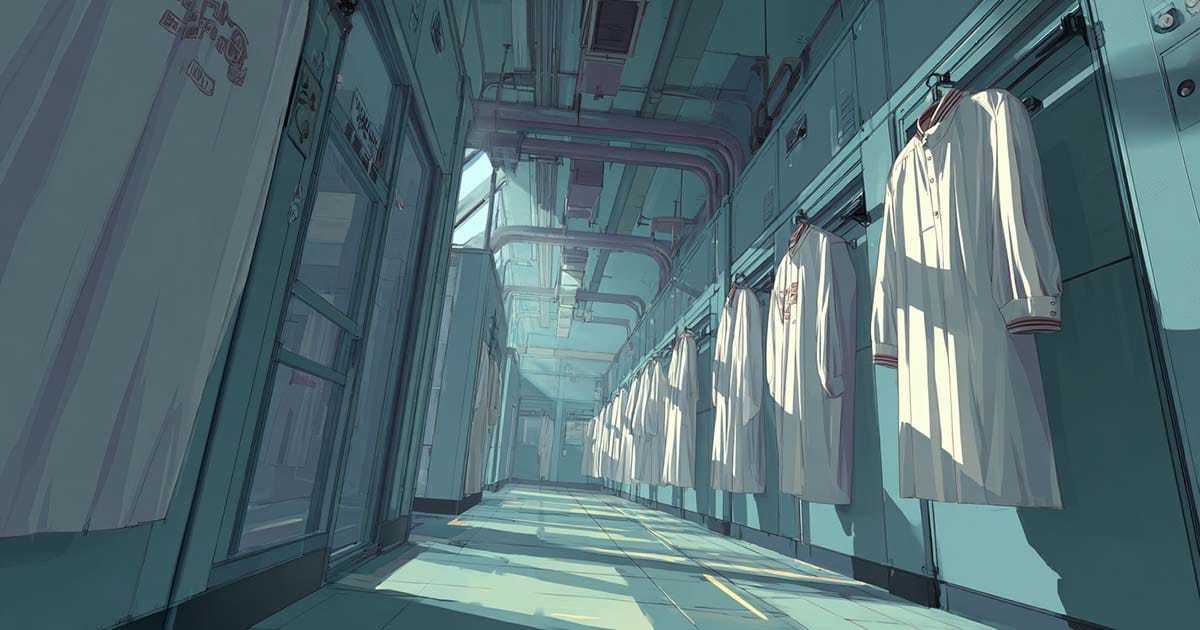
The novel refuses easy consolation. Consequences remain in place and are carried forward. The cost of command is not paid once, but endured.
Like the best classic science fiction, the story ends with recognition rather than relief. Victory is complete, yet something essential is lost. That loss was never an accident. It was built into the design from the beginning.
"Ender's Game" Trivia
- The story of "Ender's Game" first appeared as a short story in the August 1977 issue of Analog Science Fiction and Fact.
- The zero-gravity battle room was designed to reward planning and coordination rather than physical strength. Combat favors intelligence, teamwork, and adaptability over reflex alone.
- "Ender's Game" won the Nebula Award for Best Novel in 1985 and the Hugo Award in 1986. Winning both awards placed it among a small group of widely recognized science fiction novels.