
Star Trek’s Formula—But These Episodes Break Every Rule
Classic Star Trek is remembered as formula television, but episodes like “Balance of Terror” and “The Devil in the Dark” reveal a series that thrived on breaking expectations.

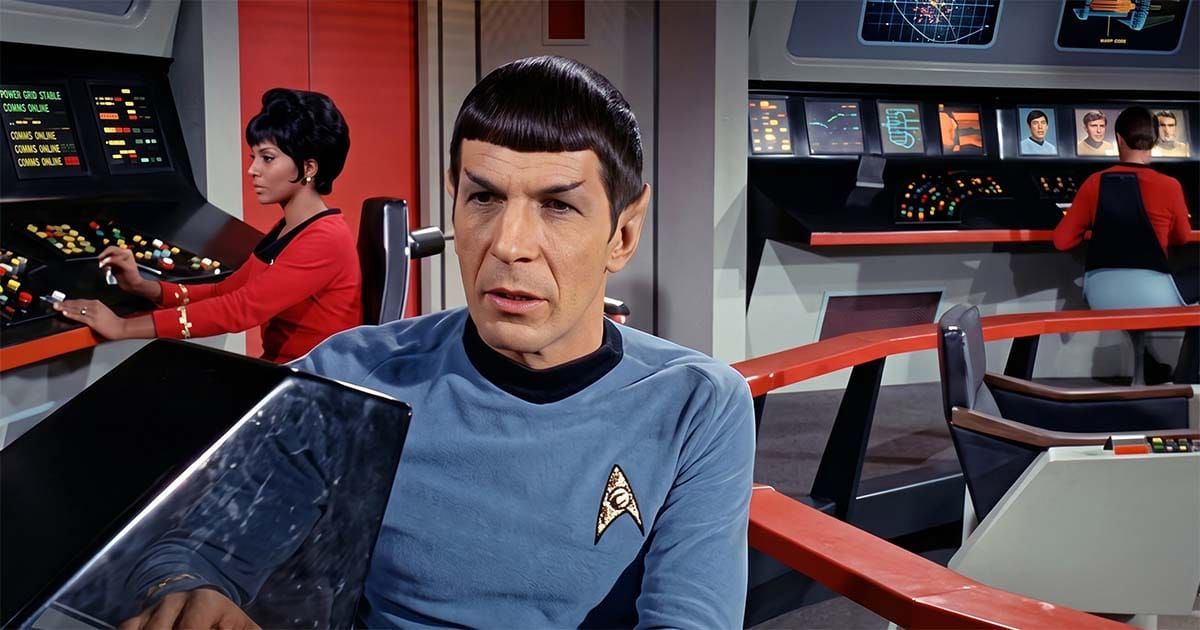
There is a version of "Star Trek" that exists almost entirely in cultural memory.
The Enterprise arrives. Sensors detect trouble. Kirk debates the issue with Spock and McCoy. A landing party beams down. A fight breaks out. Kirk delivers a speech. Warp speed resumes.
That rhythm is familiar enough that even people who have never watched "The Original Series" think they know it. The show has acquired a reputation as dependable television, built around a fixed structure and repeated character dynamics. But revisit the strongest episodes and something stranger appears.
Again and again, "Star Trek" refuses to behave like routine adventure television. Its most enduring stories slow down when action should accelerate. They reject villains, deny satisfying victories, and occasionally abandon realism altogether. Rather than repeating a formula, these episodes challenge the assumptions viewers bring to science fiction itself.
The result is one reason "The Original Series" still feels alive.
When Action Becomes Restraint
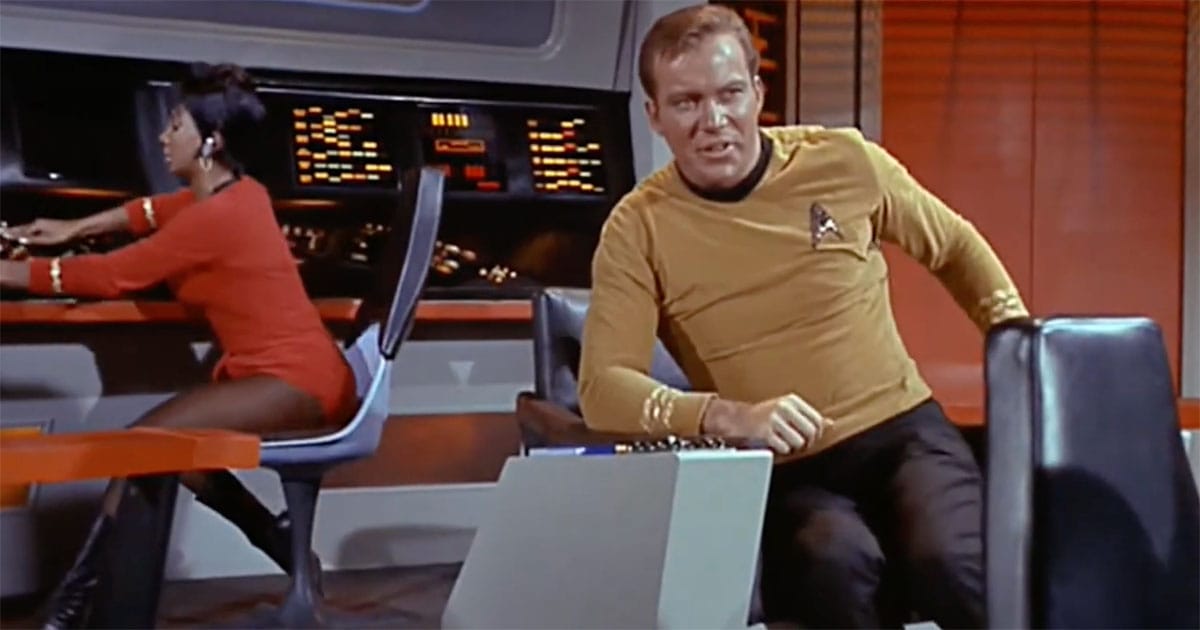
"Balance of Terror" is remembered today as one of the defining episodes of "Star Trek," but what makes it effective is not spectacle.
Its structure is unexpectedly narrow. The Enterprise and the Romulan vessel circle one another with limited information and mounting pressure. The pacing resembles naval fiction more than space adventure. Long stretches depend on silence, observation, and tactical hesitation.
Kirk does not win because he possesses superior technology or overwhelming force. He wins because he understands timing and restraint.
That same instinct appears in "The Corbomite Maneuver," although in a very different register.
The premise suggests escalation. An unknown force appears. A confrontation seems inevitable. Instead, the episode transforms into an extended exercise in uncertainty. Kirk's most important decision is essentially theatrical. He invents a fictional deterrent and gambles that confidence will matter more than firepower.
Viewed now, the episode feels unusually patient.
Modern science fiction often treats movement as tension. "The Corbomite Maneuver" understands that stillness can be more suspenseful. Every pause becomes meaningful because neither side understands the other.
These episodes quietly undermine one of television's oldest assumptions. Excitement does not always come from action. Sometimes it comes from delaying action.
When the Monster Is Not the Monster
Few recurring structures in classic science fiction are more recognizable than the monster story. Something unknown appears. It threatens people. Heroes identify and defeat it.
"The Original Series" repeatedly refuses that pattern.
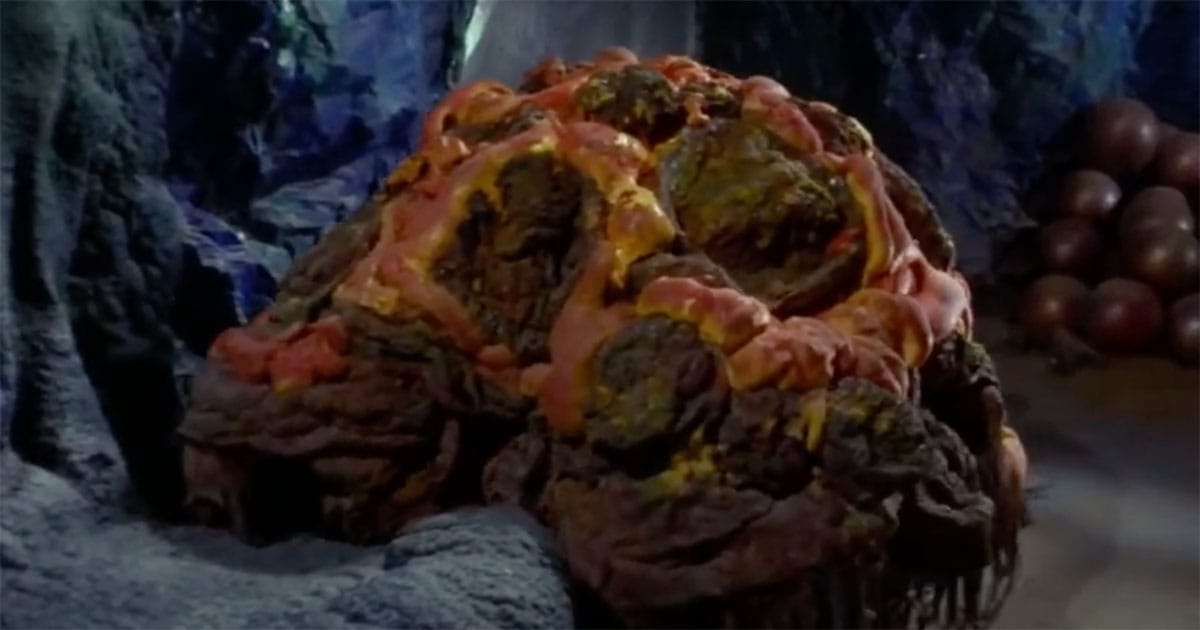
"The Devil in the Dark" begins exactly where audiences expect. Miners are dying. Equipment is destroyed. Reports describe a creature moving underground. The episode initially encourages viewers to see the situation as a problem to eliminate.
Then it changes the terms of the story. The Horta is not malicious. It is protecting its offspring. The conflict emerges not from evil but from incomplete understanding. That reversal remains powerful because the episode does not merely reveal hidden information. It asks whether viewers accepted the original framing too easily.
"Arena" performs a similar maneuver. For much of the episode, Kirk appears locked into a straightforward conflict with an aggressive enemy. The famous battle with the Gorn has become shorthand for classic television combat. But the duel is not the point.
By the conclusion, the episode reframes the encounter entirely. Kirk realizes that assumptions about who attacked first and who deserves punishment may have been premature.
The ending matters because no dramatic victory occurs. The true achievement is refusing to complete the expected narrative.
This was one of "Star Trek's" most distinctive habits. It used familiar genre machinery to arrive somewhere unexpectedly reflective.
When Victory Leaves a Wound
Television adventure traditionally rewards heroes for making correct choices. Some of the greatest "Star Trek" episodes reject that comfort.
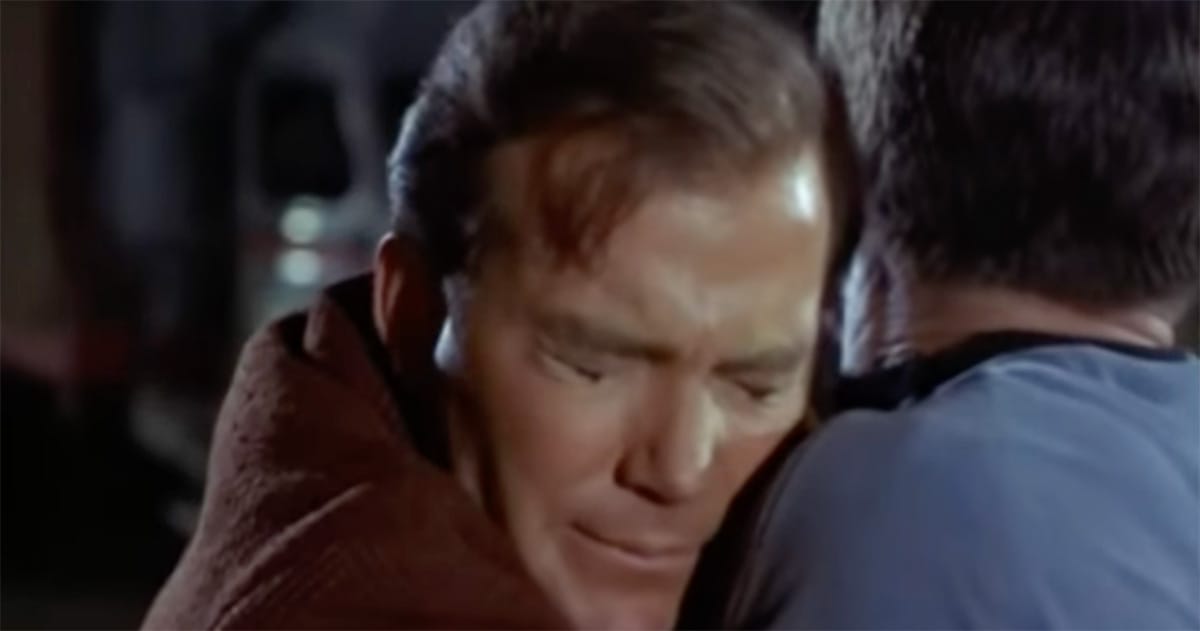
"The City on the Edge of Forever" remains celebrated partly because it understands that success can carry emotional cost. Kirk ultimately preserves history, but the story denies him triumph. The resolution restores the timeline while leaving something permanently unresolved on a personal level.
The episode refuses celebration. That restraint gives the ending unusual weight. Viewers remember it not because history changes, but because history cannot.
"The Galileo Seven" pushes against a different expectation. Spock commands with discipline, consistency, and reason. Under normal television logic, competence should produce success. Instead, events repeatedly resist him.
The episode never argues that Spock is wrong to value logic. It suggests something more uncomfortable. Leadership is not reducible to calculation. Human beings react unpredictably under pressure. That uncertainty becomes the real conflict.
Both episodes resist the fantasy that intelligence guarantees clean outcomes. They insist that difficult decisions leave traces behind.
When Limits Become Style
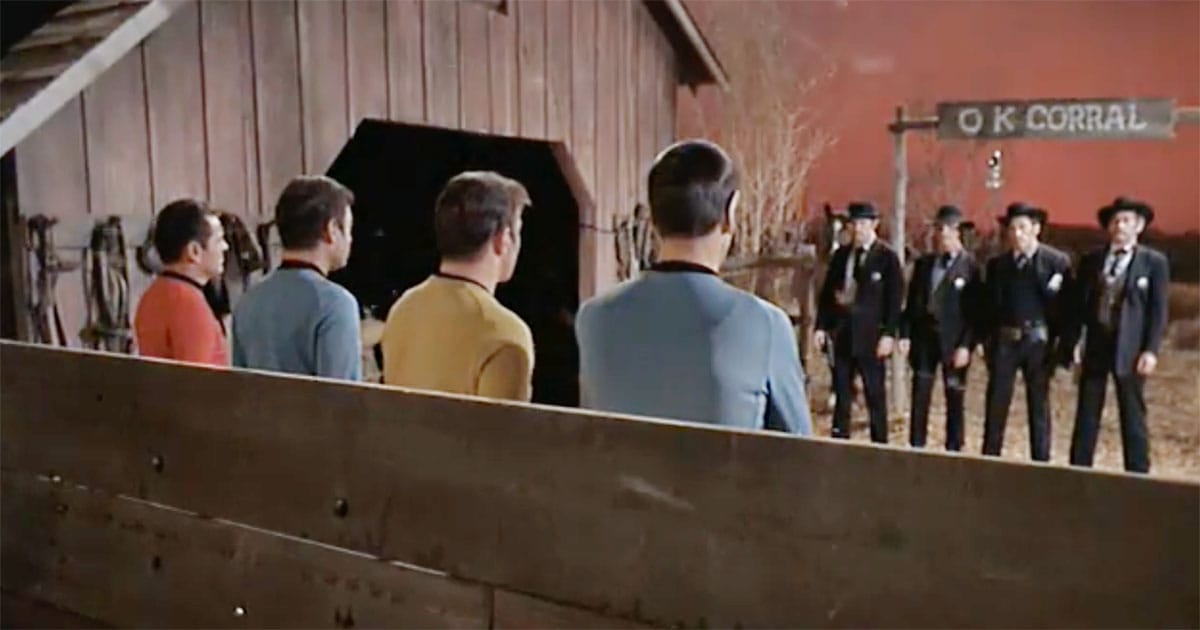
"Spectre of the Gun" may be the clearest example of "Star Trek" breaking its own rules.
The episode's visual world barely pretends to realism. Sets appear incomplete. Buildings fade into emptiness. Colors feel artificial and dreamlike. Seen superficially, it looks like production compromise. Seen more carefully, it becomes something else.
The unfinished environment creates unease because it feels unstable. The characters move through a world that behaves less like physical space than a collective hallucination. The effect is strangely modern.
Many contemporary productions spend enormous resources creating visual completeness. "Spectre of the Gun" discovers atmosphere through absence. That choice points back to the larger truth about "The Original Series."
People remember "Star Trek" as orderly because its icons became familiar. But the episodes themselves were often unpredictable. They borrowed from war stories, theater, mystery fiction, and philosophical thought experiments. They slowed down when viewers expected momentum and complicated moments that seemed straightforward.
The formula exists. The surprise is how often the series escaped it.