
"This Island Earth" A Journey to Metaluna
A look at "This Island Earth," exploring its story, themes, memorable visual effects, and lasting influence as one of the defining science fiction films of the 1950s.

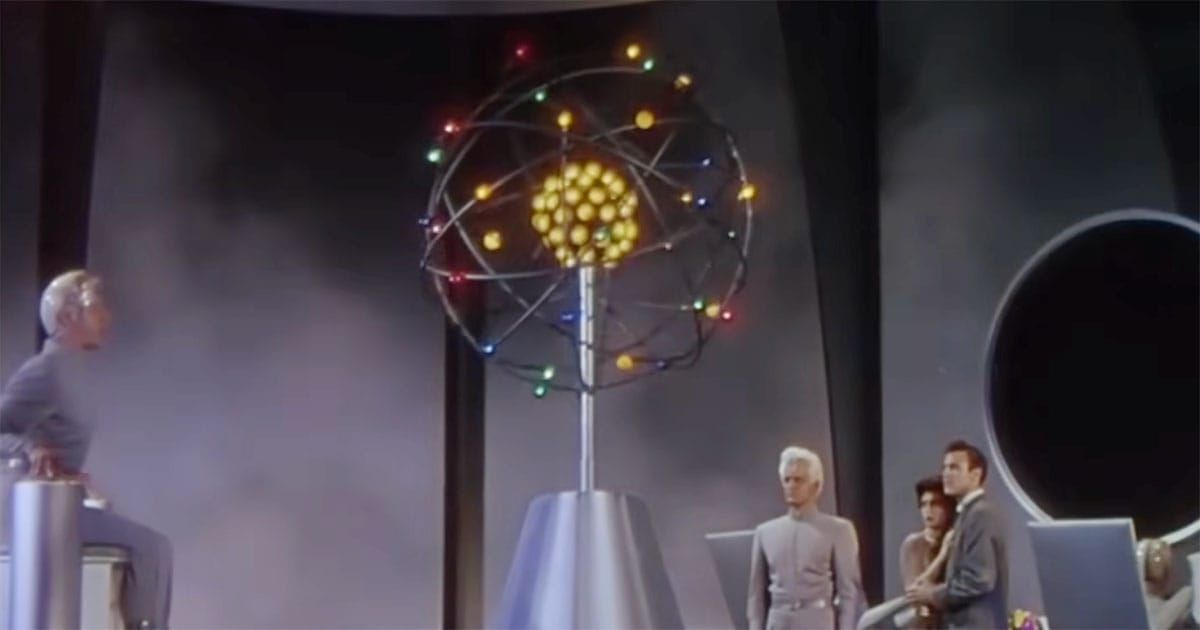
"This Island Earth"
Released in 1955, "This Island Earth" stands among the most ambitious science fiction films of Hollywood's golden age. Produced by Universal-International and adapted from Raymond F. Jones's novel, the film combines scientific speculation, interplanetary adventure, and memorable visual effects into a story that continues to attract classic science fiction fans. While many films of the era focused on alien invasions or giant monsters, this one looked beyond Earth and imagined an entire civilization struggling for survival.
The film arrived during a period when atomic science fascinated the public. Rather than presenting science as a source of fear, "This Island Earth" embraces the idea that scientific knowledge can solve humanity's greatest problems. That optimistic outlook gives the film a distinctive personality among many 1950s Cold War science fiction productions.
Its greatest strength lies in its imagination. Strange electronic devices, mysterious laboratories, flying saucers, and distant alien worlds unfold with a confidence that makes even the most fantastic ideas feel believable within the story. The impressive Technicolor photography adds richness to every scene and helps elevate the production beyond the modest budgets often associated with science fiction films of its day.
The film is not without its flaws. Some dialogue reflects the conventions of mid-century filmmaking and the final act feels noticeably compressed. Even so, its sense of wonder, striking production design, and thoughtful themes have allowed "This Island Earth" to remain one of the defining classics of 1950s science fiction cinema.
| Attribute | Details |
|---|---|
| Title | This Island Earth |
| Director | Joseph M. Newman |
| Writer | Franklin Coen, Edward G. O'Callaghan |
| Actors or Actresses | Jeff Morrow, Faith Domergue, Rex Reason |
| Rated | Approved |
| Runtime | 86 min |
| Box Office | $1.7 million (U.S. and Canadian distributor rentals) |
| U.S. Release Date | June 10, 1955 |
| Quality Score | 5.9/10 (IMDb) |
Synopsis
Dr. Cal Meacham is a respected atomic scientist whose research takes an unexpected turn after mysterious electronic components arrive at his laboratory. Intrigued by their unusual construction, he follows a set of instructions that lead him to assemble an advanced communication device known as the Interocitor. Completing the machine proves to be a test arranged by an unknown benefactor.
The inventor behind this elaborate recruitment is Exeter, a calm and intelligent man who invites Cal to join a secret research project. Curiosity overcomes caution, and Cal accepts the offer. His journey aboard an unmanned aircraft only deepens the mystery surrounding his new employer.
At an isolated research facility in rural Georgia, Cal discovers that many of the world's leading scientists have already gathered there. Among them is Dr. Ruth Adams, an accomplished physicist with whom Cal shares a personal history. Although the laboratory appears dedicated to peaceful scientific research, its atmosphere quickly raises suspicions.
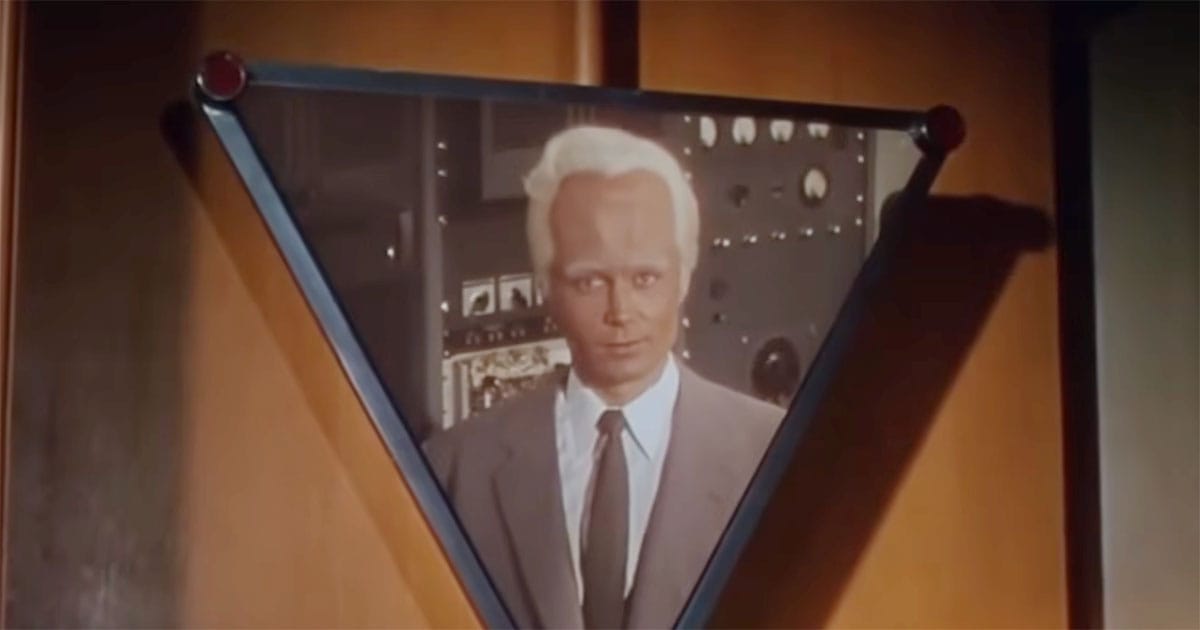
Cal, Ruth, and fellow scientist Steve Carlson begin questioning Exeter's true motives. Their attempt to escape ends in tragedy when Steve is killed and the remaining pair are captured by a flying saucer. It is then that Exeter finally reveals the truth behind his unusual project.
Exeter is not human but a visitor from the distant planet Metaluna. His civilization is engaged in a desperate war against the Zagons and faces complete destruction as its defensive energy shield begins to fail. Earth's scientists have been recruited in the hope that they might discover a way to produce the uranium needed to save Metaluna before it is too late.
Cal and Ruth accompany Exeter to Metaluna and witness a civilization already on the edge of collapse. Massive bombardments shake the planet while its underground cities struggle to survive beneath the ruined surface. The alien ruler known as the Monitor plans to relocate the remaining Metalunans to Earth and intends to remove humanity's freedom through mind control.
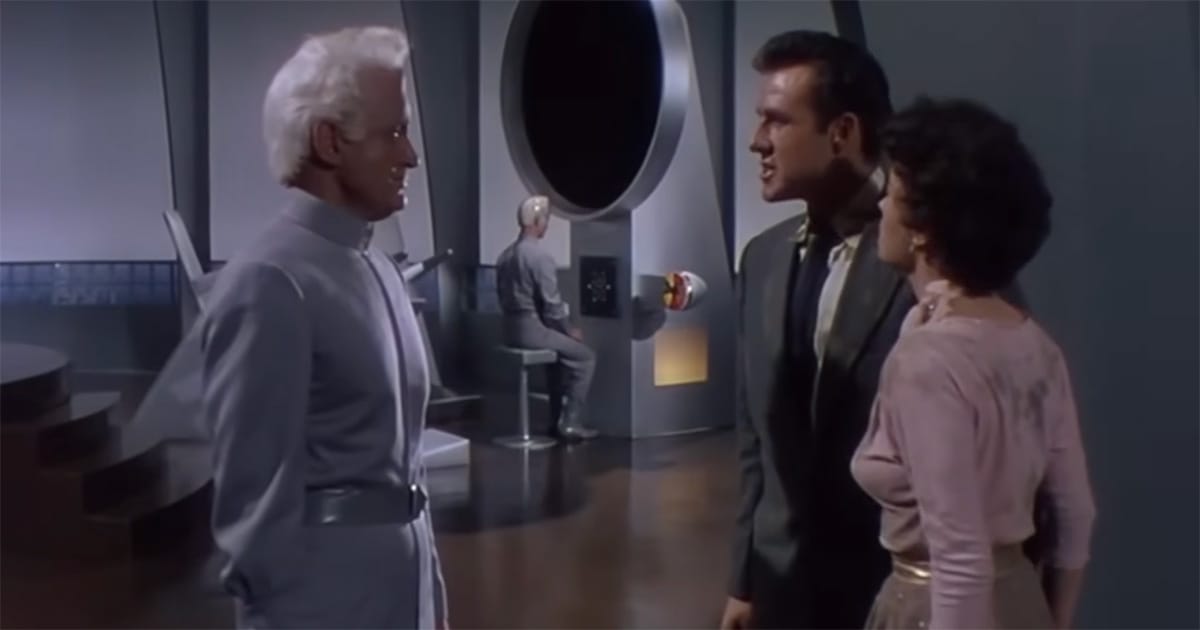
Exeter rejects the Monitor's plan despite his loyalty to his own people. Choosing conscience over obedience, he helps Cal and Ruth escape while the final battle consumes Metaluna. The once advanced world is transformed into a blazing radioactive star as Exeter pilots the survivors away from the dying planet.
The journey home brings one final danger when the terrifying Metaluna Mutant emerges aboard the spacecraft. Although the creature has become one of the most famous monsters in science fiction history, its appearance is surprisingly brief. After the threat passes, Exeter returns Cal and Ruth safely to Earth before sacrificing himself as his damaged spacecraft disappears into the ocean.
Themes
One of the film's most interesting ideas is its confidence in science as a force for progress. The scientists are not reckless experimenters whose discoveries threaten humanity. Instead, they are valued because of their creativity, intelligence, and willingness to solve difficult problems. The story suggests that knowledge itself is one of civilization's greatest resources.
The destruction of Metaluna gives the film a surprisingly strong anti-war message. Rather than presenting war as glorious or heroic, the story depicts an advanced civilization slowly exhausted by endless conflict. By the time Cal and Ruth arrive, victory is no longer possible, and survival is the only remaining goal.
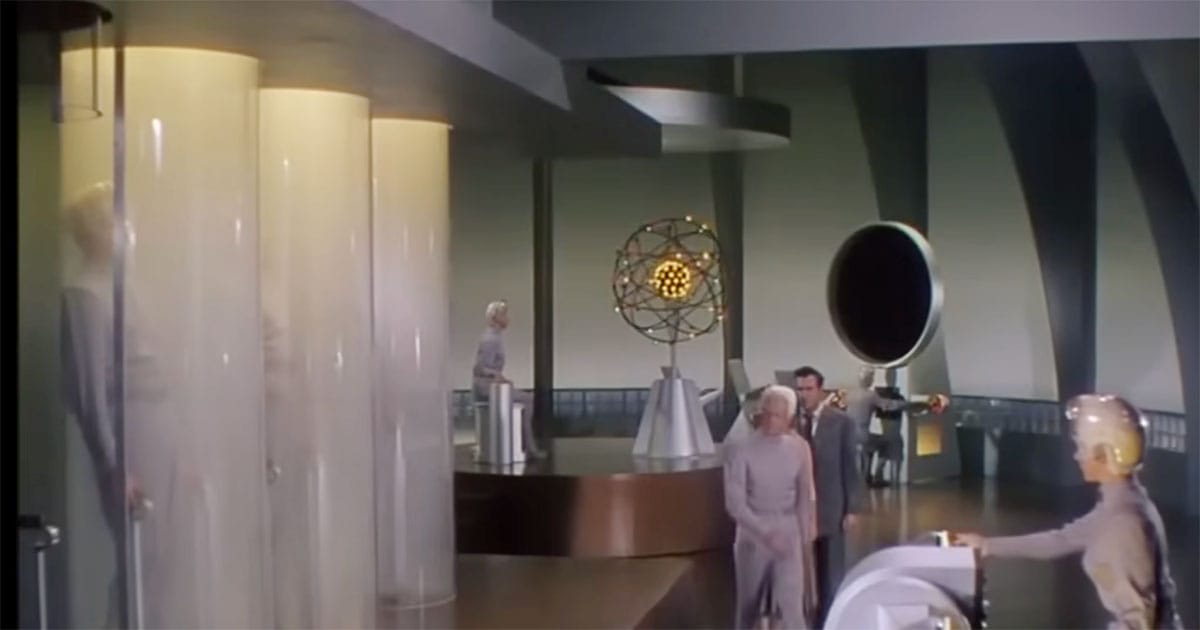
Exeter provides the emotional center of the story. Unlike many alien visitors from 1950s science fiction, he is neither conqueror nor monster. He is a scientist attempting to save his people while struggling with the increasingly ruthless decisions demanded by his leaders. His moral conflict makes him one of the era's most sympathetic extraterrestrial characters.
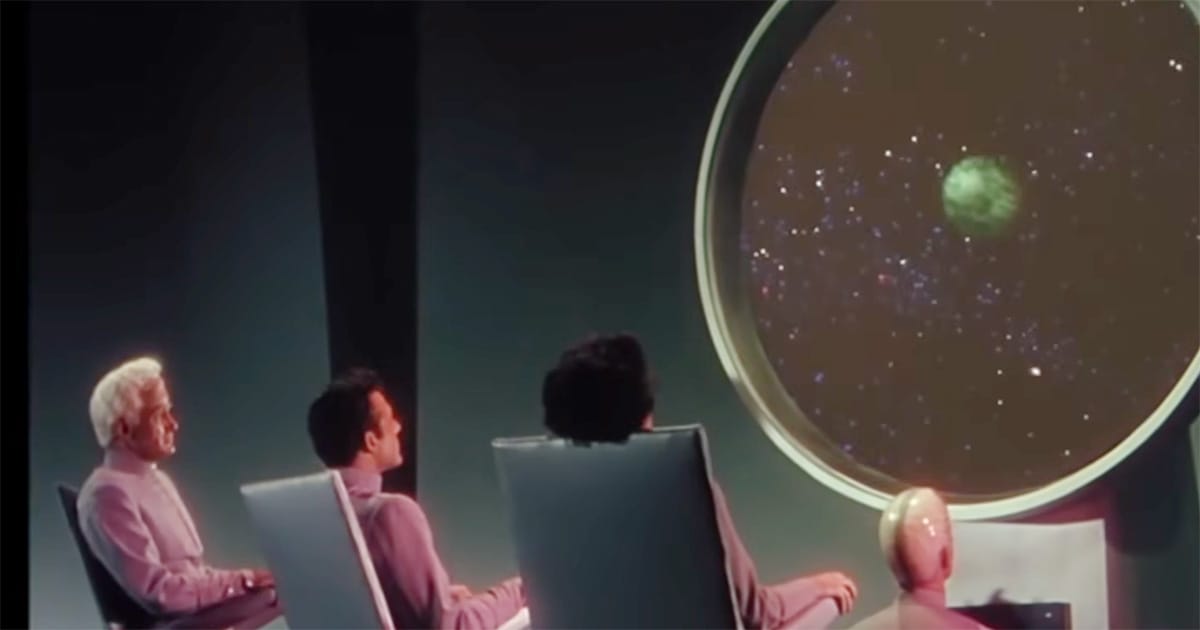
The visual imagination displayed throughout the film remains remarkable decades after its release. The Interocitor immediately establishes a sense of technological mystery, while the flying saucer interiors suggest a believable alien civilization. When the story reaches Metaluna, towering structures, colorful skies, and impressive matte paintings create one of the most memorable worlds in classic science fiction.
The Metaluna Mutant has earned a lasting place in popular culture despite appearing for only a few minutes. Its oversized brain, insect-like features, and unsettling appearance helped define the image of the bug-eyed monster for generations of science fiction fans. Few creatures have achieved such recognition with so little screen time.
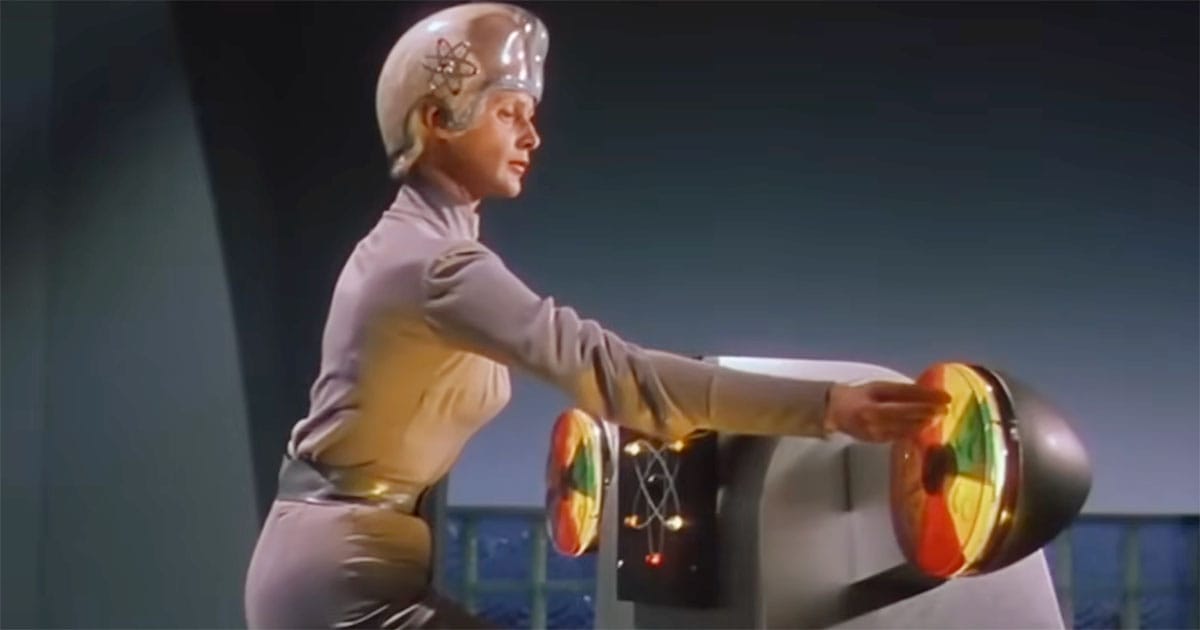
The film also demonstrates how much can be accomplished through practical filmmaking techniques. Miniatures, optical effects, matte paintings, and carefully designed sets combine to create a convincing journey into deep space. Even viewers accustomed to modern digital effects may appreciate the craftsmanship behind these sequences.
Narratively, the film succeeds because it builds mystery with patience during its Earth-bound opening. Each discovery leads naturally to another larger question until the audience finally learns the truth about Exeter and Metaluna. This gradual expansion from laboratory mystery to interstellar conflict gives the story an engaging sense of momentum.
The final act does reveal the film's greatest weakness. Metaluna is such an imaginative setting that many viewers wish the story had spent considerably more time exploring its civilization before its destruction. The rushed conclusion leaves several intriguing ideas only partially developed, yet it also contributes to the tragedy of witnessing a great civilization disappear almost as quickly as it is introduced.
Who Will Watch This Movie
"This Island Earth" will appeal most to viewers who enjoy the classic science fiction films of the 1950s. Fans of imaginative space adventures, practical special effects, and thoughtful speculative storytelling will find much to admire. Its combination of mystery, adventure, and visual spectacle captures the spirit of an era when science fiction was beginning to expand beyond simple monster movies.
Viewers who appreciate films such as "The Day the Earth Stood Still," "Forbidden Planet," and "The War of the Worlds" will likely find similar pleasures here. The emphasis rests on ideas, atmosphere, and world-building rather than constant action. Those qualities have helped the film remain influential long after many of its contemporaries faded from memory.
Modern audiences should expect dialogue and performances that reflect the conventions of the mid-1950s. The pacing is deliberate, and the scientific concepts are more imaginative speculation than technical realism. Accepting those qualities allows the film's ambition and creativity to take center stage.
More than seventy years after its release, "This Island Earth" continues to reward viewers with its memorable imagery and optimistic vision of science. Its portrayal of a doomed alien civilization, its compassionate central antagonist, and its enduring visual design ensure that it remains one of the essential works of classic American science fiction.