
Why Classic Science Fiction Loves the Alien Next Door
From "My Favorite Martian" to "Coneheads," discover why classic science fiction so often places aliens in ordinary American neighborhoods and what those stories reveal about humanity.
This Week in Science Fiction Classics
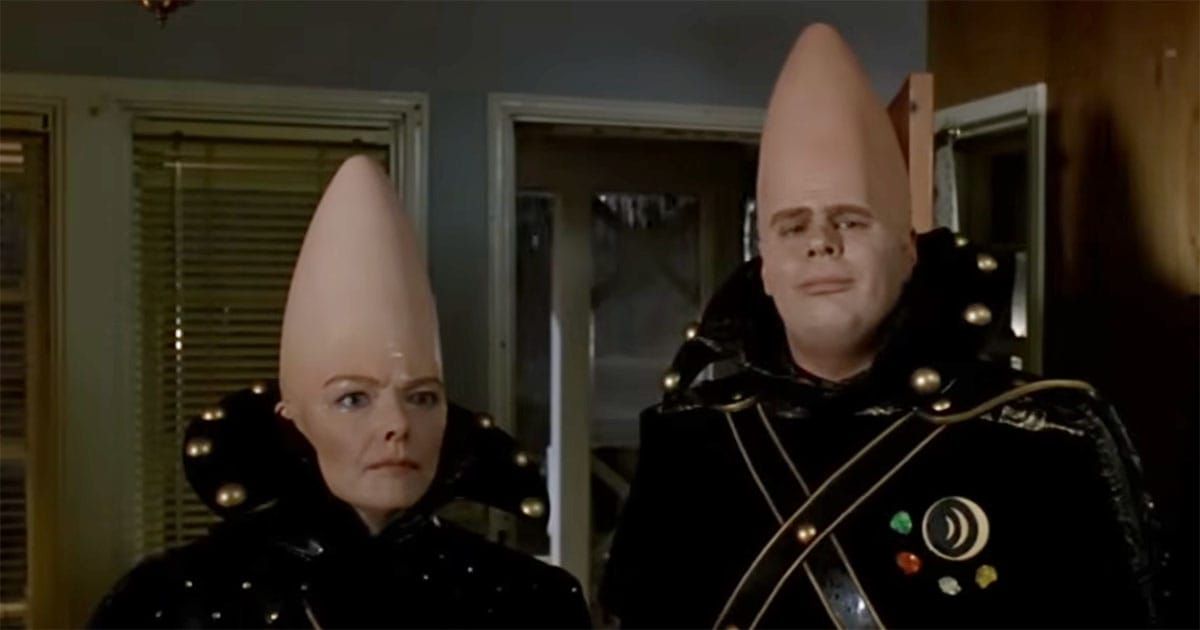
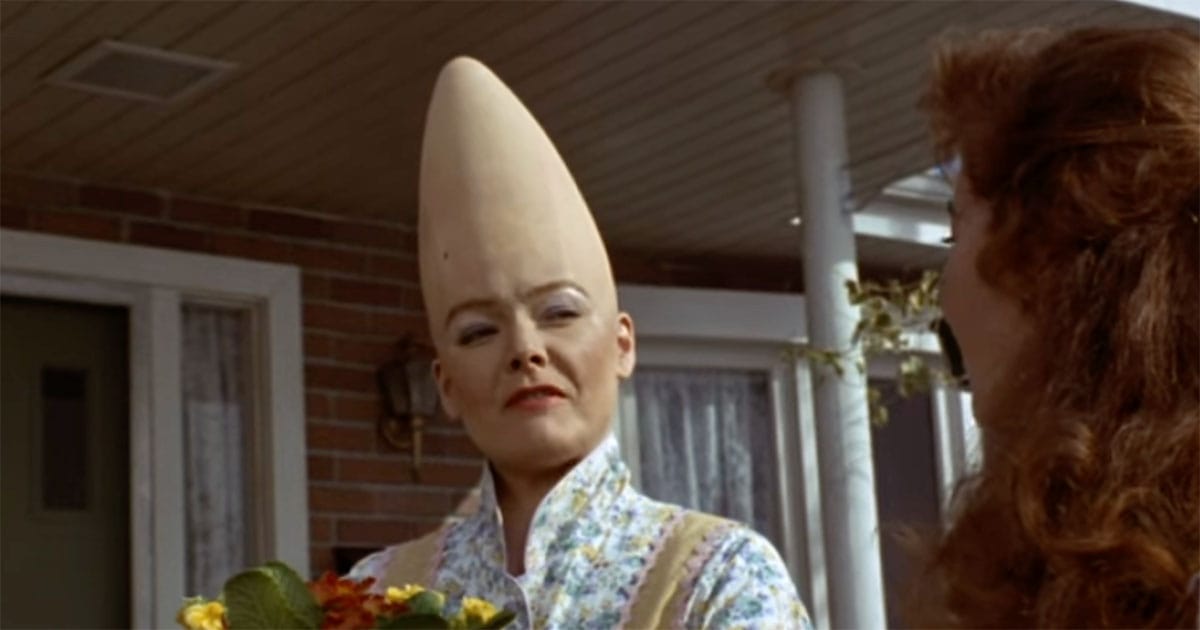
On July 23, 1993, "Coneheads" arrived in American theaters and gave moviegoers something they did not see very often even then. It was a science fiction comedy built around one of the most popular recurring sketches from "Saturday Night Live." Dan Aykroyd and Jane Curtin returned as Beldar and Prymaat, the oddly shaped visitors from the planet Remulak, proving that an alien invasion story could be just as entertaining with laughs as with lasers.
The premise is wonderfully simple. After crashing on Earth, the Conehead family settles into suburban America and attempts to blend in while waiting for a chance to return home. Their strange appearance and formal way of speaking make every ordinary activity feel extraordinary. Buying a house, raising a daughter, and dealing with government officials become opportunities for science fiction to poke gentle fun at everyday life.
More than three decades later, "Coneheads" remains one of the more unusual science fiction films of the 1990s. It never forgets that its characters are genuine extraterrestrials, yet its biggest adventure is watching them discover the rhythms of ordinary American life. That combination of classic science fiction ideas and warm-hearted comedy gives the film a charm that still makes it worth revisiting today.
Sponsored by: Green Lady Alien & Pet | గ్రీన్ లేడీ ఏలియన్ T-shirt
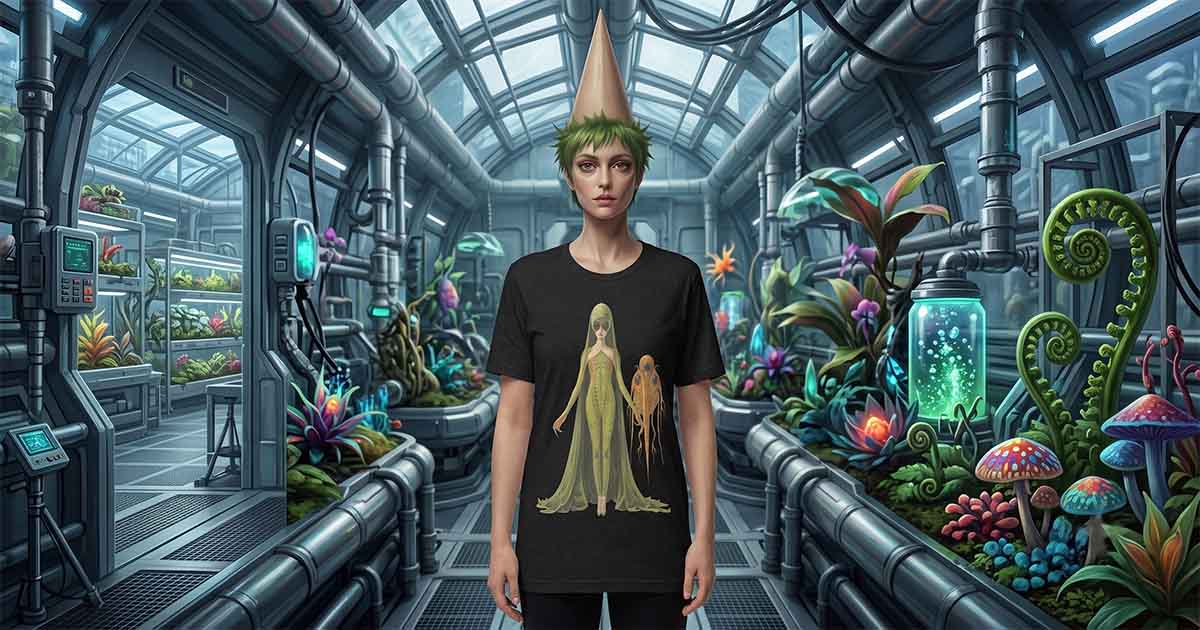
Some science fiction tells stories with starships and ray guns. Other stories begin with a single unforgettable image. The "Green Lady Alien & Pet" T-shirt recalls the painted paperback covers that once invited readers to imagine strange worlds filled with elegant visitors and extraordinary life forms.
The Alien Next Door
Science fiction is often associated with starships, robots, and alien invasions. Yet some of its most enduring stories begin with a much simpler idea. Instead of attacking Earth, an extraterrestrial rents a house, gets a job, or tries to make sense of his peculiar new neighbors. The adventure does not unfold on a distant planet. It takes place on an ordinary American street.
That premise has entertained audiences for decades because it turns familiar routines into something fresh. An alien sees everyday customs without taking them for granted. Through his eyes, a backyard barbecue, a trip to the grocery store, or a family dinner becomes every bit as fascinating as exploring another galaxy.
Visitors With a Different Point of View
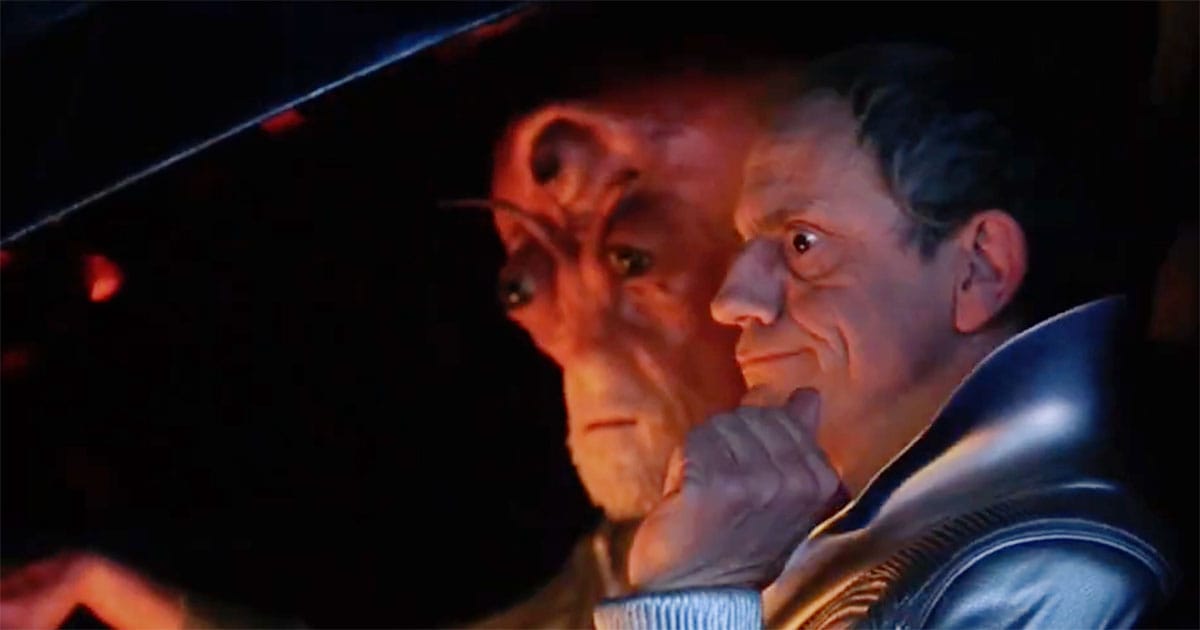
The idea appeared early in television's history. "My Favorite Martian(TV show 1963)" introduced viewers to Uncle Martin, a visitor whose advanced technology and remarkable abilities rarely solved his biggest problems. Instead, he found himself navigating ordinary life while hiding his true identity from the people around him.
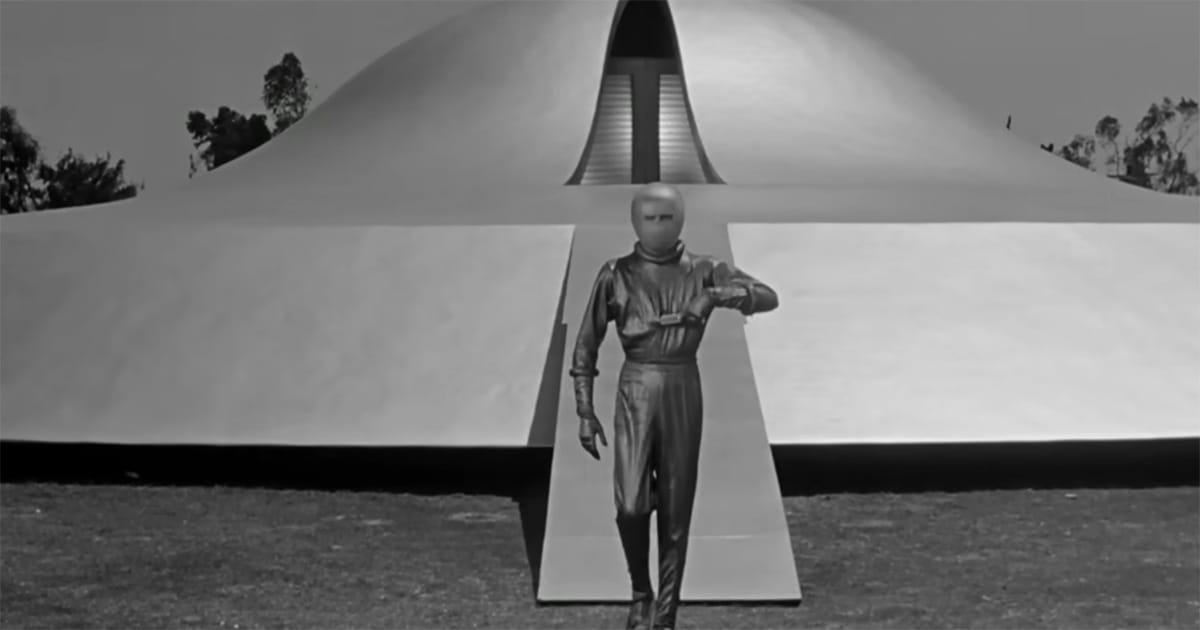
A few years earlier, "The Day the Earth Stood Still(1951)" explored the concept from a more serious direction. Klaatu walked among humanity not to conquer it, but to understand it. His greatest discoveries came not from Earth's weapons or governments, but from observing the choices made by ordinary people.
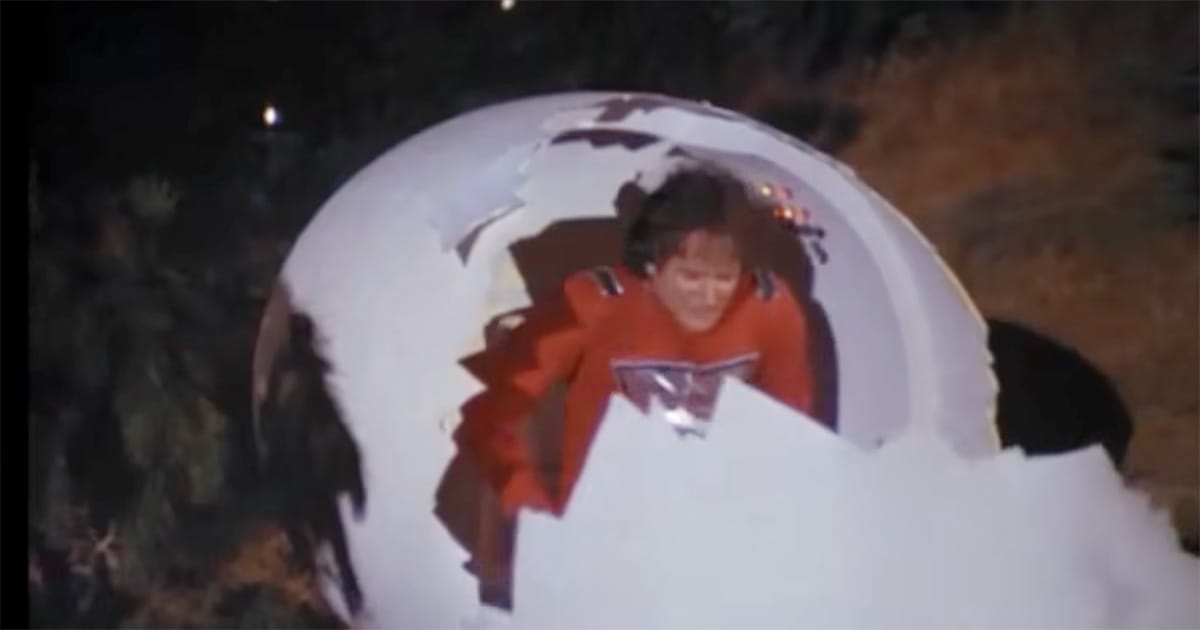
The formula found another generation of fans with "Mork & Mindy(1978)." Robin Williams transformed Mork into one of television's most memorable aliens by treating every human custom as something worthy of investigation. Whether he was trying to understand humor, romance, or simple conversation, Mork constantly reminded viewers that many of our habits make very little sense when seen for the first time.
These stories all shared one important characteristic. The alien was never simply a visitor from another planet. He was an outsider who encouraged audiences to look at themselves with fresh eyes.
Why Neighborhoods Make Great Science Fiction
There is a reason these stories so often unfold in quiet suburbs instead of distant star systems. Familiar surroundings make extraordinary characters even more believable. When an alien walks into a supermarket or attends a neighborhood gathering, the audience immediately understands both the setting and the joke.
The contrast also keeps the focus on people instead of technology. Science fiction certainly features remarkable inventions, but machines rarely carry a story on their own. Relationships do. Watching an extraterrestrial struggle to understand friendship, family, or responsibility says far more about humanity than another demonstration of futuristic hardware.
Television producers also recognized another advantage. Stories set on Earth required fewer elaborate sets and expensive visual effects. Writers could spend more time developing memorable characters and clever situations instead of building entire civilizations from scratch. The result was science fiction that felt approachable without losing its sense of wonder.
More Than Laughs
Although many of these stories were comedies, their purpose reached beyond getting a laugh. Humor opened the door to larger questions about what it means to be human. An alien who misunderstands baseball or Thanksgiving may seem amusing, but those misunderstandings invite viewers to think about traditions they normally accept without question.
These visitors also challenged assumptions about intelligence. The extraterrestrial was often far more advanced than the people around him, yet he struggled with problems that had nothing to do with science. Understanding loyalty, raising children, keeping promises, or earning trust proved much harder than building remarkable machines.
That balance gave classic science fiction an uncommon warmth. The stories celebrated curiosity instead of cynicism. They suggested that people from different worlds could become friends through patience and mutual respect. Even when misunderstandings occurred, the solution usually came through conversation rather than conflict.
A Reflection of American Life
These stories became especially popular during the Space Age, when Americans were fascinated by rockets, satellites, and the race to reach the Moon. While newspapers covered real astronauts pushing the boundaries of exploration, science fiction imagined another possibility. What if the next visitor from space did not land at Cape Canaveral, but moved in across the street?
That simple question allowed writers to celebrate everyday American life. The alien often discovered that neighborhoods, families, and communities possessed strengths that could not be measured by technology alone. The stories suggested that civilization was built as much on kindness and responsibility as on scientific achievement.
The idea remains appealing because it presents optimism without ignoring human flaws. The visitor notices our mistakes, but he also discovers generosity, humor, and resilience. By the end of the story, Earth has usually changed him as much as he has changed the people around him.
Perhaps that explains why audiences continue to revisit these classics. Long after the special effects have aged, the characters still feel genuine because their greatest challenges are universal. Everyone knows what it feels like to be the new neighbor, to misunderstand unfamiliar customs, or to search for a place where he belongs.
The next time an alien appears in a classic science fiction story, pay attention to where he lands. More often than not, it is not the bridge of a starship or the floor of a secret laboratory. It is a neighborhood where ordinary people unknowingly become ambassadors for the entire human race. That simple idea has entertained audiences for generations, and it remains one of classic science fiction's most endearing traditions.
Science Fiction Trivia
1. Dan Aykroyd spent nearly a decade trying to turn the "Coneheads" into a feature film before it finally reached theaters in 1993.
2. Mork first appeared as a one-time guest on "Happy Days." The character proved so popular that ABC created "Mork & Mindy."
3. Ray Walston's performance in "My Favorite Martian" was so memorable that many viewers still associate him with Uncle Martin more than any other role. TV show ran from 1963-1966, with the movie coming out in 1999.