
"The Fifth Element" and the Lost Art of Imaginative Science Fiction
Explore how "The Fifth Element" rejected realism for bold imagination, and why its colorful vision of the future still stands apart from modern science fiction films.


On May 9, 1997, "The Fifth Element" opened in theaters, offering a sharp break from the restrained tone of earlier science fiction films. Directed by Luc Besson, the picture delivers a loud and colorful vision of the future that favors imagination over realism. Audiences encounter a world crowded with flying cars, dense city towers, and strange personalities that feel closer to a comic strip than a technical forecast.
The film reflects strong influence from European comic art, especially the work of Moebius and Jean-Claude Mézières. This influence appears in the exaggerated costumes, bold shapes, and playful set designs. In spite of Hollywood trends at the time, the film embraces a handmade look that gives it a distinct identity.
At its center, the story follows a familiar science fiction idea about a lone hero facing a cosmic threat. Bruce Willis plays the reluctant protector, while Milla Jovovich brings an unusual physical presence to the mysterious Leeloo. Their performances ground the film even as the world around them grows more absurd.
Reception at release remains divided, yet the film gains a loyal following over time. Viewers return to it for its energy and clear belief in good and evil. It remains a reminder that science fiction can be bold and entertaining without losing its moral center.
Sponsored by: Alien Cat & Woman | Εξωγήινη γάτα T-shirt

Add a little color to your rotation with the Alien Cat & Woman T-Shirt. It blends classic science fiction style with bold visual design that feels right at home next to your favorite films. Comfortable, durable, and just unusual enough to start a conversation, it fits both the genre and the man who enjoys it.
When Science Fiction Chose Imagination Over Prediction
When "The Fifth Element" arrived in theaters in 1997, it broke from the dominant tone of the genre. Many science fiction films of the era aim for realism and restraint, often presenting futures that feel like direct extensions of the present day.
This film moves in the opposite direction with a future that is loud, crowded, and full of personality. It invites the viewer to experience the world on its own terms rather than measure it against reality.
The opening moments establish this difference with confidence. The film does not begin with technical explanation or careful setup. It presents mystery and spectacle first, trusting the viewer to follow along. That choice signals that imagination, not prediction, drives the story.
This approach recalls an earlier era of science fiction storytelling. Films once aimed to spark curiosity rather than prove a theory. In that sense, the film feels less modern and more in line with the adventurous spirit that built the genre.
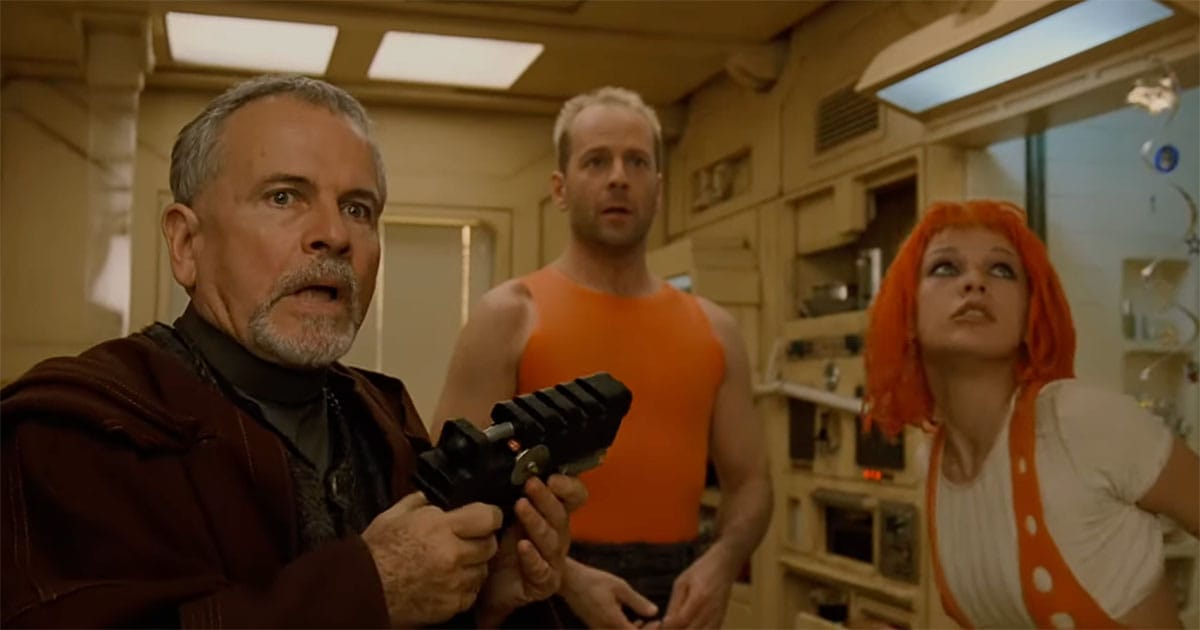
The Rise of Realism in Science Fiction
In the years leading up to 1997, science fiction earned respect by becoming more serious and believable. Films like "Blade Runner" and Gattaca shape the expectation that the future should feel controlled and logical. These stories rely on careful design and measured pacing, with technology that appears within reach.
Even "Alien" presents a working world where machines look worn and people behave like skilled workers facing real danger. This approach brings credibility to science fiction and earns critical respect. Yet it also narrows the imaginative range of the genre.
As realism grows more common, it becomes the standard rather than the exception. Audiences begin to expect grounded stories as the default setting. This shift makes bold or unusual ideas seem risky, even when they offer greater entertainment value.

A Bold Visual Rebellion
Director Luc Besson chooses a different path and delivers a film that values energy over caution. The city rises in stacked layers filled with constant traffic and motion. Bright colors replace the darker tones common in other films of the period.
Characters wear clothing that draws attention and signals a world unconcerned with practicality. This is not a future built for efficiency, but one built for impact. The film moves quickly and keeps the audience engaged through motion rather than explanation.
This design choice gives the film a sense of identity that stands apart from its peers. Viewers can recognize its world instantly, even years later. That kind of recognition is rare in science fiction that aims primarily for realism.
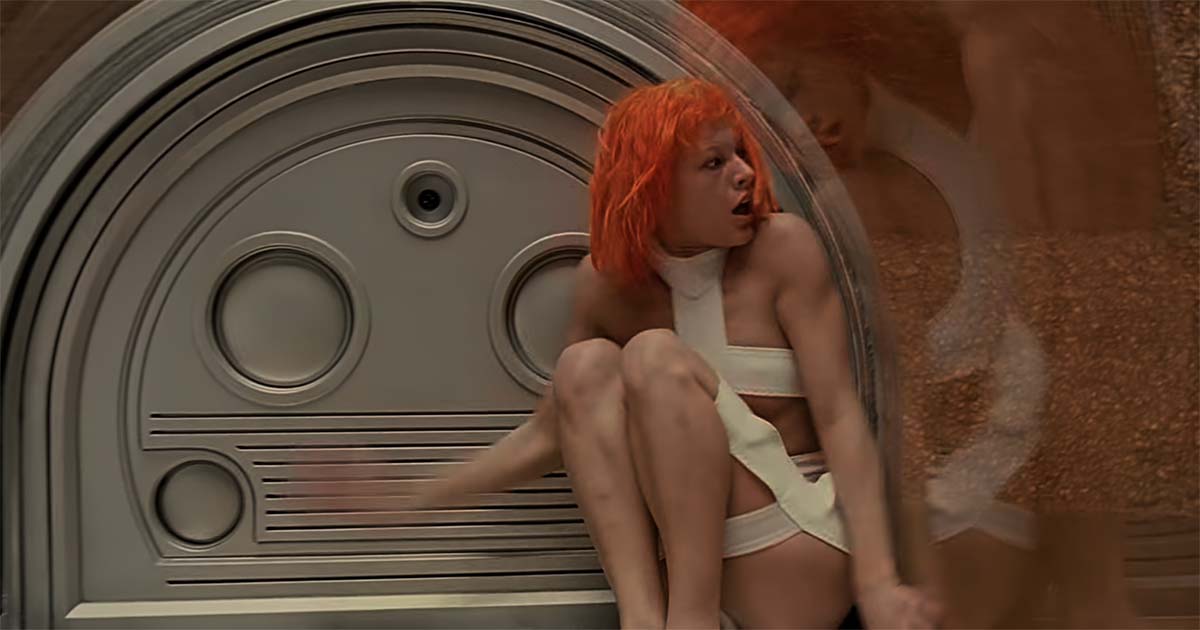
Movement Over Explanation
The film relies on pacing to carry the story forward. Scenes transition quickly, often before the viewer has time to question the details. This creates momentum that keeps attention focused on action and character rather than mechanics.
This approach mirrors the success of "Star Wars", which also places trust in the audience. Viewers accept the world because it is presented with confidence. The result is a story that feels immediate and engaging.
In contrast, more grounded films often pause to explain their rules. While that can add depth, it can also slow the experience. "The Fifth Element" chooses speed and clarity, which keeps the viewer invested from start to finish.

Comic Art Comes to Life
The film's visual style draws heavily on European comic traditions, especially the work of Moebius. Bold shapes, exaggerated designs, and clear silhouettes define the look of every scene. Each setting feels crafted to leave an impression rather than to meet technical standards.
This approach gives the film a strong identity that separates it from more grounded science fiction. It shares a creative spirit with "Flash Gordon", which also embraces spectacle over realism. Both films understand that visual memory plays a key role in lasting appeal.
The influence of comic art also simplifies communication. A character's role or personality is often clear at a glance. This efficiency allows the story to move quickly without losing clarity.

Why Imagination Endures
Audiences remember what feels distinct more than what feels accurate. "Star Wars" remains popular because it offers a universe shaped by bold ideas and clear conflict. "The Fifth Element" follows that same principle with a story that presents good and evil in direct terms.
This clarity allows the audience to focus on the adventure rather than the explanation. The hero acts with purpose, and the threat is easy to understand. That simplicity strengthens the story instead of weakening it.
In spite of changing trends, this approach continues to resonate with viewers who want stories that are both exciting and meaningful. The film proves that imagination remains one of science fiction's core strengths. It reminds the viewer that the genre works best when it shows him something new and commits to that vision without hesitation.
"The Fifth Element" Trivia
- Chris Tucker improvises much of his performance as Ruby Rhod, creating one of the film's most memorable and divisive characters.
- The alien Diva's opera performance combines real singing with digitally altered notes, pushing beyond what a human voice can naturally achieve.
- Gary Oldman accepts the role of Zorg as a favor to Luc Besson, despite rarely taking on such exaggerated villain roles.