
Why “May the 4th Be With You” Still Works Today
Why "Star Wars" still works decades later. A look at structure, clarity, and discipline in storytelling, and why May the 4th proves its lasting strength.

This Week in Classic Science Fiction
May the 4th has become an unlikely cultural marker, built not by studios but by fans who never let go of "Star Wars." The phrase "May the Force be with you" turned into a calendar event through repetition and affection over many years. In an age of manufactured trends, this one still feels earned, shaped by the steady loyalty of its audience rather than any coordinated campaign.
The holiday points back to 1977, when "Star Wars" reshaped science fiction cinema and restored a sense of adventure to the genre. It arrived at a time when film had grown more cynical, yet it offered a clear vision of heroism and purpose that audiences quickly embraced. Its success helped revive the space opera tradition and set a new standard for spectacle grounded in simple storytelling.
What endures is not just spectacle, but clarity. The original trilogy presents a world where good and evil are distinct, and where individual action still carries weight in the balance. May the 4th allows audiences to revisit that vision, which explains why the celebration continues to grow rather than fade with time.
Sponsored by: Star Wars: Episode IV - A New Hope Biggs Darklighter

Some figures capture action. This one captures a moment. Drawn from a deleted scene in Star Wars Episode IV A New Hope, Biggs appears before the conflict, as a friend rather than a pilot.
It is a quieter take on a familiar story, and one that adds depth for those who know where to look.
A Film That Still Performs
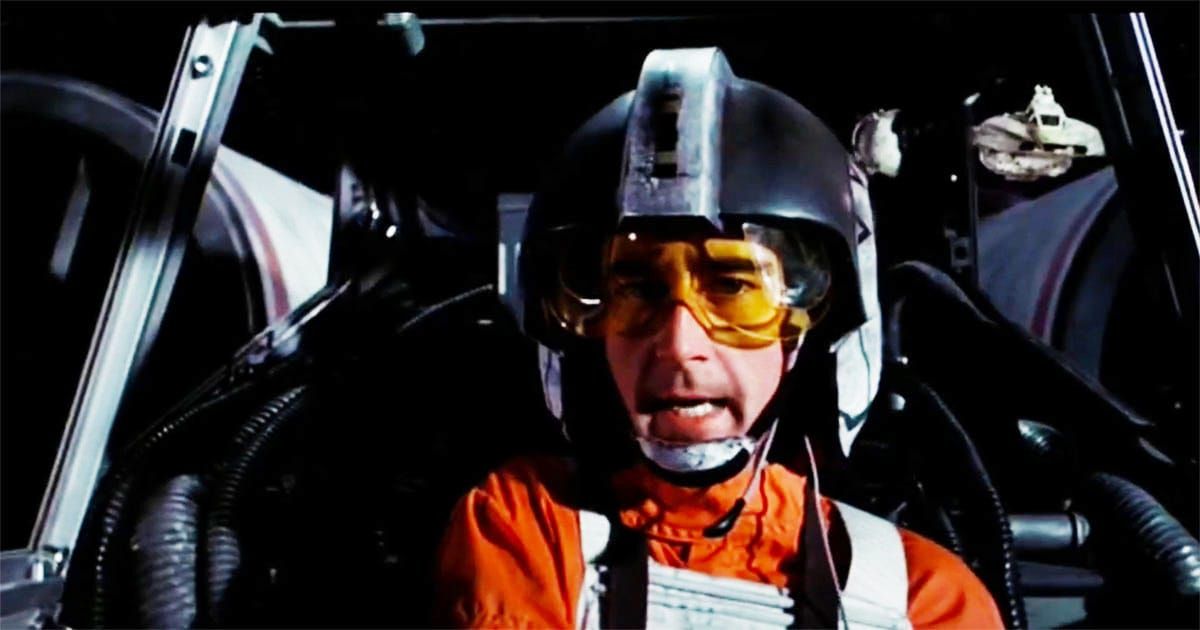
There are many successful films, but few that continue to function decades after release. Star Wars remains one of the clearest examples of a film that still works in practical terms. It holds attention, delivers a coherent story, and rewards repeated viewing without losing effectiveness. This is not a matter of reputation, but of performance.
The continued visibility of the film points to something more than historical importance. It continues to engage audiences in the present, not just as a reference point, but as an active experience.
Viewers return because the film continues to deliver what it promises. That consistency separates it from many later works that achieve scale but not staying power.
The question is not why the film was successful in 1977. The question is why it continues to succeed now, under different expectations and in a crowded field of science fiction. The answer lies in how the film is built.
A Holiday That Keeps It Active
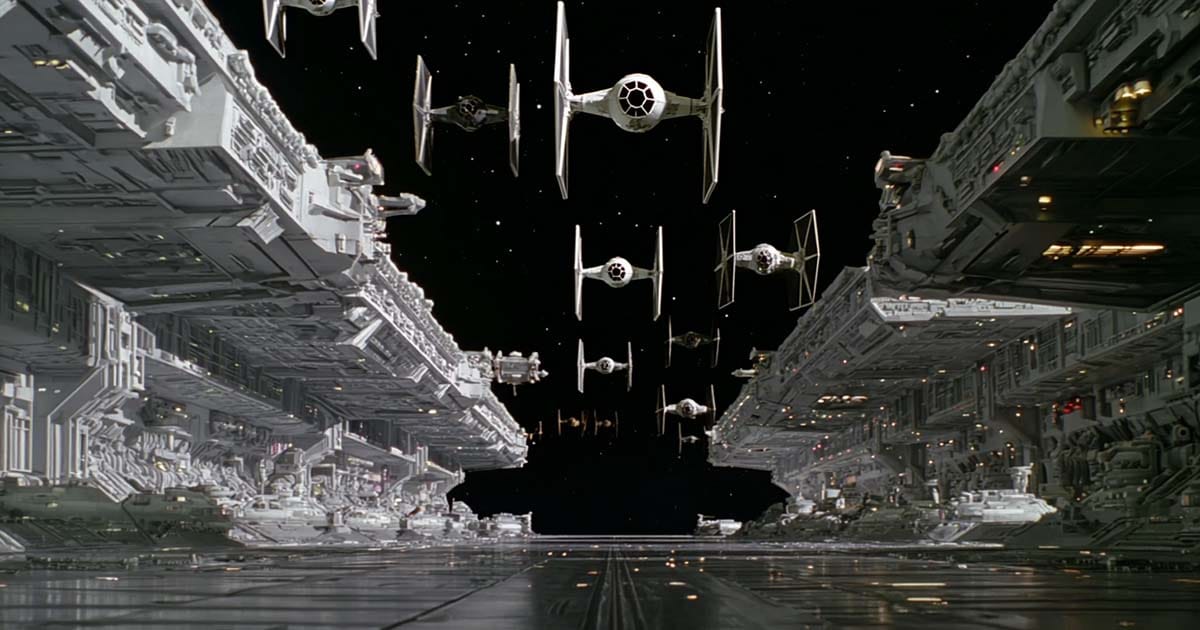
May the 4th provides a clear example of that continued function. The phrase "May the Force be with you" shifts naturally into "May the 4th be with you," a simple play on sound that audiences adopted over time. What began as a small joke has developed into a recurring event, sustained by viewers rather than imposed from outside.
This matters because it reflects repeated use. Audiences return to "Star Wars" each year, not out of obligation, but because the film continues to deliver a reliable experience. The holiday is not simply a reference. It is a mechanism that keeps the film in active circulation.
Many films are remembered, but few are used in this way. May the 4th shows that "Star Wars" remains functional. It is revisited, discussed, and engaged with on a regular basis. That level of continued interaction is a sign that the film still works as intended.
Clear Objectives, Clean Execution
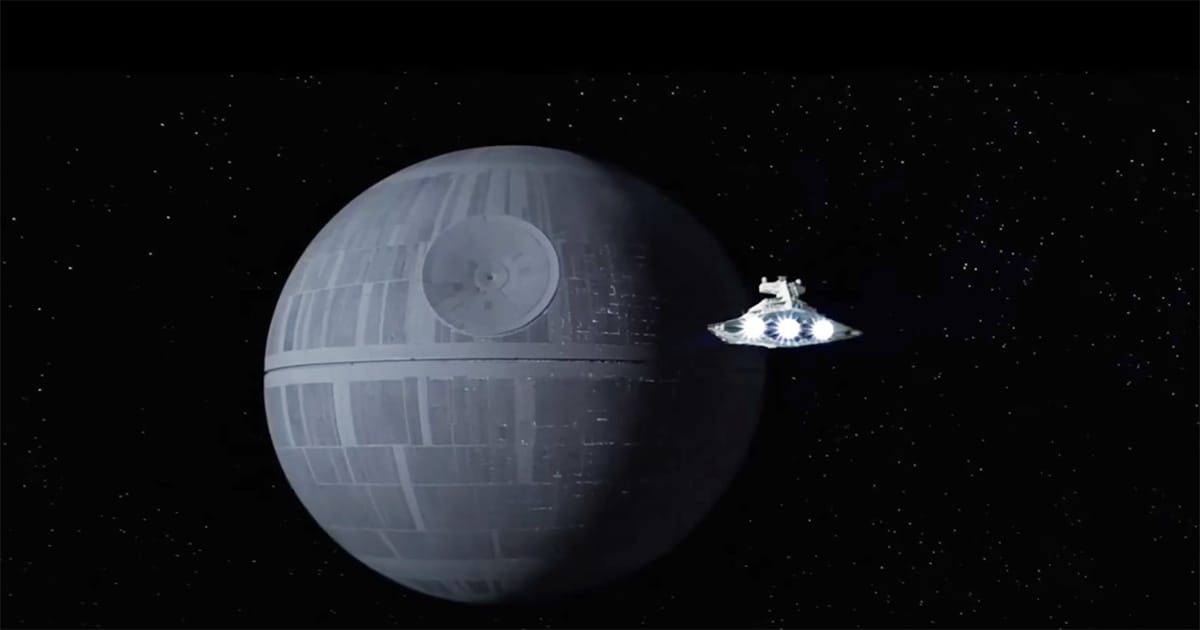
One of the primary reasons the film continues to work is its clarity of purpose. The story presents goals that are easy to understand and conflicts that are clearly defined. The audience always knows what the characters are trying to achieve and what stands in their way.
This clarity allows the narrative to move forward without distraction. Each scene contributes to the larger objective, and nothing feels unnecessary. The film does not rely on confusion or complexity to maintain interest. Instead, it holds attention through direct and purposeful storytelling.
In contrast, many modern science fiction films introduce multiple objectives and shifting priorities. This can create the appearance of depth, but often weakens the overall structure. Without a clear line of movement, the story loses focus. "Star Wars" avoids this problem by maintaining discipline from beginning to end.
Control Over Scale
Another strength of the film lies in its restraint. While "Star Wars" presents a large and expansive setting, it limits its focus to a manageable scope. The story follows a defined path, centered on a small group of characters and a clear objective.
This control prevents the narrative from becoming diluted. The scale supports the story rather than overwhelming it. Each element is introduced with purpose, and nothing exists simply to increase size or spectacle. The result is a film that feels complete rather than overextended.
Modern films often move in the opposite direction. They expand in scale without maintaining control, adding layers that do not always serve the central narrative. This can create a sense of excess that weakens engagement over time. "Star Wars" demonstrates that restraint can produce a stronger and more lasting impact.
Stakes You Can Track
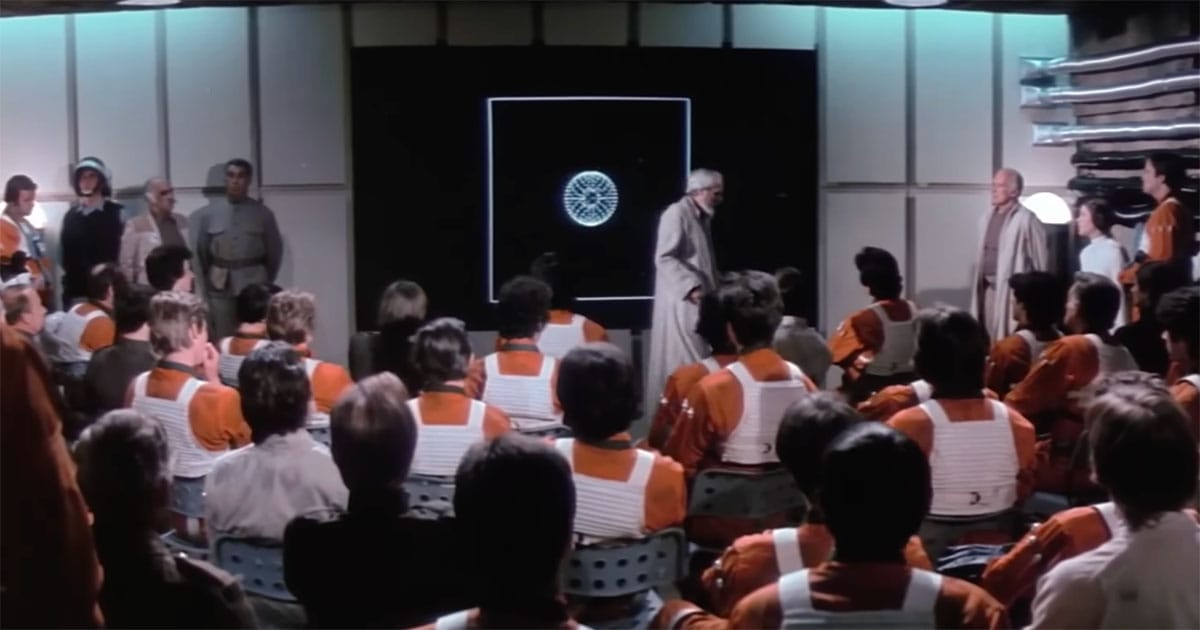
The film also succeeds because its stakes are easy to follow. The audience understands what is at risk and what will happen if the characters fail. This clarity creates tension that builds naturally as the story progresses.
There is no uncertainty about the importance of the central conflict. The objectives are tied directly to meaningful consequences, which keeps the audience invested. Each decision carries weight because the outcome is clear.
By comparison, many modern films present stakes that are either too broad or poorly defined. When everything is at risk, it can become difficult to understand what matters most. This reduces the impact of key moments. "Star Wars" maintains focus by keeping its stakes specific and understandable.
Built for Repeat Viewing
A final measure of the film's effectiveness is how well it holds up under repetition. "Star Wars" does not rely on surprise to maintain interest. Instead, it reveals more of its structure and intent with each viewing.
The audience begins to notice how efficiently the story is constructed. Scenes connect with precision, and character actions align with the overall direction of the narrative. This creates a deeper level of appreciation that goes beyond initial excitement.
May the 4th reinforces this cycle. Each return becomes an opportunity to experience the film again, not as something new, but as something dependable. This repeatability is a sign of quality. A film that continues to engage after multiple viewings has proven its strength.
Why It Still Holds the Line
"Star Wars" continues to work because it is built with discipline. Its structure is clear, its scale is controlled, and its stakes are easy to understand. These qualities allow it to remain effective even as the surrounding landscape of science fiction changes.
Not every film meets this standard. Many pursue size or complexity at the expense of clarity. The result may impress in the moment, but does not always endure. "Star Wars" takes a different approach, focusing on execution rather than expansion.
That is why audiences continue to return, and why May the 4th remains active year after year. The film does not rely on memory alone. It continues to perform.