
Cold War Minds Meet Cosmic Scale in "Eon"
A critical review of "Eon" by Greg Bear, exploring its grand ideas, Cold War tensions, and uneven storytelling in a classic work of ambitious hard science fiction.

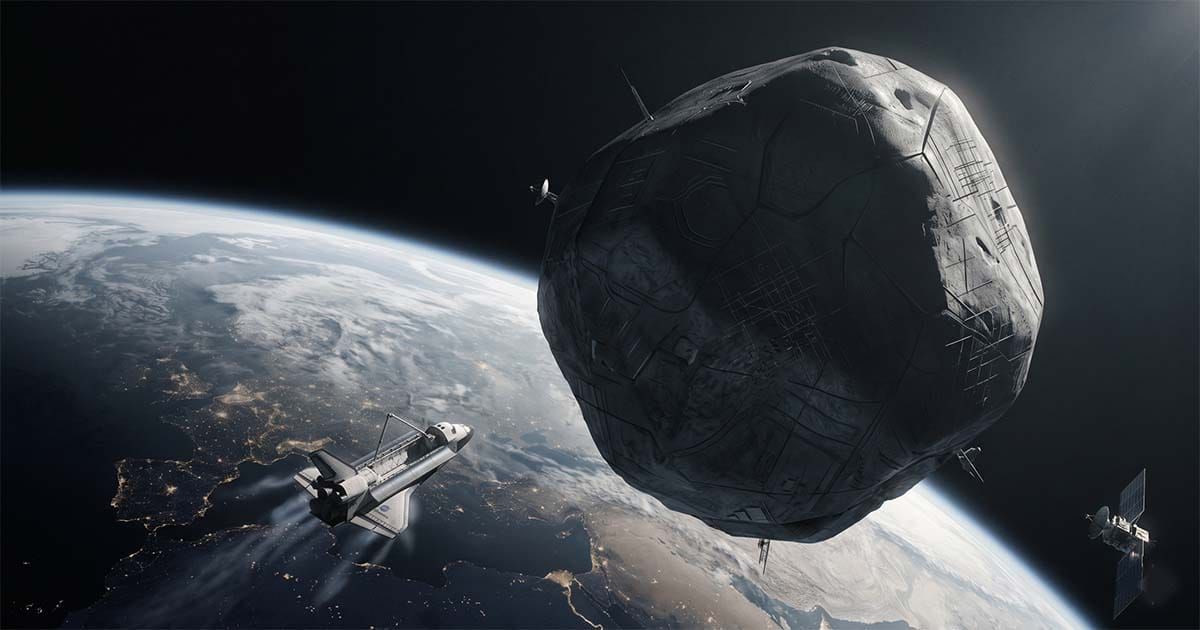
"Eon" by Greg Bear arrived in 1985 at a time when science fiction still took ideas seriously. The decade favored scale, speculation, and a willingness to test the limits of narrative form. This novel fits squarely within that tradition, offering a work that aims high and rarely looks down. It announces itself early as a story more concerned with possibility than comfort.
The Cold War lingers in the background, shaping the mood and decisions of every institution in the book. Nations remain wary, defensive, and quick to claim what they do not yet understand. This tension gives the story a firm grounding in the anxieties of its era. In spite of its cosmic reach, the novel never strays far from the habits of earthly power.
Reputation follows ambition, and "Eon" has earned both praise and criticism in equal measure. Readers often admire its intellectual reach while questioning its narrative discipline. It is a book that invites admiration as often as it tests patience. That balance has kept it in discussion for decades.
At the center of the story is the Stone, a massive object that appears in orbit around Earth. Its presence raises immediate questions about origin, purpose, and control. Scientists approach it with caution, while governments approach it with urgency. From this simple premise, the novel begins to expand outward.
The central question emerges early and remains throughout. Can a story driven by immense ideas still satisfy as a human narrative? "Eon" builds its case with confidence, yet it leaves the final judgment to the reader.
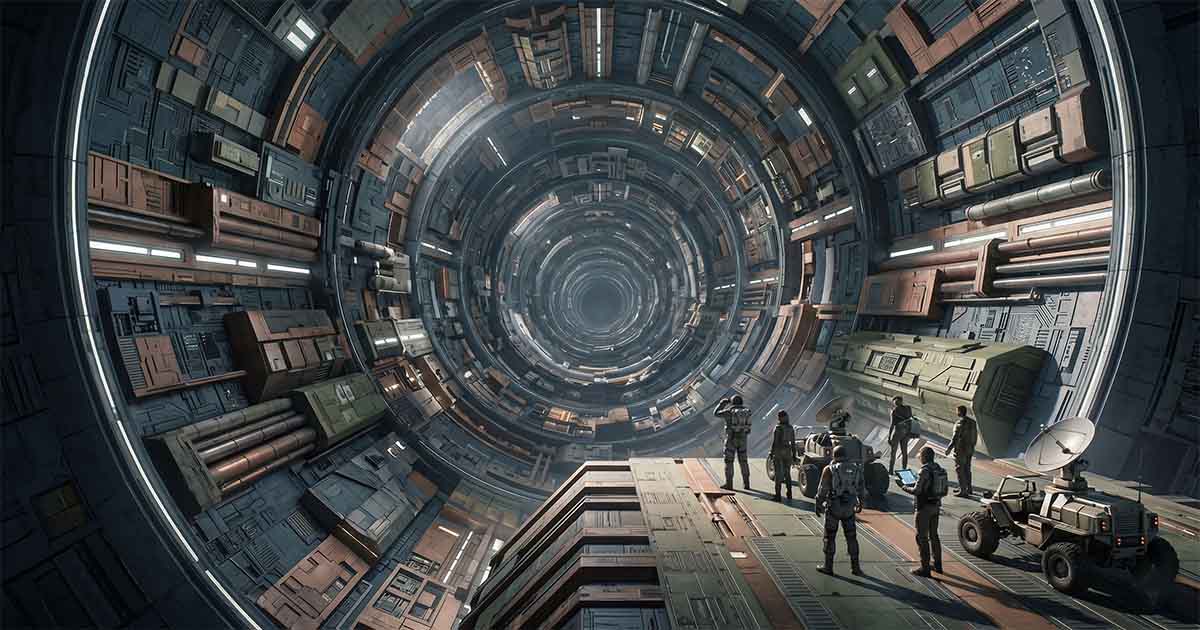
The Stone and Expanding Horizons
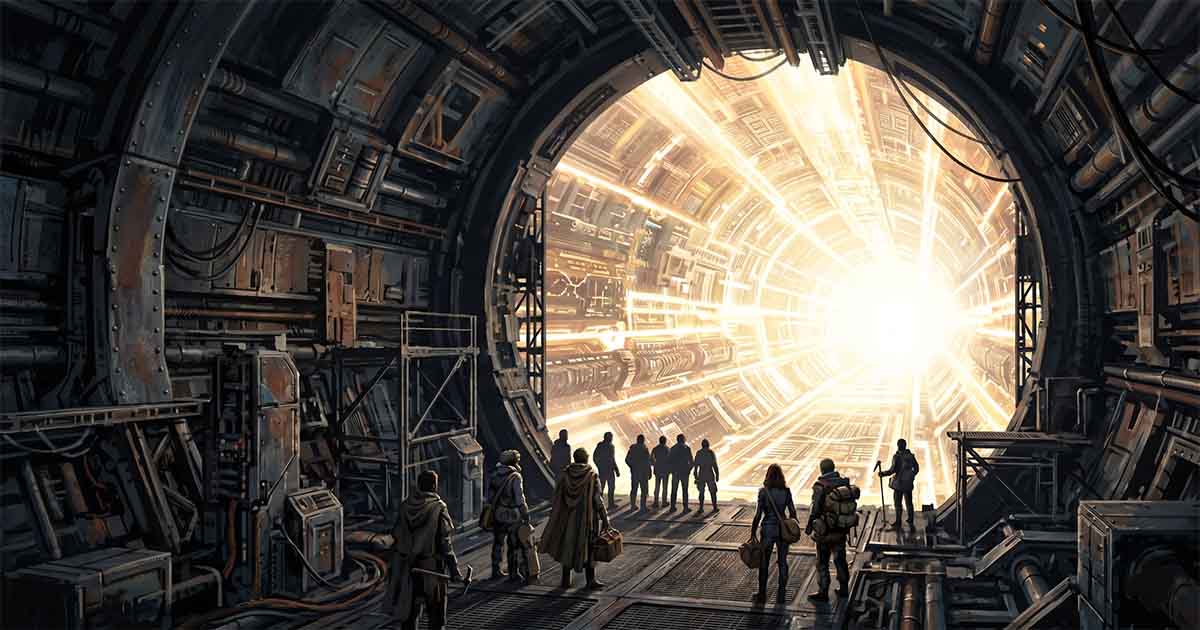
The central idea of "Eon" begins with a simple but powerful image, a massive artificial object hanging in orbit above Earth. This object, known as the Stone, presents itself as both a scientific puzzle and a strategic concern. Its sheer size and apparent design suggest intention rather than accident. From the outset, the novel establishes that this is no ordinary encounter with the unknown.
Bear builds his sense of mystery through careful, methodical revelation. Early exploration proceeds step by step, with scientists and observers uncovering details that raise more questions than answers. Each new discovery shifts the scale of the problem, moving from surface curiosity to deeper uncertainty. This measured approach gives the reader time to absorb the implications, even as those implications begin to widen.
As the investigation continues, the focus moves beyond physical structure into something far more abstract. What begins as an exploration of space and machinery evolves into an exploration of ideas. The Stone no longer serves only as an object to be mapped or measured. It becomes a gateway to concepts that challenge ordinary assumptions about distance, time, and human limits.
This progression invites comparison with Rendezvous with Rama, a work that also centers on the discovery of a vast and mysterious artifact. Clarke presents his object as something to be observed and studied, with an emphasis on restraint and clarity. Bear, by contrast, pushes beyond observation into speculation. His object does not remain a puzzle to be solved, but expands into a framework that reshapes the story itself.
The strongest result of this approach is a sustained sense of wonder. The novel repeatedly enlarges its own scope, asking the reader to accept new scales of thought with each step forward. This quality defines the book's appeal and explains its lasting reputation. Even when the narrative falters, the imagination behind it continues to press outward.
Power, Fear, and Narrow Horizons
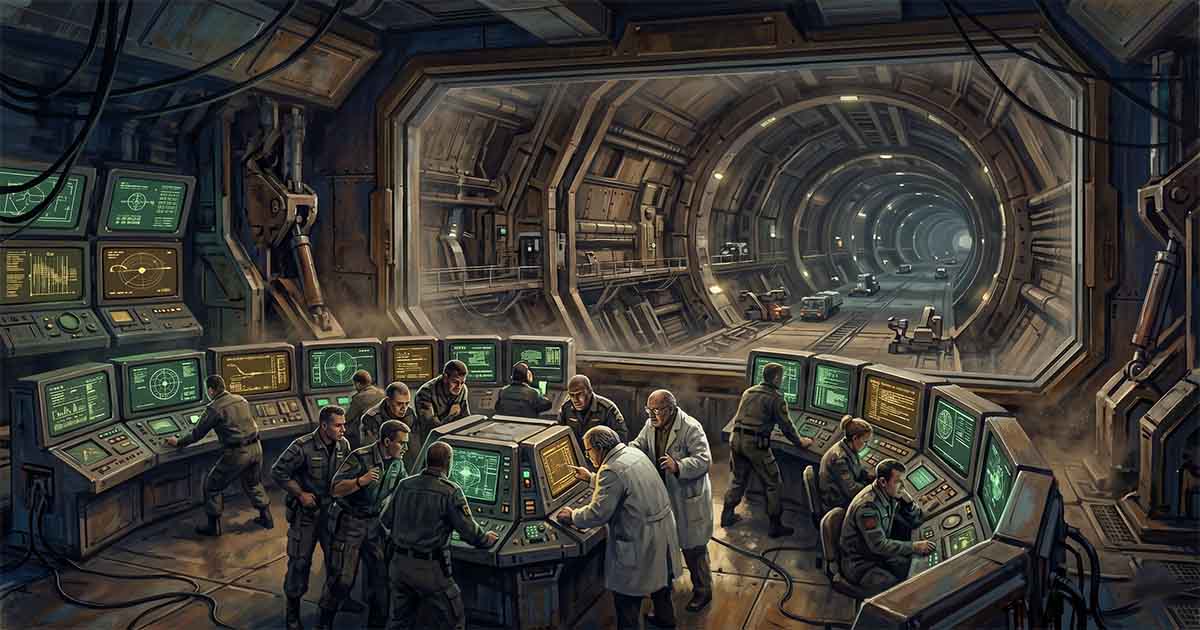
The political framework of "Eon" reflects the late Cold War mindset with steady precision. Governments respond to the Stone not as a shared discovery, but as a contested asset. Each decision passes through layers of suspicion and calculation. This approach grounds the novel in a recognizable reality, even as its central object defies easy understanding.
Bear presents institutions as cautious to the point of paralysis. Military leaders, intelligence agencies, and political authorities all seek control, yet none show confidence in what they control. This uncertainty produces a steady tension that runs beneath the surface of the narrative. It also reveals a deeper truth about bureaucratic systems. They react to the unknown by tightening their grip rather than expanding their view.
Earthbound conflict operates in sharp contrast to the scale of the Stone itself. Leaders argue over access, control, and advantage, while the artifact suggests forces far beyond national interest. This contrast highlights a persistent limitation in human thinking. Men focus on immediate gain even when faced with evidence of something larger.
The novel reflects the anxieties of its era without reducing them to slogans. Nuclear fear, strategic rivalry, and technological competition all shape the response to the Stone. Yet Bear avoids turning the story into a political tract. He shows how people behave under pressure rather than telling the reader what to think about it.
This restraint strengthens the story in its early movement. The political tension gives the narrative a sense of urgency and consequence. It reminds the reader that discovery carries risk as well as promise. At the same time, these conflicts begin to feel narrow as the scope of the Stone expands.
There is a growing mismatch between human concerns and the reality they face. The more the Stone reveals, the less relevant traditional power struggles appear. Political leaders continue to act within familiar limits, even as those limits begin to collapse. This gap between perception and reality becomes one of the novel's quiet themes.
The tension between the local and the cosmic remains unresolved, and that may be the point. Human systems struggle to respond to events that exceed their scale. In "Eon", that struggle becomes part of the drama rather than a problem to be solved. It reinforces the idea that discovery alone does not guarantee wisdom.
Ideas in Motion and Strain
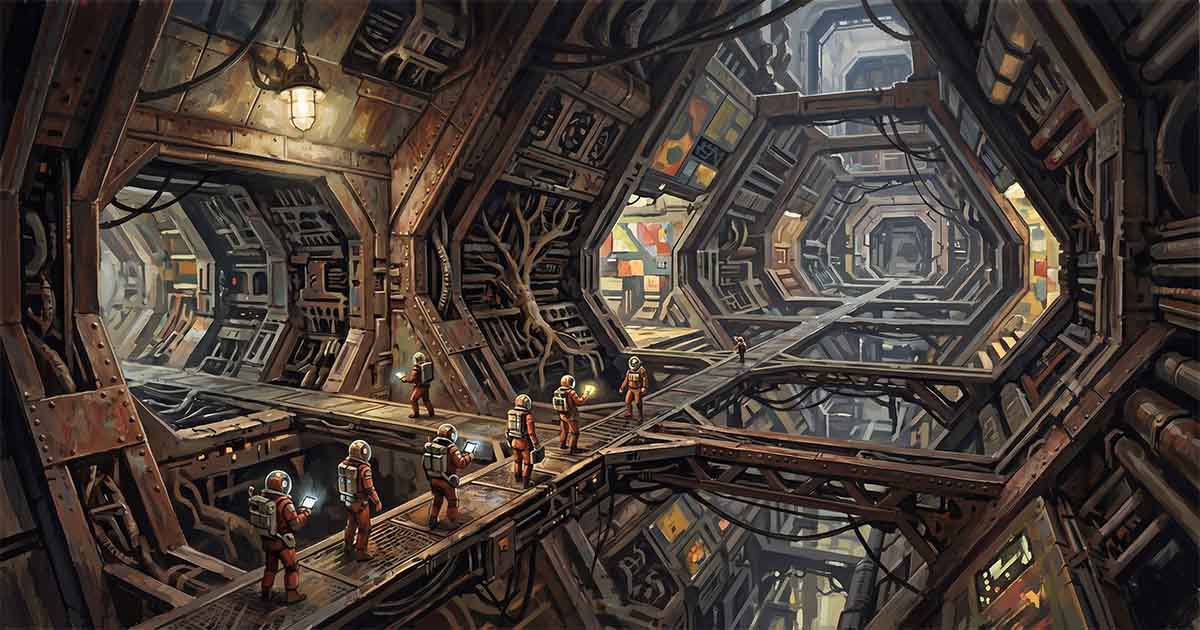
The pacing of "Eon" reflects both its ambition and its limitations. The opening moves at a deliberate pace, with careful attention given to procedure, observation, and setup. This slow beginning builds credibility, yet it can test the reader's patience. As the novel progresses, the tempo increases, sometimes sharply, as new ideas demand space.
This shift creates an uneven rhythm that defines much of the reading experience. Early chapters dwell on detail, while later sections compress large developments into shorter spans. The result is a sense of acceleration that feels earned in concept but rushed in execution. The novel gains momentum, but not always control.
Characterization follows a similar pattern of function over depth. The individuals who move through the story serve clear roles within the larger framework. Scientists analyze, officials decide, and specialists interpret. While they remain distinct enough to follow, they rarely achieve the kind of inner life that anchors the reader.
This approach places the burden of engagement on the ideas rather than the people. Readers who value intellectual exploration will find much to consider. Those who look for emotional investment may find the experience less satisfying. The human element supports the structure, but it seldom drives it.
The density of exposition further shapes the novel's texture. Bear explains his concepts with care, often pausing the narrative to clarify systems and implications. This method reinforces the plausibility of the speculative elements. At the same time, it can slow the flow and create distance between the reader and the story.
These qualities reflect a broader imbalance between concept and cohesion. The novel introduces powerful ideas, yet it does not always integrate them into a unified narrative line. Threads appear, develop, and sometimes fade without full resolution. The structure holds, but it shows strain under the weight it carries.
Critical response has remained consistent on this point. "Eon" impresses with its reach and imagination, yet it remains uneven in execution. Its strengths are clear, and so are its weaknesses. The book succeeds as an exercise in scale, even as it struggles with form.
A Bridge to the Infinite
"Eon" earns its place in the canon as a flawed but essential work of hard science fiction. Its shortcomings are visible and consistent, yet they do not diminish its ambition. Few novels attempt this level of conceptual reach, and fewer still sustain it across so many pages. The result is a book that commands respect even when it invites criticism.
The ideal reader for "Eon" is one who values ideas above character drama. A man who enjoys speculation, structure, and scientific possibility will find much to engage him. Those who prefer tightly drawn personalities and emotional arcs may find the experience less rewarding. The novel makes its priorities clear and does not attempt to satisfy every expectation.
Within the broader tradition of large-scale speculative fiction, "Eon" holds a firm position. It follows in the path of works like Rendezvous with Rama while pushing further into abstraction and scope. Where earlier novels present wonders to be observed, Bear presents systems to be understood. This shift marks an important step in the evolution of the genre.
The lasting contribution of "Eon" lies in its willingness to expand the boundaries of imagination. It challenges the reader to think beyond familiar limits and to consider possibilities that resist easy explanation. In doing so, it reinforces one of science fiction's oldest strengths. The genre at its best does not comfort, but enlarges.