
The Future Worth Defending
As America marks 250 years of independence, we explore why classic science fiction has always celebrated courage, duty, and hope in the face of impossible odds.

This Week in Classic Science Fiction
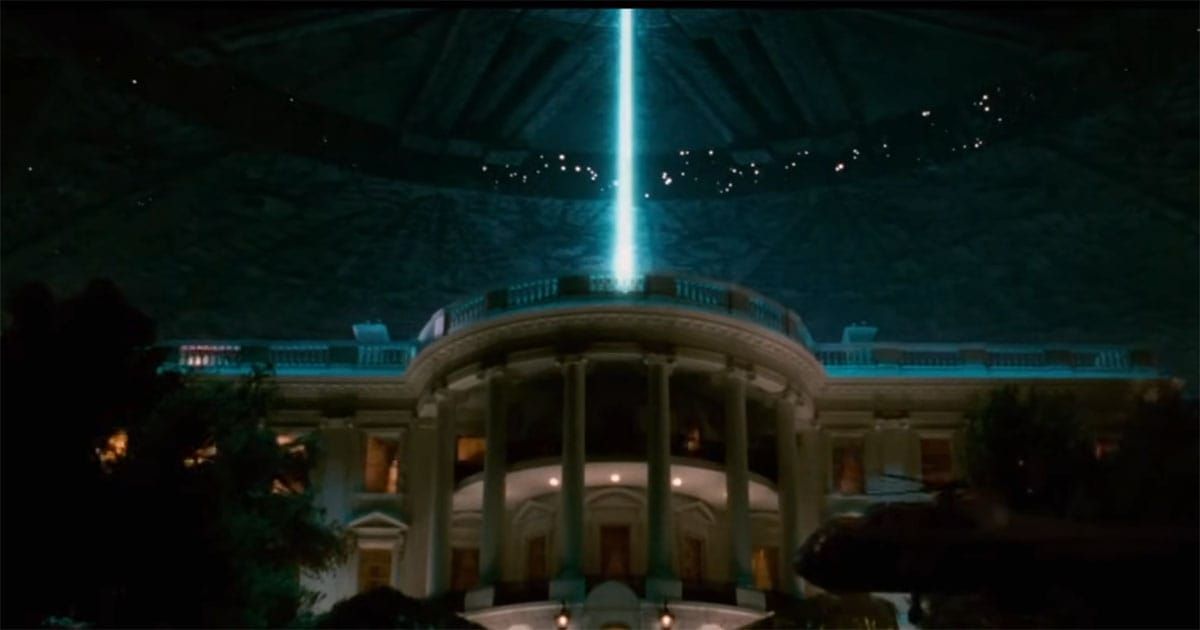
As America prepares to celebrate 250 years of independence, science fiction fans have a memorable anniversary of their own. On July 2, 1996, the giant alien mothership in "Independence Day" arrived in Earth orbit and took up position above the world's greatest cities. The sight of those immense shadows drifting over familiar skylines signaled that humanity was about to face its greatest challenge.
The opening unfolds with remarkable patience. Governments search for answers, scientists struggle to understand the visitors, and millions of people gather beneath the hovering ships, hoping for peaceful first contact. That sense of curiosity slowly gives way to dread as David Levinson discovers the aliens are transmitting a countdown rather than a greeting.
Few opening acts in modern science fiction have left such a lasting impression. Instead of rushing into explosions and battles, "Independence Day" first captures the uncertainty of a world confronting the unknown. By the time the truth becomes clear, both the characters and the audience understand that life on Earth is about to change forever.
Nearly three decades later, the arrival of the alien fleet remains one of the defining fictional dates in science fiction. As our nation marks its 250th birthday, it is fitting to remember a story that celebrated courage, determination, and the belief that men can unite when freedom is threatened. That enduring spirit makes "Independence Day" a memorable way to begin Independence Day week.
Sponsored by: The Pilot Beneath the Twin Moons Sci-Fi T-shirt

Not every hero stands beneath an alien mothership. Some stand alone on the flight deck of a distant star carrier, preparing for another mission beneath unfamiliar skies. "The Pilot Beneath the Twin Moons" celebrates the quiet courage that has defined military science fiction for generations. If this week's article reminded you why ordinary men become heroes, this design belongs in your collection.
When Ordinary Men Become Heroes
On July 2, 1996, the skies over Earth changed forever. In "Independence Day," a colossal alien mothership slipped silently into orbit while enormous saucers took up position above the world's greatest cities. Men looked skyward in wonder, uncertain whether they were witnessing the dawn of a new age or the beginning of the end.
For a brief moment, hope outweighed fear. Scientists searched for answers, world leaders weighed their options, and crowds gathered beneath the silent ships expecting history to unfold before their eyes. Then the unsettling truth emerged. The visitors had not come in peace. They had come to conquer.
Yet the story of "Independence Day" is not really about alien technology or city-sized spacecraft. It is about ordinary men who find themselves facing impossible odds and choose courage over surrender. Like the best classic science fiction, it reminds us that history is often shaped not by extraordinary men, but by common men who rise when the moment demands it.
The Unlikely Hero
One of the enduring strengths of classic science fiction is its choice of heroes. Instead of legendary warriors or larger-than-life adventurers, these stories often begin with common men living familiar lives. When the impossible arrives, they do not possess special powers or secret knowledge. They simply decide to meet the challenge before them.
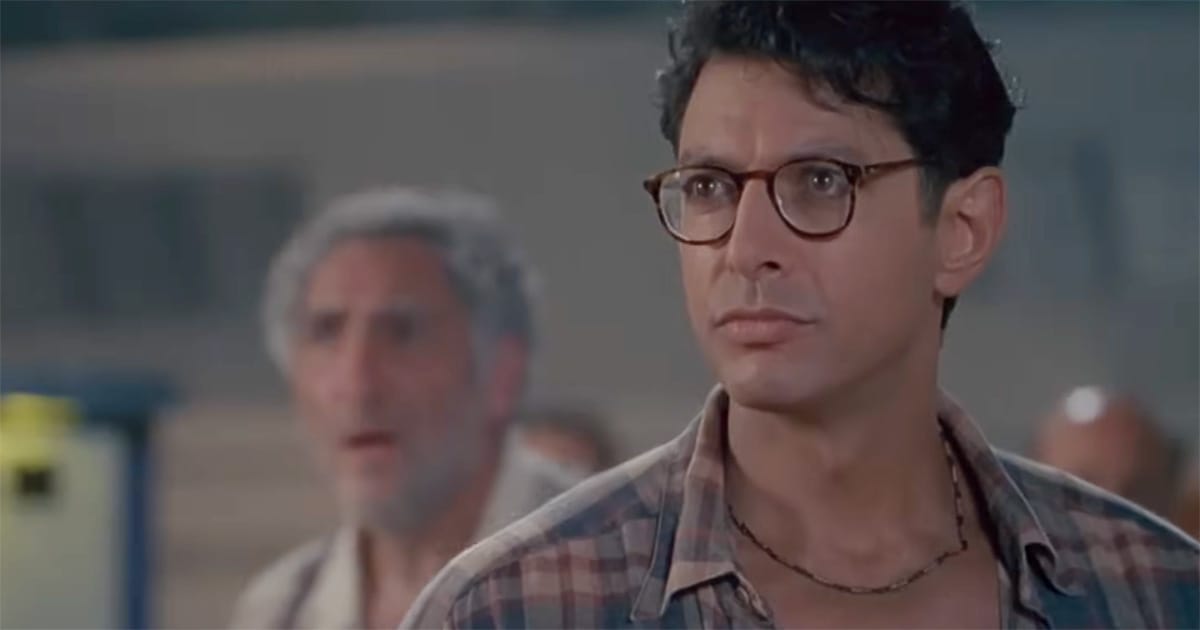
"Independence Day" follows that tradition from its opening scenes. David Levinson is a brilliant satellite engineer who works for his father's cable television company. Marine Corps Captain Steven Hiller is a skilled fighter pilot, but he dreams of becoming an astronaut instead of making a career in the military. Russell Casse is an aging crop duster whose stories of an alien encounter have made him the subject of ridicule throughout his small town.

None of these men looks like the hero audiences expect at the beginning of the story. One is overlooked, another is still searching for his future, and the third carries the weight of past mistakes. Yet each possesses qualities that matter far more than fame or status. Intelligence, determination, humility, and courage become the weapons that truly count.
Classic science fiction returns to this idea again and again because it reflects an enduring truth. The future is rarely shaped by men who begin as legends. More often, it is shaped by men who discover what they are capable of when history calls upon them.
Courage Is a Choice
The defining moment in classic science fiction rarely comes when a hero discovers a new weapon or a clever invention. It comes when fear gives way to action. Every man reaches a point where he must decide whether to protect himself or risk everything for the good of others. That decision often separates the common man from the true hero.
"Independence Day" offers several memorable examples. President Thomas J. Whitmore refuses to remain safely behind a desk and joins the final mission against the alien fleet. David Levinson boards the captured alien spacecraft, knowing there is every chance he will never return. Russell Casse, dismissed for years as an unreliable dreamer, finds his moment of redemption when he sacrifices himself to destroy the alien weapon that threatens the entire attack.
Classic science fiction has celebrated this kind of courage for generations. The heroes of "The Thing," "Forbidden Planet," and "The Andromeda Strain" all face moments when retreat would be easier than duty. Their victories come not because they are fearless, but because they choose to act in spite of fear.
That is one of the genre's most enduring lessons. Courage is not something a man is born with. It is something he chooses when the moment demands it.
Why These Stories Endure
The special effects that once amazed audiences eventually become dated. Models give way to computer graphics, and one generation's vision of the future becomes another generation's history. Yet the finest science fiction never depends entirely on technology. Its lasting appeal lies in the men at the center of the story and the values they carry with them.
That is why films like "Independence Day" continue to find new audiences. Beneath the alien spacecraft and dazzling visual effects is a story built on courage, duty, sacrifice, perseverance, and hope. Those qualities speak to something deeper than spectacle because they remind us that the character of a man matters more than the machine he commands.
The same idea runs throughout the best of classic science fiction. Whether men are confronting invading aliens, exploring distant worlds, or solving impossible scientific mysteries, their greatest victories are rarely won through technology alone. They succeed because they refuse to surrender, accept their responsibilities, and place the welfare of others above their own.
Perhaps that is why these stories remain as compelling today as they were decades ago. The settings may belong to the future, but the virtues they celebrate are timeless. As long as science fiction remembers that simple truth, it will continue to inspire readers and audiences for generations to come.
The Future Worth Defending
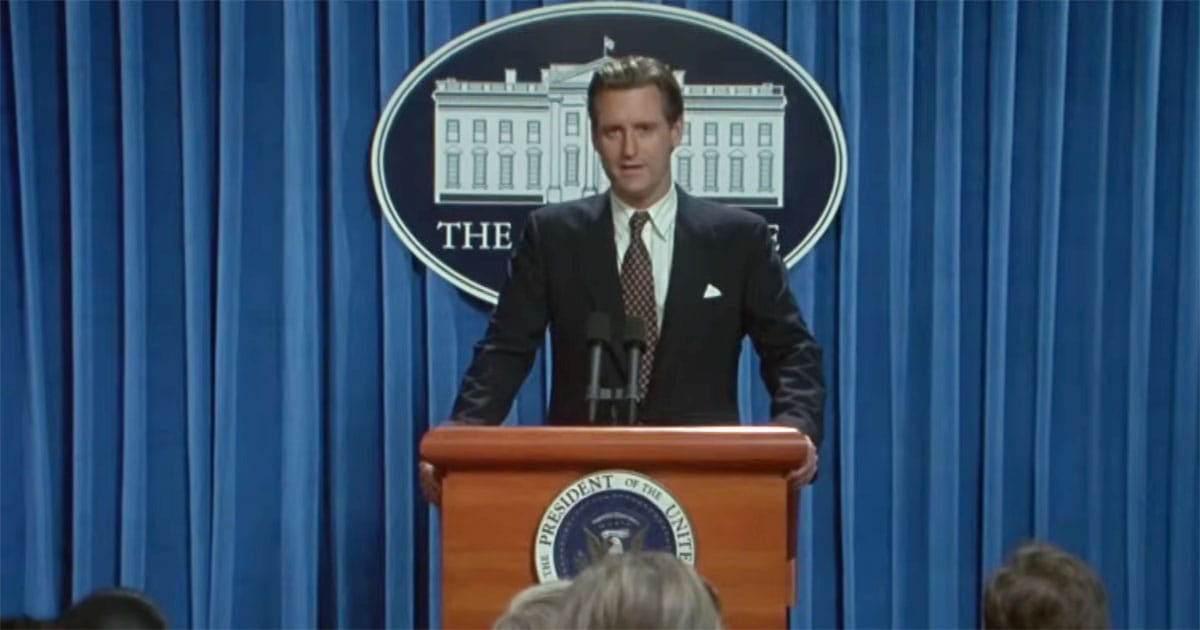
As America celebrates 250 years of independence, it is fitting to remember one of science fiction's enduring truths. The future may bring astonishing technology and unimaginable dangers, but the character of men will always matter more than the machines they build. That lesson has echoed through classic science fiction for generations.
Whether confronting alien invaders, exploring distant planets, or venturing into the unknown, the greatest victories have never belonged to the strongest weapons alone. They have belonged to men whose courage, duty, sacrifice, perseverance, and hope proved stronger than fear. Those virtues have carried heroes through countless adventures, and they remain as inspiring today as they were when these stories first appeared.
That is why "Independence Day" continues to resonate nearly three decades after its release. Beneath the spectacle is a timeless reminder that freedom is worth defending and that character still determines the future. As we celebrate Independence Day and look toward the next 250 years, that may be one of the finest legacies classic science fiction has to offer.
"Independence Day" Trivia
- The alien language seen in the film was created by production designer Patrick Tatopoulos, who also designed the aliens and their biomechanical look.
- The film was nearly titled "ID4." Bill Pullman and Dean Devlin strengthened the president's speech, including the famous final line, partly to help secure the title "Independence Day."
- David Levinson was partly inspired by Christopher Weaver, founder of Bethesda Softworks, who also served as a scientific adviser on the film.