
When Mars Ruled Science Fiction
Long before Mars became a scientific destination, it was science fiction’s greatest frontier. Explore the Red Planet through classic novels, films, and television.


This Week in Classic Science Fiction
On June 1, 1990, science-fiction audiences entered the summer movie season with Arnold Schwarzenegger headed to Mars in "Total Recall."
Directed by Paul Verhoeven and based on a story by Philip K. Dick, the film followed construction worker Douglas Quaid, a man who purchased artificial memories from a company called Rekall. Soon afterward, Quaid discovered that his own identity might itself be artificial. The story turned into a violent chase across a grimy, corporate-controlled Mars filled with mutants, secret agents, and political conspiracies.
What separated "Total Recall" from ordinary action films was its intelligence. Verhoeven combined massive action scenes with classic science-fiction ideas about memory, reality, and personal identity. Audiences came for Schwarzenegger's gun battles and one-liners, but they stayed for the mystery.
The film also arrived near the end of Hollywood's great practical-effects era. Its Martian landscapes, makeup effects, robotic machinery, and explosive decompression scenes were built physically instead of inside computers. More than 35 years later, many fans still believe those effects look better than modern CGI.
Most important, "Total Recall" never fully answers its central question: Was Quaid truly on Mars, or was everything only a manufactured dream?
Sponsored by: Royal General Mars | 로열 장군 화성 | Science Fiction T-shirt
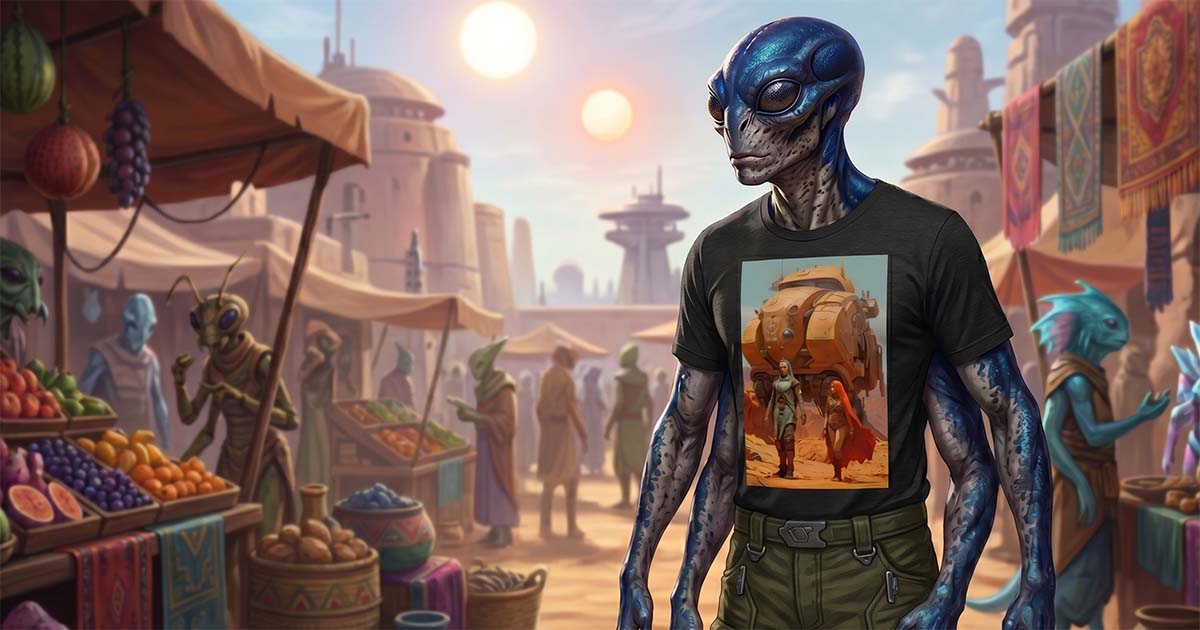
Mars has always been science fiction’s favorite frontier. The “Royal General Mars” T-shirt captures that classic spirit with alien markets, strange worlds, and retro adventure style on soft premium cotton.
The Mars That Lived in the Imagination
When Arnold Schwarzenegger arrived on Mars in "Total Recall" in 1990, he stepped into a science-fiction tradition already nearly a century old. Long before NASA probes photographed the planet in unforgiving detail, Mars existed in the public imagination as a world of ruined cities, hidden civilizations, mutants, rebels, and desperate frontier colonies. For generations of science-fiction fans, the Red Planet represented mystery and adventure in a way the real planet never could.
The real Mars turned out to be cold, barren, and silent. The fictional Mars was dangerous, crowded, and alive. Science fiction did not need Mars to be realistic. Writers and filmmakers needed it to feel possible.
For much of the 20th century, Mars occupied a unique place in popular culture. It was close enough to seem reachable, but distant enough to support almost any idea an author wanted to explore. The planet became a stage for stories about exploration, survival, war, greed, and human ambition.
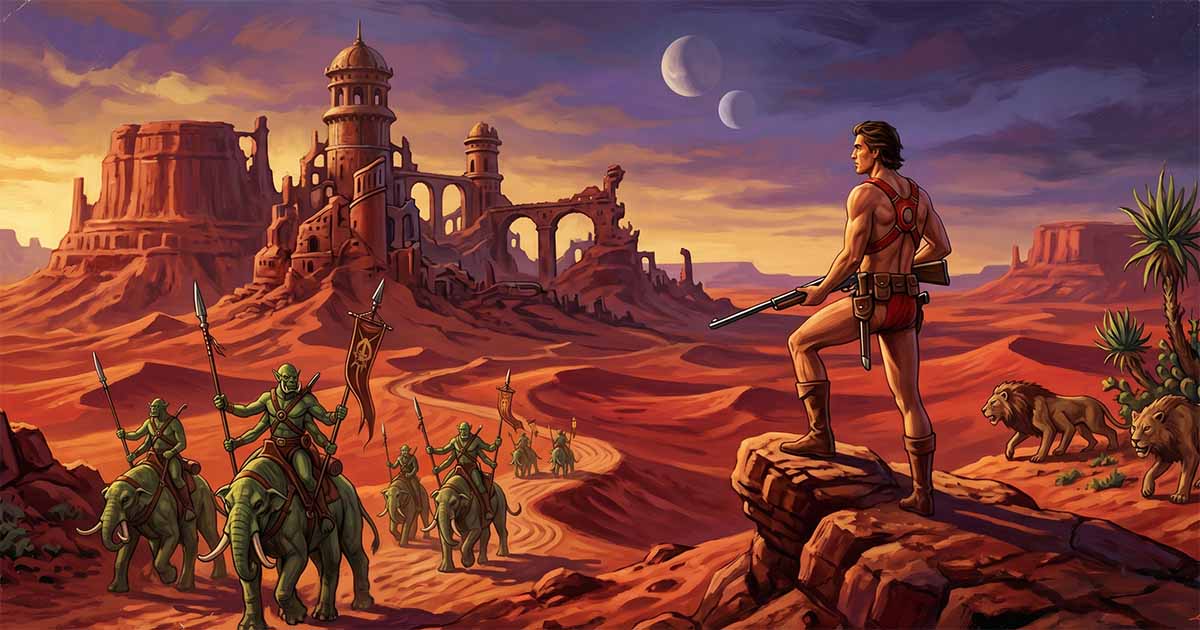
Edgar Rice Burroughs Creates Adventure on Mars
Much of that fictional vision began with "A Princess of Mars" by Edgar Rice Burroughs. Published in 1912, the novel introduced readers to Barsoom, Burroughs' version of Mars. It was a dying world filled with strange creatures, flying machines, ruined cities, and rival civilizations locked in endless conflict.
The hero, John Carter, fought alien warriors with swords rather than ray guns. Burroughs cared less about scientific accuracy than excitement and adventure. Readers embraced the stories because Mars still carried genuine mystery in the public imagination.
At the time, astronomers debated whether intelligent life might exist on the Red Planet. Reports of Martian "canals" appeared in newspapers and magazines throughout the late 19th and early 20th centuries. Even though many scientists remained skeptical, the idea captured the public imagination and gave writers enormous freedom.
Mars became the American frontier transplanted into outer space. Instead of cowboys crossing deserts, science-fiction heroes crossed dead seas and ancient alien ruins. Burroughs helped establish many of the adventure patterns that later appeared throughout science fiction cinema and television.
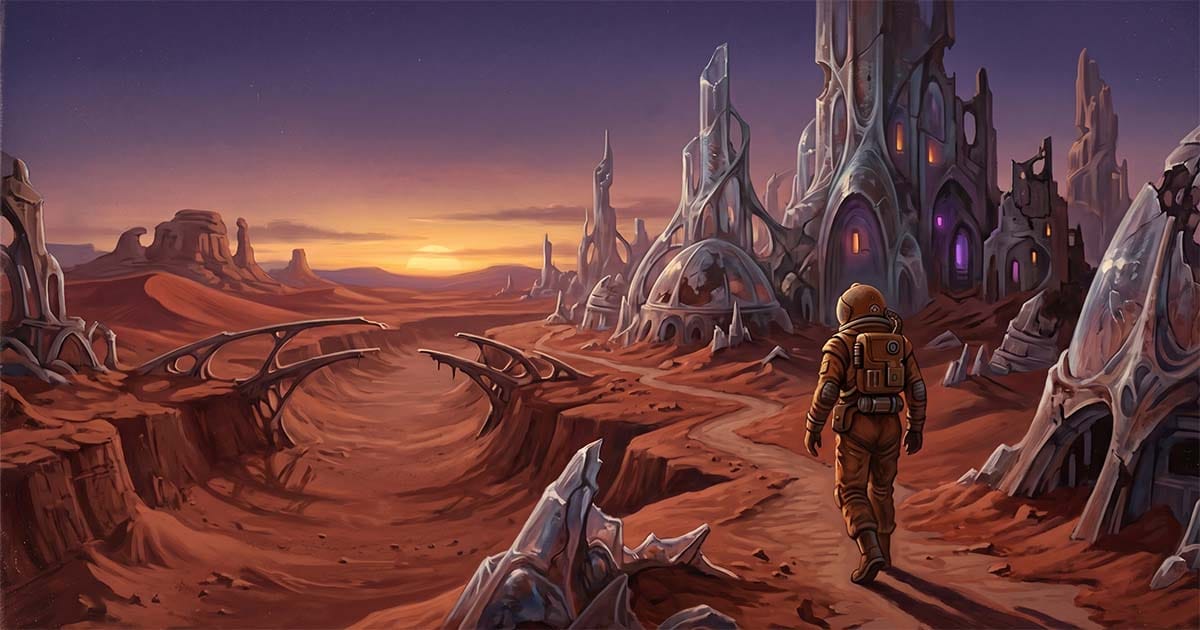
Ray Bradbury's Melancholy Mars
By the 1950s, Mars stories began to change in tone. Science-fiction writers increasingly used the planet to reflect fears and anxieties closer to home. The old pulp adventures remained popular, but many authors wanted science fiction to address larger philosophical questions.
No writer handled this transition better than Ray Bradbury in "The Martian Chronicles." Bradbury's Mars was quiet, lonely, and haunted by dying civilizations. Instead of heroic conquerors, he gave readers isolated colonists, abandoned cities, and human beings struggling with pride, loneliness, and spiritual emptiness.
Bradbury used Mars less as a scientific destination and more as a mirror for mankind. His stories explored arrogance, colonization, cultural destruction, and the fear that modern civilization might lose its humanity. In many ways, "The Martian Chronicles" reflected Cold War America more than outer space.
That shift mattered because science fiction itself was maturing during the 1950s. Mars remained mysterious, but writers increasingly used the planet to explore moral and social concerns instead of simple adventure stories.
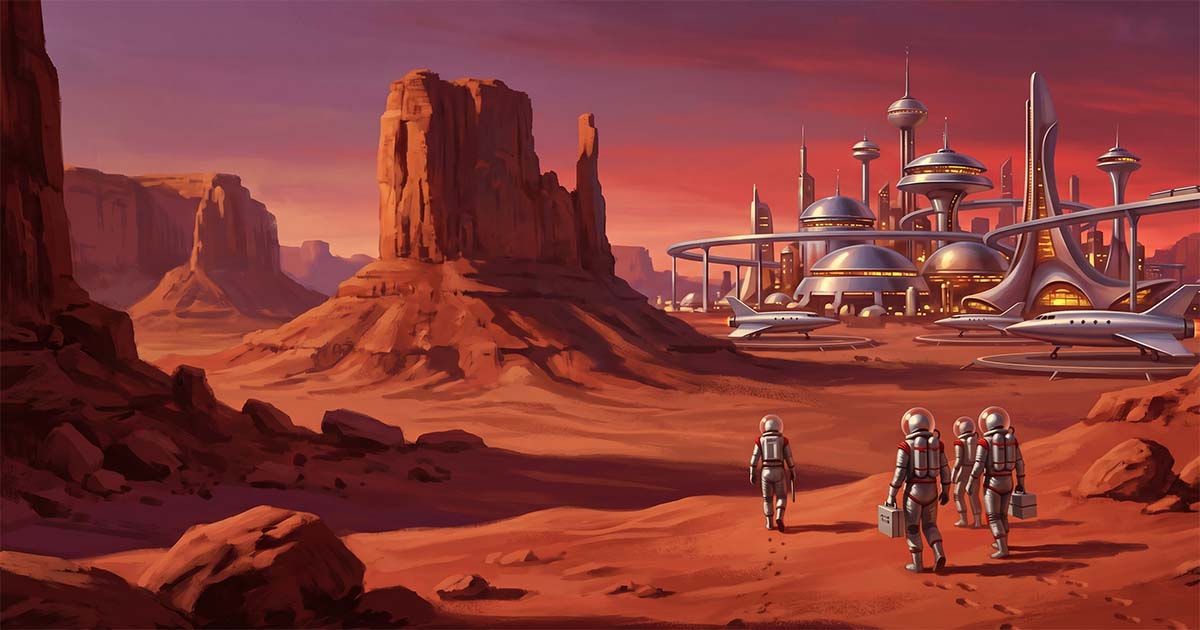
Hollywood Heads to Mars
As film technology improved during the 1950s and 1960s, filmmakers increasingly brought Mars to the screen. Some productions attempted realism, while others embraced spectacle and adventure. Audiences were eager for both.
"Robinson Crusoe on Mars" from 1964 imagined the planet as a harsh survival challenge. The film followed an astronaut stranded on Mars and forced to survive with limited supplies and failing equipment. Unlike many earlier space adventures, the picture attempted to present space travel seriously and realistically.
American audiences responded because the space race was no longer a fantasy. Rockets launched regularly on television, and astronauts became national heroes. Mars suddenly felt closer than it had during the pulp era, even if it remained mysterious.
By the 1970s, however, public trust in institutions began to collapse. Science-fiction films grew darker and more suspicious of governments and corporations. Mars stories evolved along with those cultural changes.
Conspiracy and Corporate Mars
"Capricorn One" from 1977 reflected growing distrust after Watergate and the Vietnam War. The film centered on a faked Mars mission staged by the government after technical failures made a real mission impossible. The threat no longer came from alien invaders. It came from political corruption and public deception.
That darker atmosphere carried directly into "Total Recall." Its version of Mars was crowded, industrial, violent, and corrupt. Instead of noble explorers planting flags, viewers saw mining colonies, criminal gangs, mutants, and ruthless corporate control over basic resources.
The setting worked because it felt worn down and inhabited. Streets looked crowded, machinery appeared dirty, and the colony seemed filled with ordinary working people instead of polished astronauts. In an era before CGI dominated filmmaking, much of that environment was built through practical sets, miniatures, makeup effects, and mechanical props.
Many science-fiction fans still prefer that tactile realism to modern digital environments. The older films may not have been scientifically accurate, but they felt physically real in a way many computer-generated worlds do not.
When Science Replaced Mystery
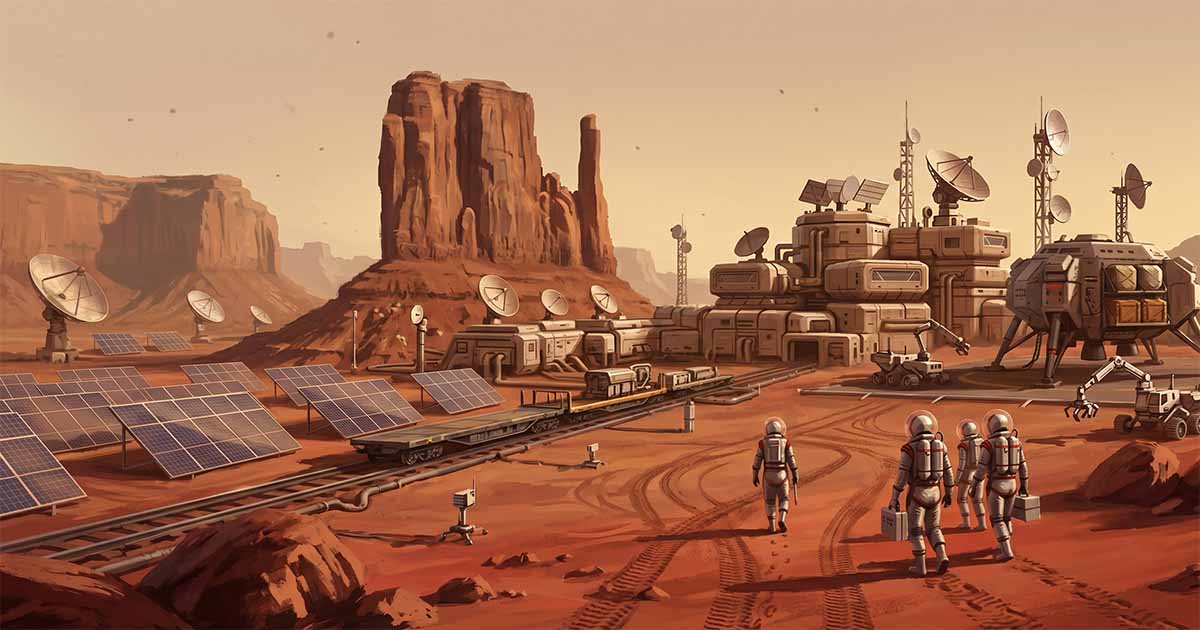
Ironically, real science gradually destroyed much of Mars' fictional mystique. NASA missions revealed a harsh desert world with freezing temperatures, thin atmosphere, and little evidence of advanced civilization. The romantic vision of canals and ancient Martian empires disappeared under satellite photography and scientific data.
Mars became a scientific problem instead of a mythical frontier. Modern Mars stories increasingly focus on engineering, botany, chemistry, and survival. Films like "The Martian" present astronauts solving technical problems instead of battling alien civilizations or uncovering lost cities.
Those modern stories can still be entertaining, but they rarely possess the dreamlike wonder of older Mars fiction. Something important vanished once the planet became fully mapped and explained.
Why the Old Mars Still Matters
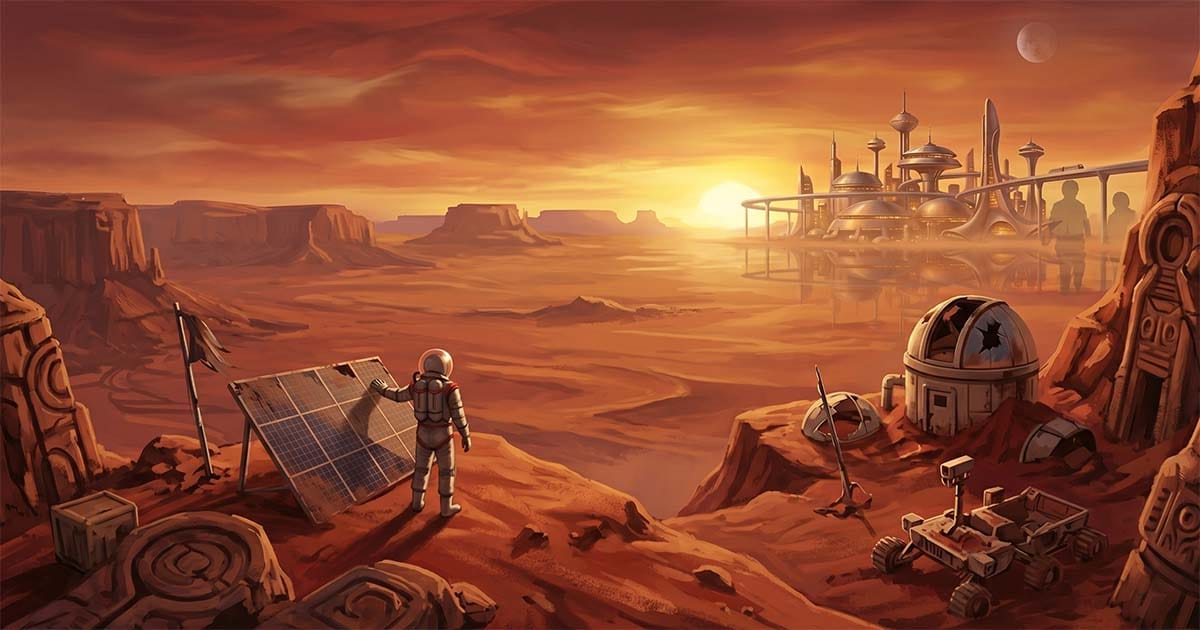
Classic science-fiction writers understood that audiences were not merely interested in another planet. Readers wanted mystery, danger, and the excitement of the unknown. Mars provided a distant stage where mankind could test himself against hostile environments and impossible odds.
The fictional Mars never truly existed, but that was never the point. The planet allowed writers and filmmakers to explore courage, greed, loneliness, ambition, and survival against an alien backdrop glowing red in the night sky.
In spite of everything science has taught us about the real Mars, audiences still return to "Total Recall," "The Martian Chronicles," and the old pulp adventures. Those stories remind us of a time when Mars was not yet fully explained and the universe still seemed wide open.
Mars Trivia
- The famous Martian "canals" that inspired generations of science-fiction stories were likely optical illusions seen through primitive telescopes. Even so, many educated people in the late 1800s believed Mars might contain intelligent life.
- Ray Bradbury had never flown on an airplane when he wrote much of "The Martian Chronicles." His vision of Mars came largely from imagination, libraries, and the deserts of the American Southwest.
- "Robinson Crusoe on Mars" filmed many of its exterior scenes in Death Valley under brutal heat conditions that sometimes exceeded 120 degrees. The harsh environment helped give the film its unusually realistic appearance.
- Early versions of "Total Recall" spent years in development under director David Cronenberg before Arnold Schwarzenegger helped move the project toward the version audiences eventually saw in 1990.