
When Reality Became a Frontier
Classic science fiction turned parallel worlds, mirror universes, alternate histories, and hidden Earths into new frontiers for adventure, mystery, and discovery.

This Week in Classic Science Fiction
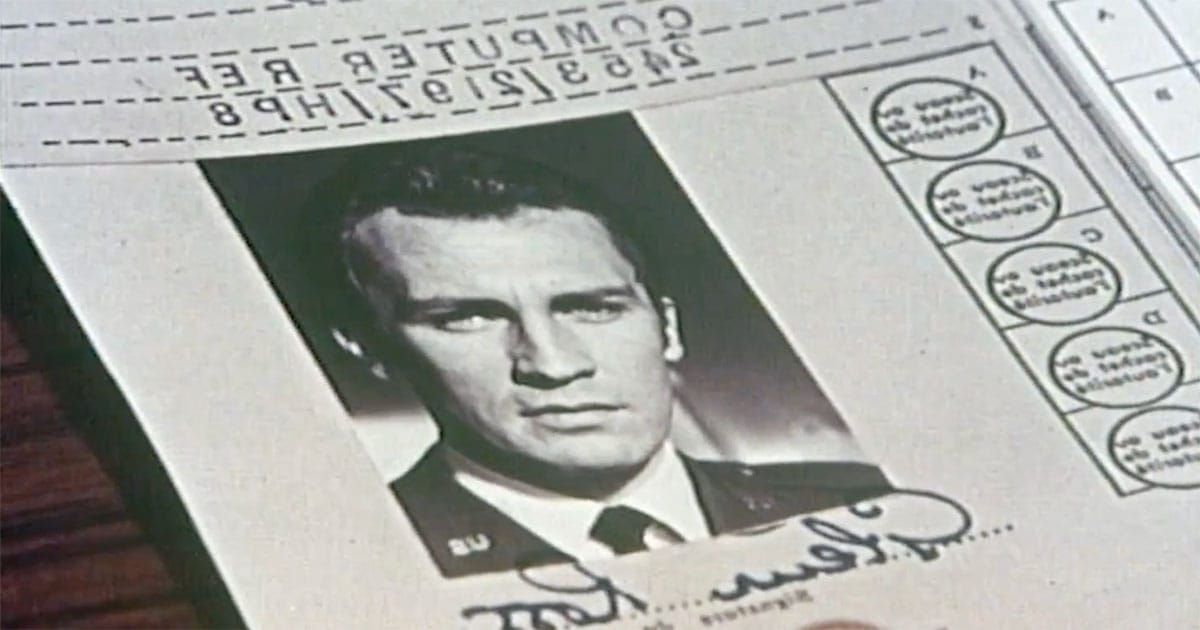
On Aug. 27, 1969, just five weeks after Apollo 11 landed on the moon, American moviegoers got another vision of where space exploration might lead. "Journey to the Far Side of the Sun" premiered in Detroit with a wonderfully strange idea.
Scientists discover another planet sharing Earth's orbit but permanently hidden on the opposite side of the Sun. Astronaut Glenn Ross and scientist John Kane travel there expecting an unknown world, only to find what appears to be a duplicate Earth.
The movie came from Gerry Anderson, already famous for "Thunderbirds" and soon to create "UFO." It also marked his move toward darker, live-action science fiction built around serious technology and unsettling ideas.
Its timing could hardly have been better. Apollo 11 had just proved that men could leave Earth and walk on another world. Science fiction suddenly had to compete with reality.
"Journey to the Far Side of the Sun" responded by pushing past the moon and asking a stranger question. If mankind kept exploring, what might happen when the next world looked disturbingly like home?
Sponsored by: New Red Army Cosmonaut | Новый Космонавт Красной Армии

The New Red Army Cosmonaut T-shirt looks like an artifact from a future imagined during the Space Race. Its fiery artwork blends Soviet-era cosmonaut imagery with the kind of alternate-history adventure that feels right at home beside parallel Earths and worlds that might have been.
A New Frontier
Long before anyone talked about a multiverse, science fiction writers had discovered that adventure could move sideways. Instead of sending a hero farther into space, they could change history, split reality, or imagine another version of the world he already knew.
Murray Leinster explored colliding alternate histories in "Sidewise in Time" (1934), while Philip K. Dick imagined an America divided between victorious Axis powers in "The Man in the High Castle" (1962). Stories like these turned Earth itself into unexplored territory because familiar places could develop under completely different circumstances.
"Journey to the Far Side of the Sun" (1969) belongs beside that tradition, although its other Earth is not literally a parallel dimension. Gerry and Sylvia Anderson used a counter-Earth hidden on the opposite side of the sun to accomplish something similar, making a recognizable world feel unknown without sending the audience across the galaxy. The device also preserved the pleasures of exploration. The astronauts still crossed into unknown territory, but the mystery came from discovering how closely that territory resembled the world they had left behind.
Another Earth
That distinction matters because classic science fiction used several different devices to reach the same storytelling goal. A counter-Earth, an alternate timeline, and a true parallel universe are not the same thing, but each can take an ordinary world and make it strange.
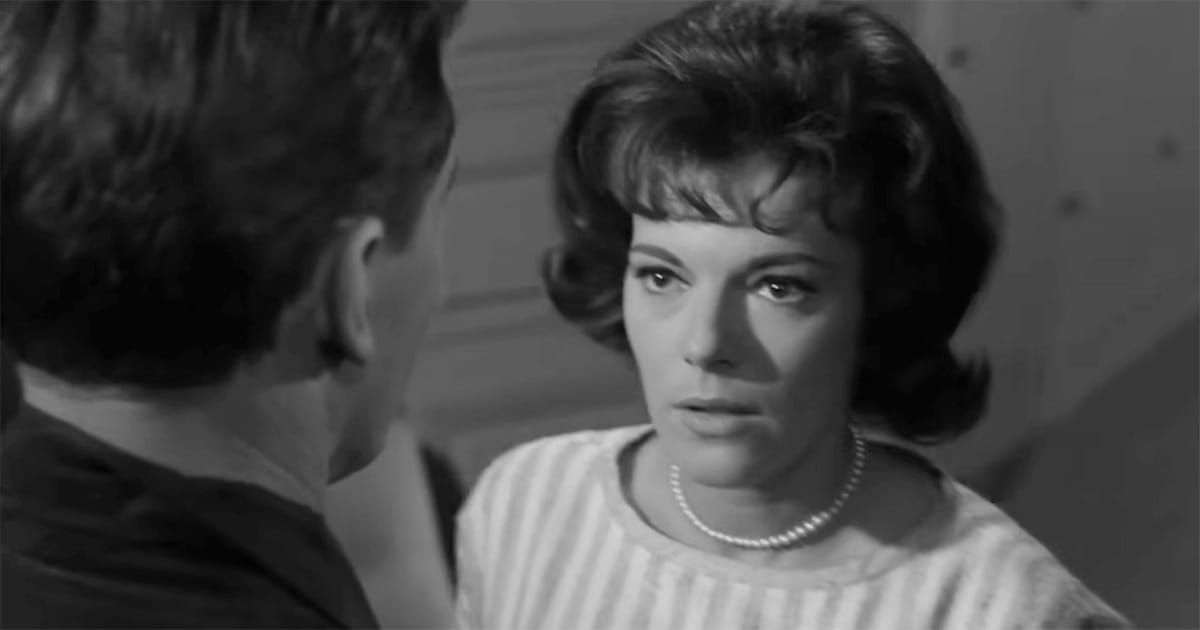
"The Twilight Zone" episode "The Parallel" (1963) follows an astronaut who returns to a world that looks like his own until small differences begin to pile up. "Doctor Who" used a broader version of the idea in "Inferno" (1970), where the Doctor encounters an alternate Britain shaped by authoritarian rule.
The strength of these stories comes from recognition. A writer does not have to explain an alien civilization from the ground up when the audience already knows what Earth, London, or an American household should look like. A changed rank, a different government, or a familiar face behaving in an unexpected way can create immediate tension.
Another Enterprise
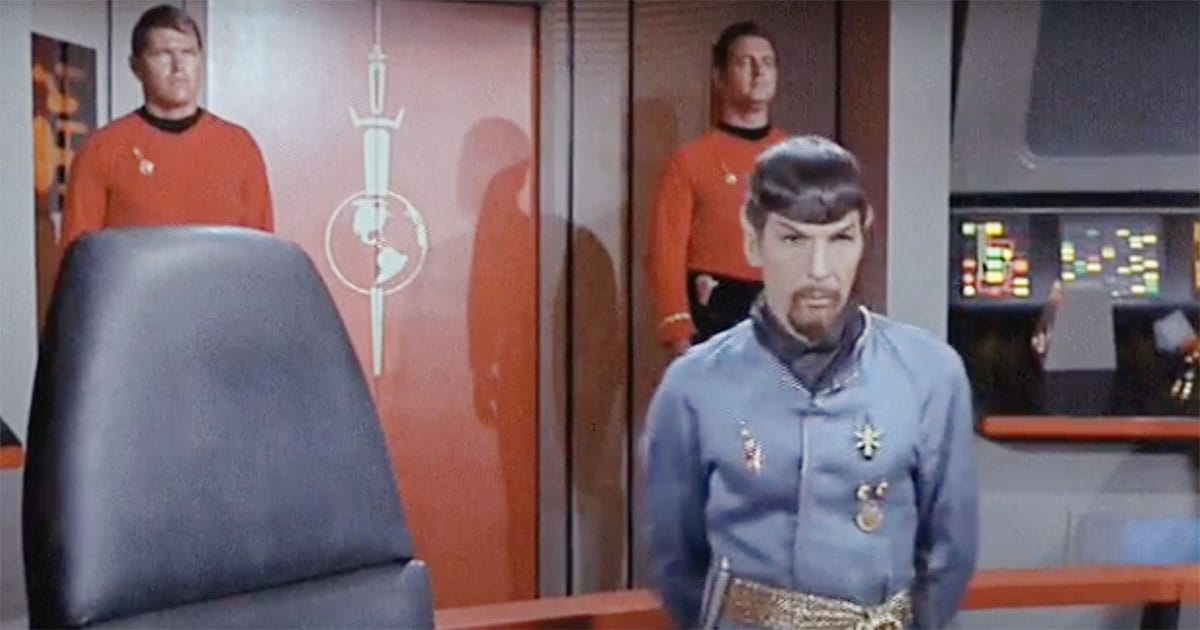
"Star Trek" showed how useful this approach could become. In "Mirror, Mirror" (1967), a transporter accident sends Kirk, McCoy, Scotty, and Uhura to another Enterprise where the peaceful Federation has been replaced by the violent Terran Empire.
The episode works because viewers already know the ship and crew. Spock remains recognizably Spock, but the society around him rewards brutality, ambition, and fear instead of cooperation and exploration. The Enterprise has not become alien in appearance, yet it feels dangerous because its moral order has changed.
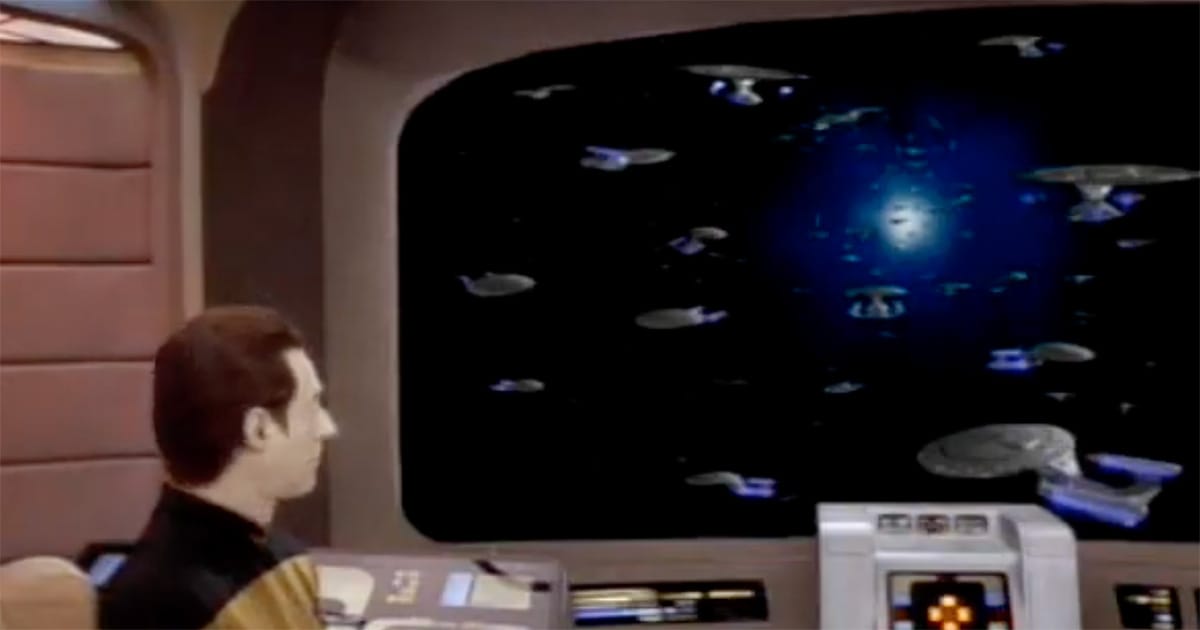
Later "Star Trek" series kept returning to variations on the same idea. "The Next Generation" explored altered histories and parallel realities in stories like "Yesterday's Enterprise" and "Parallels," while "Deep Space Nine" repeatedly returned to the Mirror Universe. The franchise could create fresh adventures without abandoning the characters and settings audiences already loved.
Doors Between Worlds
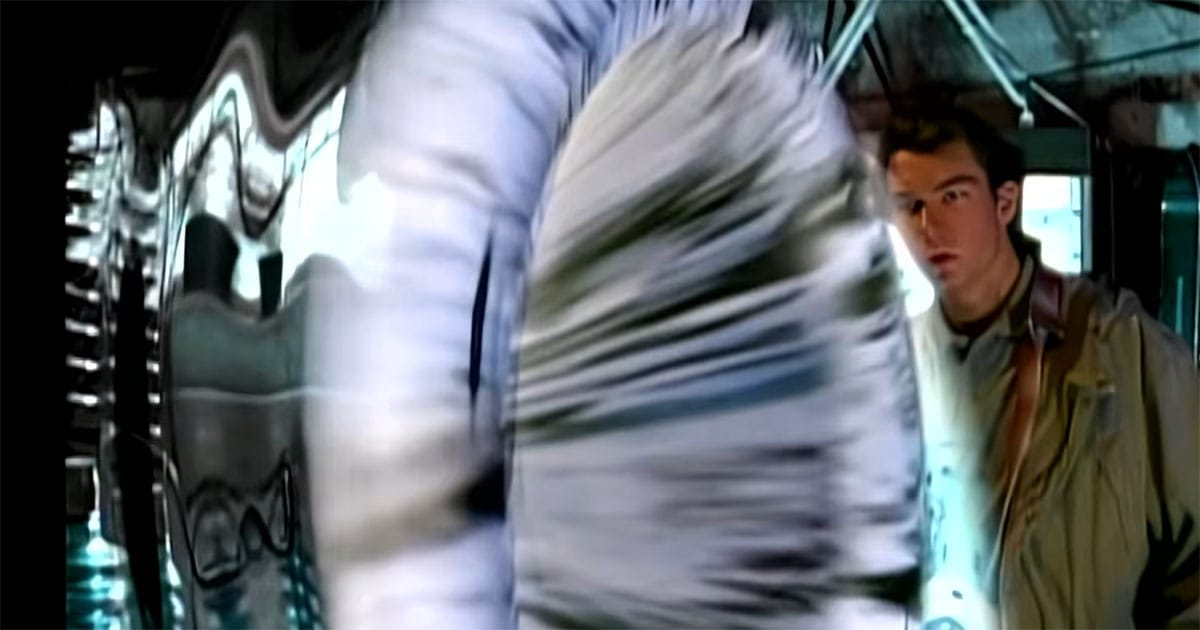
As parallel-world stories became more common, science fiction also developed more ways to reach them. Transporter accidents, dimensional rifts, temporal disturbances, portals, and wormholes all became useful devices, although a wormhole does not necessarily lead to another universe. In many stories, the mechanism mattered less than what waited on the other side. The doorway gave characters a believable reason to cross from the ordinary into a reality governed by different outcomes.
"Sliders" (1995) made movement between parallel Earths the entire premise of the series. Its travelers crossed from one version of Earth to another, finding worlds where politics, technology, disease, or history had developed along different paths.
"Stargate SG-1" explored similar territory in "There But for the Grace of God" (1998), when Daniel Jackson encounters another reality through an alien device. In stories like these, the doorway matters because it turns an abstract possibility into a destination. Once characters can cross the boundary, another reality becomes a place to explore, survive, and escape.
Endless Adventure
Parallel worlds endure because they combine discovery with recognition. Traditional exploration sends a hero someplace unknown, while these stories can make his own world unknown by changing history, morality, technology, or circumstance.
That gives writers enormous freedom. Friends can become enemies, villains can become allies, governments can rise or disappear, and one decision can reshape an entire civilization. The audience understands enough of the world to feel grounded but knows too little to feel safe.
"Journey to the Far Side of the Sun" captured that appeal before modern multiverse stories made alternate realities commonplace. Its counter-Earth was not a parallel dimension in the modern sense, but it used the same essential trick by turning another version of home into unexplored territory.
Science fiction did not have to keep traveling farther outward to find adventure. Once writers learned that reality itself could branch, mirror, or bend, they found a frontier they could explore almost without end.
"Journey to the Far Side of the Sun" Trivia
- The film's original title was "Doppelgänger," a reference to a person's mysterious double.
- The mirror-Earth scenes were filmed normally, then reversed in the final print.
- Eleven cast members later appeared in Gerry Anderson's "UFO," which also reused costumes, vehicles, and models from the film.