
The Great Science Fiction Twist and Why It Worked
From "The Twilight Zone" to "Planet of the Apes," classic science fiction mastered the twist ending. Discover why the best surprises changed everything we thought we knew.


This Week in Classic Science Fiction
On October 2, 1959, CBS aired "Where Is Everybody?" and introduced American television viewers to "The Twilight Zone." Rod Serling's new series opened with a simple mystery as a man wandered through an apparently abandoned town with no idea who he was or where everyone had gone.
Science fiction was hardly new to television, but Serling used it differently. Strange machines, aliens, nuclear war, space travel, and impossible situations often served as ways to examine ordinary human fears and weaknesses. The fantastic premise drew viewers in, while the people gave the story its weight.
That approach produced some of the most memorable stories in television science fiction. "Time Enough at Last" placed a bookish bank teller in the ruins of civilization, while "The Monsters Are Due on Maple Street" showed how quickly ordinary neighbors could turn against one another. "The Lonely" asked whether a machine could become a companion, while "Walking Distance" explored a man's longing for his childhood world.
"The Twilight Zone" ultimately lasted five seasons, but its influence extended far beyond its original run. More than six decades later, its best stories remain effective because Serling understood something fundamental about science fiction. The strangest worlds become believable when the people inside them remain recognizably human.
Sponsored by: Commander Tusk
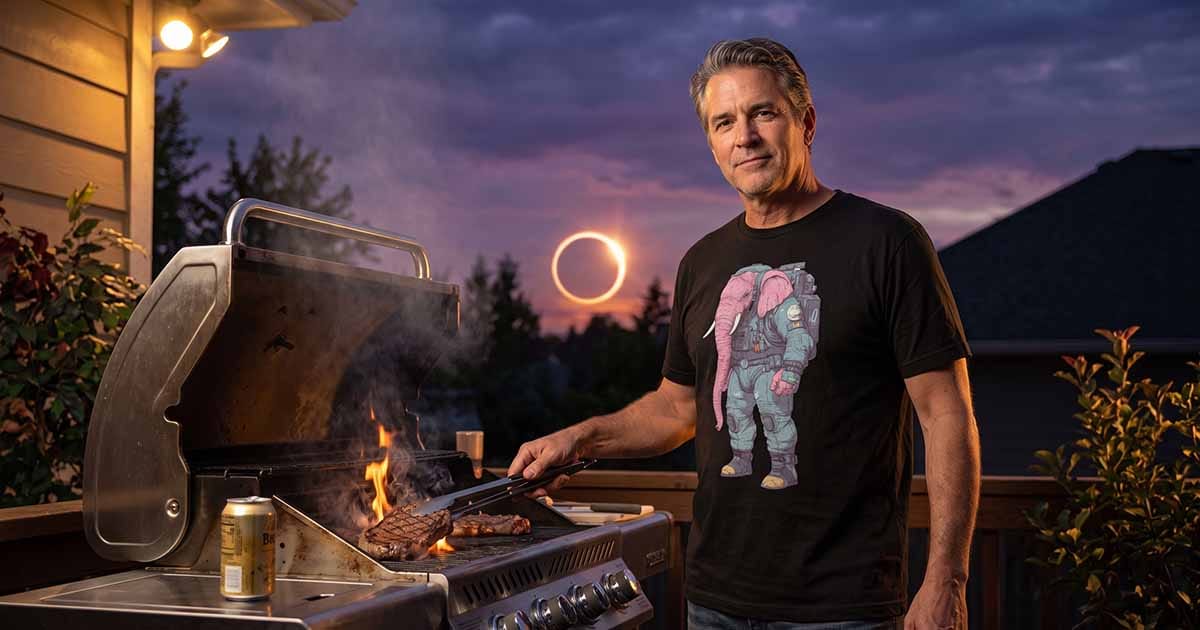
Preferably one with a spacesuit, a sense of adventure, and his own built-in oxygen hose. Commander Tusk is ready for whatever waits beyond the stars. The steaks, however, need another two minutes.
The Ending You Should Have Seen Coming
A good science fiction story asks us to believe the impossible. A great twist ending makes us realize that we have been believing the wrong impossible thing all along. One revelation can suddenly change our understanding of everything that came before it.
"The Twilight Zone" became famous for pulling this trick, but Rod Serling did not invent it. Science fiction writers had spent decades learning how to lead readers toward one conclusion before revealing another. The genre gave them an unusual advantage because they could hide more than a murderer or a secret identity.
A science fiction writer can hide the planet, the time period, the identity of an entire species, or even the nature of reality. The audience fills in the missing pieces based on familiar assumptions. The best writers then use those assumptions against us.

Before "The Twilight Zone"
The science fiction magazines provided an ideal home for this kind of storytelling. Writers working with only a few pages needed to establish an idea, complicate it, and provide a memorable payoff before the reader turned to the next story.
Fredric Brown became particularly skilled at this kind of compression. His 1954 story "Sentry" follows a soldier fighting a repulsive alien enemy on a distant world. Only at the end does Brown reveal that the soldier is the alien and the supposedly hideous creature he kills is human.
The trick works because Brown allows the reader to supply information that the story never provides. We naturally identify with the narrator and assume that the alien he describes must be the alien from our perspective as well. Brown does not need to lie because the reader does most of the work for him.
Other writers learned the same lesson. Damon Knight's 1950 story "To Serve Man" eventually provided "The Twilight Zone" with one of its most famous examples. By the time television discovered the technique, magazine writers had already learned that the most satisfying surprise often comes from an assumption hiding in plain sight.
"The Twilight Zone" Perfects the Trick
Television gave the science fiction twist a new weapon. A writer could still manipulate words, but a director could also manipulate what the audience saw and, just as important, what it did not see.
"Eye of the Beholder" builds its deception visually. The camera carefully avoids showing certain faces while doctors attempt to correct a woman's supposed deformity. When those faces are finally revealed, the audience discovers that its assumptions about beauty and normal appearance have been reversed.
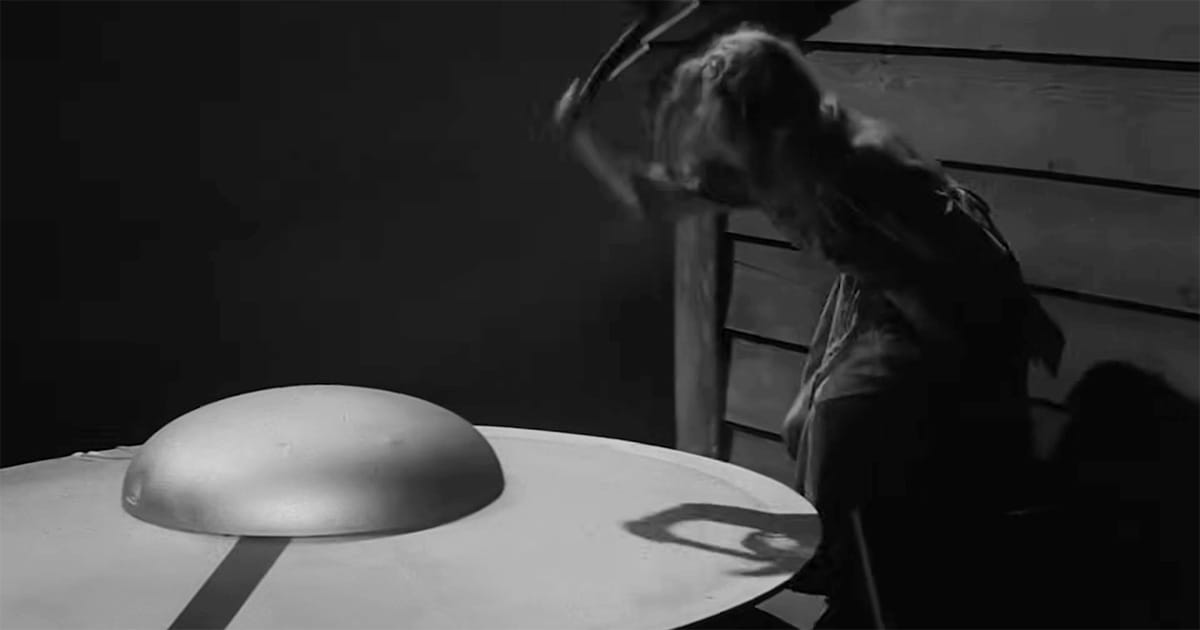
"The Invaders" uses perspective instead. A frightened woman battles tiny intruders inside her isolated farmhouse, and viewers naturally assume they're miniature aliens. The ending reveals that the tiny invaders are human astronauts and that the apparently ordinary woman belongs to a gigantic alien race.
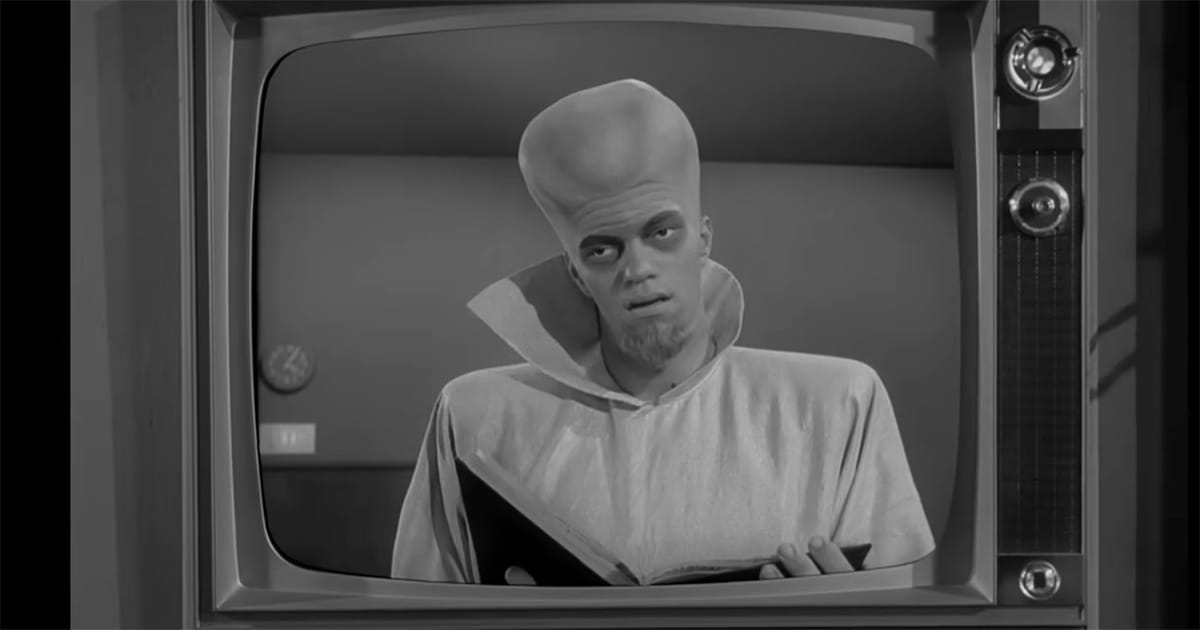
"To Serve Man" finds its deception in language. Benevolent visitors arrive with advanced technology and a book whose title appears to confirm their peaceful intentions. Its title is accurate, but not in the way humanity assumes.
These endings work because the revelation does not destroy the preceding story. It completes it. The audience discovers that the clues were present, but their meaning was misunderstood.
When the Twist Gets Too Clever
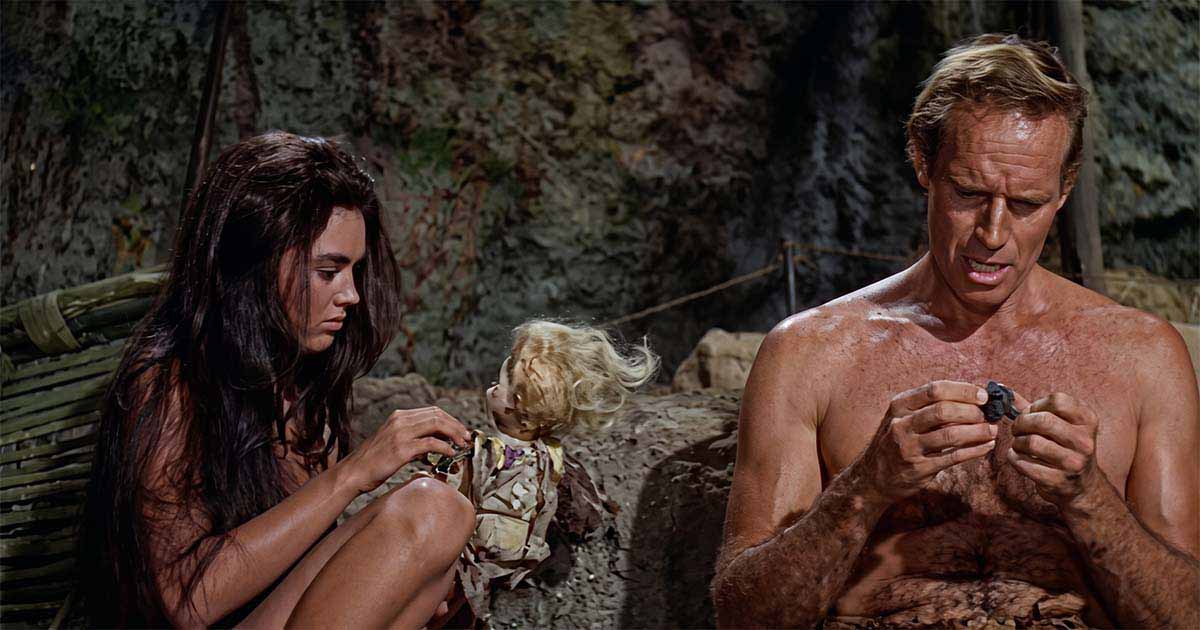
"Planet of the Apes" (1968) carried the technique onto the big screen with one of science fiction's most famous final images. Taylor spends the movie believing that he has landed on a distant planet where apes dominate primitive humans. The audience accepts the same explanation.
Then Taylor discovers the ruined Statue of Liberty. He has been on Earth all along, and the strange world is the remains of his own civilization. The final image does not introduce a new world but reveals the true identity of the world we have already seen.
The success of twists like these eventually created a problem. Audiences learned the game. Instead of simply following the story, experienced viewers began looking for the concealed robot, disguised alien, false reality, hidden simulation, or other revelation waiting in the final minutes.
That temptation can hurt the storyteller as much as it can hurt the audience. A writer determined to produce an unpredictable ending can withhold essential information, introduce new facts at the last moment, or contradict earlier scenes merely to preserve the surprise.
A bad twist tells the audience that it could never have known the truth. A great twist produces a much more satisfying reaction. We did not see it coming, but we realize that we could have.
The Second Time Through
The real test comes when we return to the story. Once we know the secret, the clues become visible, strange dialogue acquires another meaning, and details that once seemed insignificant suddenly matter.
That is why the greatest twist endings survive after the initial surprise disappears. Anyone watching "Planet of the Apes" today probably knows what Taylor will find on that beach, just as many viewers already know the secret behind "To Serve Man." The stories still work because their endings offer more than shock.
Science fiction remains particularly suited to this technique because unfamiliar worlds require assumptions. We have to decide what is normal, who is human, where we are, and which rules govern the world before we can understand the story. Every one of those assumptions gives the writer something to overturn.
The great science fiction twist does not tell us that everything we saw was false. It reveals that everything we saw was true, but we were looking at it the wrong way.
"The Twilight Zone" Trivia
- Rod Serling tested the idea behind "The Twilight Zone" with "The Time Element" in 1958. Desi Arnaz appeared after the broadcast to explain the unusual story to viewers.
- "Eye of the Beholder" used two actresses for Janet Tyler. Maxine Stuart performed the bandaged role, while future "Beverly Hillbillies" star Donna Douglas appeared only after Tyler's face was revealed.
- Richard Kiel, later famous as Jaws in the James Bond films, played the towering Kanamits in "To Serve Man." Split-screen photography allowed two Kanamits to appear together.
- Rod Serling sold his ownership interest in "The Twilight Zone" to CBS before the show's value exploded through syndication. He later acknowledged that selling had probably been a mistake.