
Why the Jedi Trained Children from a Young Age
The Jedi trained children young because they believed early discipline reduced attachment, strengthened emotional control, and made the Force easier to master.

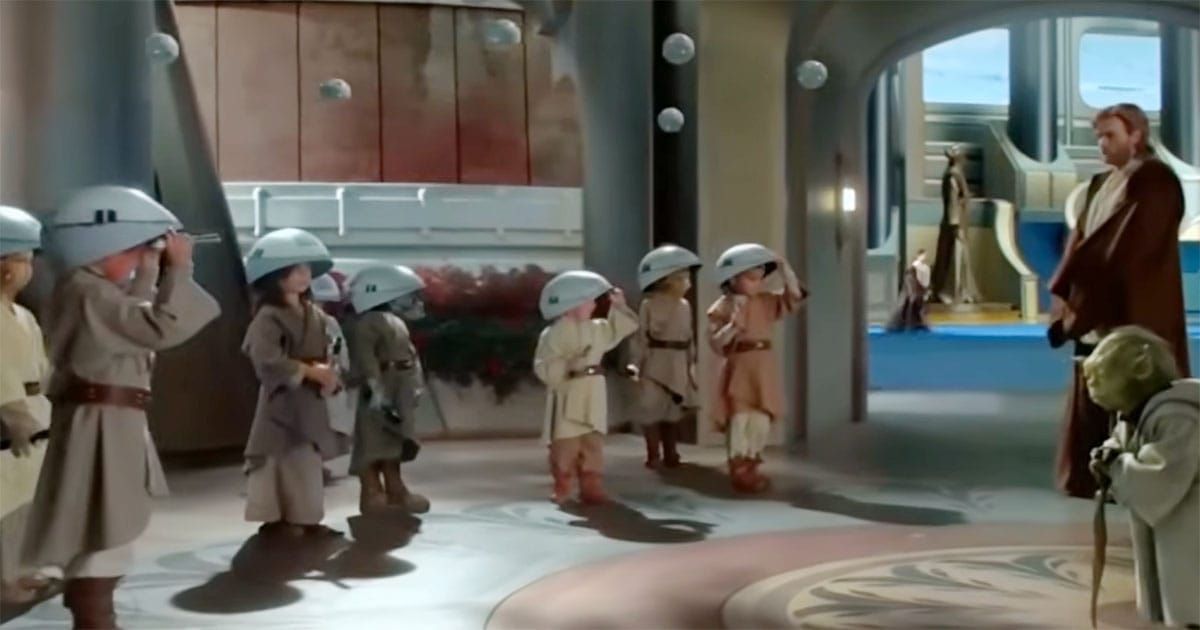
The Jedi Order's practice of training children from a very young age remains one of the most debated traditions in the "Star Wars" saga. To many viewers, it appears unusual that the Jedi accepted infants and toddlers while often refusing older candidates. The policy can even seem harsh when compared with ordinary family life. Yet within the fictional universe, the practice grew from a carefully developed philosophy about the Force, human nature, and the dangers of unchecked emotion.
The Jedi never viewed the Force as a simple source of extraordinary abilities. They believed it was a living energy that reflected the emotional state of the individual using it. A calm and disciplined mind strengthened the light side, while fear, anger, hatred, and selfish desire opened the path to the dark side. Because of that belief, the Order concluded that emotional character mattered even more than natural talent.
Attachment and the Dark Side
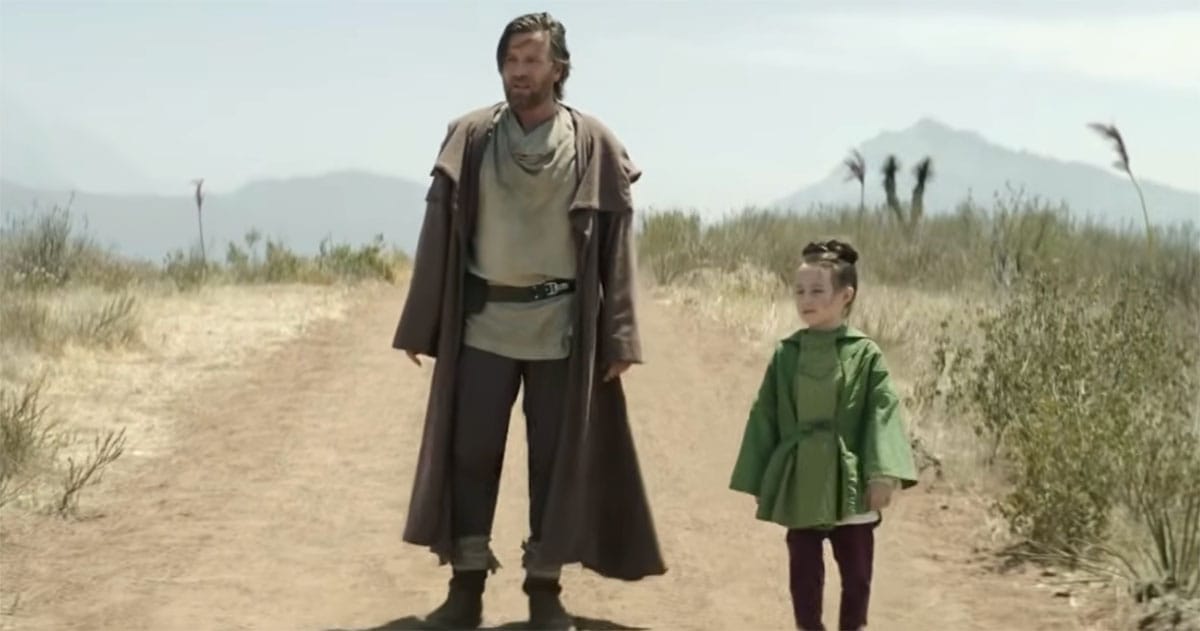
The strongest reason for beginning Jedi training in childhood was the Order's view of attachment. Modern audiences sometimes misunderstand this teaching as a rejection of love itself. The Jedi made an important distinction between compassion and attachment.
Compassion meant caring for others without expecting anything in return. It encouraged kindness, mercy, sacrifice, and service to the greater good. Every Jedi was expected to protect innocent lives because compassion formed the heart of the Order's mission.
Attachment meant something very different. The Jedi used the term to describe possessiveness and the fear of losing someone or something that had become part of a person's identity. They believed attachment could turn love into obsession. Once fear of loss took hold, anger and hatred often followed.
This philosophy appears throughout the prequel trilogy. Yoda warns that fear leads to anger, anger leads to hate, and hate leads to suffering. That lesson reflects centuries of Jedi experience rather than a personal opinion. The Order believed that Force-sensitive individuals experienced emotions more intensely because the Force amplified their inner lives.
For that reason, the Jedi preferred to recruit children before powerful emotional attachments had fully developed. A child raised inside the Temple learned self-control as naturally as reading or speaking. The Jedi believed those lessons became far more difficult once an individual had already formed lifelong habits and loyalties.
The Temple as a School
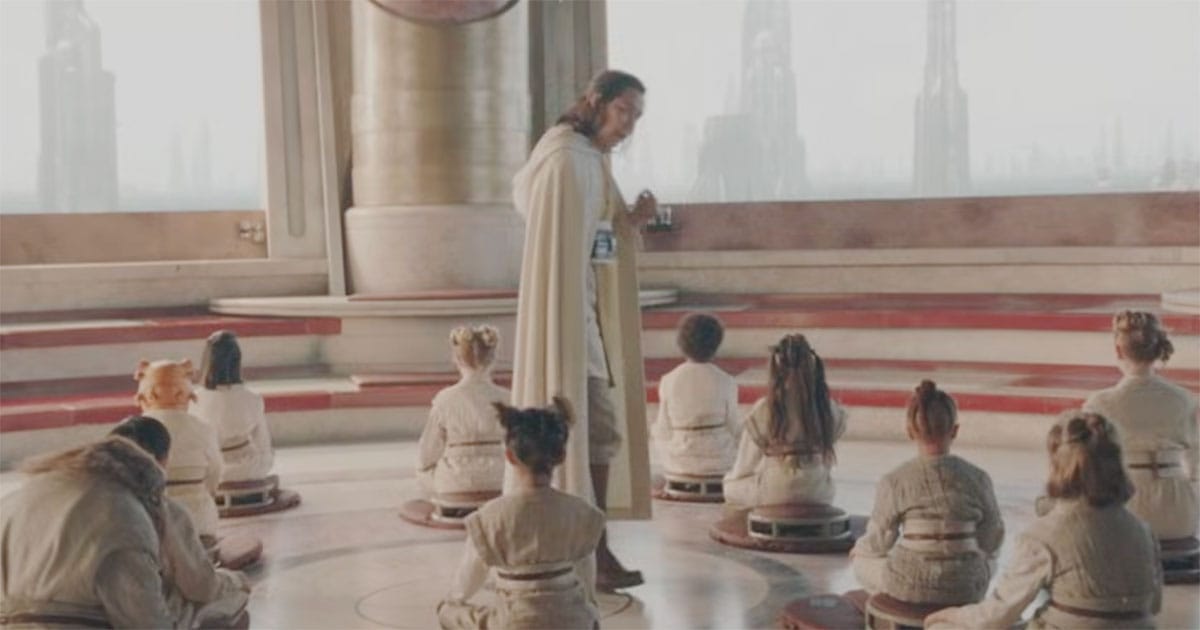
The Jedi Temple served as far more than a military academy. It functioned as a monastery, school, and community where every aspect of daily life reinforced the ideals of the Order.
Younglings received instruction in meditation, philosophy, ethics, diplomacy, galactic history, and physical conditioning. Lightsaber training represented only one part of a much broader education. The goal was not simply to create skilled warriors. The goal was to produce wise guardians capable of resolving conflict without violence whenever possible.
Meditation occupied a central place in Jedi education. Students learned to quiet fear, recognize their emotions, and respond thoughtfully instead of reacting impulsively. These habits required years of practice, which reinforced the belief that training should begin as early as possible.
Younglings also learned alongside other children, creating a strong sense of community. Rather than growing up as isolated individuals, they developed shared traditions, common values, and a collective understanding of what it meant to serve the Republic. The Temple became both their school and their home.

Learning the Force Early
The Jedi also believed that mastery of the Force resembled learning a language or mastering a musical instrument. Children often acquired complex skills more naturally than adults because their minds remained flexible and open to new ways of thinking.
Force-sensitive children sometimes displayed remarkable abilities without understanding what they were doing. They might sense danger before it appeared, display extraordinary reflexes, or unconsciously influence events around them. The Jedi believed these abilities required careful guidance before powerful emotions could shape their use.
Early instruction also encouraged humility. A child who grew up understanding that his abilities existed for service rather than personal gain was less likely to become arrogant or reckless. The Order regarded character as the true measure of a Jedi, while extraordinary power remained a responsibility rather than a reward.

Anakin Skywalker Changed Everything
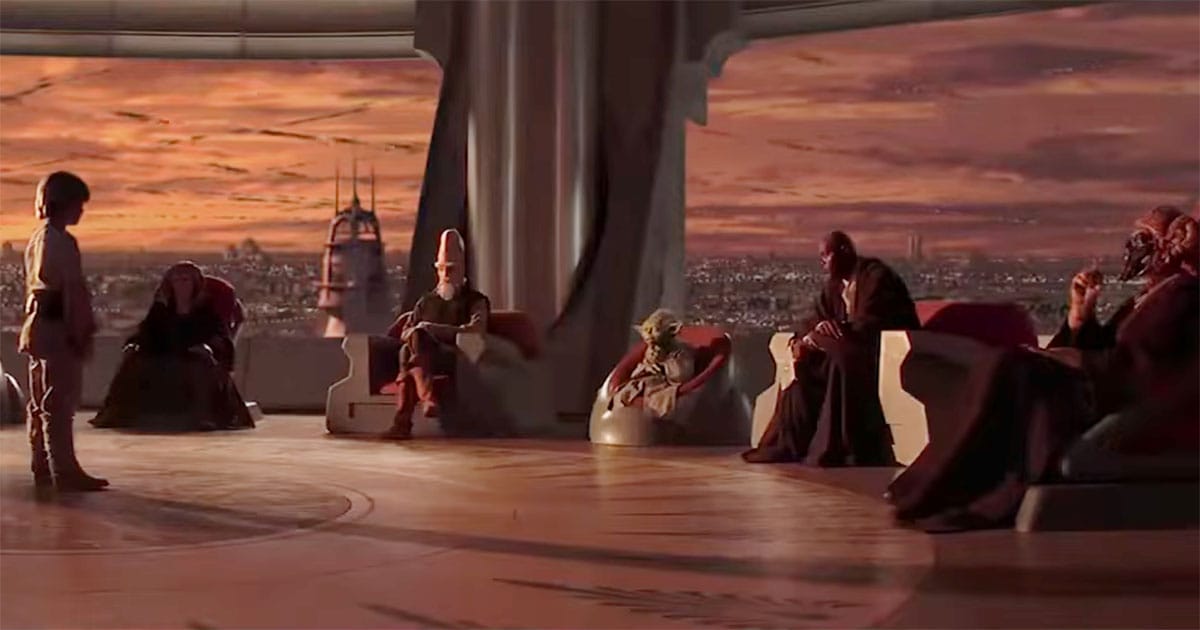
No character illustrates the Jedi philosophy more clearly than Anakin Skywalker in "Star Wars Episode I The Phantom Menace." When Qui-Gon Jinn discovered Anakin on Tatooine, the boy was about nine years old. Although that seems remarkably young by ordinary standards, he was already considered too old by Jedi tradition.
The members of the Jedi High Council recognized Anakin's extraordinary connection to the Force. Their concern centered on his emotional life rather than his abilities. He loved his mother deeply, feared leaving her behind, and already carried emotional wounds that the Jedi believed would be difficult to overcome.
Those concerns proved tragically accurate. Anakin's fear of losing the people he loved became the defining struggle of his life. His attachment to his mother, followed later by his secret marriage to Padmé Amidala, made him vulnerable to manipulation by Darth Sidious. His fall into darkness appeared to confirm the Jedi belief that emotional attachment posed the greatest danger to a Force-sensitive individual.
The Weaknesses of the Jedi System
At the same time, the prequel trilogy invites audiences to question whether the Jedi philosophy had become too rigid. The Order correctly recognized the dangers of fear and obsession, yet it often struggled to help members cope with ordinary human experiences like grief, love, and loss.
The Jedi encouraged emotional restraint but rarely acknowledged how difficult that standard could become. Anakin often felt isolated because he believed he could not speak honestly about his fears or personal relationships. While his choices remained his own, the culture of the Order offered few healthy ways to address the emotions he experienced.
Critics of the Jedi system also point to the separation of children from their families. Although parents generally consented to their children joining the Order, younglings grew up almost entirely within the institution. Their identity, education, friendships, and worldview developed under Jedi supervision from the earliest years of life.
This approach produced generations of disciplined and honorable guardians. It also created an Order that sometimes appeared detached from the ordinary citizens it existed to protect. By the final years of the Republic, the Jedi had become highly respected, yet increasingly isolated from the people they served.

A Different Path
Later "Star Wars" stories suggest that the old rules were not absolute. Luke Skywalker accepted older students after the fall of the Empire, demonstrating that adults could still learn the ways of the Force. While early instruction remained valuable, it was no longer treated as the only acceptable path.
This evolution reflects one of the central themes of "Star Wars." Every generation inherits traditions from the past, but wisdom also requires recognizing when those traditions need refinement. The Jedi Order preserved peace for centuries through discipline and self-sacrifice, yet its greatest strengths sometimes became its greatest limitations.
The Jedi trained children from a young age because they believed emotional discipline, moral character, and mastery of the Force developed most effectively before lifelong attachments became deeply rooted. Their system produced countless noble protectors who devoted their lives to serving others. It also carried significant human costs that later generations of Jedi sought to understand. That balance between wisdom and imperfection remains one of the reasons the Jedi continue to fascinate audiences nearly five decades after "Star Wars" first appeared in theaters.