
10 Science Fiction Wall Art Pieces That Bring the Future Home
Science fiction wall art inspired by classic broadcasts, alien encounters, futuristic cities, lunar worlds, and space adventure, presented through imaginative and atmospheric design.

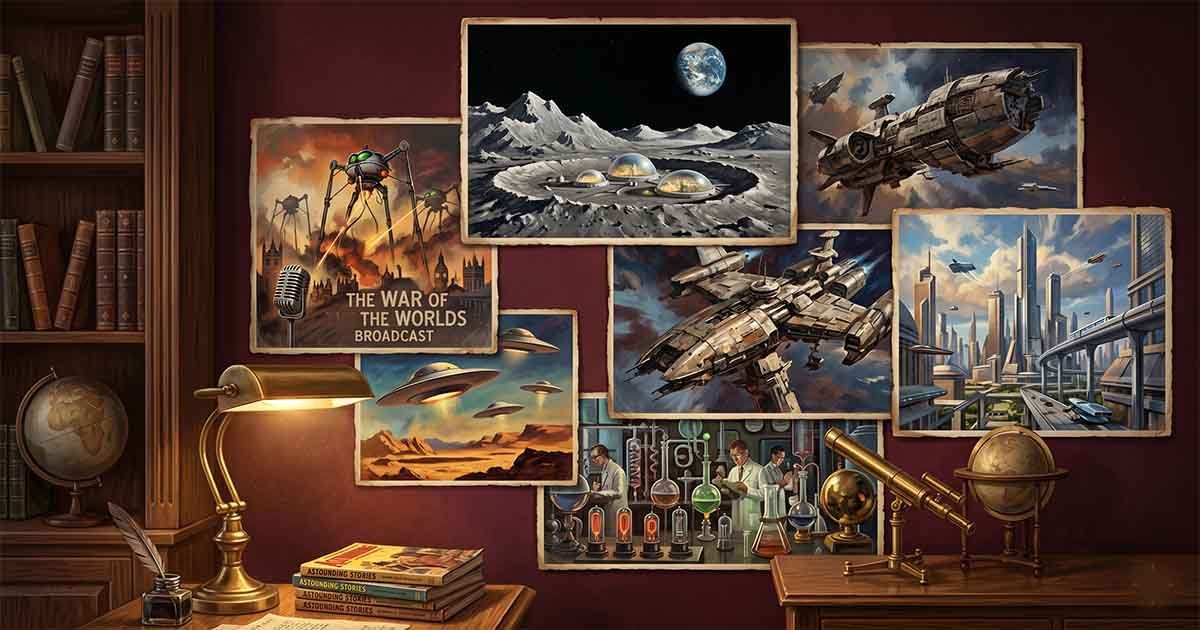
Science fiction has always understood something that modern interior design occasionally forgets. A wall is not empty space. It is a place for ideas.
Long before home theaters and endless digital galleries, science fiction readers and moviegoers surrounded themselves with images of distant planets, towering machines, mysterious visitors, and futures that felt just close enough to imagine. The great visual tradition of the genre never existed only on book covers or theater marquees. It followed fans home.
That tradition remains alive in science fiction wall art. Some pieces draw from the bold drama of classic invasion stories and vintage cinema posters. Others lean into speculative invention, strange architecture, or scenes of confrontation beneath unfamiliar skies. Together they capture the qualities that have always made the genre endure, curiosity, wonder, discovery, and the belief that humanity's story reaches beyond the horizon.
Good science fiction art also has a particular advantage. It creates an atmosphere without demanding attention every second. A study gains a sense of exploration. A library becomes more adventurous. A media room feels connected to the stories that inspired it.
A Broadcast From Mars
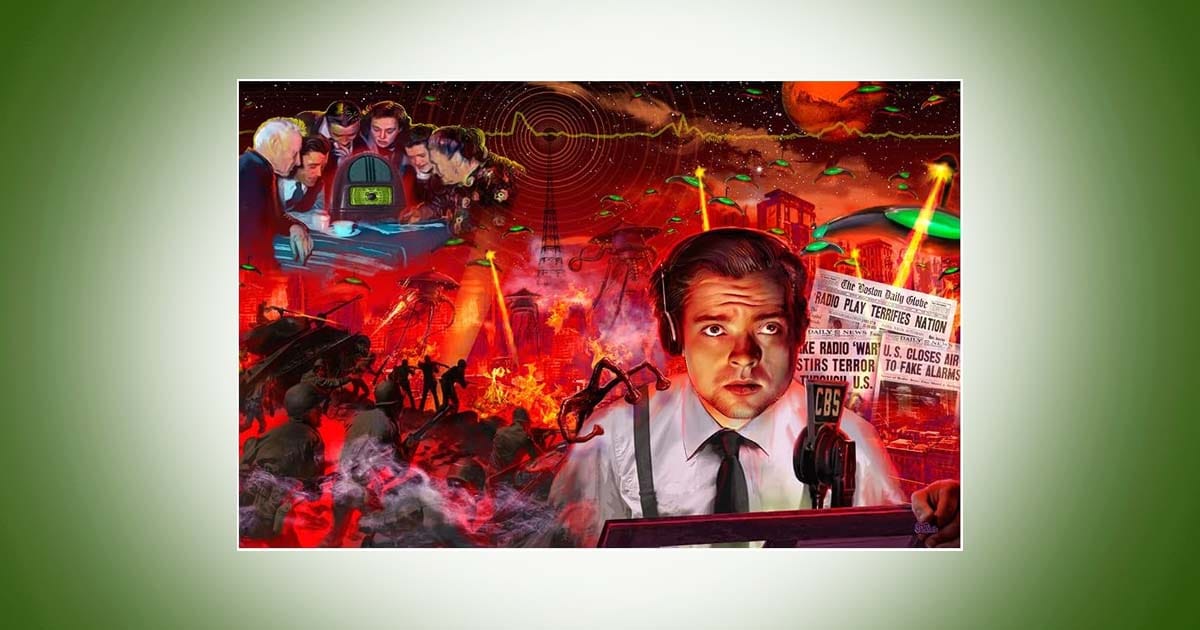
Few moments in science fiction carry the same peculiar power as "The War of the Worlds." This print captures that feeling and turns it into something tangible, recalling a time when impossible news traveled through ordinary speakers and listeners briefly wondered if the world had changed.
The collage aesthetic evokes pulp covers, radio drama, and cinematic mystery. Instead of overwhelming the room, it creates atmosphere and quietly suggests that somewhere beyond the static, the Martians may still be coming.
Evidence of First Contact
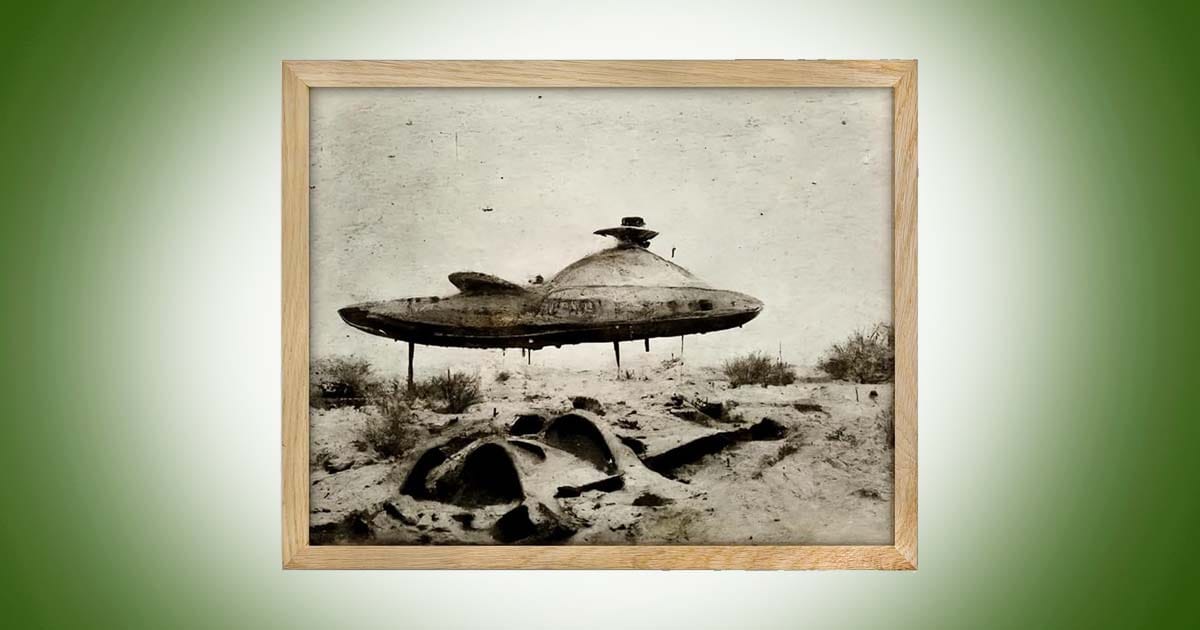
Classic science fiction understood that alien encounters become more unsettling when they arrive quietly. This framed print captures that mood and feels less like a painting than a recovered document from an unexplained event. Its faded aesthetic suggests a world where someone saw something impossible and decided to preserve the evidence.
There is an appealing restraint to the image. Instead of spectacle, it leans into mystery, inviting the viewer to imagine what happened just outside the frame and whether the visitors ever truly left.
The City That Never Arrived
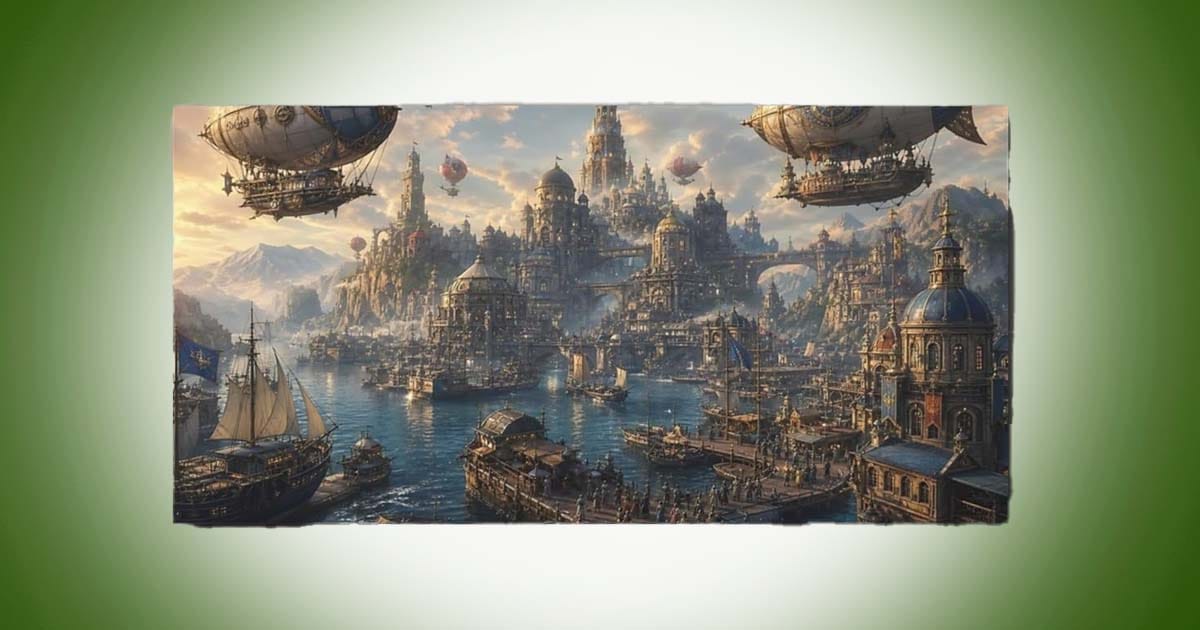
Science fiction has always loved cities that promise progress while quietly suggesting something stranger beneath the surface. This canvas print captures that tradition with towering forms, cool blue tones, and the feeling of standing at the edge of tomorrow before anyone else arrives.
The steampunk influence gives the scene an unusual warmth for futuristic art. It feels imagined rather than engineered, like a vision drawn from old magazines where the future still belonged to dreamers, inventors, and men willing to build impossible skylines.
The Laboratory of Tomorrow
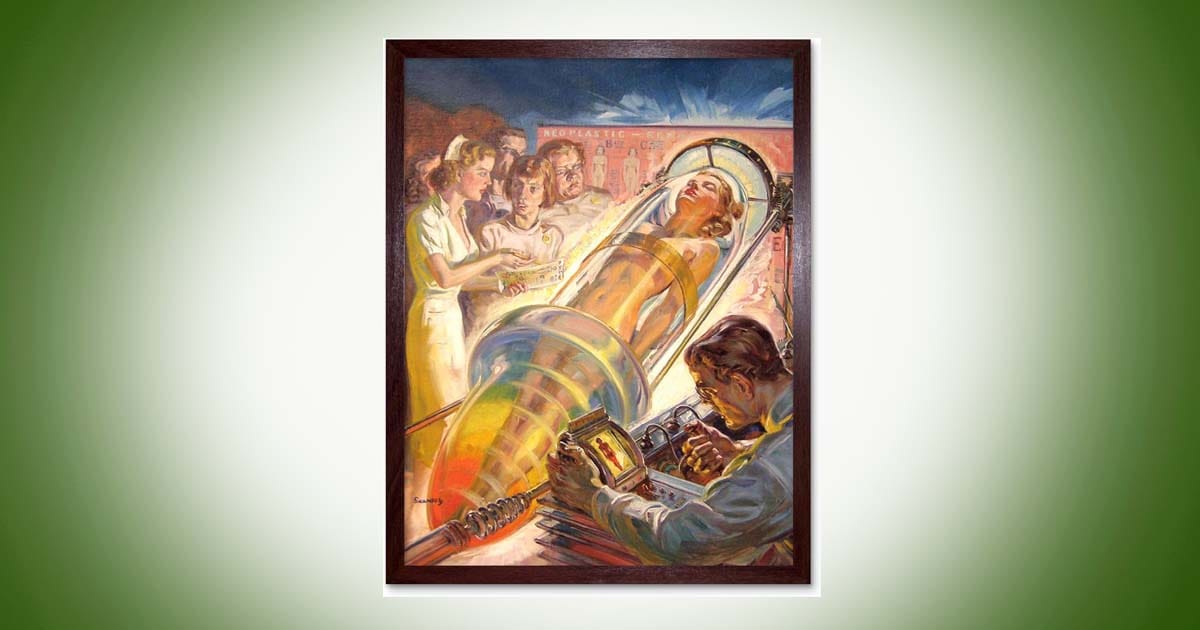
Classic science fiction once imagined the future as a place built in workshops, laboratories, and rooms crowded with improbable machines. This vintage print carries that spirit and presents invention as something adventurous rather than clinical. Its 1939 aesthetic recalls an era when tomorrow still felt handmade.
There is a quiet optimism in the image that makes it memorable. Instead of focusing on distant battles or collapsing worlds, it celebrates curiosity and the belief that discovery begins with one person willing to ask impossible questions.
Visitors Above the Horizon
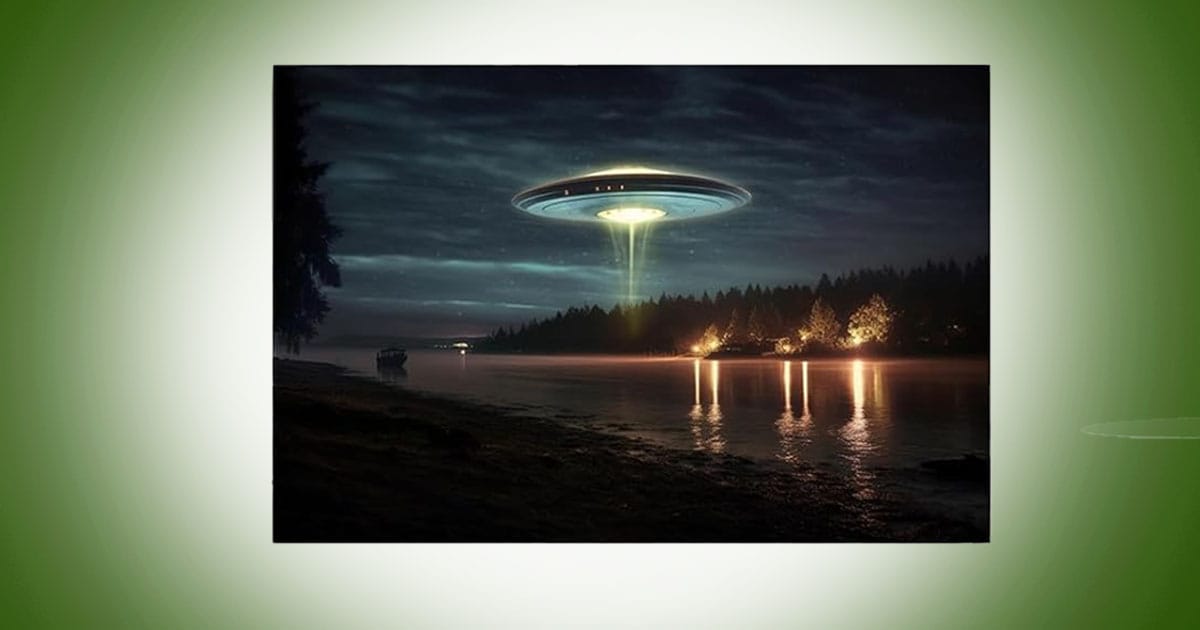
Science fiction often works best when it leaves one question unanswered. This canvas poster embraces that tradition and captures the familiar moment when something impossible appears overhead, and no explanation follows. The clean, modern presentation gives the classic flying saucer image an unexpected sense of scale and stillness.
Unlike the crowded spectacle of many contemporary space scenes, this piece leaves room for imagination. It invites the viewer to wonder whether the object is arriving, departing, or simply observing.
At the Edge of the Battlefield
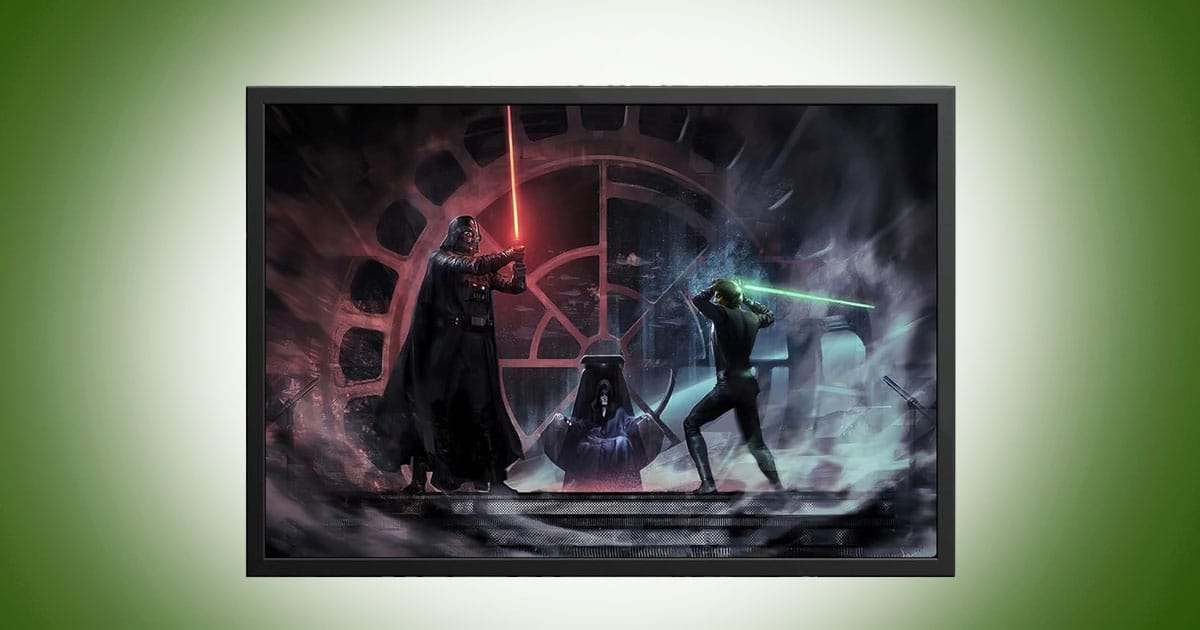
Science fiction has always understood that a duel is rarely just a fight. It is usually a contest between futures, technologies, or ideas about what humanity becomes next. This canvas captures that tradition and gives the scene the dramatic stillness of a decisive moment suspended in time.
The futuristic setting keeps the image energetic without becoming chaotic. It feels cinematic in the old sense of the word, built around anticipation and the feeling that everything changes the moment the first move is made.
Fastest Ship in the Galaxy
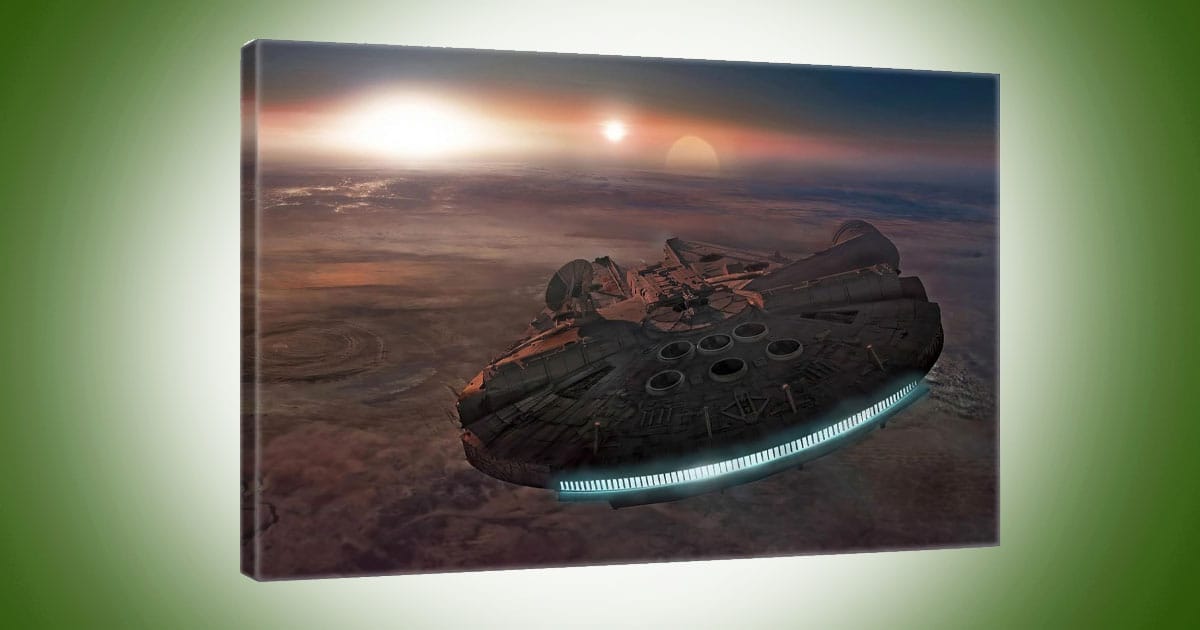
Great science fiction spacecraft are memorable because they feel lived in. This canvas captures that tradition and celebrates a ship that looks less like polished technology and more like a machine held together by nerve, experience, and impossible luck. It evokes the romance of leaving familiar worlds behind.
There is movement in the image even when standing still. The artwork suggests jump coordinates, distant stars, and the quiet confidence that adventure usually begins with a questionable plan and a reliable ship.
Emerald Towers of Tomorrow
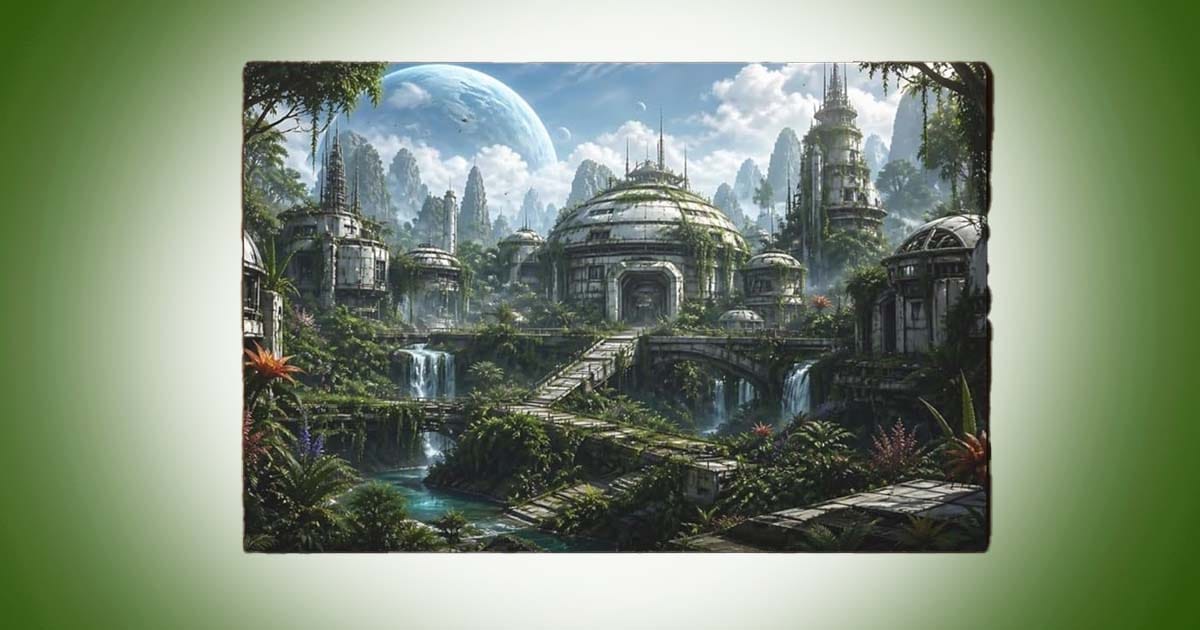
Science fiction cities are rarely just places to live. They are arguments about the future. This canvas imagines tomorrow in luminous green tones and creates the feeling of a civilization that solved old problems and immediately began chasing new ones.
The broad skyline gives the piece a sense of scale without becoming cold or mechanical. It recalls the optimistic cityscapes once painted on paperback covers, where progress still looked elegant and the next century always seemed within reach.
A City Beneath Silent Skies
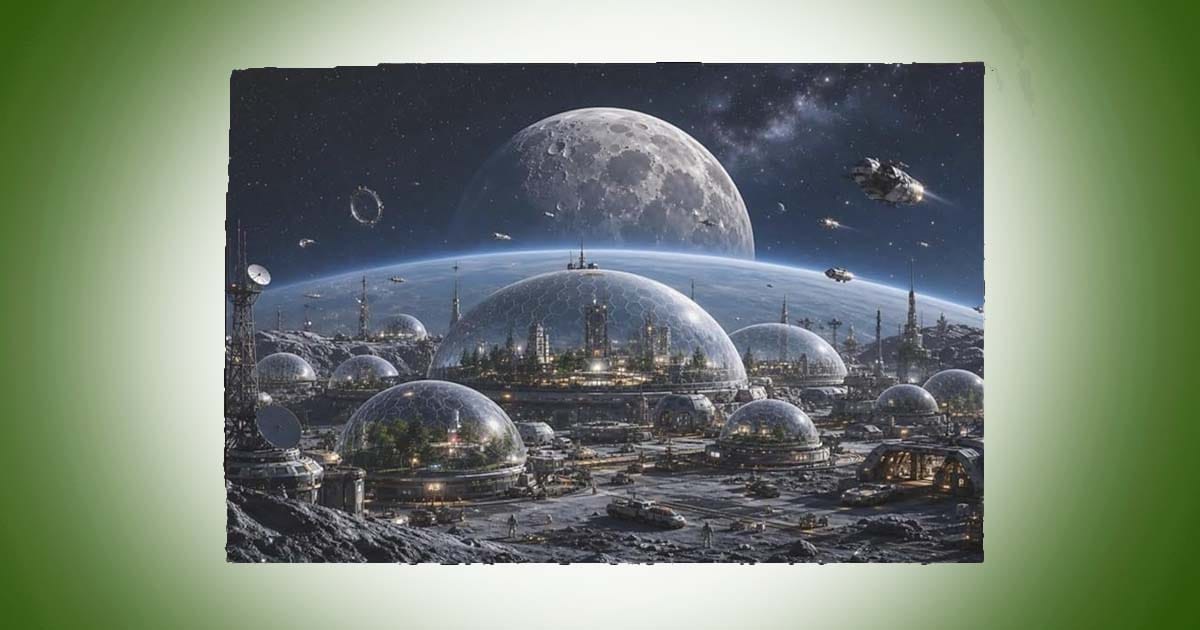
For generations, science fiction imagined the Moon not as a destination, but as the beginning of civilization's second chapter. This canvas captures that spirit and presents a lunar city that feels calm, distant, and quietly ambitious rather than crowded or industrial.
The cool blue palette gives the scene a reflective quality. It recalls classic visions of tomorrow where exploration was measured in patience and ingenuity, and where humanity looked upward not to escape Earth, but to continue the journey.
Instruments of Discovery
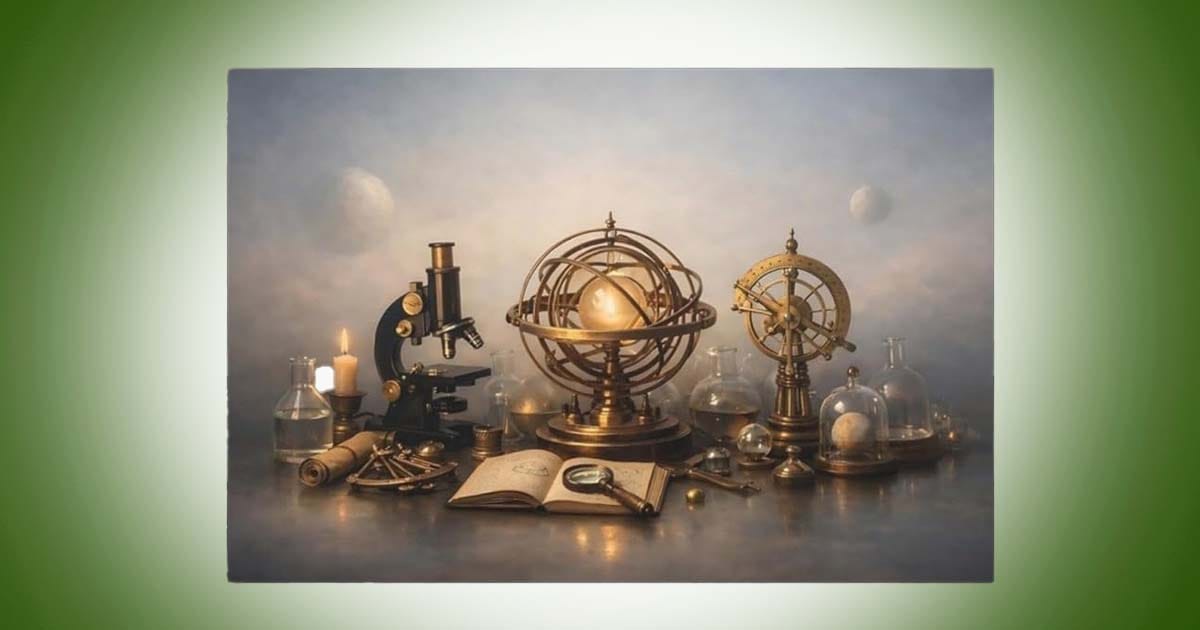
Before science fiction filled the sky with fleets and empires, it began with instruments, charts, and the belief that careful observation could reveal impossible truths. This canvas captures that earlier spirit and gives scientific tools the same sense of wonder usually reserved for rockets and distant worlds.
The brass aesthetic adds warmth and character to the scene. It feels connected to an era when exploration started at a workbench and every dial, lens, and measurement suggested that the universe still had secrets waiting to be discovered.