
9 Reasons Han Solo Became Sci-Fi's Most Unlikely Hero
From cynical smuggler to Rebel hero, discover nine reasons Han Solo became one of science fiction's most unlikely and enduring characters in the "Star Wars" saga.

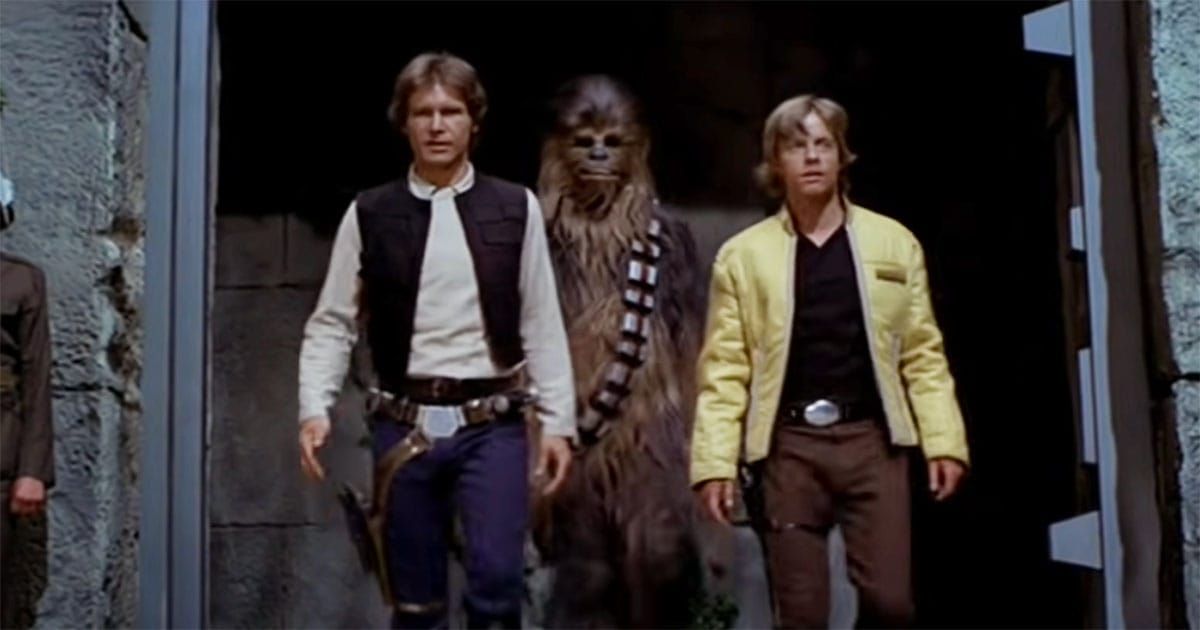
When "Star Wars" arrived in theaters in 1977, audiences expected Luke Skywalker to become the story's hero. He fit the mold perfectly. He was young, idealistic, and destined for a larger purpose. Han Solo appeared to be something else entirely. He was a smuggler, a cynic, and a man more interested in payment than principles.
Yet nearly fifty years later, Han remains one of the most beloved characters in science fiction. His popularity stems from the fact that he was never designed as a conventional hero. Instead, he became heroic through a series of choices that transformed him from an outsider into a legend.
He Was Not a Heroic Ideal
Science fiction traditionally celebrated explorers, military officers, and visionaries. Characters such as Captain Kirk or Flash Gordon embraced adventure and responsibility from the beginning. Han Solo did neither. He entered "Star Wars" concerned with staying alive and making money.
This immediately set him apart from the genre's established heroic tradition. Rather than aspiring to greatness, he spent much of the first film trying to avoid becoming involved in events larger than himself.
He Had No Destiny
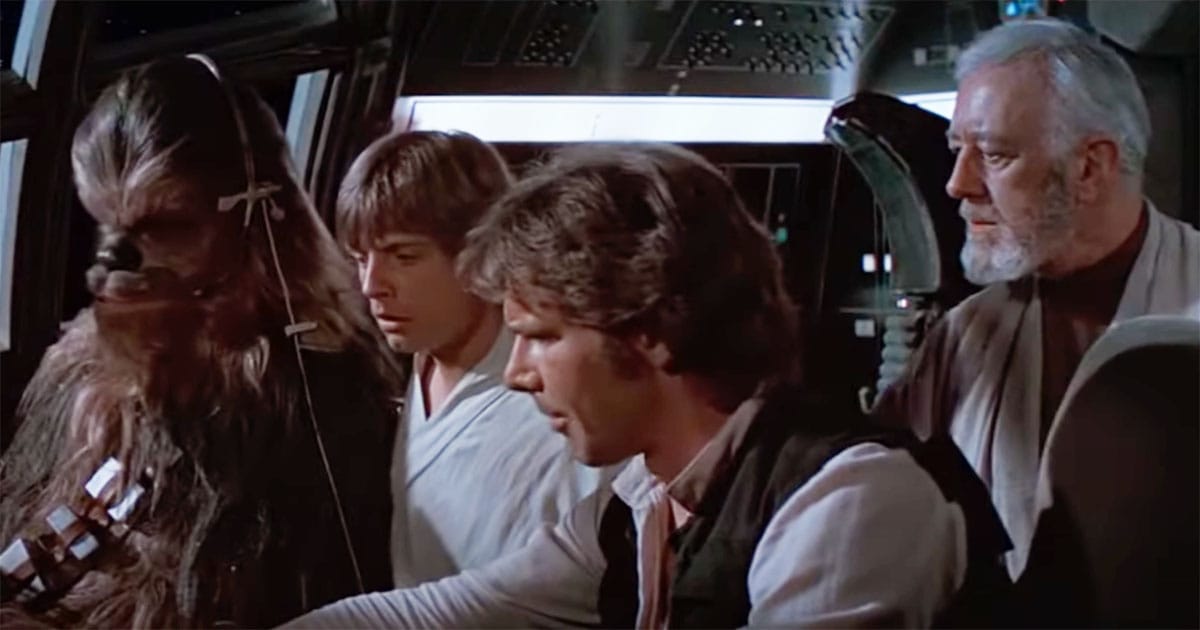
One of the defining themes of "Star Wars" is destiny. Luke Skywalker is connected to the Jedi and the Force. Princess Leia is a leader whose importance extends across the galaxy. Obi-Wan Kenobi serves a role shaped by history and tradition.
Han has no such connection to fate. No prophecy predicts his importance. No ancient order recognizes his potential. His story is remarkable precisely because it lacks the advantages usually granted to mythic heroes.
He Possessed No Extraordinary Powers
The galaxy of "Star Wars" is filled with individuals who command remarkable abilities. Jedi can sense danger, influence minds, and wield the Force in battle. Han's talents are considerably more ordinary.
He survives through experience, quick thinking, and nerve. Whether navigating an asteroid field or escaping Imperial forces, he relies on skill rather than supernatural gifts. This made him one of the most relatable figures in the saga.

He Came from the Margins of Society
Many science fiction heroes begin as respected members of society. Han begins as a smuggler operating outside the law. His profession places him among criminals, gamblers, and opportunists rather than soldiers or statesmen.
That background gives his character arc unusual weight. The audience is not watching a respected figure rise to greater heights. They are watching a man from the fringes of civilization discover a sense of responsibility he never expected to embrace.
He Distrusted Grand Causes
Luke believes in the Rebellion almost immediately. Leia has devoted her life to the struggle against the Empire. Han views both sides with skepticism.
His reluctance reflects a worldview shaped by disappointment and survival. He assumes that political movements often fail the people who trust them. This cynicism gave the character a realism that contrasted sharply with the idealism surrounding him.
He Chose to Return
The Battle of Yavin remains the most important moment in Han Solo's development. After receiving his reward, he leaves the Rebel base and appears ready to continue his life as before.
Instead, he returns during the attack on the Death Star and helps save Luke Skywalker. The significance of this decision lies in its voluntary nature. No prophecy guides him. No authority commands him. He comes back because he chooses to do so.
Friendship Changed Him
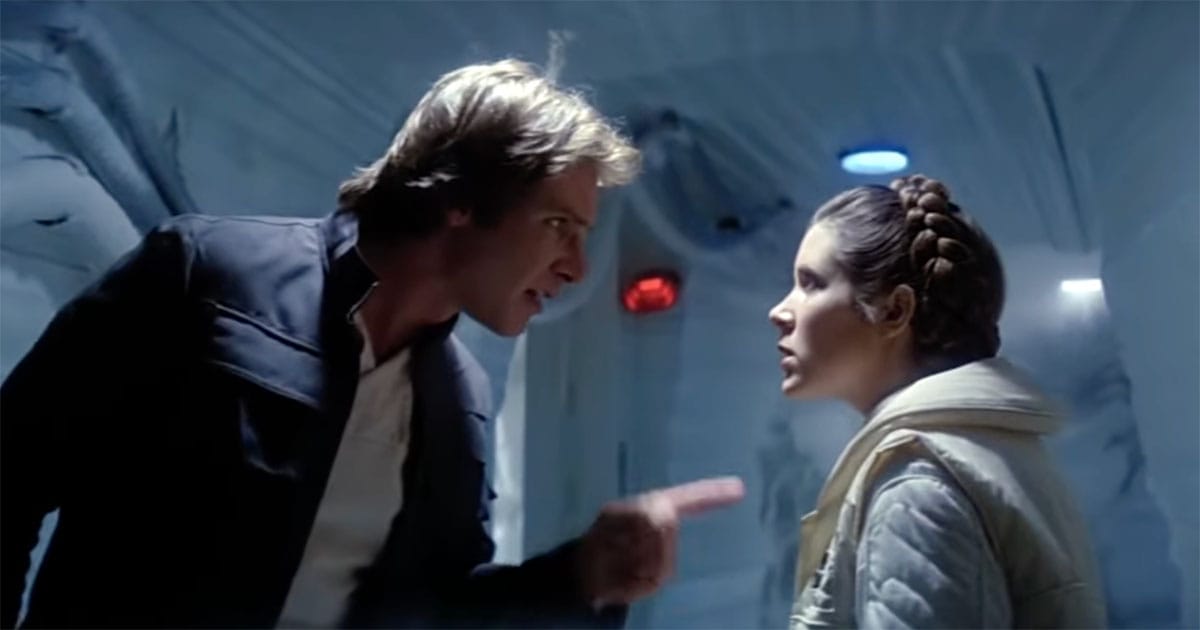
Han's transformation is driven less by ideology than by personal relationships. His bond with Luke, his growing respect for Leia, and his loyalty to Chewbacca gradually alter his priorities.
This is one reason the character feels so human. He does not become a hero because he suddenly embraces an abstract political philosophy. He becomes a hero because he learns to care about people more than profit.
He Grew Without Losing His Personality
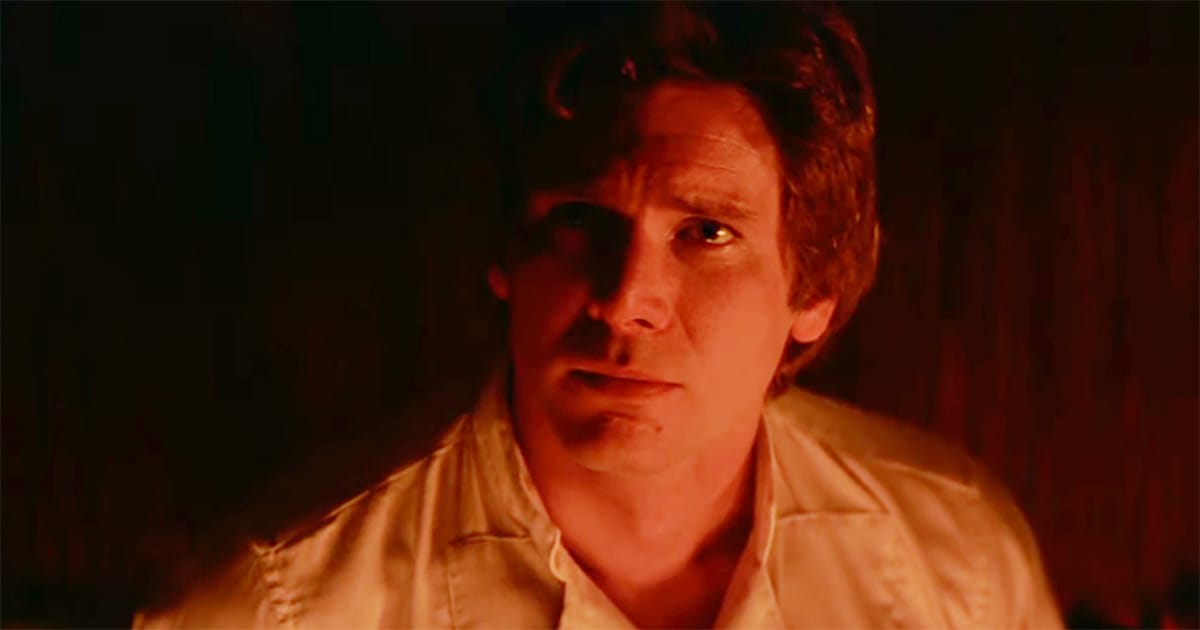
Many fictional heroes become less interesting as they mature. Their flaws disappear, and their personalities become increasingly noble. Han develops differently.
By "Return of the Jedi," he has become a trusted Rebel leader, yet he remains sarcastic, impulsive, and occasionally skeptical. The qualities that made him entertaining in "A New Hope" never vanish. His growth feels authentic because it does not erase the man he once was.
He Redefined the Science Fiction Hero
Han Solo's lasting importance extends beyond "Star Wars." He helped popularize a different kind of science fiction protagonist. Later generations of writers repeatedly returned to the model he established.
The reluctant adventurer, the wisecracking pilot, and the rogue with a hidden conscience all owe something to Han Solo. His influence can be seen across science fiction film, television, and literature. What made him unforgettable was not that he fulfilled a destiny. It was that he proved heroism could emerge from someone who never expected to become a hero at all.
Nearly half a century after his debut, Han Solo remains one of science fiction's most unlikely heroes. He lacked the powers, destiny, status, and idealism usually associated with legendary protagonists. Through courage, loyalty, and personal choice, he became something far greater than he ever intended. That unexpected journey is what continues to make Han Solo one of the genre's most enduring characters.