
Building Impossible Worlds
Thirty years after "Waterworld," discover how classic science fiction creates believable worlds by changing one idea and following its consequences through society, survival, and human nature.

This Week in Classic Science Fiction
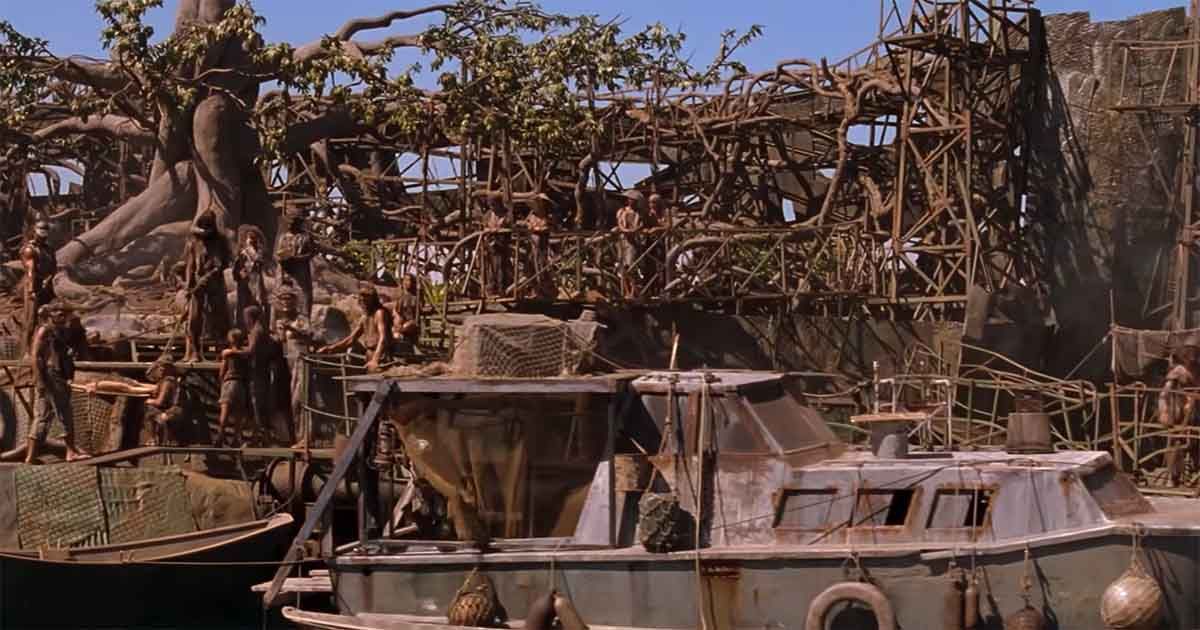
On July 28, 1995, "Waterworld" reached theaters after months of headlines about its troubled production and record-setting budget. Time has changed the conversation. Thirty years later, the film is remembered less for its cost than for the remarkable world it imagined.
Most post-apocalyptic stories leave behind deserts, ruined cities, or blasted wastelands. "Waterworld" took a different course by asking what would happen if the oceans swallowed nearly every piece of dry land. That single idea reshaped everything from transportation and trade to food, faith, and survival.
The film's floating atolls, wandering sailors, and pirate raiders created a civilization built from whatever could be pulled from the sea. Even a handful of dirt became a priceless treasure because it represented something almost forgotten. Dryland was more than a destination. It became a symbol of hope for people who had never known a world with firm ground beneath their feet.
Science fiction often begins by changing one part of reality and then following the consequences. "Waterworld" did exactly that. Its greatest legacy is not the size of its budget, but the imagination behind a world where humanity learned to survive after the sea claimed the Earth.
Sponsored by: The Mushroom Command Sci-Fi T-shirt
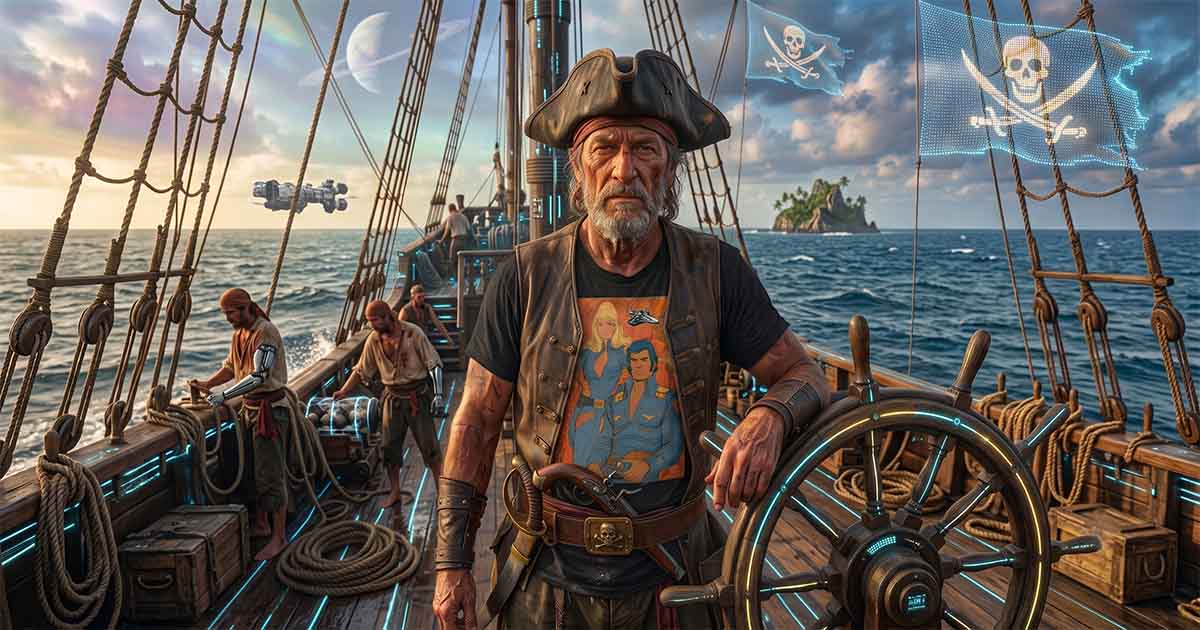
Every great science fiction story begins with a single unforgettable image. The Mushroom Command collection celebrates the bold imagination of classic sci-fi with original artwork and stories inspired by the golden age of speculative fiction. If your bookshelf is filled with Heinlein, Clarke, Niven, and Bradbury, this is apparel designed with you in mind.
Building a World Without Land
The best science fiction begins with a single impossible idea. It might be faster-than-light travel, intelligent machines, or a planet covered by desert. Once that idea is accepted, the writer's job is to ask what changes next. The answer should affect every part of the fictional world, from how people travel and earn a living to what they believe and fear.
Few films illustrate this principle as clearly as "Waterworld." Its premise is not simply that the oceans rise. It is that dry land nearly disappears. Remove the land, and civilization cannot remain the same. Geography shapes society, and when geography changes, everything else changes with it.

Geography Shapes Civilization
Civilization has always followed geography. The first great societies grew beside rivers that provided fresh water, fertile soil, and reliable transportation. Mountain ranges protected kingdoms and created natural borders. Oceans opened trade routes while also separating cultures for centuries. Even roads shaped history by connecting cities, markets, and distant peoples.
Science fiction often changes these familiar conditions to see what happens next. A desert world like "Dune" turns water into the most precious resource. Larry Niven's "Ringworld" imagines a structure so vast that it reshapes every idea of distance and exploration. In "Waterworld," the disappearance of dry land forces an even more dramatic change.
Without roads, travel depends on the sea. Without farmland, food becomes scarce and valuable. Without permanent borders, power belongs to those who can protect a floating community or control the routes between them. Change the geography, and civilization must change with it.
Every Resource Changes Value
A believable science fiction world changes more than its landscape. It changes the value of everyday things. Writers who think through those consequences create settings that feel lived in because people adapt to new conditions instead of behaving as if nothing has changed.
In "The Moon Is a Harsh Mistress," air and water become carefully managed resources because life depends on closed systems. In "A Canticle for Leibowitz," books and technical knowledge become treasures after civilization collapses, preserved by monks who understand their worth even when much of the world does not. "Waterworld" imagines a future where dirt, seeds, and fresh water are more valuable than precious metals because they offer the promise of life on a flooded Earth.
These stories all follow the same rule. When the environment changes, the economy changes with it. People begin to trade, protect, and sometimes fight over resources that once seemed ordinary. That attention to cause and effect is one reason the best science fiction worlds continue to feel believable long after the story ends.
Civilization Adapts
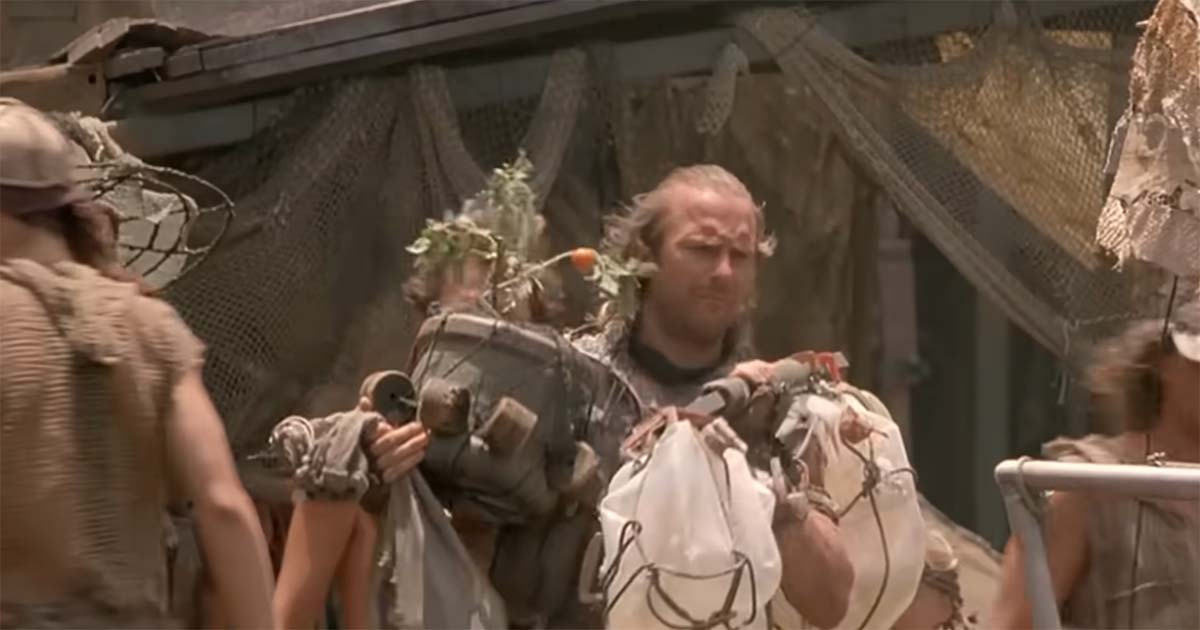
The most memorable science fiction is rarely about the collapse of civilization. It is about civilization adapting to new realities. People reorganize, build communities, establish rules, and find ways to survive. The setting may be unfamiliar, but the people remain recognizable.
This pattern appears throughout the genre. In "The Moon Is a Harsh Mistress," a lunar colony develops its own customs and political identity. "The Left Hand of Darkness" shows how an unforgiving climate shapes travel, diplomacy, and everyday life. In "Waterworld," floating atolls become towns, ships become family homes, and trade routes cross the open sea instead of dry land. Commerce continues, religions endure, and criminals still prey on the vulnerable because human nature has not changed.
That balance is one of science fiction's greatest strengths. The environment may transform every aspect of daily life, but ambition, cooperation, greed, curiosity, and hope remain familiar. The best stories remind us that people are remarkably adaptable. Change the world, and humanity will change with it, but it will never become something entirely different.
Why the World Endures
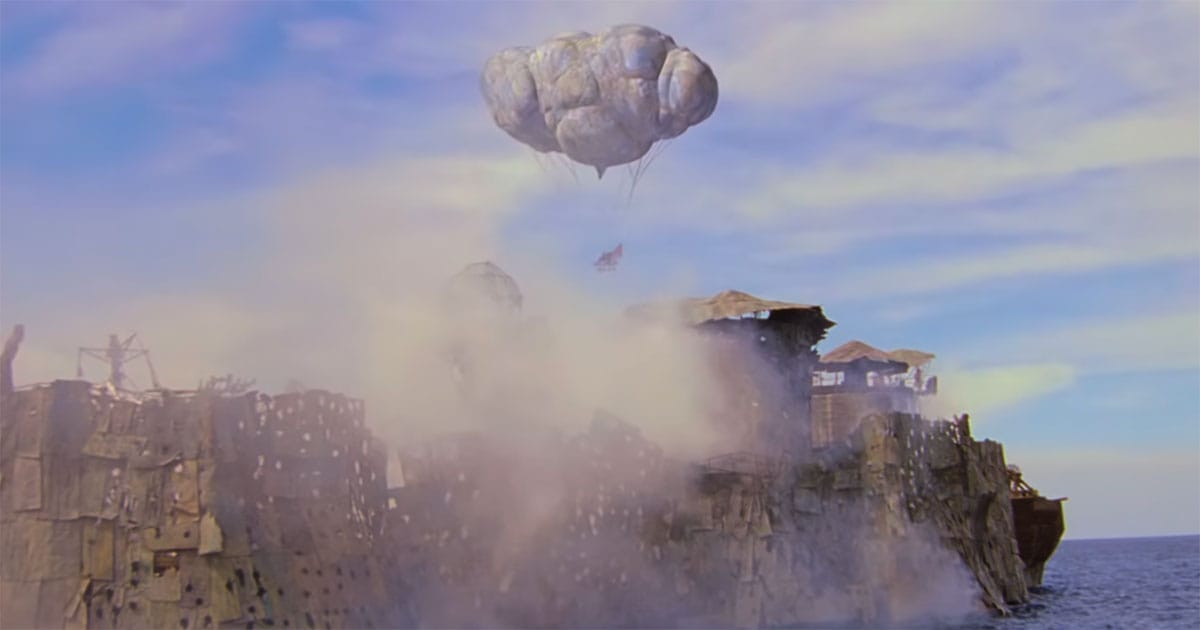
The strongest science fiction settings seem larger than the stories told within them. The audience senses that people are trading, traveling, governing, and struggling beyond the reach of the main characters. That suggestion of unseen life gives the world depth and makes it easier to remember than any single scene.
The great classics achieve this in different ways. "Dune" hints at centuries of politics, religion, and ecological planning. "Ringworld" surrounds its travelers with the remains of cultures they can only partly understand. "The Left Hand of Darkness" presents nations with long histories and customs that exist apart from the central journey. "The Martian Chronicles" turns Mars into a stage for generations of arrival, loss, and renewal.
These worlds endure because they never feel built only for the plot. They suggest histories before the story begins and futures after it ends. Successful world-building leaves the reader with the sense that the map continues beyond its visible borders.
A World Worth Returning To
The greatest science fiction worlds invite us to look beyond the story itself. We finish the book or leave the theater believing life continues just beyond the edge of the map. Other people are living their lives, new discoveries are waiting to be made, and history will continue whether we are there to witness it or not. That illusion of a living world is one of the genre's greatest achievements.
Thirty years after its release, "Waterworld" continues to inspire discussion because its flooded Earth feels like more than a backdrop for adventure. It imagines a civilization shaped by geography, scarcity, and adaptation, then remains faithful to those ideas from beginning to end.
The best science fiction is remembered not because of spectacular effects or futuristic technology. It endures because it creates worlds that seem complete, convincing, and ready to continue long after the final page is turned or the closing credits have rolled.
"Waterworld" Trivia
- Built on the ocean. Rather than rely on soundstages, many of the film's massive floating sets were constructed in the Pacific Ocean off the coast of Hawaii.
- The Mariner Never Gets a Name. Kevin Costner's character is never given a personal name. Throughout the film, he is known simply as "the Mariner."
- The Exxon Valdez Lives On. The villains' headquarters is built around the rusting hulk of the Exxon Valdez, turning one of the world's most infamous oil tankers into a symbol of a flooded future.