
"Brave New World" (1980) and the Cost of a Perfect Society
A restrained adaptation of "Brave New World" (1980) explores a society built on comfort and control, raising questions about what is lost when stability replaces human experience.

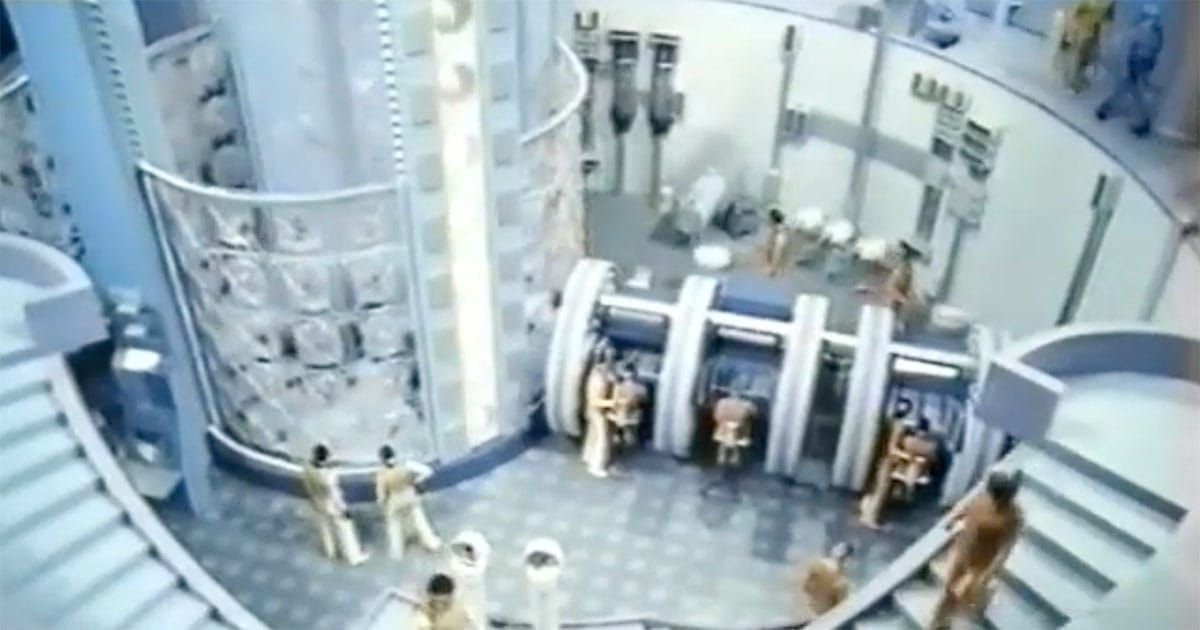
"Brave New World" (1980) is a television adaptation of Aldous Huxley's well-known novel. It was directed by Burt Brinckerhoff and written by Robert Blees. The film stars Bud Cort as Bernard Marx and Keir Dullea as John. These two characters reflect opposing responses to a carefully controlled society.
Produced during a period when science fiction often emphasized visual spectacle, this film takes a quieter path. It focuses on structure, dialogue, and philosophical tension rather than action. The story presents a future where human life is engineered and conditioned for stability. Each person is shaped to accept his role, leaving little room for conflict or ambition.
This controlled environment creates a world that appears efficient but feels empty. Pleasure is constant, and discomfort is removed before it can take hold. The film's restrained performances and simple design reinforce this sense of artificial calm. Beneath that calm, however, there is a growing sense that something essential has been lost.
What gives the film its lasting interest is its focus on ideas rather than excitement. It examines what remains of humanity when struggle, belief, and family are removed. The result is a thoughtful and measured adaptation that invites reflection more than emotional engagement.
| ATTRIBUTE | DETAILS |
|---|---|
| Title | "Brave New World" (1980) |
| Director | Burt Brinckerhoff |
| Writer | Robert Blees |
| Actors or Actresses | Bud Cort, Keir Dullea, Marcia Strassman |
| Rated | TV Movie (Not Rated) |
| Runtime | 180 min (approx.) |
Synopsis
The story takes place in a future in which humans are created in laboratories and assigned to fixed social classes. From the beginning of his life, each person is conditioned to accept his role and avoid independent thought. Order is maintained through routine, entertainment, and a drug that removes anxiety. This system produces stability, but it leaves little space for personal identity.
Bernard Marx lives within this system but feels out of place. He struggles to accept the expectations placed upon him and begins to question the world around him. His unease leads him to travel outside the boundaries of this controlled society. There, he encounters a community that lives without technological control or conditioning.
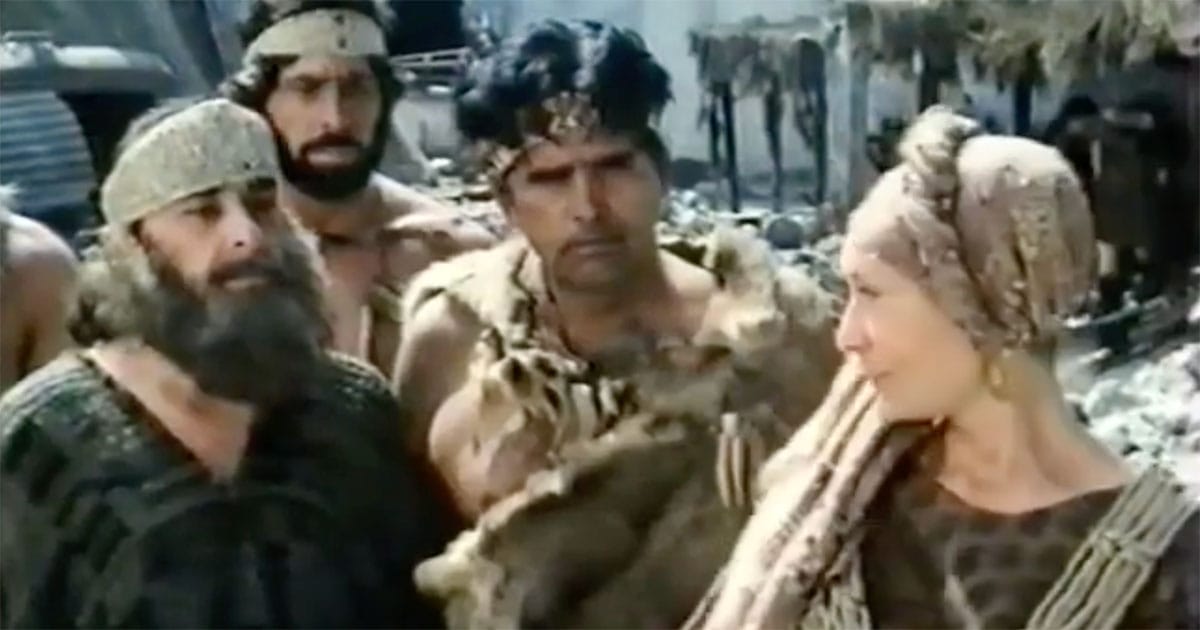
In this unfamiliar environment, Bernard meets John, a man raised with family, belief, and hardship. John has experienced emotions and traditions that no longer exist in the structured world. Bernard brings him back, hoping his presence will offer something new. Instead, John becomes a source of fascination and confusion.
As John confronts this engineered society, he reacts with both wonder and rejection. His values clash with a culture built on comfort and conformity. The conflict between his outlook and the system around him grows more intense. This tension drives the story toward a conclusion that highlights the cost of a perfectly controlled world.
Themes
The central theme of "Brave New World" (1980) is the trade between stability and individuality. The society on display has removed conflict by removing choice, and that exchange defines every part of the film.
People do not struggle because they are not allowed to want anything beyond their assigned place. This creates a world that functions smoothly, but it feels lifeless and constrained.
Closely tied to this idea is the use of pleasure as a tool of control. The film presents a culture where entertainment and chemical relief replace deeper forms of satisfaction.

There is no visible oppression because discomfort is eliminated before it can grow. This gives the viewing experience a strange calm, where nothing seems wrong at first glance, yet nothing feels fully human.
The absence of family, belief, and tradition also plays a major role in shaping the film's tone. Human connections have been reduced to shallow interactions, and the idea of long-term commitment has been erased.
This absence is not presented through dramatic loss, but through quiet emptiness. It becomes clear that something important has been removed, even if the characters themselves do not recognize it.
Emotional suppression defines how the characters move and speak. Conversations are measured, reactions are muted, and conflict rarely rises to the surface. This creates a viewing experience that feels distant and controlled, as if the film itself has been conditioned. When stronger emotions do appear, they feel disruptive and out of place.
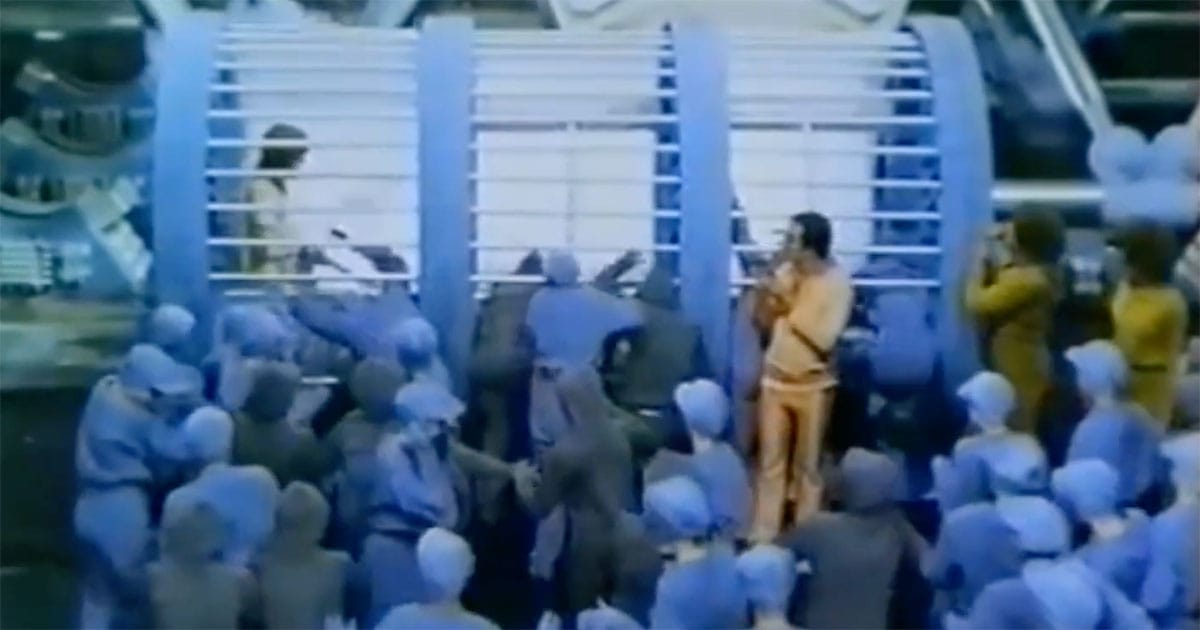
The contrast between the controlled world and John's perspective sharpens these themes. His reactions highlight how unusual basic human experiences have become.
What stands out most is not rebellion in a traditional sense, but the simple presence of feeling, belief, and moral struggle. Through this contrast, the film leaves a lasting impression of a world that has achieved order at the cost of its humanity.
Who Will Watch This Movie
"Brave New World" (1980) will appeal most to viewers who approach science fiction as a vehicle for ideas rather than excitement. This is the kind of film that suits a quiet evening when the viewer is willing to pay attention to tone, dialogue, and implication.
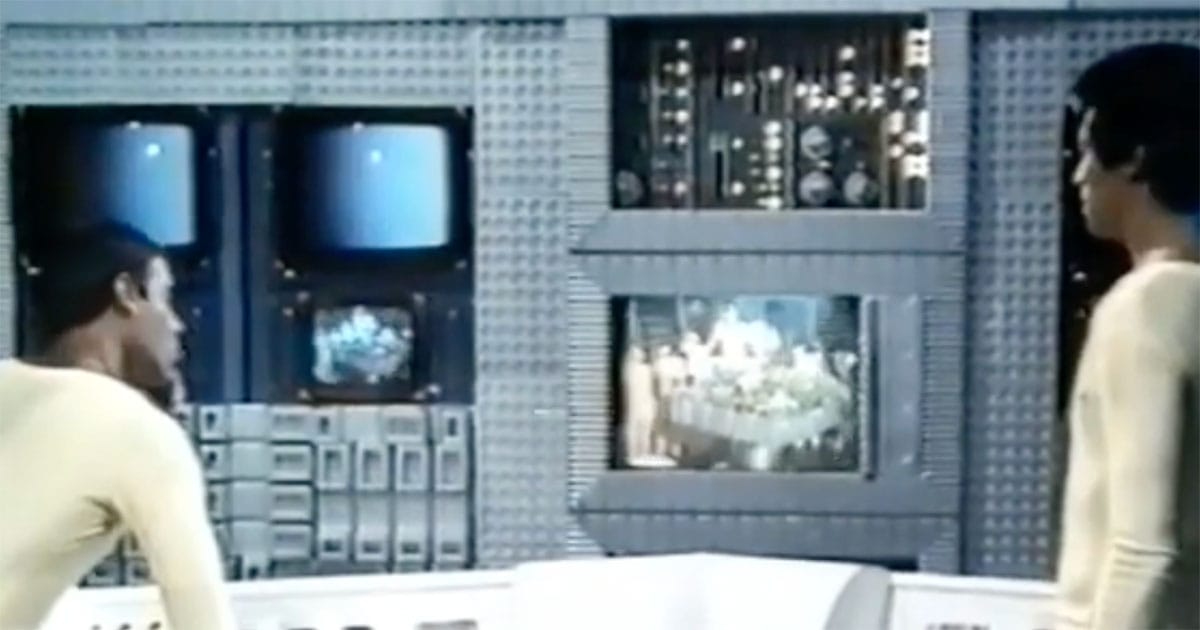
It rewards patience more than curiosity about plot, and it favors reflection over momentum. A viewer who enjoys considering how a society functions beneath the surface will find more here than one looking for dramatic turns.
It also fits well for those interested in adaptations that remain close to their literary origins. The film carries the structure and concerns of the novel into a visual format without reshaping them for mass appeal.
This makes it useful for viewers who want to see how philosophical material translates to the screen. It can feel less like a traditional film and more like a staged examination of an idea.
There is also a place for this film among those who appreciate older television productions that rely on suggestion rather than scale. Watching it alongside other restrained science fiction from the same period highlights how different approaches can shape the same genre. It works best when viewed with attention to its limits, since those limits are part of its identity.
In the end, the film leaves a distinct impression of a world that has chosen comfort over meaning. Its controlled pacing and muted performances reinforce that idea at every turn. The experience may feel distant, but it remains consistent in its purpose. What lingers is not excitement, but the uneasy sense of what has been traded away.