
“Earth II” and the Trouble We Took Into Space
On Nov. 28, 1971, ABC sent “Earth II” into orbit. Revisit the TV pilot, then read how “Earth II,” “2001,” and “Star Trek” carried the Cold War into space. Plus, four facts about the colony’s TV debut.

This Week in Classic Science Fiction
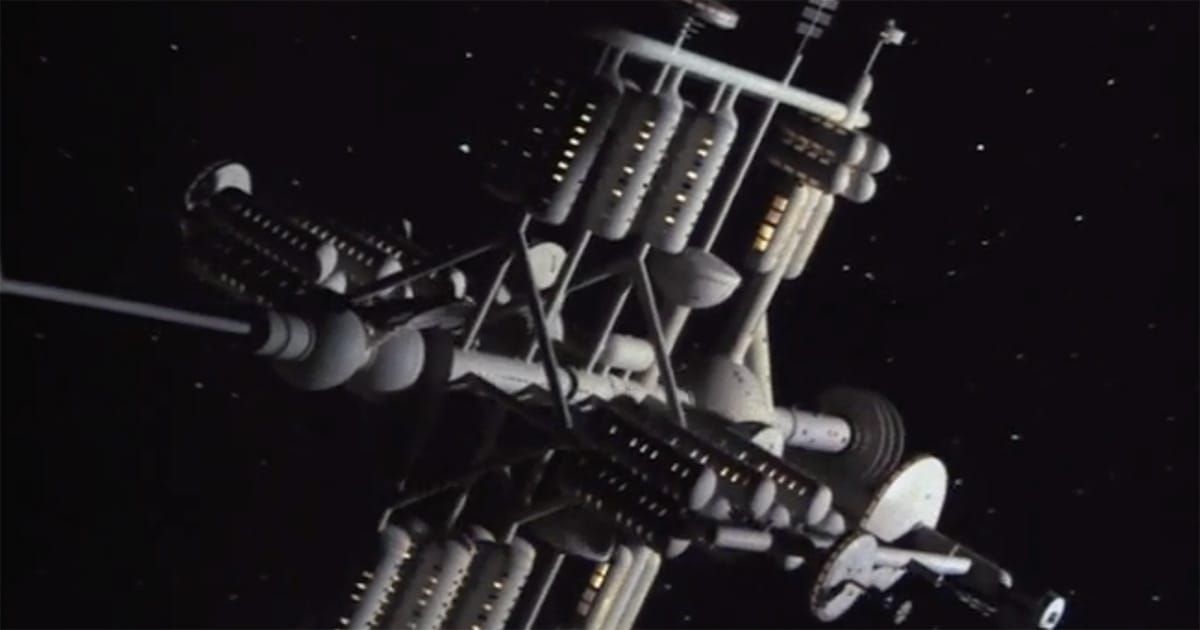
On Nov. 28, 1971, ABC premiered "Earth II," a two-hour television movie about a nation founded aboard a space station. Gary Lockwood was back in orbit three years after playing astronaut Frank Poole in "2001: A Space Odyssey." This time he played David Seville, the man who ran the station.
The colony began with an Apollo launch and grew into a country with its own government. Any citizen could bring a question to a vote. The founders took their commitment to peace so far that even toy guns were banned.
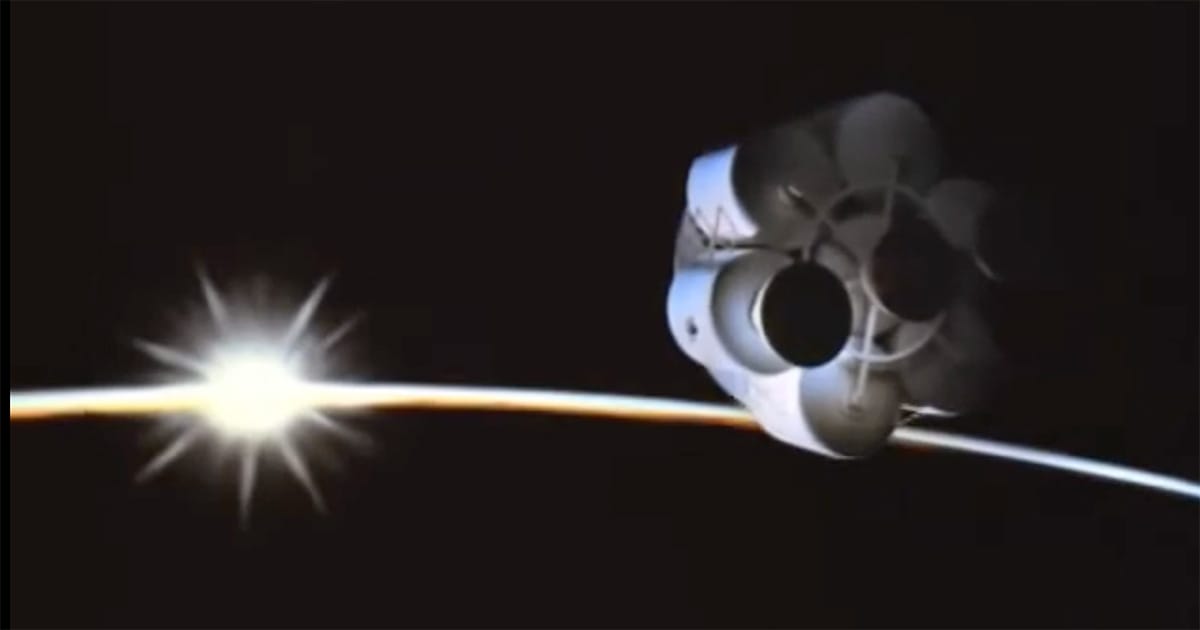
Then China put a satellite carrying three nuclear warheads into orbit near the station. China warned that interference could start World War III. The citizens of Earth II voted by a narrow margin to intervene.
MGM made "Earth II" as both a television movie and a pilot for a weekly series. The station gave the show a home, and the vote gave viewers a taste of the trouble its citizens could get into. ABC passed on the series. Fifty-five years later, that Sunday night remains the only time viewers got to see what happened when this particular nation tried to make a go of it in orbit.
Sponsored by: Red Alien Moon Battle
Red Alien Moon Battle T-shirt
A lone astronaut stands beneath a red moon on the “Red Alien Moon Battle” T-shirt. It looks like the cover of an old science fiction paperback, the kind that leaves you wondering what happened to the rest of his crew.
The Cold War Followed Us Into Orbit
A close vote is a good way to spoil a utopia. In "Earth II," the citizens of an orbital colony vote narrowly to intervene against a nuclear threat. The result settles what the colony will do. The margin tells us how close the same people, working from the same principles, came to doing the opposite.
Science fiction of the Apollo era gave people new places to live and old reasons to distrust each other. A station could change where a man lived and whom he called his countrymen. It could do little about what another government thought he was up to. Three stories from the period put that problem in the hands of voters, diplomats, and soldiers.
The Cost of Waiting
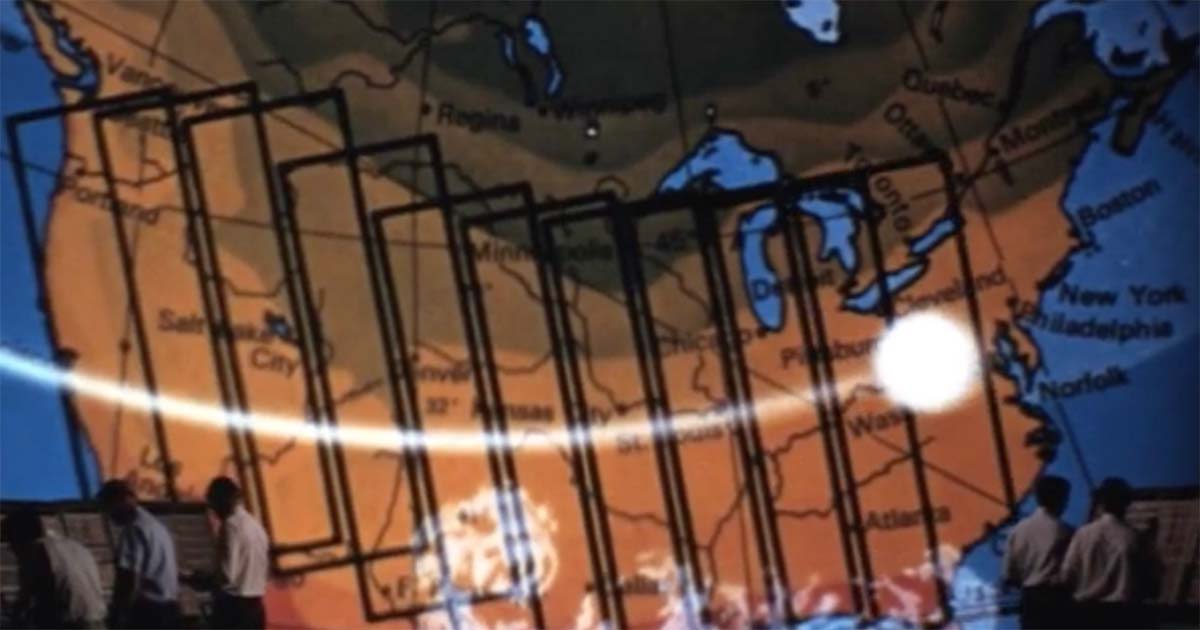
What makes the vote in "Earth II" interesting is that a reasonable man could come down on either side. A vote to intervene might look like an act of self-defense from the station. From the ground, the same act could look like the opening move in a war. The colony could explain its intentions, but it had no power to make another government believe the explanation.
Waiting carried a risk of its own. A government that could leave a weapon close to the station could force the colony to weigh that threat in every future dispute. The people voting to act might have feared that prospect as much as their neighbors feared an immediate war. The film lets both fears occupy the same room.
The station's distance from Earth makes the choice harder. Its citizens get to decide what their government will do, while the consequences could reach people who had no vote in the matter. The film gives the colony the freedom to make a decision and leaves it with the burden of deciding for more people than it can speak for.
A Secret on the Moon
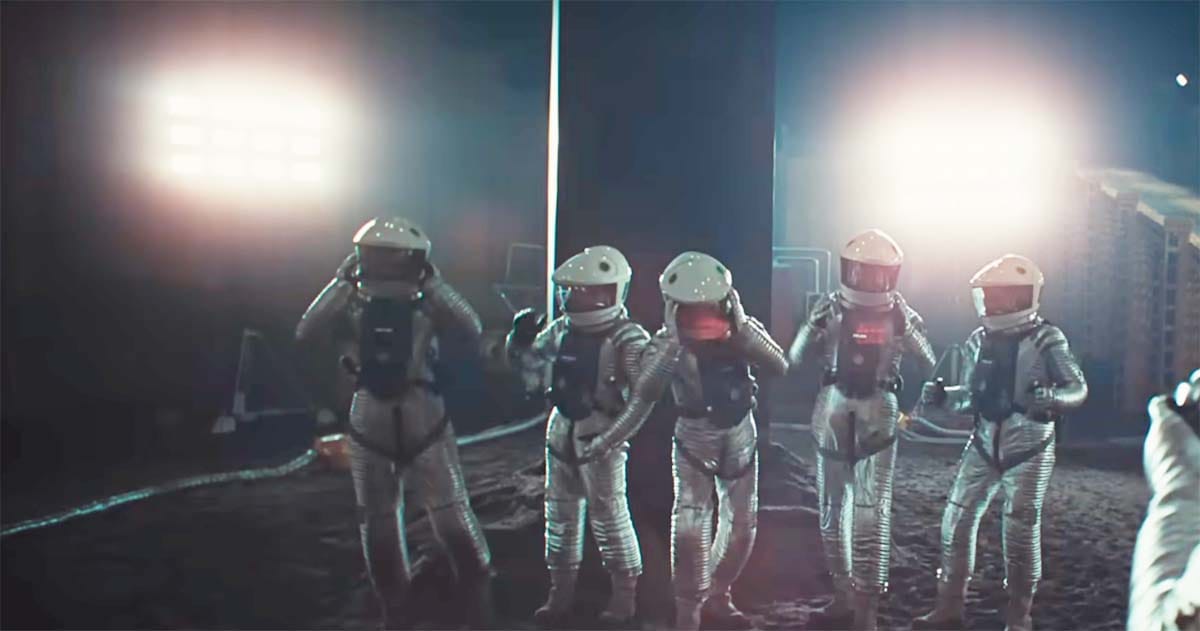
Stanley Kubrick found a quieter way to carry the Cold War into space. In "2001," American official Heywood Floyd meets a group of Soviet scientists aboard a space station. The conversation has the ease of an airport encounter between colleagues. Then one of the scientists asks about reports of an epidemic at Clavius, an American base on the moon.
The Americans have found a buried monolith. The epidemic story conceals the discovery, and Floyd gives the scientists no confirmation of the rumor. The men can be cordial because everyone understands the limits of the conversation. The question is a way to see whether Floyd will let anything slip. His answer gives them very little to take home.
The cover story protects American control of the discovery for a time. It also means the Soviets have reason to wonder what the Americans are doing at Clavius. A decision that seems prudent to one side can give the other side a fresh reason to worry. Kubrick makes that point with a few people sitting in chairs.
Peace by Order
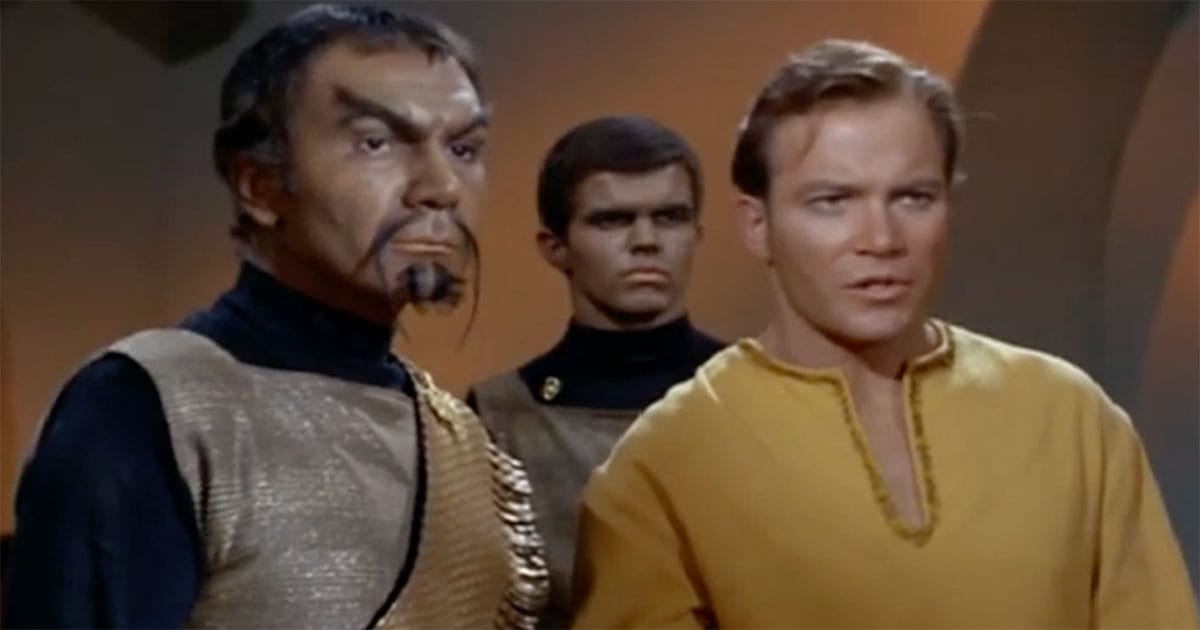
"Star Trek" puts the same distrust in the hands of men who command ships. In "Errand of Mercy," the Federation and the Klingons see strategic value in Organia. Kirk offers protection, and the Klingon commander Kor arrives with troops. The Organians show remarkably little interest in choosing between them.
Kirk has good reason to take the Klingons seriously. He also struggles to take the Organians at their word when they tell him they are in no danger. He sees a people who need help and assumes he understands the situation better than they do. That assumption survives almost to the moment the Organians disable both sides' weapons.
The episode's sharpest moment comes after the danger passes. Kirk catches himself objecting to the Organians' intervention, even though it has just prevented a war. He is accustomed to deciding when force is justified. Having that decision taken away gives him a brief taste of how the Organians must have felt when he arrived to tell them what was best for their planet.
After the Vote
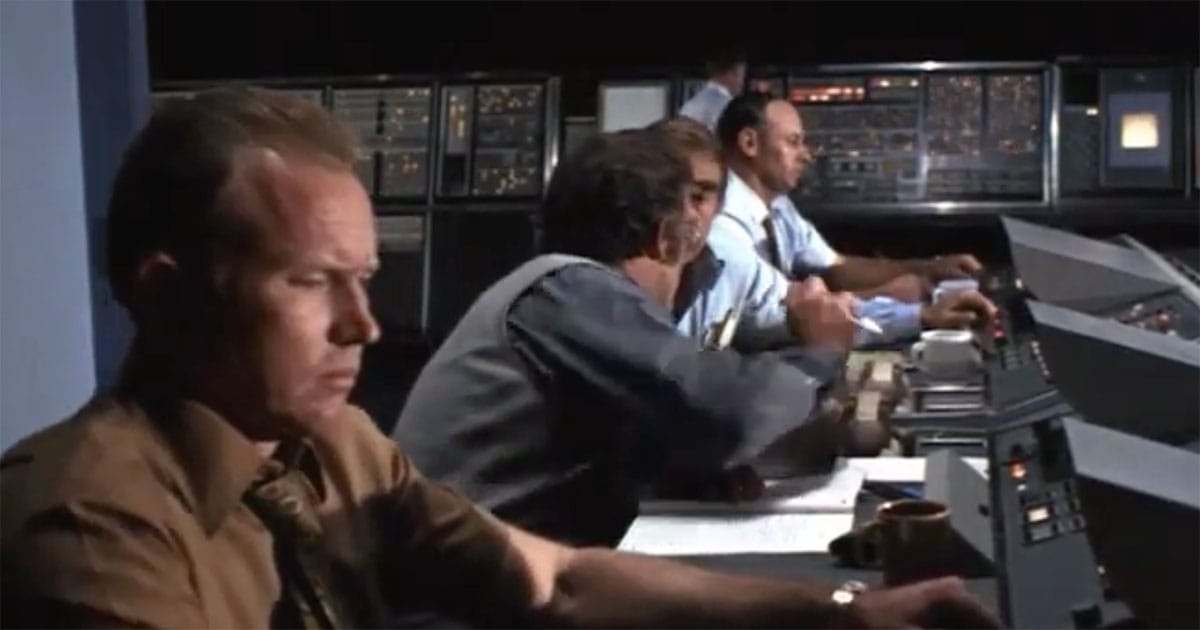
The Organians can stop two fleets by making their weapons useless. Floyd can buy time by keeping a discovery secret. The people of Earth II have to choose a course of action with no assurance that anyone outside the station will understand it as they do. Their vote answers a question about what kind of country they are willing to be. It leaves open the question of how other countries will deal with them.
A modest optimism lives in that narrow margin. People who see the same danger can disagree about what to do, hear one another out, and reach a decision they will have to live with together. The people of Earth II went to considerable trouble to found a new country. The first serious test of their work came when a man could look across the room, see a neighbor who wanted peace as much as he did, and still vote the other way.
"Earth II" Trivia
- The Soviet Union launched Salyut 1, the world's first space station, seven months before "Earth II" aired.
- Three years before "Earth II," director Tom Gries cast Charlton Heston as an aging cowboy in "Will Penny."
- "Earth II" reunited two veterans of the original "Mission Impossible" series. William Read Woodfield co-wrote the film, and Lalo Schifrin composed its score.
- American viewers first saw "Earth II" on ABC. Overseas, the film played in movie theaters.