
"Fantastic Voyage" Remains a Science Fiction Classic
"Fantastic Voyage" transforms the human body into an unforgettable frontier with Cold War intrigue, practical effects, and suspense that continue to captivate science fiction fans.

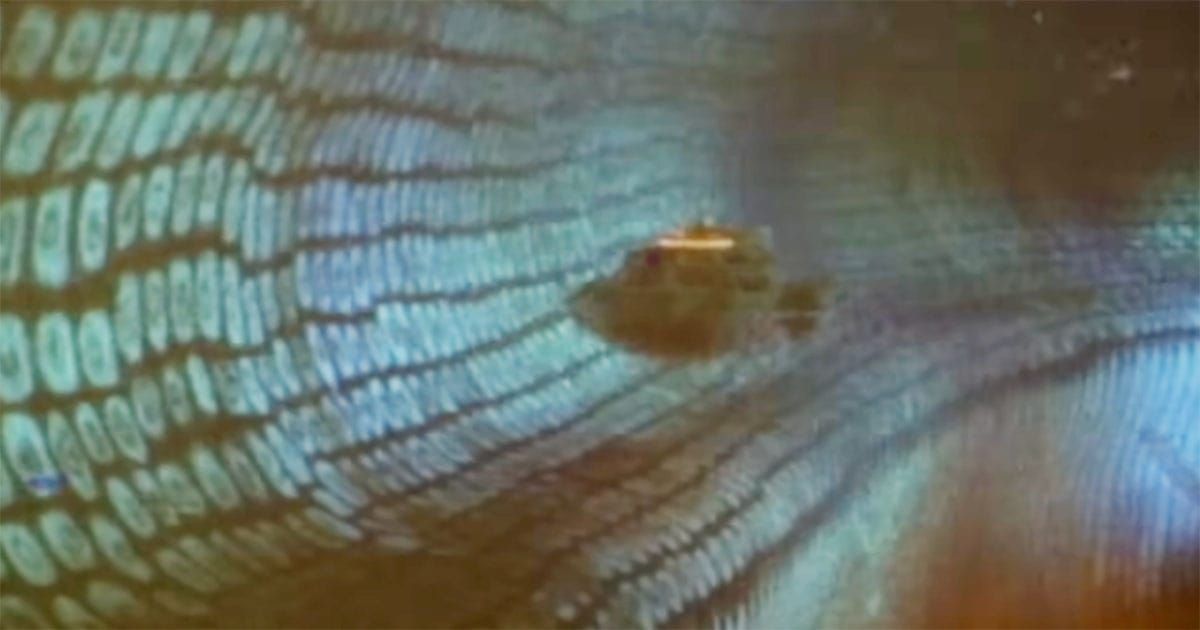
"Fantastic Voyage" arrived in 1966 with an idea that still captures the imagination. Instead of sending explorers across the stars or beneath the sea, the film shrinks a submarine and its crew to microscopic size before launching them into the human body. That simple premise transforms arteries into rivers, lungs into strange caverns, and the bloodstream into one of science fiction's most memorable frontiers.
Director Richard Fleischer builds the adventure around equal parts suspense and spectacle. The crew races against time to save an injured scientist while avoiding the body's own defenses and uncovering a dangerous act of sabotage. Every obstacle reinforces the feeling that the familiar world can become mysterious when viewed from a new perspective.
Modern audiences may smile at the dated special effects or questionable science, yet "Fantastic Voyage" remains remarkably entertaining. Its practical sets, inventive visuals, and sense of discovery create an experience that values imagination above realism. The result is a film that proves great science fiction does not always need distant galaxies when an entire universe exists within the human body.
| Attribute | Details |
|---|---|
| Title | Fantastic Voyage |
| Director | Richard Fleischer |
| Writer | Harry Kleiner, David Duncan |
| Actors or Actresses | Stephen Boyd, Raquel Welch, Edmond O'Brien, Donald Pleasence, Arthur Kennedy |
| Rated | Approved |
| Runtime | 100 min |
| Box Office | $12,000,000 (U.S. and Canada rentals) |
| U.S. Release Date | August 24, 1966 |
| Quality Score | 7.0/10 |
Synopsis
At the height of Cold War tensions, brilliant scientist Dr. Jan Benes defects to the West with knowledge that could reshape the balance of power.
Before he can share his discovery, an assassin's attack leaves him with a blood clot deep inside his brain where conventional surgery cannot reach. Military leaders and medical experts gamble on an untested solution that sounds more like fantasy than science, hoping an impossible mission can succeed where modern medicine cannot.
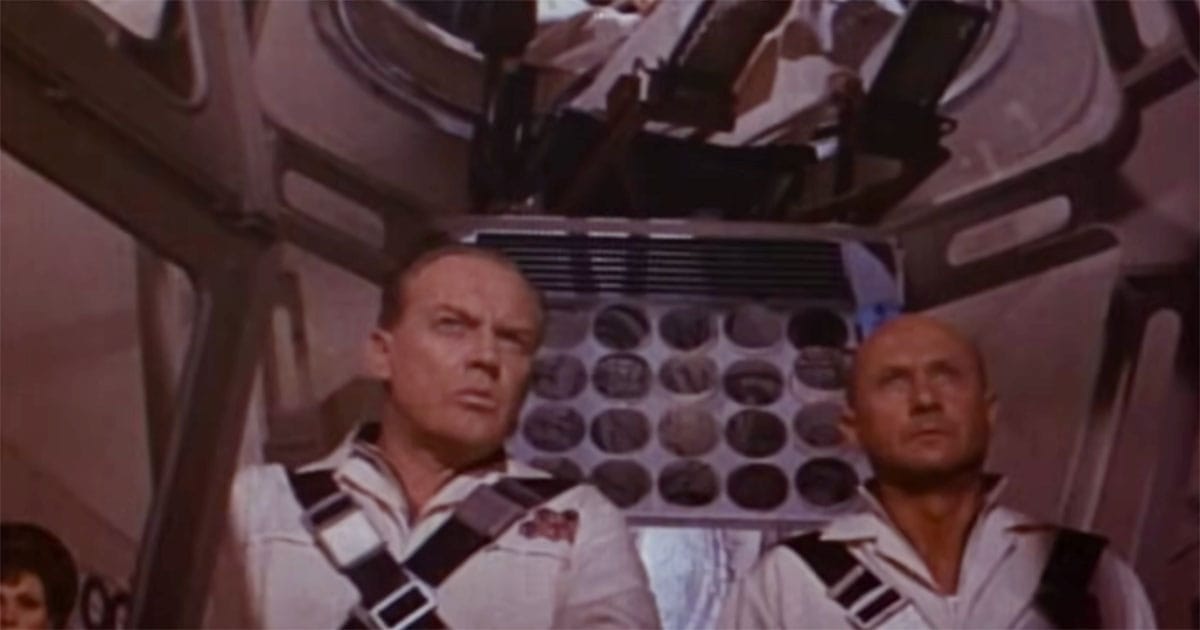
A top-secret team boards the submarine Proteus and undergoes miniaturization before being injected into Benes's bloodstream. Led by experienced professionals from medicine and the military, the crew must navigate an environment that is both familiar and completely alien. Arteries become highways, organs resemble strange landscapes, and ordinary biological functions transform into life-threatening hazards as the explorers push toward their destination.
The mission carries an unforgiving deadline because the shrinking process lasts only sixty minutes before reversing. As the clock counts down, the explorers face attacks from the body's natural defenses while growing suspicious that someone among them may have hidden motives. That uncertainty creates tension beyond the medical emergency and forces the crew to question one another while racing against time.
Rather than dwelling on technical explanations, "Fantastic Voyage" embraces the excitement of discovery. The result is a fast-moving adventure that blends espionage, medical drama, and imaginative science fiction into a memorable journey through the least expected frontier imaginable.
Theme
The Human Body as the Final Frontier
Most science fiction films invite audiences to look outward toward distant planets or unknown galaxies. "Fantastic Voyage" reverses that expectation by looking inward and discovering an equally mysterious universe beneath the skin. The decision gives the film an originality that still feels fresh decades after its release.
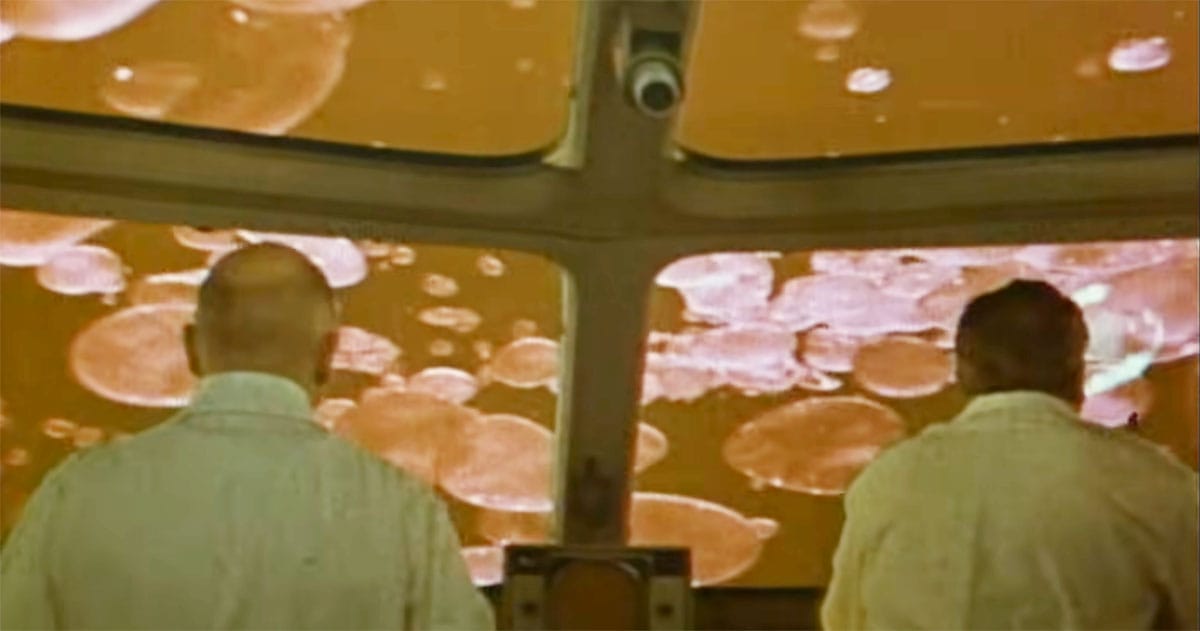
Inside Dr. Benes, blood vessels become twisting rivers and organs resemble strange landscapes carved by nature rather than biology. The crew encounters hazards that exist in every living person but appear terrifying when viewed at microscopic scale. A heartbeat becomes a violent force, and a routine bodily function can destroy the mission in seconds.
This perspective transforms medicine into exploration. The Proteus does not simply travel through a patient. It charts territory that no human has ever seen firsthand, giving viewers the same sense of discovery found in stories about ocean voyages or deep space expeditions. The destination matters less than the journey through an environment that is both familiar and completely unknown.
Science, Courage, and Cooperation
The film also celebrates the idea that impossible problems require talented people working together. Every member of the Proteus crew contributes specialized knowledge, and success depends on combining those skills under extraordinary pressure. No single character possesses the answers needed to complete the mission alone.
That emphasis on cooperation reflects the optimistic spirit of much 1960s science fiction. Scientific progress is presented as a tool that can preserve life rather than destroy it, provided capable people use it wisely. Even when mistakes occur, the crew continues to rely on reason, observation, and discipline instead of panic.
Courage in "Fantastic Voyage" comes from persistence rather than reckless action. The characters repeatedly face situations they could never have imagined, yet they adapt by trusting one another and applying what they know. The result is a story where intellect proves just as valuable as bravery.
Fear From Within
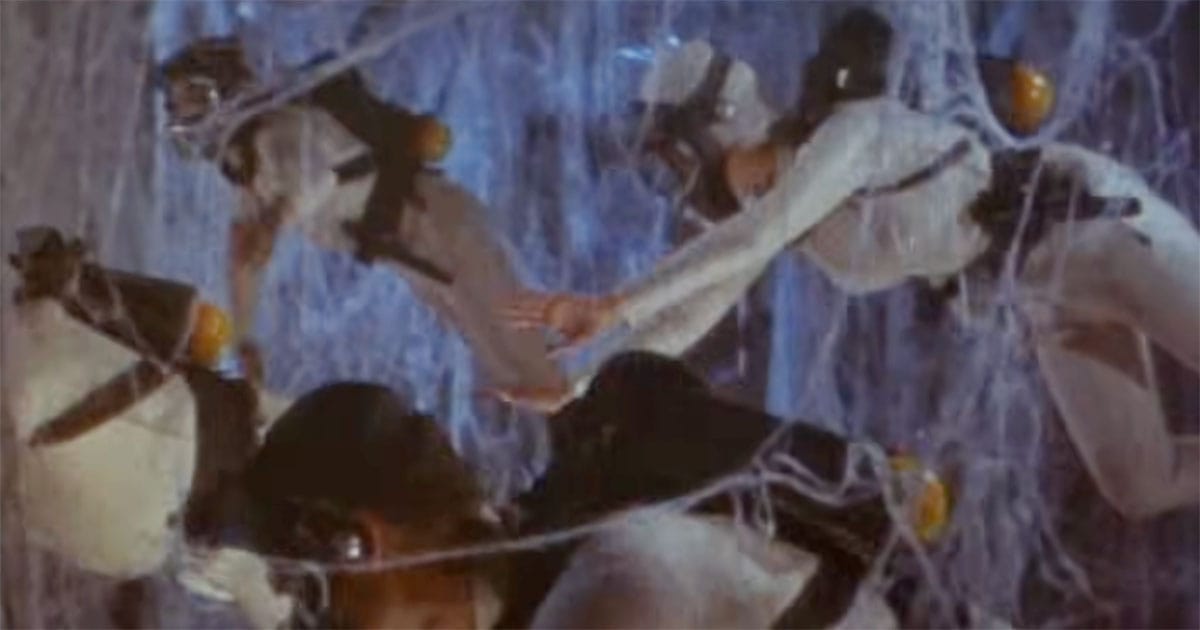
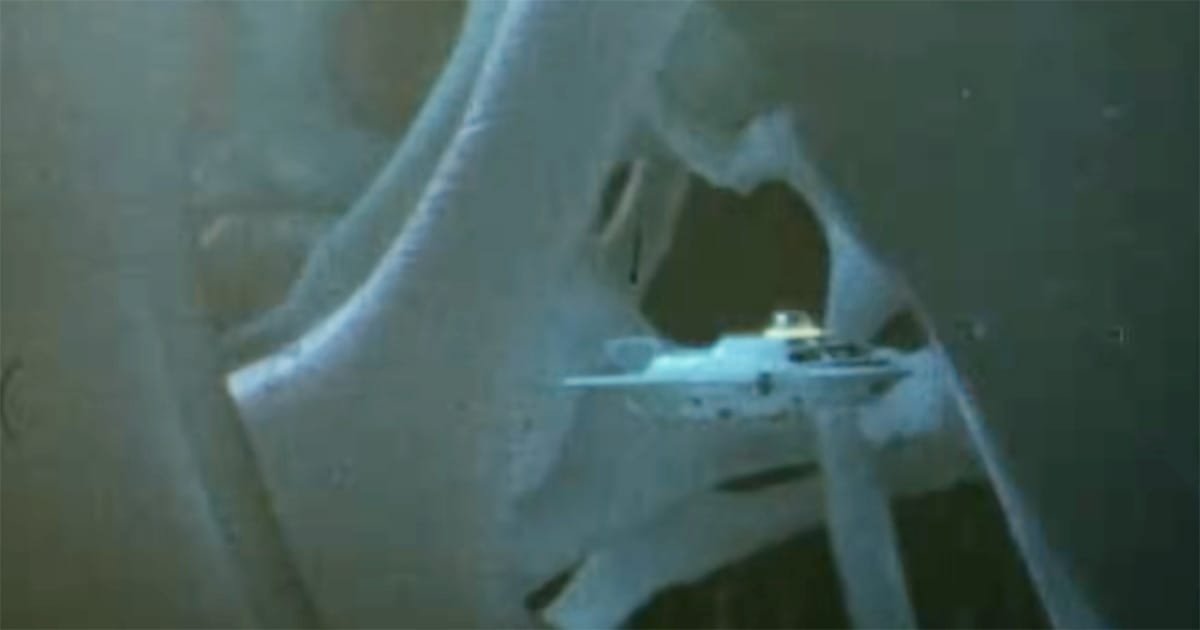
For all of its optimism, "Fantastic Voyage" never forgets that the greatest dangers originate inside the patient himself. The body's immune system becomes the crew's relentless enemy, attacking the miniature intruders without malice or hesitation. White blood cells pursue them like monsters in a classic adventure film even though they are simply performing their natural function.
The screenplay adds another layer of uncertainty through the presence of a possible saboteur aboard the Proteus. Suspicion spreads through the crew as equipment fails and lives are placed at risk, forcing them to wonder whether the mission is being threatened from within as well as from outside. That subplot keeps the tension high without overwhelming the central premise.
Together, the biological threats and human betrayal reinforce the same idea. The most dangerous obstacles are not found in some distant corner of the universe but hidden beneath the surface of ordinary life. By turning the human body into both setting and adversary, "Fantastic Voyage" creates suspense that remains surprisingly effective and gives the film a lasting place among classic science fiction adventures.
Who Will Watch
Fans of Classic Science Fiction
"Fantastic Voyage" will appeal to viewers who appreciate bold ideas and imaginative storytelling more than technical perfection. Its Cold War backdrop, optimistic view of science, and willingness to turn the human body into an unexplored frontier capture the adventurous spirit that defined much of 1960s science fiction.
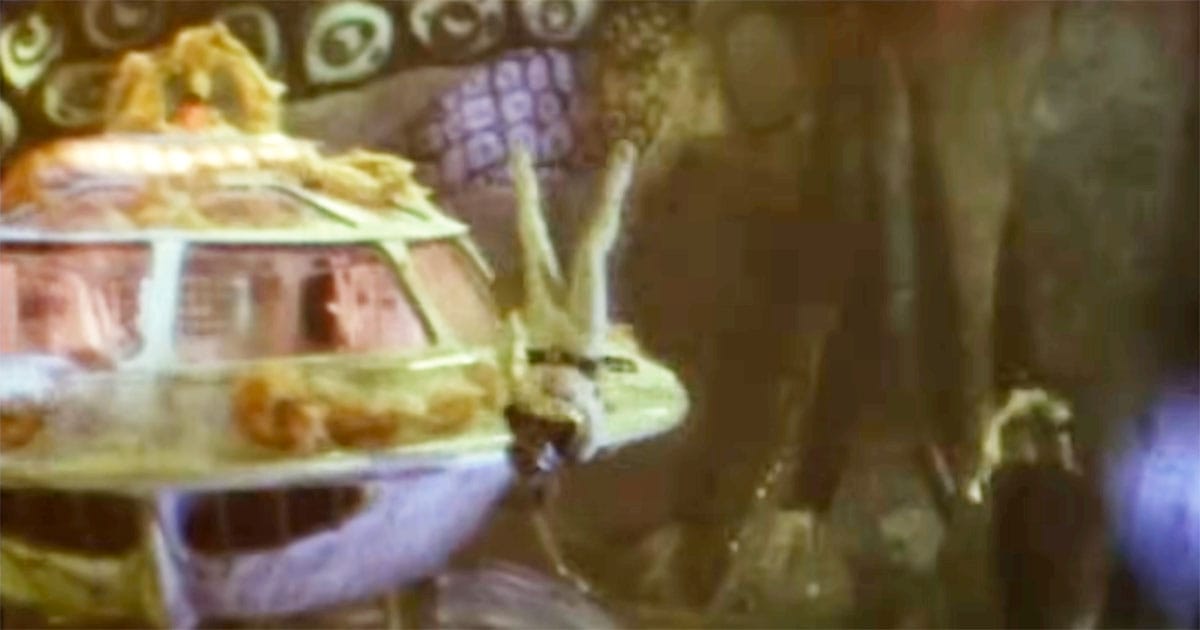
The practical effects and oversized sets remain fascinating examples of filmmaking ingenuity, creating memorable images that continue to hold their charm decades later. Anyone who enjoys classic cinema that relies on creativity instead of computer-generated spectacle is likely to find the film rewarding.
The movie also works as an engaging adventure. A relentless time limit, hidden sabotage, and constant environmental hazards keep the tension high while the crew races toward its objective. Those elements give the story enough momentum to satisfy audiences who simply want an entertaining thriller with an unusual premise.
Modern Viewers
Modern audiences should approach "Fantastic Voyage" with the understanding that scientific realism is not its primary goal. The biology often bends to the needs of the narrative, and many of the concepts belong more to fantasy than medicine. Yet the film's appeal has never rested on technical accuracy. It succeeds because it invites viewers to imagine the impossible and presents that imagination with sincerity and conviction.
For anyone willing to embrace its creative liberties, "Fantastic Voyage" offers an experience unlike almost any other science fiction film. The journey through the human body remains visually inventive, surprisingly suspenseful, and filled with the sense of wonder that has always defined the genre's best adventures.