
How Sandtrout Created the World of Dune
Sandtrout are the Little Makers of "Dune," shaping Arrakis, the spice cycle, and the sandworms while playing a crucial role in Leto II’s transformation.

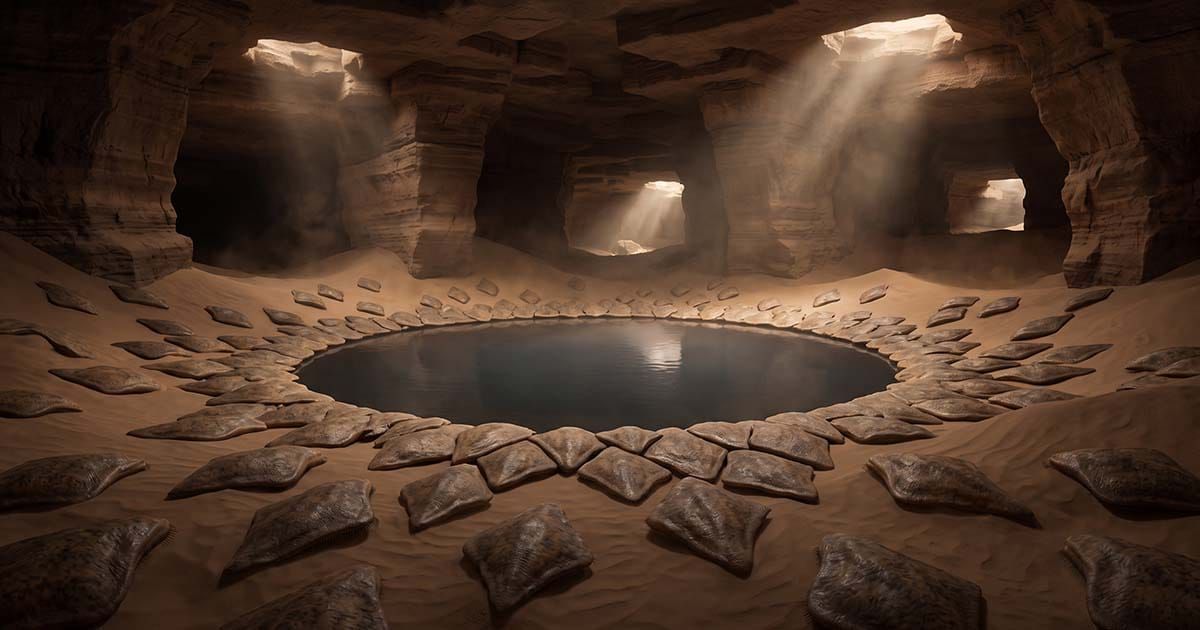
The Little Makers of Dune
Sandtrout are among the smallest creatures in Frank Herbert's "Dune" universe, but few organisms have a greater effect on its history. Known to the Fremen as Little Makers, they belong to the biological cycle that eventually produces the enormous sandworms of Arrakis.
Calling them baby sandworms, however, leaves out most of the story. Sandtrout seek water, isolate it beneath the desert, and help maintain the conditions upon which the sandworm and spice cycles depend. Their biology connects Arrakis, melange, and the great worms into one ecological system.
That relationship also explains one of the central ideas behind "Dune." The desert is not merely scenery for Herbert's story. It is the product of a living system that has shaped both the planet and the human civilization dependent upon it.
Origins and Context
The ecological mystery begins in "Dune" (1965), where Herbert establishes connections among Arrakis' scarce water, Little Makers, sandworms, and spice. The later novels make those relationships much clearer, particularly "Children of Dune" (1976).
"Children of Dune" reveals that Arrakis once possessed much more water. Leto II concludes that sandtrout were introduced to the planet in the distant past and gradually isolated its available water, creating conditions in which the sandworm cycle could flourish.
That revelation changes how readers can view the first novel. Arrakis is not simply an unlucky planet condemned to endless drought. Its desert has been shaped by organisms that alter their own environment on a planetary scale.
Herbert develops the idea further across his later novels. "The Dune Encyclopedia" (1984) offers additional biological detail, but it is best treated as supplementary material rather than as equal authority with Herbert's six original novels.
| Field | Details |
|---|---|
| Name | Sandtrout |
| Aliases | Little Makers |
| Affiliation | Arrakis ecosystem; sandworm life cycle; later associated with Leto II Atreides |
| Rank or Role | Larval stage associated with the Arrakeen sandworm; water-sequestering organism; essential part of the spice ecology |
| First Appearance | "Dune" by Frank Herbert, 1965 |
| Description | Small, leathery organisms that seek and isolate underground water on Arrakis. Their activity helps create the arid conditions required by mature sandworms and contributes to the ecological processes behind melange. Sandtrout gain greater importance in "Children of Dune," where their unusual biology becomes central to Leto II Atreides and his transformation. |
How Water Becomes Spice
Sandtrout have a peculiar relationship with water. They seek it out and gather around underground supplies, joining together until they form large biological barriers that isolate the moisture from the surrounding environment.
That behavior helps explain a seeming contradiction in "Dune." Sandtrout are attracted to water, while substantial exposure to water is deadly to mature sandworms. The difference comes from their positions within the life cycle and the biological changes that occur as the creatures develop.
The process also connects them to melange. Sandtrout activity around underground water contributes to the formation of pre-spice mass, which can build pressure beneath the surface until a violent spice blow carries material upward. Exposure at the surface eventually leaves the spice that makes Arrakis the most economically important planet in the Imperium.
Some surviving sandtrout continue through the developmental process that produces young worms and eventually the great sandworms. The result is a remarkable biological circle in which water, sandtrout, desert, worms, and spice depend upon one another.
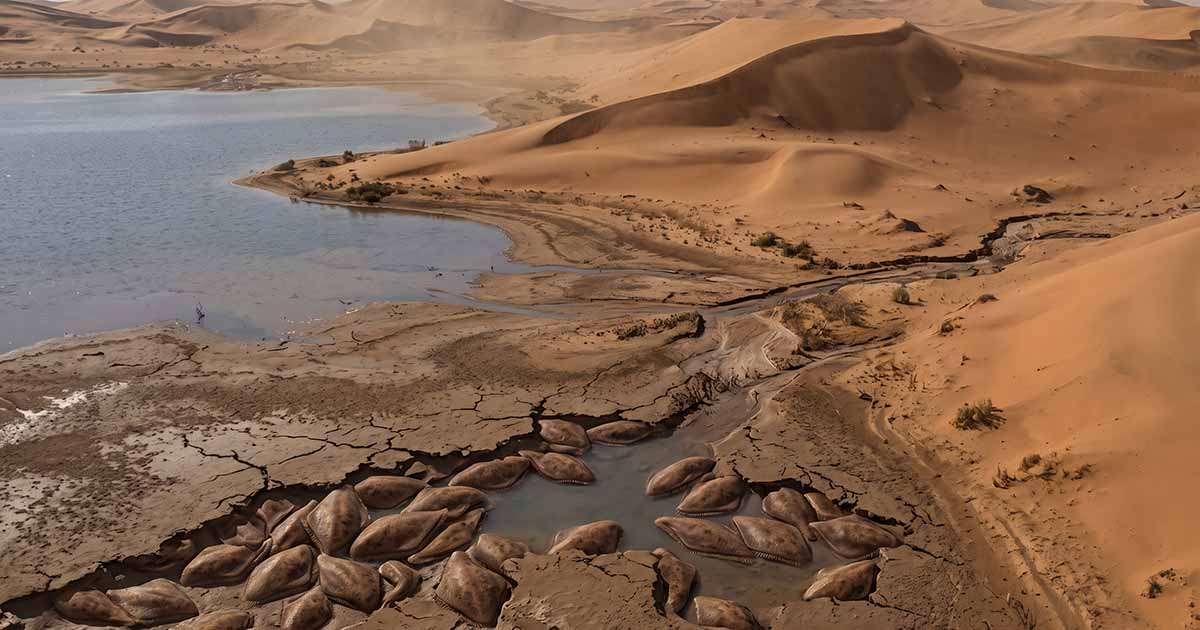
How They Shaped Arrakis
Sandtrout do not simply survive the Arrakeen desert. They help create the conditions that make such a desert possible. By sealing away water underground, vast populations of the creatures gradually remove accessible moisture from the environment.
This gives Herbert's desert a history. In "Children of Dune," Leto II recognizes that Arrakis was once wetter and that the arrival of sandtrout changed the planet. Their ability to encyst water eventually produced conditions favorable to the mature worms.
The idea also complicates the Fremen dream of transforming Arrakis into a greener world. Increasing available water threatens the desert conditions necessary for sandworms, which in turn threatens the biological system responsible for spice.
Herbert therefore makes ecology inseparable from politics. Changing Arrakis means changing the worms, spice production, Fremen society, and ultimately the balance of power throughout the Imperium.
Role in the Story
Sandtrout remain largely an ecological mystery in "Dune," but "Children of Dune" gives them a startling new importance. Fremen children know that a sandtrout can spread over a hand and cling to it like a living glove.
SPOILER WARNING for "Children of Dune" and later novels. Leto II takes this familiar behavior far beyond a children's game by allowing sandtrout to cover nearly his entire body. Instead of simply removing them, he permits the organisms to become a living membrane around him.
The union changes Leto physically and gives him extraordinary strength and speed. More importantly, it begins the long transformation that eventually produces the human and sandworm hybrid at the center of "God Emperor of Dune."
The 2003 miniseries "Frank Herbert's Children of Dune" brings this event to the screen, making sandtrout considerably more visible than adaptations focused on the first novel. David Lynch's "Dune" (1984), the 2000 miniseries "Frank Herbert's Dune," and Denis Villeneuve's first two "Dune" films concentrate on earlier events, before sandtrout become central to Leto II's story.

Why Sandtrout Matter
Sandtrout embody one of Herbert's most enduring ideas about ecology. A creature need not be large, intelligent, or impressive to change history. Given enough time, a simple biological behavior can transform an entire planet.
Without sandtrout, the familiar Arrakis could not exist in the same form. Without its desert ecology, there can be no great sandworms and no spice cycle upon which the Imperium depends. Herbert takes something resembling an insignificant scrap of desert life and places it beneath the foundations of galactic civilization.
That is what makes the Little Makers so memorable. Shai-Hulud may dominate the horizon, but the humble sandtrout help make Shai-Hulud possible.