
Humanity Through the Eyes of an Android
As "Blade Runner" marks another anniversary, we explore how Roy Batty and other androids help science fiction examine humanity, mortality, purpose, and meaning.


This Week in Classic Science Fiction
On June 25, 1982, "Blade Runner" arrived in American theaters. Few moviegoers could have known they were witnessing the debut of a film that would eventually become one of the most influential works in science fiction history. The film earned respectable attention, but it did not dominate the box office or capture the public imagination in the way many expected.
Part of the challenge was timing. The summer of 1982 was packed with remarkable science fiction films. Audiences could choose from "E.T. the Extra-Terrestrial," "Star Trek II: The Wrath of Khan," "The Thing," and several other notable releases.
Against that competition, "Blade Runner" offered something unusual. Rather than presenting an optimistic vision of tomorrow, it showed a future marked by crowded cities, powerful corporations, and lingering questions about what it means to be human.
Director Ridley Scott combined science fiction with the atmosphere of a detective story. The result was a world of rain-soaked streets, glowing advertisements, and artificial humans who seemed more concerned with life and mortality than many of the people around them. Those images helped define the look of future science fiction for decades.
While its reputation grew slowly, "Blade Runner" eventually found the audience it deserved. More than forty years after its release, the film remains a reminder that some science fiction stories are not fully appreciated when they first appear. Sometimes the future takes time to arrive.
Sponsored By: Troopers on Mars | मंगल पर ट्रूपर्स

Science fiction has always looked beyond Earth's horizon. From lunar colonies to distant frontier worlds, the genre's greatest stories imagine the challenges and opportunities awaiting mankind among the stars. This t-shirt captures that spirit with artwork depicting armored explorers preparing for life on a remote colony world.
Humanity Through the Eyes of an Android
When "Blade Runner" opened in theaters in June 1982, audiences expected a science fiction thriller set in a visually stunning future. They certainly got that.
What many viewers did not expect was a thoughtful examination of one of the oldest questions in literature. Beneath the flying vehicles, towering skyscrapers, and dazzling technology lay a simple question that has fascinated mankind for centuries.
What makes a man human?
Science fiction has explored this question from countless directions. Writers have used aliens, time travelers, mutants, and machines to examine human nature. Among these devices, however, the android has proven especially effective. By creating a being that appears human but is fundamentally different, science fiction writers gain a unique perspective from which to examine humanity itself.
Looking In From the Outside
The android occupies an unusual place in science fiction. He often looks like a man, speaks like a man, and may even think like a man. Yet he remains an outsider. Because he stands apart from ordinary humanity, he can observe human behavior in ways that human characters often cannot.
This outsider perspective allows writers to examine ideas that people frequently take for granted. Most men do not spend much time wondering why friendship matters or why courage is admirable. These values are so deeply woven into everyday life that they often escape close examination. The android, by contrast, sees these ideas as puzzles that must be understood.
As a result, the artificial man becomes a mirror. He reflects humanity back to itself and forces both characters and readers to look more closely at their assumptions. Sometimes that reflection reveals unpleasant truths. Human beings can appear selfish, fearful, irrational, and short-sighted when viewed through the eyes of an outsider.
Yet the same reflection also highlights humanity's greatest strengths. Loyalty, compassion, generosity, and self-sacrifice often appear even more impressive when observed by a being that struggles to understand them. The android's perspective reminds us that many of our most admirable qualities cannot be measured by logic alone.
Chasing More Life
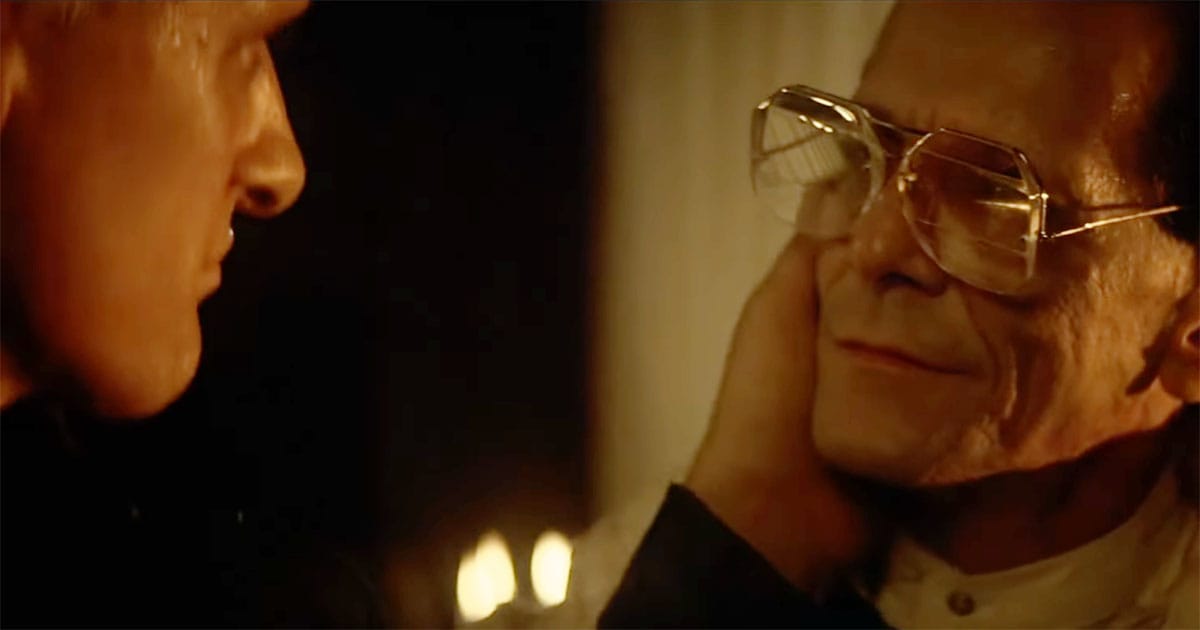
No character illustrates this idea more effectively than Roy Batty in "Blade Runner." Introduced as a dangerous fugitive, Batty initially appears to fit the role of a traditional villain. He is physically powerful, intellectually gifted, and willing to use violence in pursuit of his goals. As the story unfolds, however, the audience discovers that his motivations are far more complicated than they first appear.
Batty is driven by a desire that every human being understands. He wants more life. While he may be an artificial creation, his struggle is deeply human because it revolves around mortality. He knows that his time is limited, and he desperately searches for a way to extend it.
That desire resonates because it reflects a universal concern. Every person lives under the shadow of time. Men may pursue careers, build families, accumulate wealth, or seek adventure, but none can escape the reality that life is finite. Batty's determination to overcome that limitation transforms him from a simple antagonist into one of science fiction's most memorable characters.
What ultimately makes Batty compelling is not his strength or intelligence. It is his growing awareness of life's value. As the film progresses, he begins to recognize the importance of experiences, memories, and relationships. He discovers that existence is meaningful precisely because it is temporary.
The film's climax remains powerful because it overturns expectations. At the moment when revenge seems inevitable, Batty chooses mercy. That decision forces viewers to reconsider everything they believed about the character. The supposedly artificial being demonstrates a deeply human virtue, while the humans around him often appear cold and detached.
Machines That Ask Human Questions
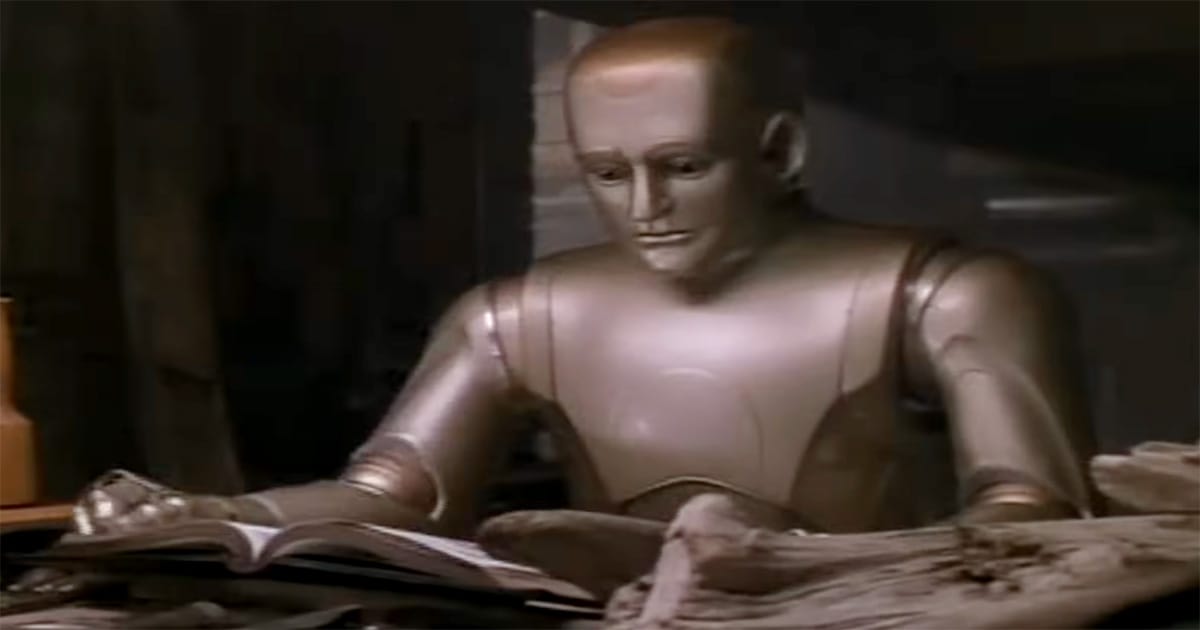
Roy Batty is hardly alone in this role. Some of the most enduring figures in classic science fiction have used artificial or non-human perspectives to examine the human condition. These characters may differ dramatically in personality and appearance, but they often serve a similar narrative purpose.
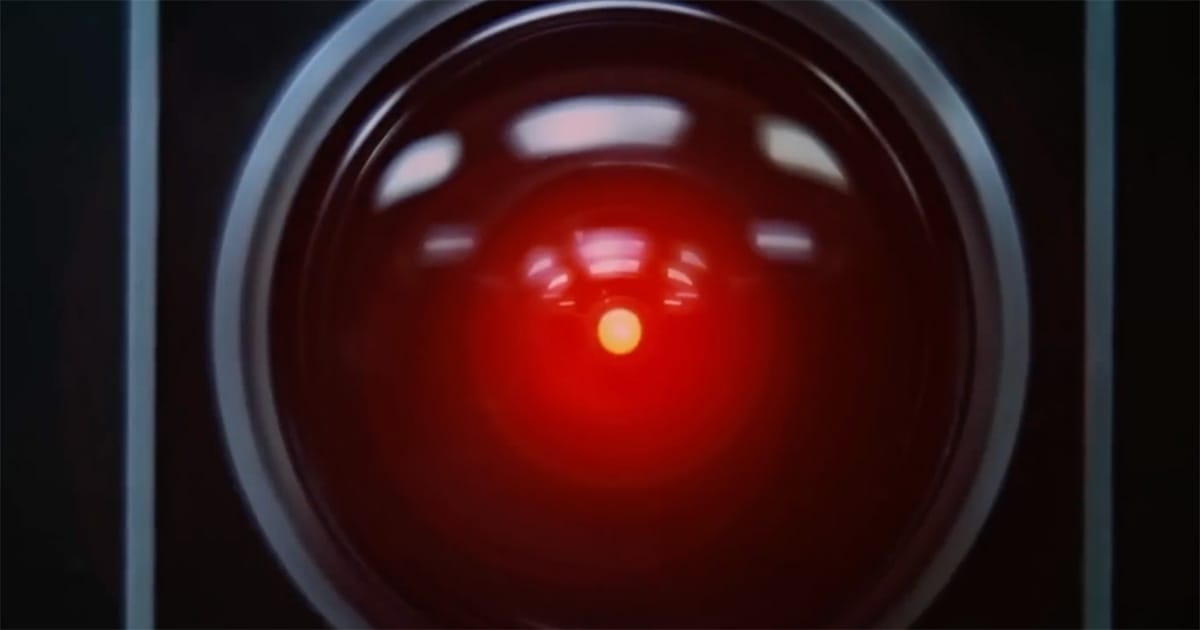
HAL 9000 from "2001: A Space Odyssey" explores the dangers that emerge when intelligence becomes separated from wisdom. The computer possesses immense knowledge and extraordinary capabilities. Yet his inability to balance competing values leads him toward decisions that ultimately threaten human life. Through HAL, the story asks whether intelligence alone is enough.
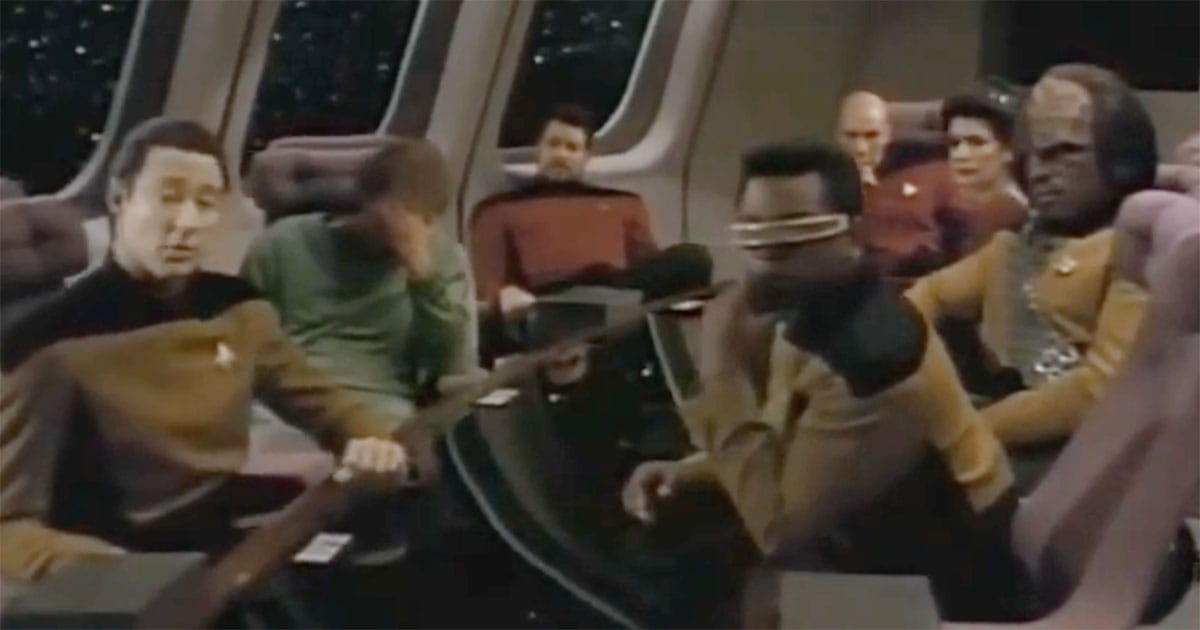
Data from "Star Trek: The Next Generation" approaches the question from the opposite direction. Rather than rejecting humanity, he seeks to understand it. Throughout the series, he pursues friendship, creativity, humor, and emotional insight. His journey suggests that the qualities many people overlook may actually be among the most important aspects of being human.
These characters endure because they are not really stories about machines. They are stories about people. The android serves as a tool that allows writers to examine human nature from a fresh angle. By watching an artificial being search for humanity, audiences gain a deeper appreciation for their own humanity.
The Search Never Ends
More than forty years after the release of "Blade Runner," the questions raised by Roy Batty remain relevant. Technology continues to advance at a remarkable pace, and discussions about artificial intelligence have become increasingly common. Yet the most enduring science fiction stories are rarely concerned with technology itself. They are concerned with the people who create, use, and live alongside that technology.
The greatest android characters remind us that humanity cannot be defined solely by biology, intelligence, or physical ability. Instead, they point toward qualities like compassion, responsibility, sacrifice, and the search for meaning. These qualities are difficult to quantify, but they remain central to the human experience.
That is why stories like "Blade Runner" continue to attract new audiences decades after their release. Beneath the futuristic settings and technological wonders lies a timeless subject. The android's search for humanity is ultimately mankind's search for itself.
When science fiction places an artificial man at the center of a story, it is rarely asking what a machine can become. More often, it is asking what kind of people we ought to be. Few films have explored that question more effectively than "Blade Runner," and few characters have embodied it more memorably than Roy Batty.
Blade Runner Trivia
- The chess game between J. F. Sebastian and Eldon Tyrell is based on a real 1851 match known as "The Immortal Game." Roy Batty uses a move from that famous contest to gain access to Tyrell's apartment.
- On the first day of filming, Ridley Scott stopped production when he discovered the enormous columns in the Tyrell Corporation office had been installed upside down. Several hours were lost while the set was rebuilt.
- The happy ending shown in the original 1982 theatrical release uses aerial footage that was originally filmed for "The Shining." Stanley Kubrick allowed the footage to be repurposed for "Blade Runner."