
Living in Orwell's Shadow
George Orwell's "Nineteen Eighty-Four" helped define modern dystopian science fiction. Explore its influence on surveillance, propaganda, and the struggle between individuals and powerful systems.

This Week in Classic Science Fiction
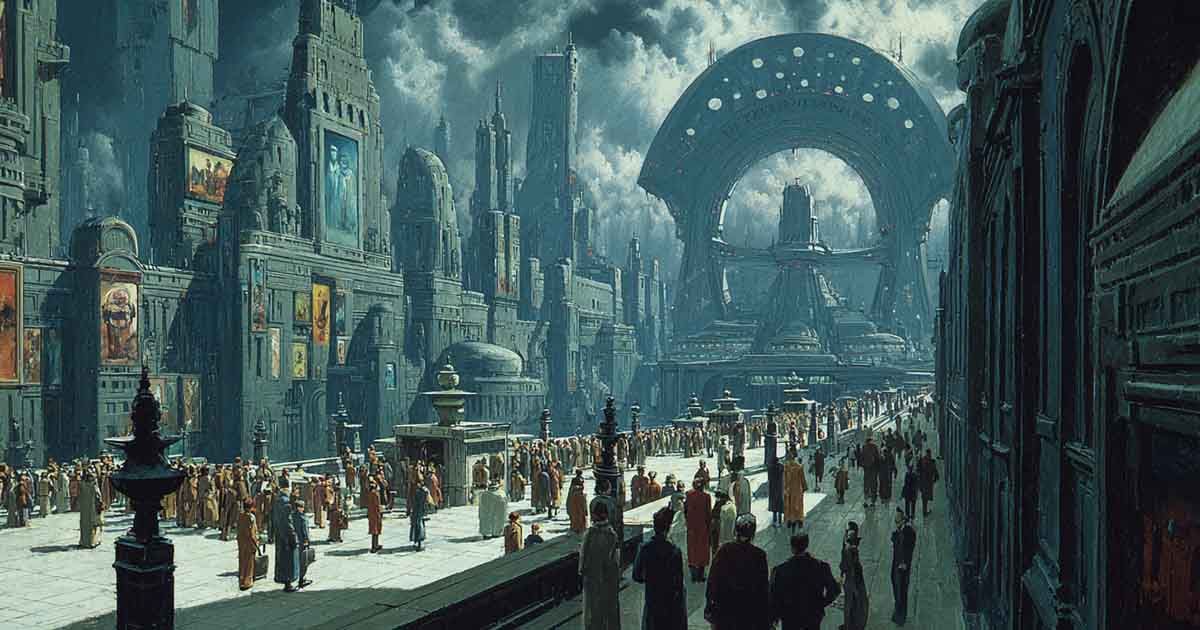
This week marks one of the most important anniversaries in science fiction history. On June 8, 1949, George Orwell's "Nineteen Eighty-Four" reached American readers and introduced them to a future unlike anything they had seen before.
Orwell's novel presents a world where government surveillance is constant, history is rewritten to serve political needs, and even private thoughts are subject to punishment. The story follows Winston Smith, a minor bureaucrat who begins to question the authority of Big Brother and the ruling Party.
Few science fiction novels have contributed more words to everyday language. Terms like Big Brother, Thought Police, Newspeak, and doublethink escaped the pages of the novel and entered common use. More than 75 years later, people still invoke Orwell whenever new technologies raise questions about privacy, censorship, or government power.
The influence of "Nineteen Eighty-Four" extends far beyond literature. Its ideas can be seen throughout classic science fiction, from "THX 1138" and "Brazil" to countless episodes of "The Twilight Zone" and "Star Trek." The novel helped define the modern dystopian story and remains one of the genre's most enduring warnings about the dangers of unchecked authority.
Sponsored by: Alien Free Fall | Свободное | Science Fiction T-shirt

The Alien Free Fall | Свободное T-shirt celebrates one of science fiction's oldest themes, the call to explore the unknown. Featuring a lone soldier descending toward an alien planet, the design captures the excitement, danger, and wonder of venturing beyond familiar horizons. Soft, lightweight, and comfortable for everyday wear, it's a fitting choice for fans who still believe the next great adventure may be waiting on another world.
Living in Orwell's Shadow
The Dystopian Blueprint
Spend enough time reading science fiction, and you begin to notice a familiar pattern. The government watches its citizens. Information is tightly controlled. Independent thought becomes dangerous. Somewhere in the middle of it all, an ordinary person begins asking questions that powerful people would prefer remain unasked.
These elements feel so common today that it is easy to assume they have always been part of science fiction. In reality, many of the ideas we associate with dystopian fiction became far more recognizable after the publication of George Orwell's "Nineteen Eighty-Four." While Orwell did not invent dystopian fiction, he helped define what it would look like for generations of readers and writers.
His influence extends far beyond a single novel. Many of the most memorable dystopian films, television series, and books that followed borrowed from concerns Orwell placed at the center of his story. Even when later creators were not directly imitating him, they often found themselves exploring the same territory.
The Government Is Watching
One of Orwell's most important contributions was making surveillance a central theme of dystopian science fiction. In "Nineteen Eighty-Four," citizens live beneath the gaze of the Party. Telescreens monitor their activities, neighbors report suspicious behavior, and privacy has become almost nonexistent.
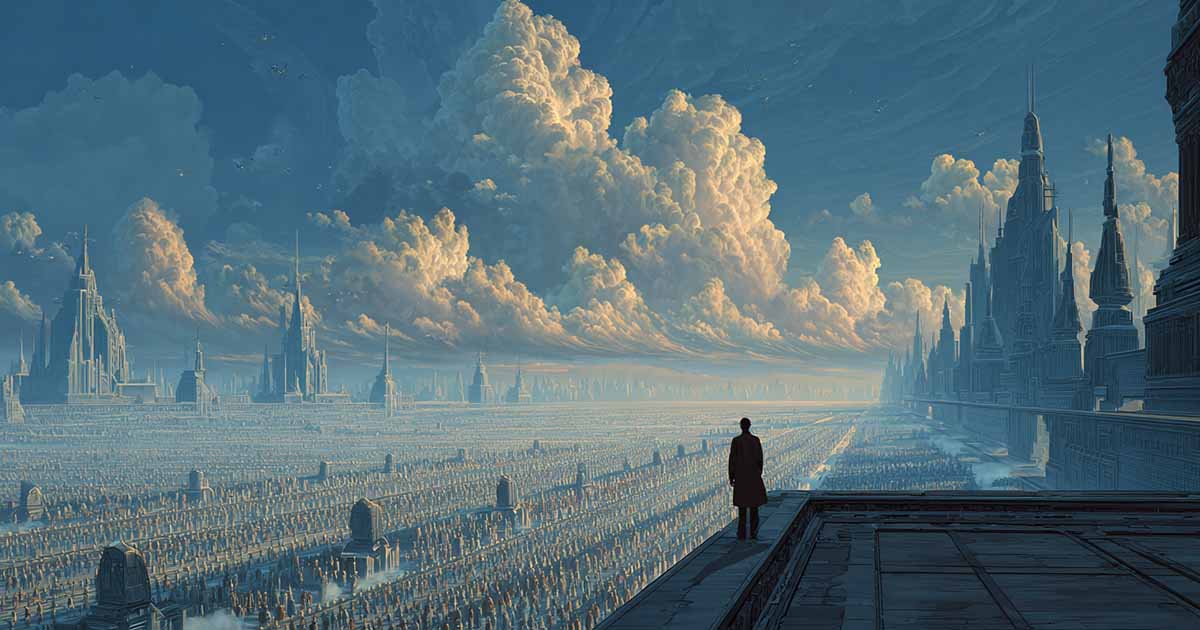
The idea works because it creates constant tension. A citizen who knows he is being watched behaves differently from one who believes he is alone. Every conversation carries risk. Every action may be judged. Even harmless behavior can attract unwanted attention.
What makes Orwell's vision particularly unsettling is that citizens never know exactly when they are being observed. The uncertainty becomes a form of control. People begin monitoring themselves long before the authorities need to intervene.
This concept appears throughout later science fiction. Films like "THX 1138" and "Brazil" depict societies where individuals struggle beneath vast systems of observation and control. The technology may differ from Orwell's telescreens, but the underlying fear remains remarkably similar.
Orwell's real insight was psychological rather than technological. Surveillance changes behavior. When people believe they are constantly being watched, they become cautious, predictable, and easier to control. That idea remains as powerful today as it was in 1949.
The Battle for Reality
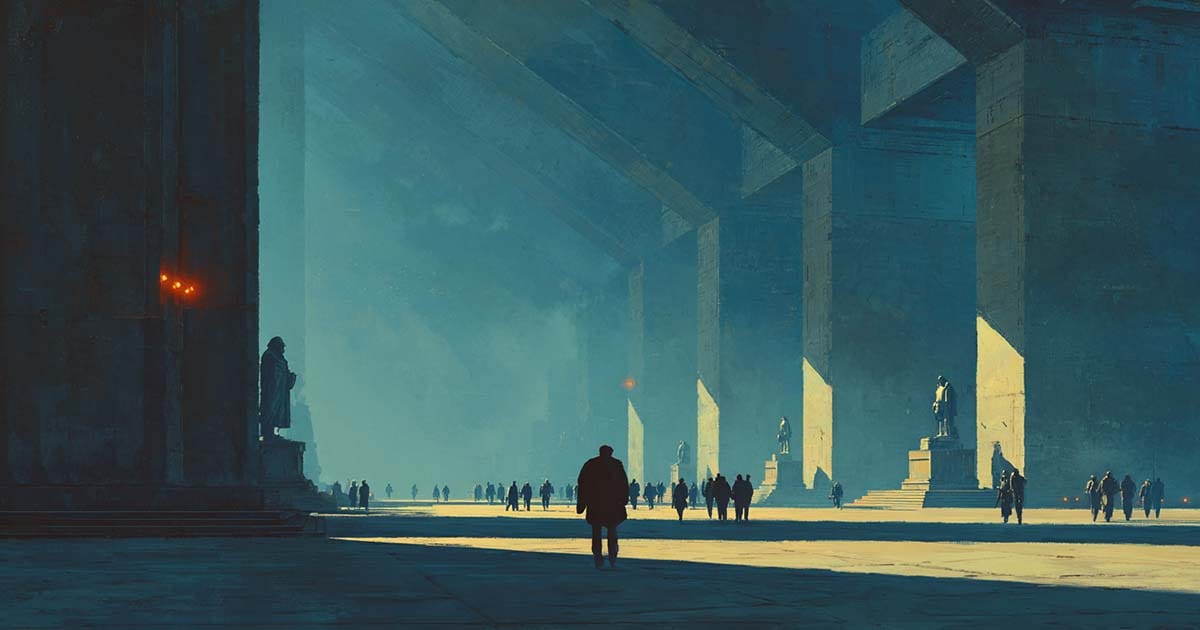
Surveillance is only one part of Orwell's legacy. Equally important is his focus on information and truth. In many dystopian stories, the struggle is not over territory or resources. It is a struggle over reality itself.
Winston Smith works at the Ministry of Truth, where newspapers and historical records are routinely revised to match the Party's latest version of events. Facts become flexible. The past becomes whatever those in power say it is.
Most people assume that history is permanent. Orwell challenged that assumption. He imagined a society where records could be altered so thoroughly that citizens would have no reliable way to verify what had actually happened.
The power of this idea can be seen throughout science fiction. Countless stories feature governments, corporations, or institutions that manipulate information. Some hide the truth. Others manufacture it. The details vary, but the basic conflict remains familiar.
Orwell understood that controlling information can be more effective than controlling people through force. A government that shapes what citizens know can also influence how they think. This insight helped inspire decades of stories built around propaganda, censorship, and manufactured realities.
The Individual Versus the System
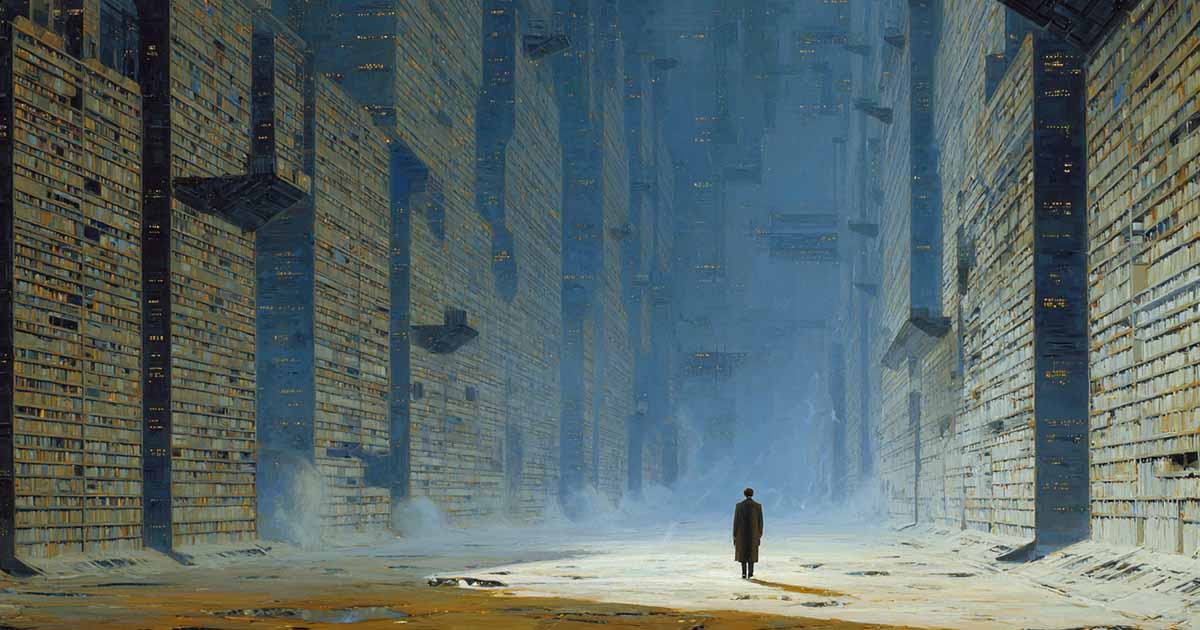
Another reason Orwell's influence remains so strong is his choice of protagonist. Winston Smith is not a military hero, scientific genius, or fearless adventurer. He is an ordinary man trying to maintain a sense of individuality inside a system designed to eliminate it.
That decision shaped many dystopian stories that followed. The protagonists of these stories are often less concerned with saving the world than with preserving their freedom, their memories, or their humanity. Their victories, when they occur, are frequently personal rather than global.
Readers connect with these characters because the struggle feels familiar. Few people will ever command a starship or battle an alien empire. Nearly everyone understands what it means to resist pressure, question authority, or defend deeply held beliefs.
Orwell helped demonstrate that science fiction could tell stories about the human spirit as effectively as it could tell stories about technology. The conflict between an individual and an overwhelming system became one of the genre's most durable storytelling frameworks.
Many later dystopian heroes walk a path that Orwell helped establish. They may inhabit different worlds and face different threats, but they often confront the same essential challenge. How does a person remain an individual when powerful institutions demand conformity?
The Long Shadow of Orwell
Science fiction has changed dramatically since the publication of "Nineteen Eighty-Four." New technologies have emerged. New fears have replaced old ones. Writers continue finding fresh ways to imagine the future.
Yet Orwell's themes continue to return because they address concerns that never disappear completely. Questions about freedom, authority, truth, and conformity remain relevant regardless of the era. Every generation encounters them in a slightly different form.
That is why so many dystopian stories feel connected to one another. Whether the threat comes from a government, a corporation, an artificial intelligence, or some other source of power, the underlying concerns often echo ideas Orwell explored decades ago.
His greatest achievement was not predicting the future with perfect accuracy. It was providing science fiction with a framework for examining power and its consequences. Later writers expanded that framework, challenged it, and adapted it to new circumstances, but they rarely escaped its influence.
Whenever a science fiction story warns about surveillance, manipulated information, or the loss of individual freedom, it is traveling a path Orwell helped chart. Few authors have left a deeper mark on the genre. More than seventy-five years after "Nineteen Eighty-Four" first appeared, science fiction is still living in Orwell's shadow.