
Lock In and the Long Journey of the Disembodied Mind
John Scalzi’s 2014 novel "Lock In" marked a fresh take on the science fiction idea of life apart from the body, linking a grounded mystery to a tradition that stretches back nearly a century.


This Week in Classic Science Fiction
On August 26, 2014, readers first encountered John Scalzi’s "Lock In," a near-future mystery built on the unsettling idea of living without control of one’s body. Victims of Haden’s Syndrome remain fully aware while relying on robotic “threeps” or linked human Integrators to interact with the world. The book’s mix of procedural plotting and plausible technology made it an instant conversation piece among science fiction fans.
This late-August release recalls a long tradition of exploring life lived outside the body. Philip K. Dick’s "Do Androids Dream of Electric Sheep?" imagined android stand-ins for people in a ruined world. Earlier still, E. C. Tubb’s "The Mechanical Monarch" depicted an entire society ruled by a disembodied intelligence. "Lock In" brought those ideas into the language of modern crime fiction, replacing distant futures with a setting that feels close at hand.
Other late-August dates mark intriguing footnotes in science fiction history. On August 28, 1998, the American release of "Blade" introduced moviegoers to a superhero built from the union of human and otherworldly traits. On August 30, 1985, "Explorers" landed in theaters, offering a lighter view of young dreamers building their own path to the stars. These moments remind us how the genre thrives on pushing human experience beyond familiar boundaries.
Sponsor: Purple Alien Commander | מפקד חייזר סגול
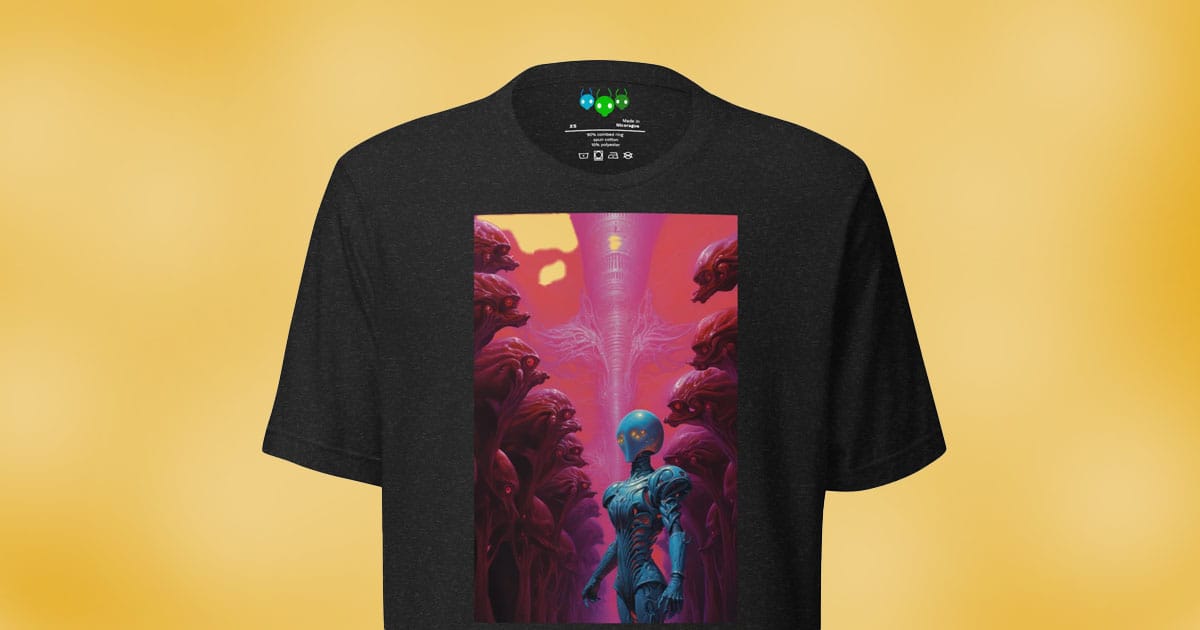
Command attention with the Purple Alien Commander Science Fiction T-shirt. Featuring a bold, otherworldly design and crafted from soft, lightweight fabric, it delivers all-day comfort with just the right amount of stretch. Perfect for fans who want to wear their love of science fiction wherever they go.
When the Mind Leaves the Body
When John Scalzi released "Lock In," he offered a rare example of a science fiction novel that placed consciousness transfer inside the framework of a grounded procedural mystery. Rather than treating the idea as a singular experiment or distant speculation, the story unfolded in a world already accustomed to it.
Its publication on August 26, 2014, demonstrated how a well-worn genre concept could be reshaped for contemporary readers. The book’s debut also connected modern science fiction to decades of earlier explorations of the mind living beyond the body.
From Pulp Pages to Preserved Minds
Writers in the early twentieth century often approached the idea of a separated mind with wonder and caution. Edmond Hamilton’s "The Comet Doom" imagined alien technology preserving consciousness long after the body was gone.
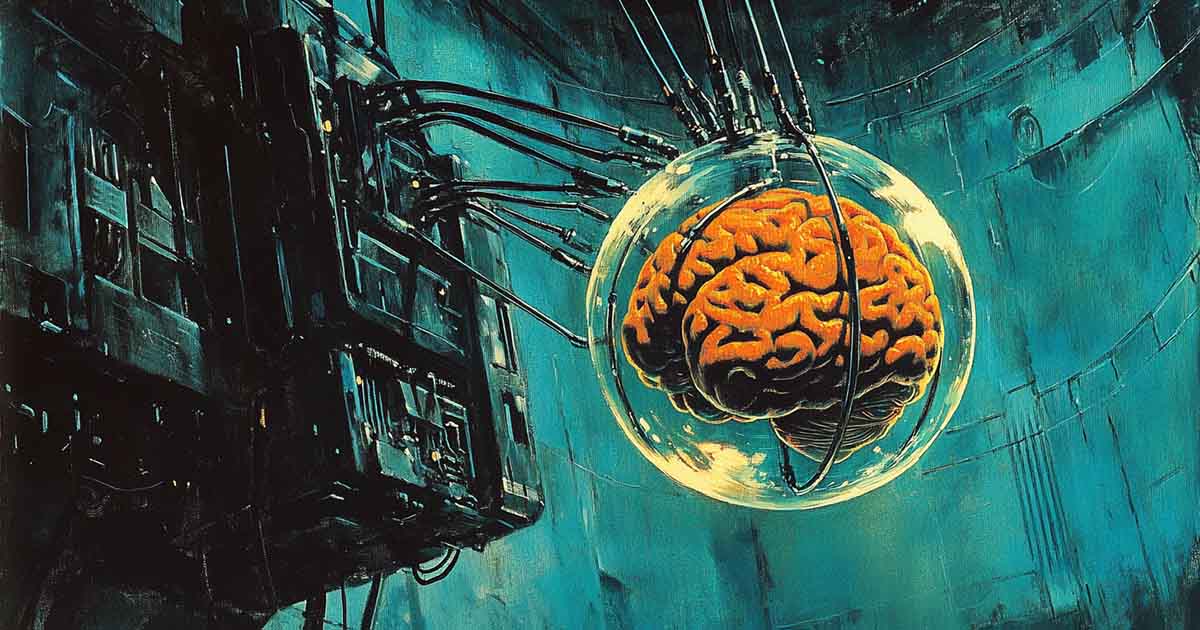
By the 1940s and 1950s, pulp magazines explored machines that could store thought patterns or transmit personality. These early treatments hinted at the possibility of survival beyond the limits of flesh, even if they lacked the social realism found in later works.
Philosophy and Machine Intellect
By the 1960s, the idea had gained more intellectual weight. In "2001: A Space Odyssey," Arthur C. Clarke and Stanley Kubrick presented HAL 9000 as an artificial mind that forced audiences to reconsider the boundaries between human and machine.
Robert Sheckley and Clifford D. Simak added their own takes, often imagining minds moved between bodies or entirely new forms. These stories placed less emphasis on mechanics and more on what such changes might mean for personal identity.
The Cyberpunk Revolution
The late 1970s and 1980s brought a darker vision. Roger Zelazny’s "My Name Is Legion" portrayed a man who erased his official identity, existing only through controlled personas.
William Gibson’s "Neuromancer" pushed further, with characters living for extended periods in digital space. In these worlds, the freedom of leaving the body came at the cost of vulnerability to control and exploitation.
Screens and Simulations
By the 1990s, rising awareness of the internet made virtual existence more believable. Films like "The Matrix" imagined entire populations trapped in simulated worlds, unaware of their separation from reality. While these scenarios were still fictional, their plausibility was growing. The line between speculative idea and possible technology was beginning to blur.
A Grounded Future in Lock In
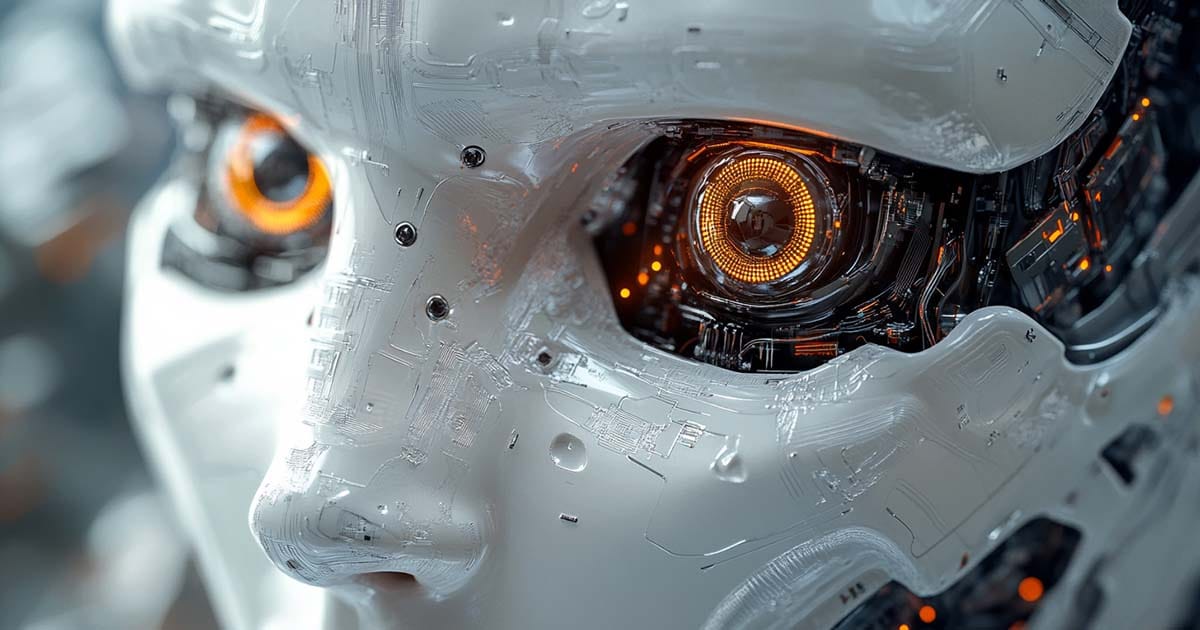
When "Lock In" appeared, it offered neither utopian escape nor dystopian nightmare. Instead, it depicted a society where living apart from one’s body was woven into the fabric of daily life.
Legal systems, corporate competition, and personal relationships had all adapted to the reality of technological surrogates. By making the extraordinary seem routine, Scalzi opened new ground for a concept that had often been treated as exceptional.
Why It Still Matters
Ten years after its late-August debut, "Lock In" continues to serve as an example of how science fiction can blend speculation with social detail. It demonstrates that the genre’s most enduring ideas can be reshaped to reflect the concerns of a given time. The fascination with moving the mind beyond the body remains, but the questions we ask about it change with each new generation of stories.
"Lock In" Trivia
- The term “threep” for the robotic bodies in "Lock In" comes from C-3PO of "Star Wars" fame.
- Before the novel’s release, Scalzi published "Unlocked: An Oral History of Haden’s Syndrome" as a free online novella to give the fictional pandemic’s full backstory.
- In the book’s world, the Integrator program allows a Haden to temporarily inhabit another human’s body, creating both legal challenges and new opportunities for crime.